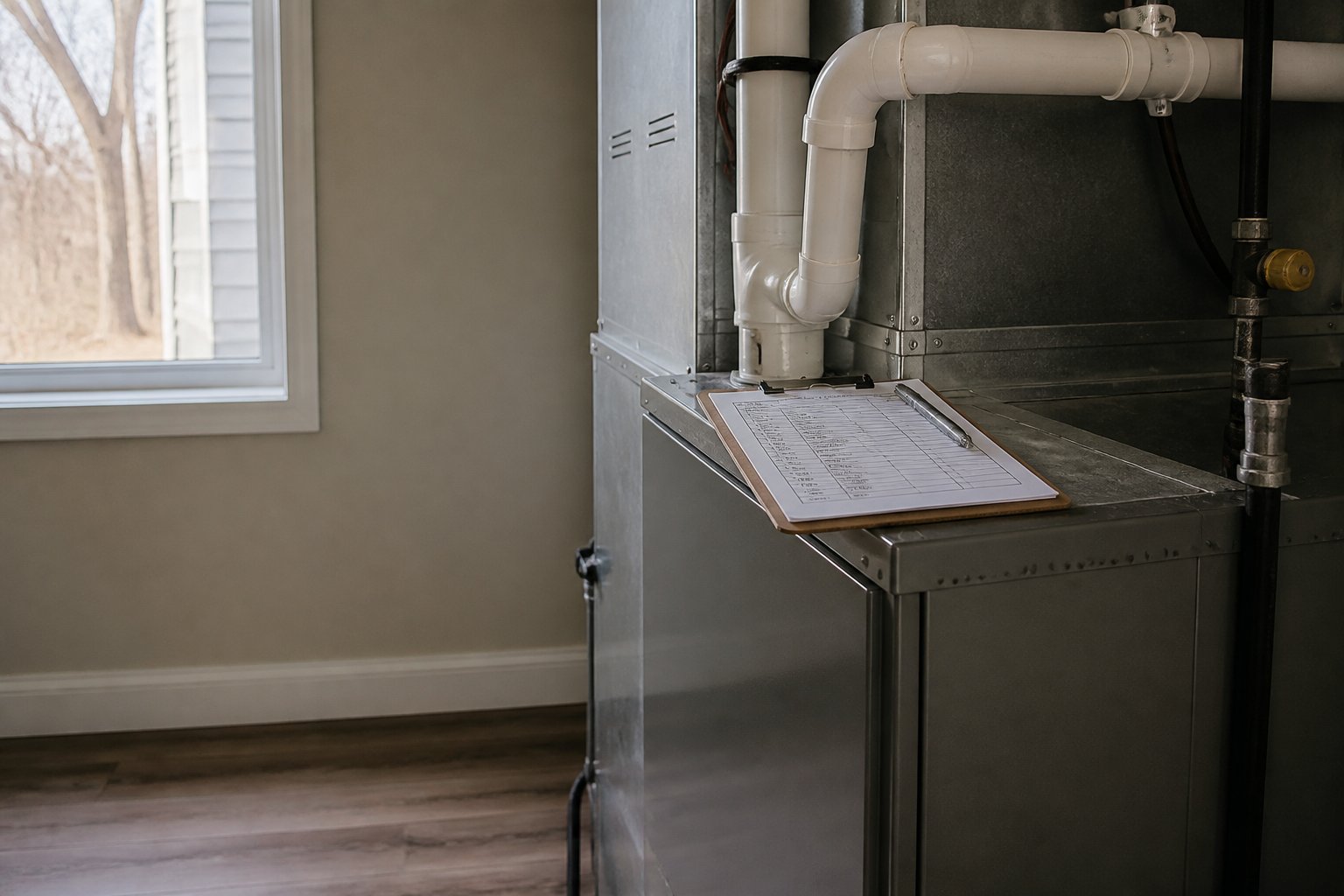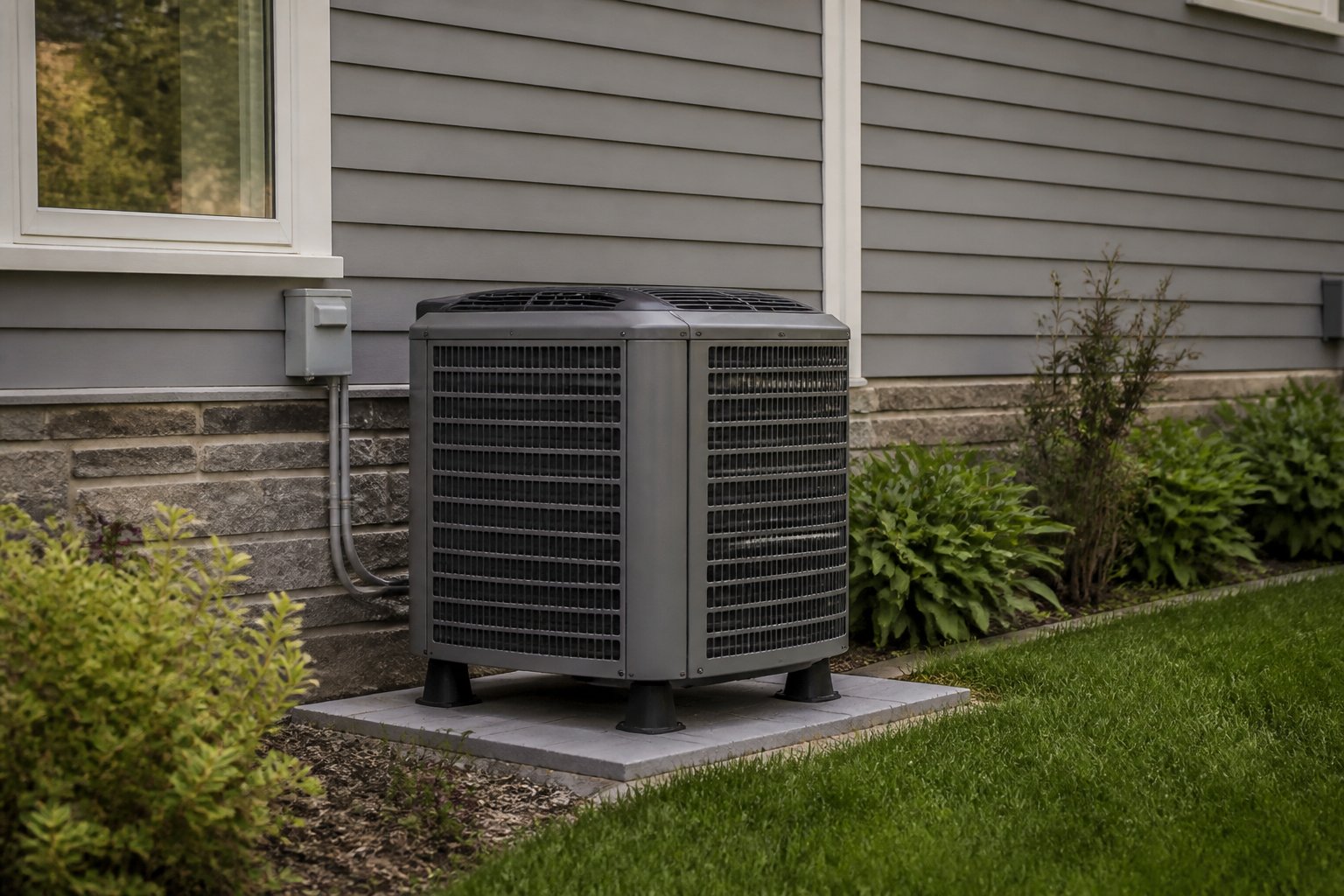



Keeping your home warm during chilly seasons isn’t just about comfort, but also ensuring your family’s well-being. Imagine coming home after a long day to find your heating system struggling to keep up, leaving you wrapped in layers of blankets just to stay warm. By paying close attention to your heating system, you can avoid such scenarios and enjoy a cozy atmosphere year-round.
Understanding when to replace your home heating system can significantly impact comfort and efficiency. Many people delay this task, hoping their old systems will last another season. Yet, lingering issues often lead to higher costs and more headaches. Recognizing the right time for a replacement can save you from unnecessary stress and enhance your home environment.
Signs It’s Time to Replace Your Heating System

Knowing when it’s time to upgrade your heating system can be key to maintaining a pleasant home atmosphere. Here are some clear signs that it might be time to consider a change:
– Age of the System: An older system, typically over 15 years, could be losing efficiency and costing you more in the long run.
– Frequent Repairs Needed: If you find yourself calling a repair service often, it might be more cost-effective to replace the system altogether.
– Rising Energy Bills: Unexpected spikes in your energy bills can indicate your system is using more energy to produce the same amount of heat.
– Uneven Heating in Different Rooms: If certain rooms are warmer than others, your system may not be distributing heat efficiently.
Being aware of these signs helps you stay ahead of potential breakdowns and ensures you’re not caught off guard by a failing heating unit.
Advantages of Replacing Old Heating Systems
Investing in a new heating system brings several benefits that can positively impact your home:
– Improved Energy Efficiency: New systems often come with advanced technology that helps reduce energy consumption, leading to lower utility bills.
– Enhanced Indoor Comfort and Consistent Heating: Modern heating solutions provide even temperature control throughout your home.
– Lower Long-Term Maintenance Costs: While newer systems might have initial costs, they often require less upkeep, saving you money over time.
– Better Indoor Air Quality: Updated systems can improve air circulation, making your home a healthier place to live.
Considering these advantages can help you make an informed decision about replacing your old heating system. Upgrading doesn’t just mean better heat; it also means a more enjoyable living experience for you and your family.
Choosing the Right Heating System for Your Home

When deciding on a new heating system, it’s important to determine what best suits your home and lifestyle. There are various types of systems to consider, each with its pros and cons. Furnaces, boilers, and heat pumps are popular options. Furnaces are often used for their effectiveness and quick heating. Boilers, with their radiant heat, provide a comfortable and quiet environment. Heat pumps are an eco-friendly option that can offer both heating and cooling.
Here’s what you should think about:
– Size of Your Home: Make sure the system’s capacity fits your home’s size, ensuring it heats efficiently.
– Cost of Installation and Operation: Think about both the initial and long-term costs.
– Energy Source Available: Choose between natural gas, electricity, or oil, depending on what’s accessible in your area.
– Climate in Oshawa: Consider how well a system performs in colder temperatures typical in your region.
Always consult with a professional to evaluate your home’s heating needs for the best results. An expert assessment can highlight the most efficient options for your specific home requirements.
What to Expect During the Replacement Process
Getting your old heating system swapped for a new one is a significant task that benefits from being well informed. Initially, expect a thorough home assessment where experts check the layout and size, and discuss preferences. This step ensures that the chosen system will meet your heating needs effectively.
Next, you’ll go through the installation. This process generally involves:
– Preparation: Clearing the space and removing the old system.
– Installation: Setting up the new unit, which might take a day or more, based on complexity.
– Testing: Once installed, the system undergoes a series of tests to ensure it’s functioning correctly and efficiently.
After the installation, you’ll receive guidance on maintenance tips to keep your heating system in top shape. Simple practices like regular inspections and timely filter changes go a long way in prolonging the unit’s life and performance.
The Repair-or-Replace Math
Deciding between one more repair and a full replacement often comes down to a few numbers. A widely used guideline is the “50% rule”: if a single repair costs more than half the price of a new system, replacement is usually the better value. Another quick check is to multiply the age of your furnace by the repair estimate — if the result climbs past roughly $5,000, your money is better spent on new equipment.
Efficiency is the other half of the equation. Furnaces are rated by AFUE (Annual Fuel Utilization Efficiency), the percentage of fuel actually turned into heat. A furnace built 15 or 20 years ago may run at 70 to 80% AFUE, meaning up to a third of every dollar in gas goes straight up the flue. Today’s high-efficiency models reach 95 to 98% AFUE, so an upgrade can trim a meaningful slice off your winter heating bills. When repairs are becoming an annual event and your energy costs keep climbing, the long-term savings usually favour replacement over another patch.
Why Correct Sizing Matters as Much as the Model
A brand-new furnace will still disappoint if it is the wrong size for your home. An oversized unit heats quickly, then shuts off, only to fire up again minutes later — a pattern called short-cycling that wears out components, wastes fuel, and leaves rooms unevenly heated. An undersized system runs almost constantly and still struggles to keep up during a cold snap.
This is why a proper replacement starts with a heat-load calculation rather than simply matching the old equipment’s rating. A technician weighs your home’s square footage, insulation, window count, ceiling height, and exposure to decide the right output. Homes in Oshawa and across Durham Region also need equipment rated to perform reliably through the coldest stretches of the year, so climate is part of the calculation too. Getting the sizing right is what turns a good furnace into consistent, efficient comfort.
Staying Warm with Confidence
Replacing your home heating system is a thoughtful step towards a more comfortable living space. As you consider this critical home upgrade, focus on the clear advantages a new system brings—from energy-saving benefits to an improved indoor climate.
Plan Your Heating System Replacement
If your furnace is past 15 years, needing repairs every season, and pushing your gas bills higher, planning a replacement now beats waiting for a mid-winter failure. We size the right high-efficiency system to your home and handle the swap from assessment to final testing. Explore our Oshawa home heating services, call (289) 688-4822, or request a quote online to plan your upgrade.
Serving Durham Region homeowners: When it is time to weigh a heating repair against a full replacement, Fortis Heating offers straight advice to households right across the Durham Region, from Oshawa and Whitby to Ajax and Pickering.
Before You Replace: Further Reading
Resources to help you compare heating options and efficiency ratings:
Frequently Asked Questions
How often should I service my HVAC system in Oshawa?
Most manufacturers ask for servicing twice a year: the air conditioner in spring and the furnace in fall. Beyond the immediate tune-up, that habit is what stretches equipment life by roughly 5 to 10 years and holds energy bills down by 10 to 25% — and with Durham Region temperatures running hot and cold, seasonal upkeep pays off more here than in milder places.
What temperature should I set my thermostat to save energy?
For Ontario homes, keep the thermostat near 20-21°C (68-70°F) when you are in, then ease it down 2-3 degrees while sleeping or away. A programmable or smart model runs that pattern for you and typically saves 10-15% on annual heating and cooling — worth factoring in when you are already thinking about a system’s efficiency.
How long does an HVAC system typically last?
A well-kept furnace tends to last 15-20 years, an air conditioner 10-15, and a heat pump 12-15. Reaching the upper end of any of those figures comes down to consistent professional servicing and timely filter changes — and knowing where your unit sits in that span helps you plan repair-versus-replace decisions.
Is it better to repair or replace my furnace?
Repair usually makes sense for a newer furnace that needs an occasional, affordable fix. Lean toward replacement when the unit is over 15 years old, needs frequent repairs, has a cracked heat exchanger, or when a repair would cost more than half the price of a new system. Pairing age with rising energy bills and a low AFUE rating is the clearest sign that upgrading will save money over time.