

Having a cozy and warm home is what everyone dreams of when the chill hits the air, but a gas fireplace requires some upkeep to keep it running smoothly and efficiently. Maintaining your fireplace is not just about having a perfectly flickering flame; it’s also about safety and smart use of resources. Regular attention can lead to fewer surprises and more toasty evenings by the fire.
Think about a cold winter evening when you want to enjoy the warmth of your gas fireplace after a long day. If it’s well maintained, you won’t have to worry about it being less reliable or a troublesome repair. Regular care not only keeps your fireplace efficient but extends its lifespan and keeps it safe for your whole family. In an Oshawa winter, when the fireplace may run for hours every evening from November through March, that reliability matters even more.
Regular Cleaning and Inspection
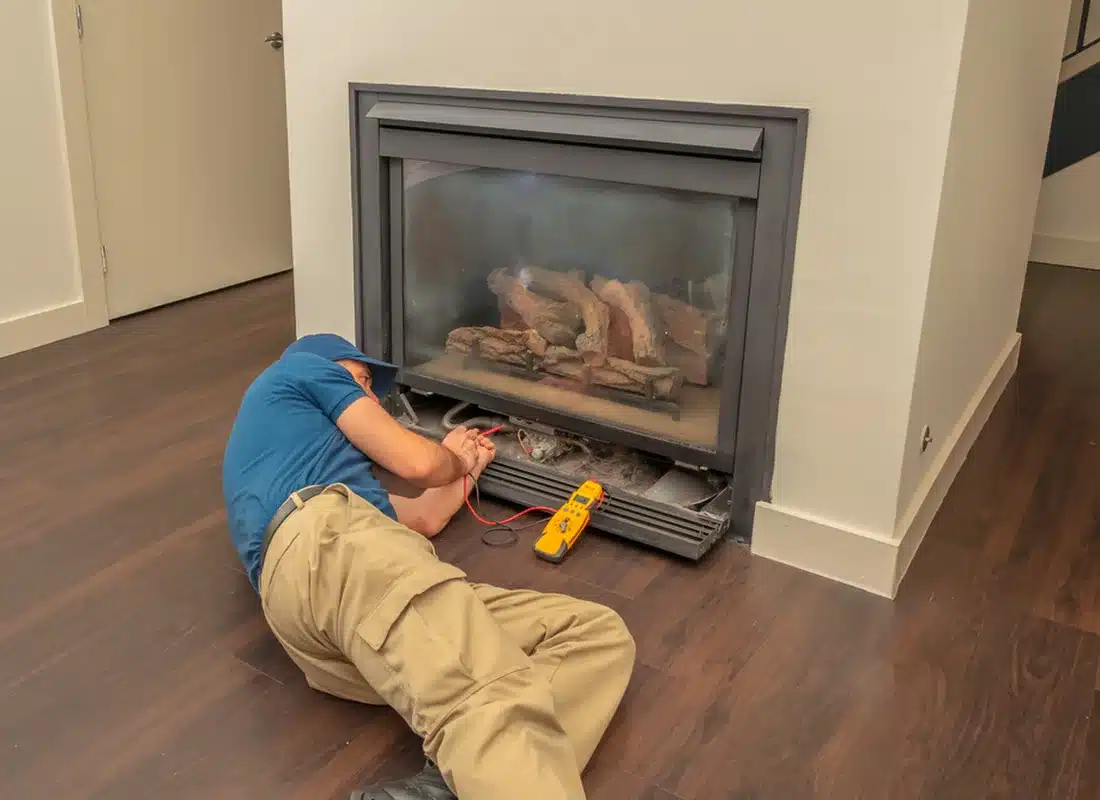
Cleaning your gas fireplace involves some easy steps that can make a big difference. Keep the glass clean so you can enjoy the view without smudges blocking the beautiful flame. Before you begin, always turn the fireplace off, shut down the pilot if your model allows it, and let the unit and glass cool completely — the glass front stays hot long after the flames are out. Here’s how you can maintain your gas fireplace:
– Glass Cleaning: Use a specific cleaner meant for fireplace glass. Avoid regular cleaning agents that might damage or leave residue. A light haze on the inside of the glass is normal in the first few burns of the season, but heavy filming needs a proper cleaning.
– Log and Burner Dusting: Dust off the logs and burner a few times a year. Don’t forget to check for debris that might block the path of the gas. Ceramic logs must sit in the exact position shown in your owner’s manual — even a small shift can disrupt the flame and cause sooting.
– Check for Soot Buildup: Excess soot is a clue that something might not be working right, so keep an eye on this during cleanings. Black soot on the glass or logs usually points to incomplete combustion and should be looked at by a technician.
Professional inspections are just as important as doing it yourself. Why? They spot the problems that might not be visible. An experienced eye can make sure everything is in tune and safe. Typically, an annual inspection checks the ignition, the gas lines, and ensures that everything is running perfectly. Keeping these inspections in mind helps avoid any unexpected fireplace troubles, making sure warmth is always just a switch away.
Checking the Thermostat and Pilot Light
Another key part of keeping your gas fireplace in top shape is making sure the thermostat and pilot light are working properly. Your thermostat controls how your fireplace heats, so having it set and functioning right is crucial. It’s quite simple—check if the thermostat is responding correctly when you adjust it. If you notice any delays or inaccuracies, it might be time for a professional to have a look.
The pilot light is the little flame that keeps your fireplace ready to go. If it’s been out or flickering, you’ll want to make sure there’s no dirt blocking it. On many units the pilot heats a thermocouple or thermopile, the small sensor that tells the gas valve it’s safe to stay open; when that sensor gets dirty or weak, the fireplace can refuse to light or shut itself off. Here’s a quick rundown of how to check and maintain the pilot light:
1. Check the Manual: Always start by looking at the manufacturer’s instructions for your specific fireplace model.
2. Inspect the Area: Look around the pilot light area for any dust or debris.
3. Note the Flame Colour: The flame should be blue. If it’s yellow or weak, this could mean a more significant issue and a professional should be called.
Keeping everything in good working order helps your fireplace stay efficient and safe, offering peace of mind during chilly months.
Ensuring Proper Ventilation

Ventilation plays a huge role in how well your gas fireplace operates. Properly vented fireplaces remove combustion gases out of your home safely. Ensuring those vents and flues are clear is vital for your comfort and health. A blocked vent might lead to unwanted gases circulating in your home. Most modern units are direct-vent, drawing fresh air in and pushing exhaust out through the same wall or roof terminal, so keeping that outside terminal clear is essential — especially in Durham Region winters when snow and ice can drift over it.
To keep your ventilation system functioning well:
– Clear Blockages: Regularly check both indoor and outdoor vents for leaves, debris, and snow buildup after storms.
– Periodic Cleaning: Have flues and vents cleaned professionally every year to prevent buildup.
When those chilly Oshawa nights hit, clear vents ensure the air in your home stays fresh and the fireplace performs its best.
Warning Signs and Carbon Monoxide Safety
Because a gas fireplace burns fuel inside your living space, knowing the early warning signs of trouble is one of the most important parts of ownership. A healthy unit runs with a mostly blue flame, a clear glass front, and no lingering smell once it warms up. Watch for these red flags between service visits:
– A yellow, lazy, or sooty flame that leaves black marks on the glass or logs — a sign of incomplete combustion.
– Heavy condensation or a strong odour when the fireplace is running, which can point to a venting problem.
– Physical symptoms such as headaches, dizziness, or nausea that ease when you leave the room — these may signal carbon monoxide and should never be ignored.
Carbon monoxide is colourless and odourless, so a working CO alarm is your best line of defence. Ontario requires a carbon monoxide alarm near sleeping areas in homes with a fuel-burning appliance, and it’s wise to have one on every level. Test the alarm each season, replace it before it expires, and if it ever sounds, get everyone outside and call for help. If you notice any of the warning signs above, stop using the fireplace and book a service call rather than trying to force it to run.
Scheduling Annual Maintenance
Regular maintenance is essential for keeping fireside evenings both lovely and trouble-free. Scheduling professional checks every year means experts can spot what’s needed and often fix potential issues before they become real problems. You shouldn’t have to worry about your fireplace when the snow starts falling. The ideal time to book is early autumn, before the first cold snap sends every homeowner in Durham Region reaching for the remote at once.
During an annual maintenance visit, professionals generally check:
– Safety Mechanisms: Ensuring everything from the ignition to the sensors meets safety standards.
– System Integrity: Examining the overall system for rust, wear, or any signs of failure.
– Efficiency Check: Looking over all components to keep everything running as energy-efficient as possible.
By keeping an eye on these elements, maintenance ensures your fireplace remains a safe and snug centrepiece that makes home time during the long Canadian winter comfortable and inviting.
Book a Gas Fireplace Safety Check in Durham Region
A little seasonal attention keeps your gas fireplace burning clean, efficient, and safe all winter long. If your flame looks off, the glass keeps clouding over, or it’s simply been more than a year since your last service, our licensed technicians can inspect the burner, venting, and safety controls and get everything dialled in before the coldest nights arrive. Call Fortis Heating & Air Conditioning at (289) 688-4822 or reach out through our contact page to schedule a gas fireplace tune-up. You can also learn more about our heating and air conditioning maintenance in Oshawa.
Serving Durham Region: Fortis Heating helps homeowners run their fireplaces and heating systems efficiently in Whitby, Oshawa, Pickering and Ajax.
More on Home Heating Efficiency
For homeowners looking to get the most out of a gas fireplace and the rest of their heating system, these resources offer practical, independent guidance:
Frequently Asked Questions
Why is the glass on my gas fireplace turning black or foggy?
A faint white haze on the inside of the glass is normal during the first few burns of the season and usually clears once the unit is warm. Black soot, however, is a sign of incomplete combustion — often from logs that have shifted out of position, a dirty burner, or a venting issue. If cleaning the glass doesn’t solve it, or the soot returns quickly, have a technician inspect the fireplace.
Is it normal for my gas fireplace to smell the first time I use it each year?
A mild odour during the first burn of the season is common, as dust that settled on the burner and logs over the summer burns off. It should fade within 15 to 30 minutes with a window cracked. A strong or ongoing odour, especially with a yellow flame, is not normal and should be checked right away.
Do I really need annual gas fireplace servicing?
Yes. Yearly service keeps the burner clean, verifies the venting and safety controls, and catches small problems before they affect performance or safety. It’s the same logic as a furnace tune-up — a short visit each year protects a system you rely on through the whole Durham Region winter.
How often should I service my HVAC system in Oshawa?
Plan on servicing your HVAC system twice each year: the air conditioner in spring and the furnace in fall, ahead of the seasons that push them hardest. Booking both visits keeps the whole system efficient and reliable through the long Durham Region winter, and it gives a technician a regular chance to catch wear before it turns into a mid-season breakdown. Between visits, changing the filter on schedule is the easiest way to protect that investment.
How long does an HVAC system typically last?
Life expectancy varies by equipment: furnaces often reach 15 to 20 years, air conditioners roughly 10 to 15, and heat pumps around 12 to 15. Those are best-case numbers, though, and they depend on maintenance. Systems that are serviced every year and kept clean tend to last toward the higher end, while neglected ones fail years sooner — which is why routine care is the most cost-effective decision an owner can make.