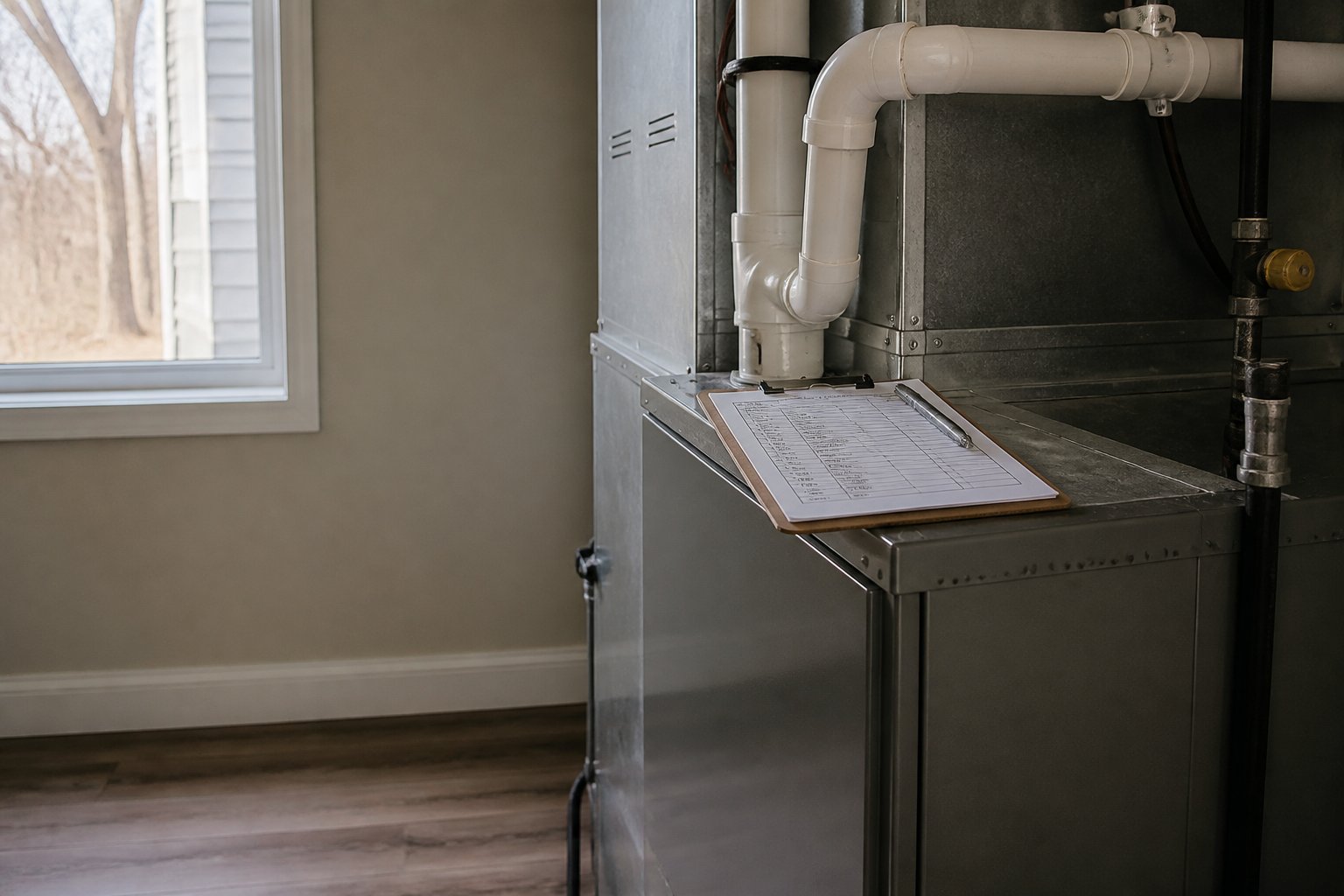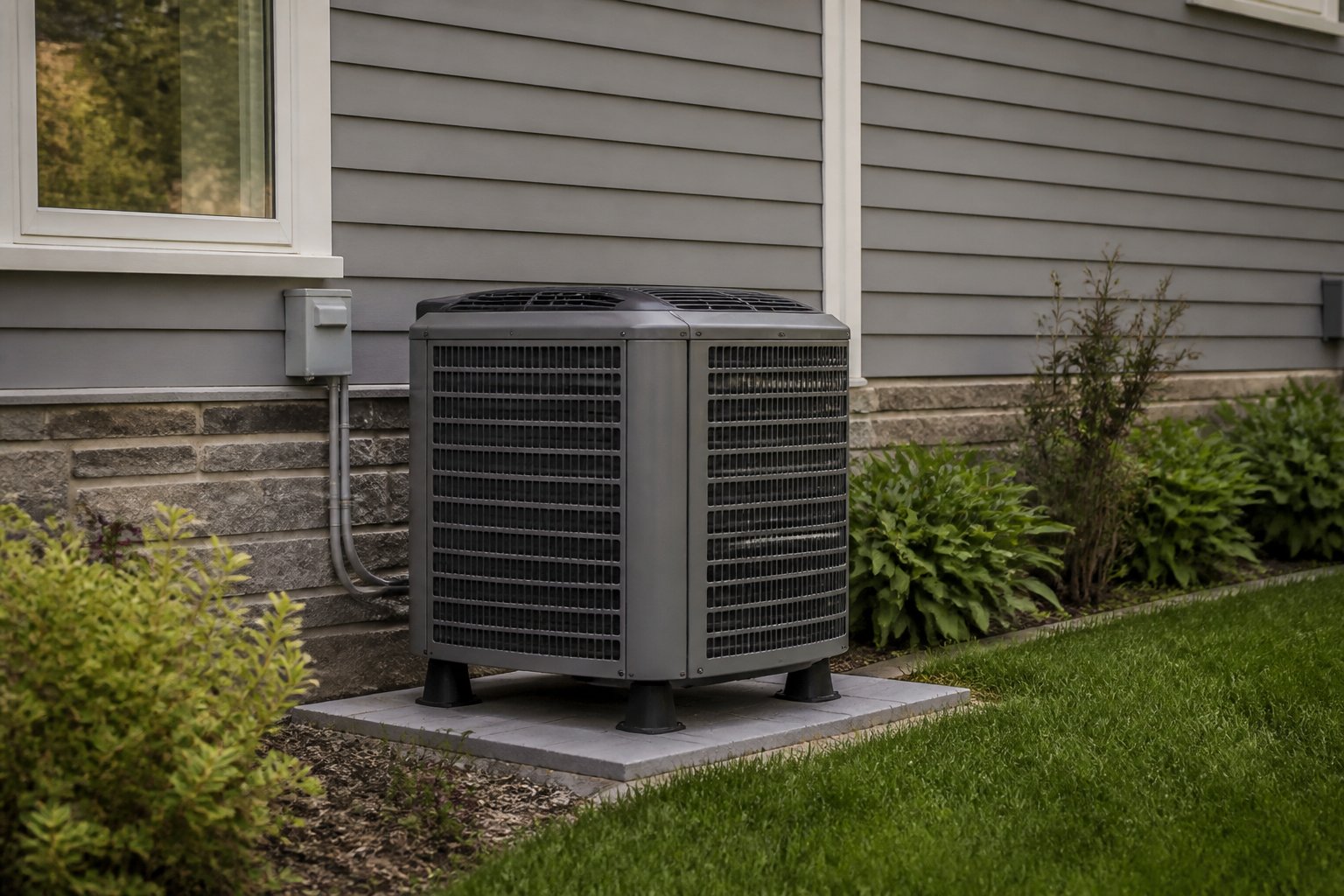



With the arrival of warmer months, it’s time to start thinking about your home’s cooling needs. After a long winter, your HVAC system might need a little care to ensure it’s ready to keep your home comfortable when the temperature rises. Proper preparation not only keeps your system running smoothly but can also help reduce energy costs.
One of the first steps to getting your air conditioning system ready is to give it a good cleaning. Dust and debris can accumulate during the off-season, leading to reduced efficiency and potential issues. Regular maintenance, like checking filters and coils, plays a big role in ensuring your system operates effectively.
Additionally, small adjustments like updating your thermostat settings or even upgrading to a programmable model can make a huge difference in managing your home’s temperature this summer. By taking a proactive approach, you can enjoy a cool and comfortable living space while avoiding unnecessary stress on your HVAC system.
Checking and Cleaning Air Conditioning Units
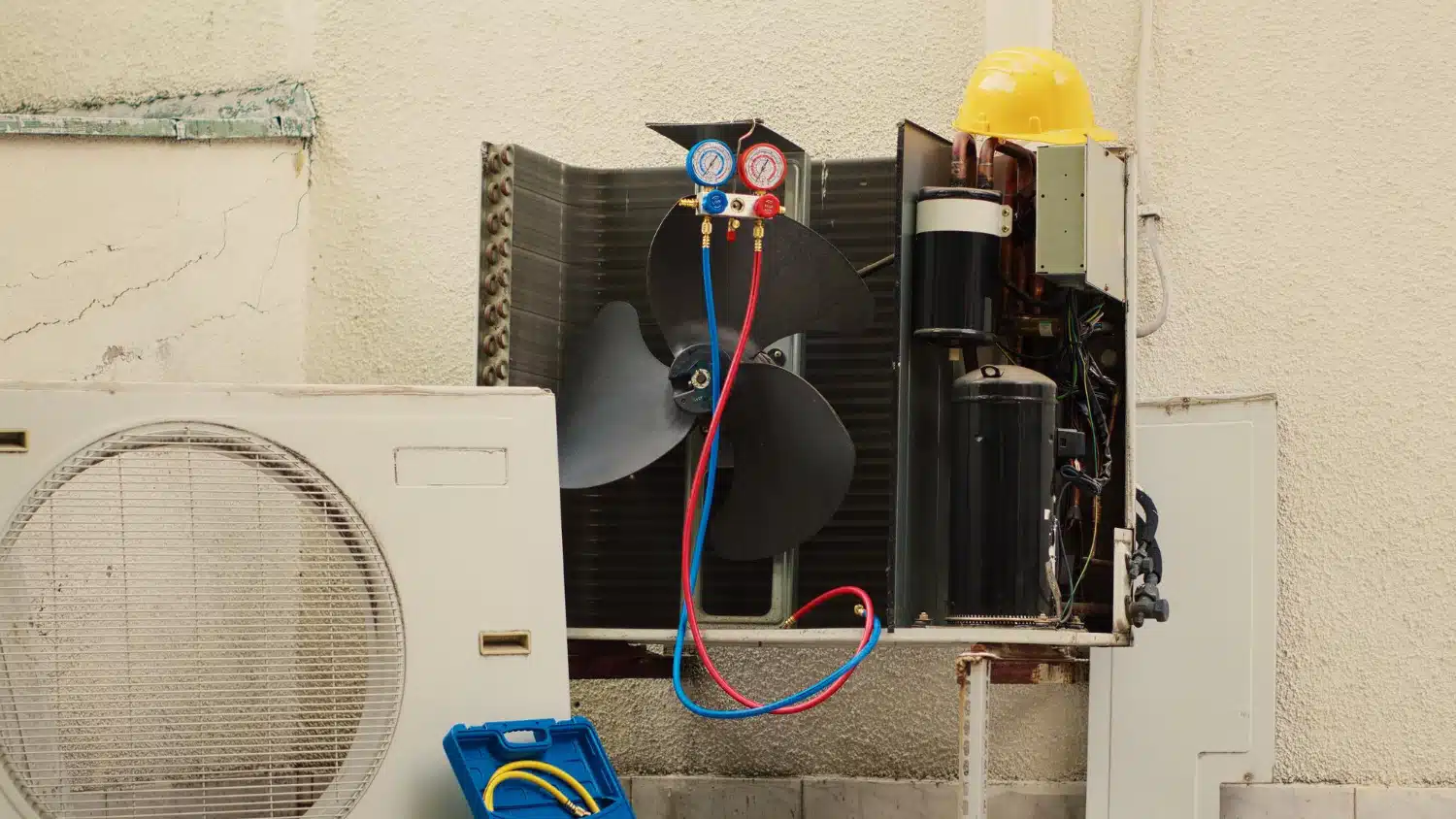
As the temperature climbs, ensuring your air conditioning units are in top condition is crucial for maintaining a cool home. Over time, dust and debris accumulate both inside and outside the units, obstructing airflow and reducing efficiency. Giving your AC units a thorough cleaning helps it perform optimally, providing consistent cooling without straining itself.
Start by turning off the power to your air conditioning unit for safety. Once that’s done, check the outdoor unit for any leaves, dirt, or debris blocking its vents. Gently clean the fins with a soft brush to avoid bending them. Keep at least a two-foot clearance around the unit to allow proper airflow.
Next, inspect the indoor components. A key area is the air filter. Dirty filters restrict airflow and can freeze the coils. Depending on your model, clean or replace the filters every one to three months for the best performance. Be sure to also check the evaporator coils. These should be free of dust—use a coil cleaner if needed.
Finally, examine the drain line for clogs. A blocked line can cause water damage or stop the cooling process altogether. Flushing the line with a mixture of water and vinegar can keep it clear and flowing smoothly. By performing these simple cleaning tasks, you’re setting up your AC system for success throughout the summer.
Thermostat Settings and Upgrades
Properly managing your thermostat settings can translate into significant energy savings during the warmer months. Start by setting your thermostat to a comfortable yet efficient temperature, usually around 24°C when you’re home. Raising the temperature by a few degrees when you’re away or asleep can further save energy.
For an enhanced experience, consider installing a programmable or smart thermostat. These devices allow you to set temperature schedules that adapt to your lifestyle. For example, a programmable thermostat can automatically adjust temps when you are out, maximizing savings without any manual adjustments.
Smart thermostats offer even more convenience. They learn your habits and make automatic changes based on your daily routines. Many models can be controlled remotely via a smartphone app, providing flexibility whether you’re home or on the go. They can also provide valuable insights into your energy usage, helping you make more informed decisions.
These thermostat tips and upgrades create a more controlled and efficient home environment and lessons the demand placed on your HVAC system, keeping it performing optimally and extending its lifespan.
Inspecting Ductwork and Vents

Ductwork and vents play a vital role in how well your HVAC system cools your home. If there are leaks or blockages, cool air can’t travel freely, making the system less efficient and potentially costing you more money. To keep things running smoothly, take time to inspect and maintain these components.
First, check your ductwork for any noticeable gaps, holes, or loose connections. These leaks can cause cool air to escape before it reaches the intended rooms. If you find any leaks, sealing them with duct tape or mastic sealant can prevent air loss.
Next, look at your vents to ensure they’re not blocked by furniture, curtains, or other objects. Obstructed vents restrict airflow, reducing the system’s ability to cool effectively. Make sure vents are clean and clear by removing dust and debris that could clog them. You might also consider using a vacuum brush attachment to clean inside the vents, which helps maintain optimal airflow.
Regularly checking these components means your HVAC system can work efficiently, providing a comfortable environment without undue strain on the system.
Scheduling Professional HVAC Maintenance
Even with regular personal maintenance, scheduling a professional HVAC check-up is crucial. An expert can catch minor issues before they escalate, saving you from costly repairs and ensuring your system runs efficiently throughout the warmer months.
When professionals visit, they typically perform a thorough system inspection. This includes evaluating the coolant levels and ensuring they’re adequate for optimal cooling. They also scrutinize electrical connections to confirm their safety and inspect components for wear and tear.
You can expect the technician to clean essential parts like the evaporator and condenser coils if needed. This cleaning helps maintain your HVAC’s efficiency and extend its lifespan. Professionals also test the system’s overall performance and functionality, identifying any hidden issues that could affect cooling.
By having a regular maintenance schedule, you keep your air conditioning in good condition, ensuring a comfortable home environment during the heat waves of summer.
Conclusion
Readying your HVAC system for the warmer months involves a combination of regular cleaning, smart thermostat management, and professional inspections. By paying attention to your air conditioning unit, ductwork, and settings, you can maintain a smooth and efficient cooling system. This ensures comfort for your family regardless of how hot it gets outside. Regular maintenance and timely professional intervention can prevent inconveniences, keeping your HVAC system running effectively.
If you’re looking for expert help to ensure your cooling system is in top condition, reach out to Fortis Heating & Air Conditioning. Our experienced technicians are ready to perform thorough maintenance and address any issues, helping you maintain a cool and comfortable home throughout the warm season. Contact us today to schedule your HVAC service and enjoy peace of mind knowing your system is well cared for.
Your Durham Region HVAC team: Fortis Heating gets cooling systems season-ready in Oshawa, Whitby, Ajax and Pickering, with spring AC visits running out to Clarington and Bowmanville.
Seasonal Efficiency Resources
Getting your system ready for warmer weather? These guides cover efficient cooling and year-round home comfort.
Frequently Asked Questions
How often should I service my HVAC system in Oshawa?
Book professional service twice a year — spring for the air conditioner and fall for the furnace — so each is ready before it works hardest. As the warmer months approach, a spring AC tune-up restores efficiency and helps head off summer surprises. With Durham Region’s demanding seasons, staying on schedule protects both comfort and equipment life. We can arrange your spring visit anytime.
What temperature should I set my thermostat to save energy?
In cooling season the same logic applies in reverse: aim for a comfortable setting when home and let the temperature rise a few degrees when you are out, rather than shutting the system off entirely. A programmable or smart thermostat manages this automatically and helps keep summer cooling costs in check. In winter, 20 to 21°C (68 to 70°F) with an overnight setback is the comfortable, efficient target.
How long does an HVAC system typically last?
Typical service life runs about 15 to 20 years for a furnace, 10 to 15 for an air conditioner, and 12 to 15 for a heat pump. Regular maintenance — including that spring AC check before the warmer months — and prompt filter changes are the main reasons some systems reach the top of the range while others fall short.