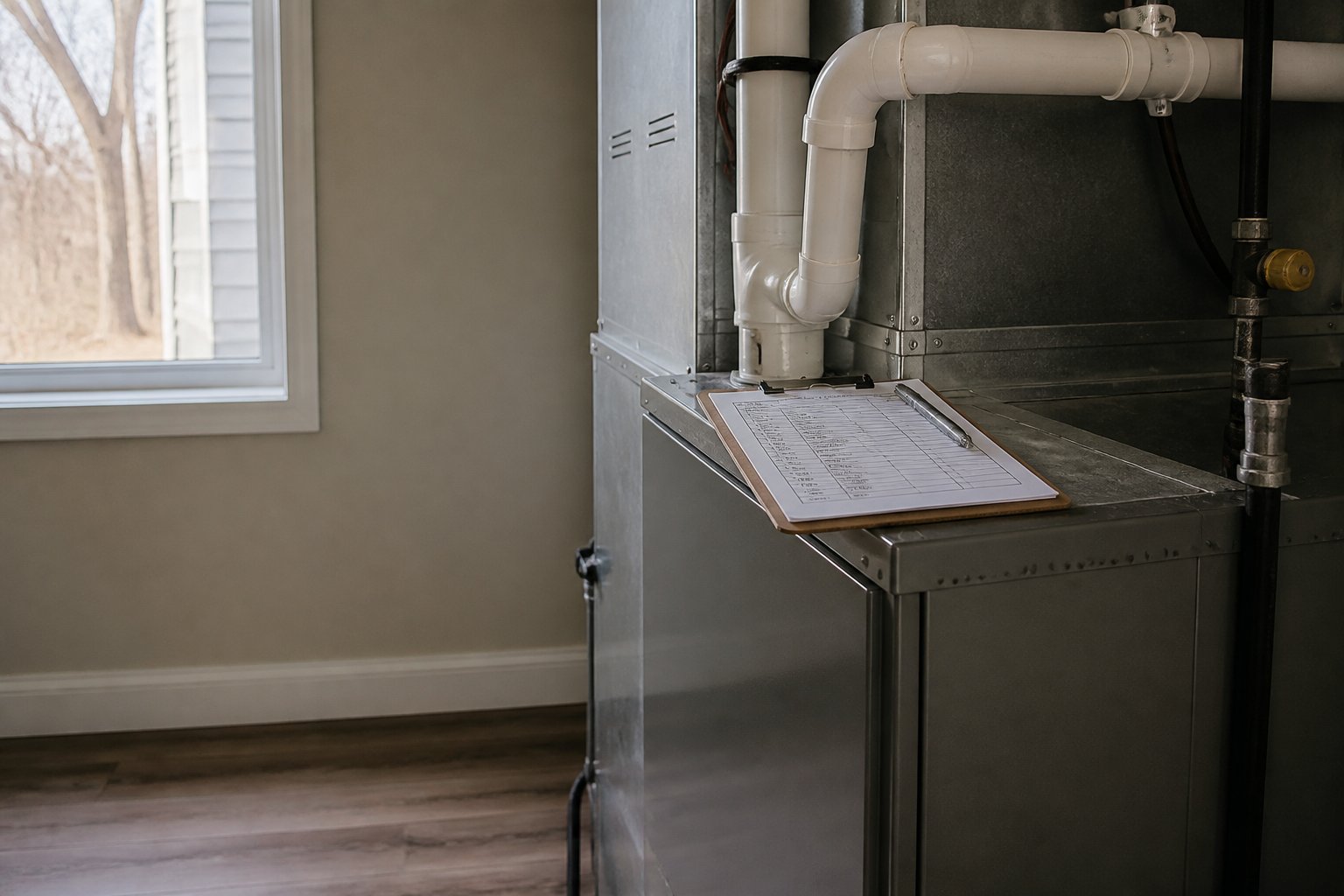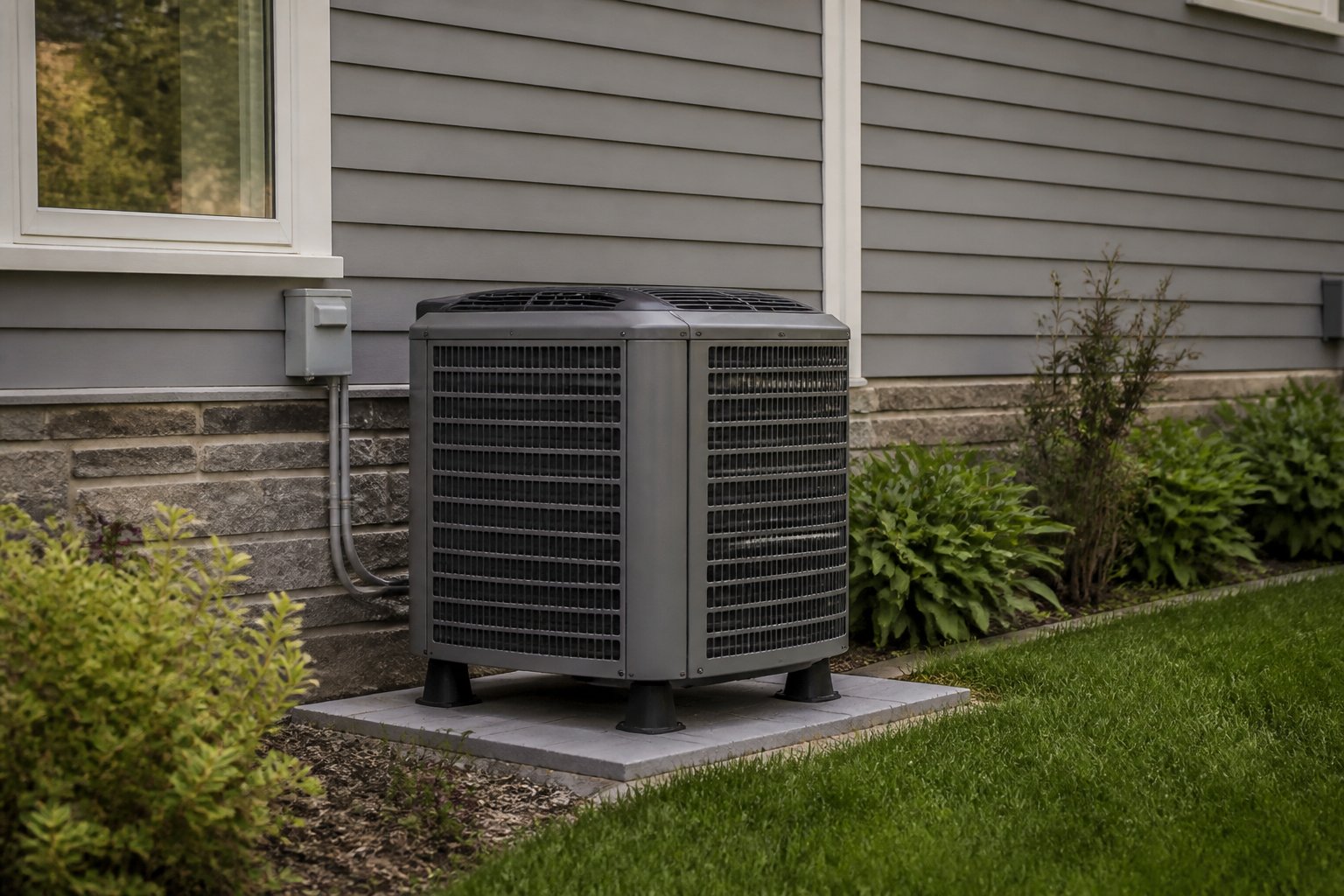



When your home’s HVAC system starts making strange noises, it can certainly raise some eyebrows and cause a bit of discomfort. These noises can range widely, from a gentle hum to a concerning rattle, but the common thread lies in the disruption they bring into your otherwise peaceful environment. Understanding the importance of these sounds—and addressing them quickly—can save both time and money while ensuring your home stays comfortable year-round.
HVAC systems are integral to maintaining indoor comfort, especially in areas like Oshawa, where seasonal changes can be quite pronounced. Recognizing and dealing with these odd noises is key to keeping the system running smoothly and efficiently. By identifying the sounds that shouldn’t be ignored, you can take steps toward resolving those issues before they escalate.
Common Types of Strange HVAC Noises

HVAC systems shouldn’t create a concert of unsettling noises. Each sound usually points to a specific problem. Recognizing these sounds can often help diagnose what might be wrong with your system:
– Banging: This often signals a loose or broken part inside the compressor or fan.
– Clicking: An occasional click is normal, but a persistent noise could indicate an electrical problem.
– Humming: A gentle hum might mean your compressor is working, but if it becomes louder, it could be a loose motor component.
– Squealing: This high-pitched sound often comes from a misaligned or worn-out fan belt.
– Rattling: Loose debris or a failing motor can cause this jarring sound.
Identifying these noises helps you understand when to call a professional for assistance. Early detection keeps your HVAC system running efficiently, avoiding prolonged discomfort.
Causes of Strange Noises in Your HVAC System
Understanding the root cause of those unsettling noises is the next vital step. Several common issues could be the source:
– Loose Parts: Over time, nuts, bolts, and connections inside your HVAC system can loosen, leading to rattles and bangs.
– Motor Problems: The motor, powering the fan and the compressor, can develop issues. Worn-out bearings might produce a grinding noise, letting you know it’s time for maintenance.
– Airflow Obstructions: Dust or debris can clog the air filter or ducts, causing the system to work harder and produce odd sounds.
Regular HVAC maintenance can prevent these issues, saving you from unexpected repairs. Simple checks like tightening screws or replacing air filters go a long way in keeping the system robust.
Addressing noises quickly assists in taking a proactive approach in preserving your HVAC system’s health. By maintaining a quiet and efficient system, comfort is guaranteed, and peace of mind is ensured.
When to Call for Professional Help

Once you’ve identified strange noises in your HVAC system, you might wonder when it’s time to bring in the experts. Some situations definitely demand professional attention to prevent further damage and ensure a quick resolution:
– Persistent Noises: If strange sounds continue after you’ve checked for simple issues like loose screws or a clogged filter, it’s best to consult a professional.
– Electrical Sounds: Clicking or buzzing noises related to electrical components should be handled by an expert to avoid safety hazards.
– Performance Issues: When noise is accompanied by poor heating or cooling performance, it’s crucial to get a thorough inspection.
Unusual sounds paired with these signs can point to more significant problems that only skilled technicians should tackle. Seeking professional maintenance keeps your system in top shape, supports its longevity, and promotes energy efficiency.
Heating-Side vs. Cooling-Side Noises
It helps to know whether a sound is coming from your furnace or your air conditioner, because each points to different culprits. On the heating side, a loud “boom” or “bang” when the furnace kicks on can mean delayed gas ignition — gas building up briefly before it lights — which should be checked promptly by a licensed technician. A scraping, metal-on-metal sound often means the blower wheel is loose or striking its housing, while a whistle at the vents usually signals restricted return airflow, frequently from a clogged filter or too many closed registers.
On the cooling side, a hissing or bubbling sound can indicate a refrigerant leak, which lowers efficiency and needs professional attention. A loud buzz from the outdoor unit may be a failing contactor, capacitor, or fan motor, and a rhythmic clicking that will not stop can point to a relay or control problem. Pinpointing which unit is making the noise gives your technician a valuable head start on the diagnosis.
Noises You Should Never Ignore
While a faint hum is normal, a few sounds warrant shutting the system down and calling for help. A boom on ignition, a burning or electrical-smelling buzz, grinding metal, or a persistent hiss of escaping refrigerant all signal problems that can worsen quickly or pose a safety risk. Turning the system off and having it inspected before running it again protects both your equipment and your household.
Preventive Measures to Avoid Strange Noises
Taking simple steps can greatly reduce the chances of your HVAC system developing strange noises. Regular maintenance practices often make a world of difference:
– Inspect and Tighten: Check and secure any loose components like screws and panels.
– Change Filters Regularly: Ensure clean filters to maintain proper airflow and reduce strain.
– Clear Debris and Dust: Regularly clean external parts of the system to prevent obstructions.
By integrating these routines into your home maintenance schedule, you can prevent many common noise issues. Making this a habit means fewer disruptions and a better-functioning system overall.
Enjoying a Quiet and Efficient HVAC System
Addressing odd noises promptly and regularly paying attention to your HVAC system bring significant rewards. The peace of a quiet home and the comfort of an efficient HVAC system create an environment where you can fully enjoy each season’s gifts. By keeping up with routine inspections and repairs when needed, your system runs smoothly, staying ready for both the weather’s whims and daily demands.
Remember, taking the step to ensure that your HVAC system is in ideal condition adds value to your home life. Prioritizing maintenance means you’re not just investing in your system but also in the comfort and tranquility of your home, making it a haven regardless of the time of year.
Let’s Track Down That Mystery Noise
A new rattle, bang, or hiss is your HVAC system’s way of asking for attention — and the sooner it is diagnosed, the smaller the repair usually is. If your furnace or air conditioner is making a sound you cannot explain, let the technicians at Fortis Heating & Air Conditioning listen, locate the source, and set it right with dependable maintenance and repair. Call (289) 688-4822 or get in touch to bring the quiet back to your Oshawa-area home.
Serving Durham Region homes: When a new rattle or hum turns up, Fortis Heating tracks it down for homeowners across the Durham Region — Oshawa, Whitby, Ajax, and Pickering.
Related Reading
Trusted background on keeping an HVAC system healthy and efficient:
Frequently Asked Questions
How often should I service my HVAC system in Oshawa?
Aim for professional maintenance twice a year, servicing the air conditioner in spring and the furnace before fall. Regular care can extend equipment life by 5 to 10 years and lower energy costs by 10 to 25% — and it is also the surest way to catch the small noises and wear points that turn into bigger repairs. Durham Region’s temperature swings make that seasonal check especially valuable.
What temperature should I set my thermostat to save energy?
Set it to 20-21°C (68-70°F) when the house is occupied and lower it 2-3 degrees when you are asleep or out. A programmable or smart thermostat can follow that schedule on its own and cut roughly 10-15% from your yearly heating and cooling bills.
How long does an HVAC system typically last?
A furnace that is looked after usually lasts 15-20 years, air conditioners average 10-15, and heat pumps about 12-15. Systems that are serviced regularly and get timely filter changes are the ones that reach the top of those ranges — and that stay quieter along the way.