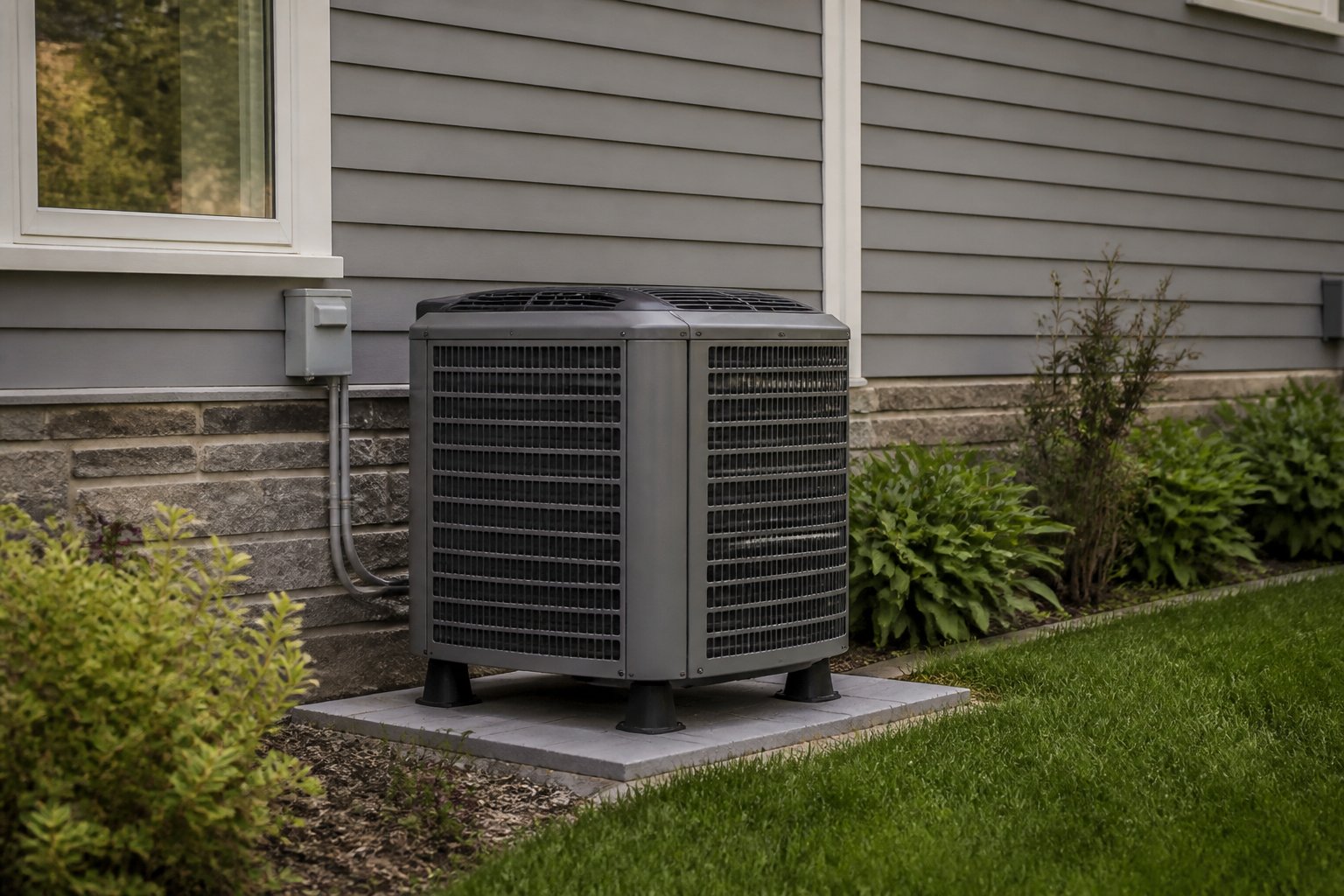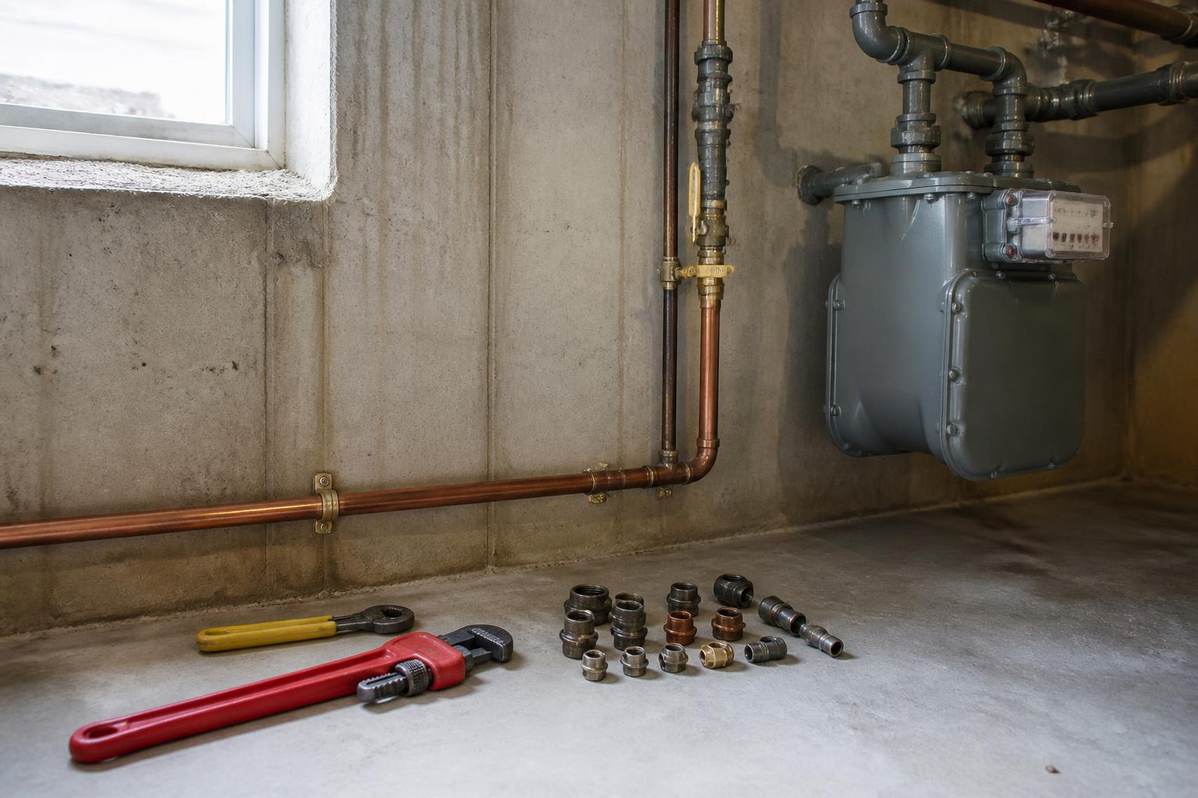



Gas line installation and repair is a critical task that requires professional expertise and should be avoided by a DIY enthusiast. Running or installing a gas line involves connecting your home or commercial establishment to a natural gas or propane source.
The process usually entails extending or modifying existing gas lines or installing new gas lines. Engaging qualified professionals for this task is crucial to ensure safety and compliance with local regulations. This post will discuss the various professionals who can help run or install a gas line.
Licensed Gas Fitters

A gas fitter is a skilled tradesperson specializing in installing, repairing, and maintaining gas systems. They are trained to work with various gas lines, including natural gas and propane. Gas fitters are licensed and certified by regulatory authorities to ensure that they have the necessary skills and knowledge to safely and effectively perform the tasks related to gas line installation and repair.
When searching for a gas fitter, verifying their licensure and certification is crucial. Requesting references from previous clients to gauge their expertise and customer satisfaction is essential. Licensed gas fitters will be familiar with local building codes and regulations related to gas line installation and will ensure that your project complies with these requirements.
Licensing In Ontario
In Ontario, gas work is regulated by the Technical Standards and Safety Authority (TSSA), and the technician handling your line must hold a valid gas licence — such as a G3, G2, or G1 certification depending on the scope of the job. That licensing is not a formality; it confirms the person has been trained on fuel type, appliance ratings, venting, and the safety code that governs how a line is run, tested, and connected. Asking to see current credentials before any work begins is a reasonable and important step.
Professional Plumbers
Professional plumbers are also qualified in some jurisdictions for gas line installation and repair. Plumbers with this specialization typically possess certification in gas fitting and plumbing qualifications. While not all plumbers are certified to work with gas lines, they can be a valuable resource when you need help running or installing a gas line.
Like gas fitters, it is imperative to verify the credentials of a plumber before engaging their services for gas line work. Ask for proof of their gas fitting certification and experience handling gas line installations or repairs. Additionally, ensure that the plumber is licensed and insured to protect yourself and your property in case of any unforeseen incidents.
HVAC Contractors

Some heating, ventilation, and air conditioning (HVAC) contractors are also equipped to handle gas line installations and repairs. These professionals have expertise installing and maintaining gas-powered heating systems and may possess the necessary certifications to work with gas lines. However, confirming that the HVAC contractor you are considering has the required qualifications and experience in gas line installation and repair is crucial.
To select the appropriate HVAC contractor for your gas line project, ask for proof of their gas fitting certification and inquire about their experience with similar projects. Additionally, ensure the contractor is licensed and insured to protect yourself and your property.
Utility Companies
Your local utility company may offer gas line installation and repair services. Utility companies typically employ licensed and certified professionals qualified to work with gas lines. Engaging your utility company for your gas line project is convenient, as they offer streamlined services and competitive pricing.
Before engaging your utility company for gas line work, inquire about their service offerings, pricing, and technicians’ qualifications. Ask for a detailed quote and ensure their services comply with local regulations and industry standards.
What Proper Gas Line Installation Involves
Beyond choosing the right professional, it helps to understand what a code-compliant installation actually includes. Each of these steps protects the safety and efficiency of the finished system.
Permits, Sizing, and BTU Load
A proper job starts with a permit and a sizing calculation. The installer adds up the BTU demand of every appliance the line will feed — furnace, water heater, range, or fireplace — and sizes the pipe and length of run so each appliance receives enough gas at the right pressure. An undersized line starves appliances and causes nuisance shutdowns, while guesswork on pipe diameter is one of the most common and most dangerous DIY mistakes.
Fittings, Leak Testing, and Sediment Traps
Connections are made with approved pipe and fittings, and the completed line is pressure-tested and checked for leaks — often with a soap-and-water solution that bubbles at any escape point — before it is put into service. Sediment traps, also called drip legs, are installed near appliances to catch debris and moisture before they reach a valve or burner. These details are easy to skip and dangerous to get wrong, which is why gas work is never a do-it-yourself project.
Ongoing Inspection and Maintenance
An existing gas line still needs attention. A technician looks for corrosion, loose or aging connections, and any sign of a leak, and confirms that shut-off valves and the appliances they feed — from a furnace to a gas fireplace — are operating safely. If you ever smell gas, leave the area and call your utility’s emergency line before doing anything else.
Conclusion
Running or installing a gas line is a complex and potentially hazardous task that licensed and certified professionals should only undertake. Whether you work with a gas fitter, plumber, HVAC contractor, or utility company, verifying their qualifications, experience, and compliance with local regulations is crucial. By engaging the appropriate professional for your gas line project, you can ensure the safety and efficiency of your gas system for years to come.
If you are looking for reliable and affordable Oshawa heating and air conditioning services, look no further than Fortis Heating & Air Conditioning. As a locally owned and operated company, we’re committed to providing our customers top-notch service and support. Whether you need routine maintenance, emergency repairs, or a new installation, our team of experienced technicians has you covered. Contact us today to request a free quote.
Licensed gas work near you: For safe, code-compliant gas line installation and repair, Fortis Heating’s TSSA-licensed team serves Oshawa, Whitby, Ajax and Pickering, along with Clarington, Newcastle and Port Hope.
Gas Safety and Efficiency References
Because gas work carries real safety stakes, it helps to know the official guidance. These resources cover fuel safety and home energy efficiency.
Frequently Asked Questions
What HVAC services does Fortis Heating offer in Oshawa?
Fortis Heating & Air Conditioning offers complete heating and cooling services: furnace installation and repair, air conditioning setup and upkeep, heat pump systems, custom ductwork, gas fireplaces, gas line installation, and hot water solutions including tankless units. Our TSSA-licensed team works across Oshawa, Whitby, Ajax, Pickering, Clarington and the broader Durham Region up to Cobourg.
How do I know if my HVAC system needs professional service?
Telltale signs that professional attention is due include unusual noises, uneven temperatures from room to room, higher-than-usual energy bills, frequent cycling, poor airflow, and strange odours, along with the simple fact of a system being more than 10 to 15 years old. If you spot any of these, a licensed technician can diagnose the cause and recommend the right fix.
Are there energy rebates for HVAC upgrades in Ontario?
It varies. Rebate and incentive programs for efficient heating and cooling are offered periodically through federal, provincial, and utility channels, and their details are revised regularly, so availability isn’t guaranteed at any given moment. Upgrades like high-efficiency furnaces, heat pumps, and smart thermostats often qualify when programs are running. Confirm the current terms before you purchase, and Fortis Heating can point you toward equipment that meets the requirements.
Can I install or move a gas line myself?
No. In Ontario, gas work must be performed by a TSSA-licensed technician, and doing it yourself is both against the rules and dangerous. Improper sizing, unapproved fittings, or an untested joint can lead to leaks, carbon monoxide risk, and voided insurance. Even moving an appliance a short distance usually requires a licensed professional and a permit.
Do I need a permit to add a gas line for a new appliance?
Almost always, yes. Adding a line for a range, dryer, fireplace, or garage heater typically requires a permit and a licensed installer who sizes the line for the added load. The permit and inspection confirm the work meets the safety code, which also protects you if you sell the home later.
How do I know if I have a gas leak?
Natural gas is odourless, so utilities add a rotten-egg scent to help you detect it. Warning signs include that sulphur smell, a hissing sound near a line or appliance, or dead vegetation over a buried line. If you suspect a leak, do not use switches or open flames — leave the area and call your gas utility’s emergency number right away.