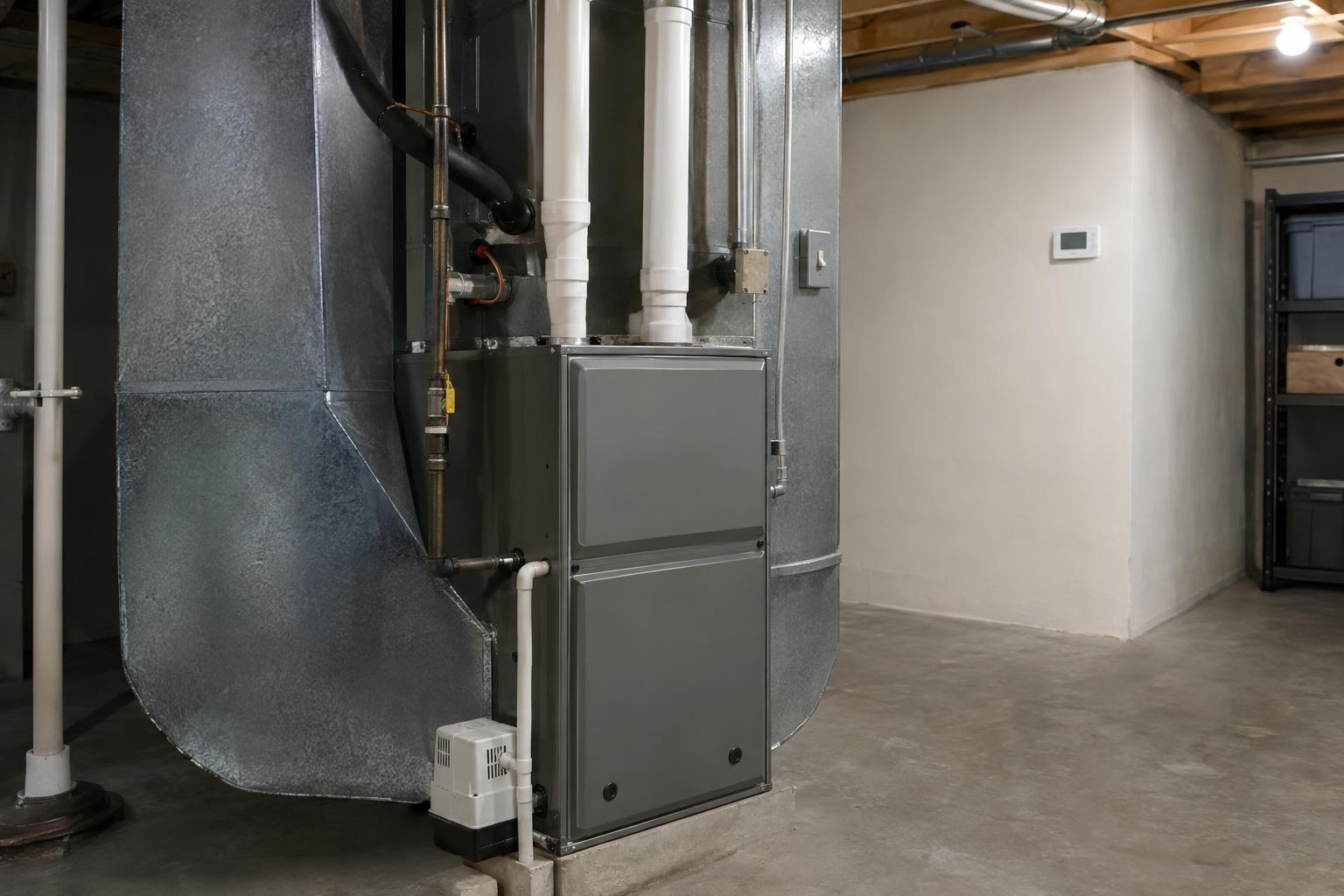


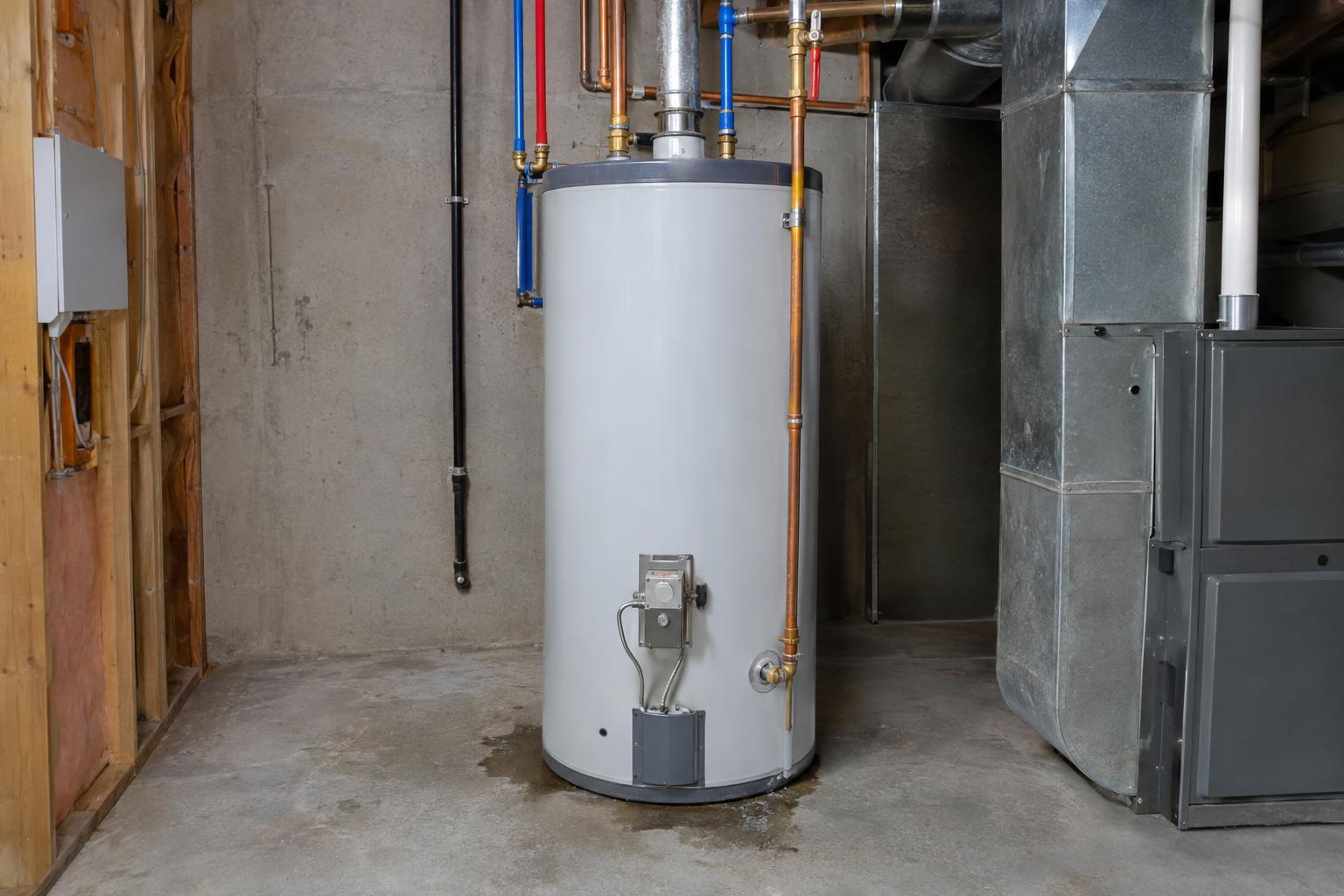
A leaking hot water tank is one of those problems that looks small and rarely stays that way. A damp patch, a slow drip, or a puddle around the base can come from a loose fitting you can see, or from the tank itself. Telling the two apart is the difference between a simple repair and a tank that has reached the end of its life.
For homeowners in Oshawa and across Durham Region, the right first move is to limit the damage, work out where the water is coming from without touching anything unsafe, and then decide whether service or replacement makes sense. This guide covers each step in plain terms.
Limit the Damage First
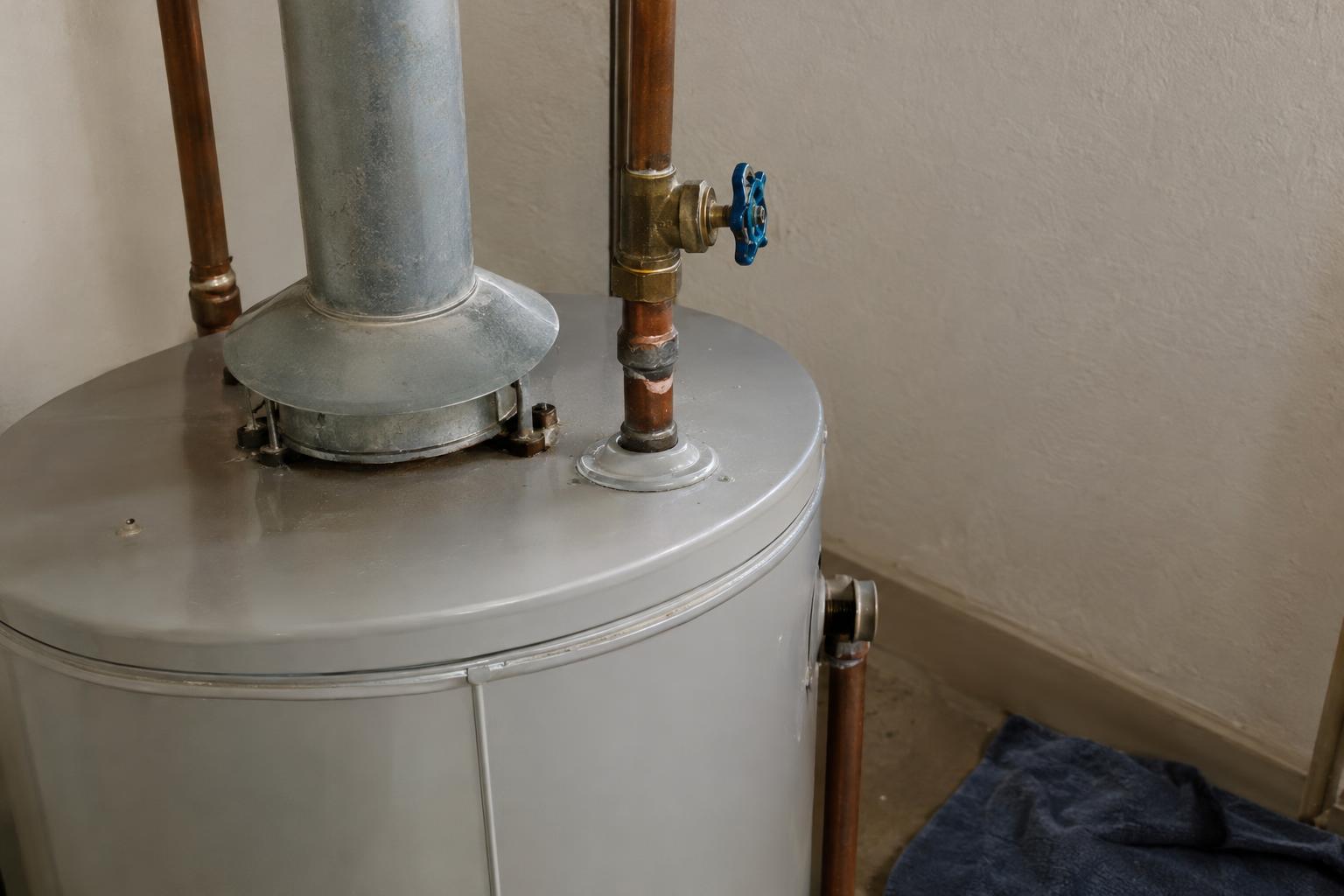
If water is actively leaking, start by shutting off the cold water supply to the tank. The shut-off valve is usually on the pipe entering the top of the tank, and closing it stops water from refilling (a lever sits crosswise to the pipe when closed, while a round handle turns clockwise). Move anything stored nearby out of the way, and use towels or a bucket to control the water.
Turn off the energy source next. For an electric tank, switch off the breaker, but only if the floor around the panel is dry. Never step into standing water near electrical equipment. For a gas tank, do not touch the gas control if it is wet or you smell gas. If it is dry and you can reach it safely, turn it to Off following the manufacturer’s instructions; otherwise leave it and call for service. A tank that runs while it is leaking or empty can damage elements and burners, so shutting it down protects the equipment and the home. Enbridge Gas appliance-safety guidance covers what to do if you smell gas near a fuel-burning appliance.
Find Where the Water Is Actually Coming From
Dry the area around the tank, then watch where the first new drops appear. Water at the top often points to the inlet and outlet connections, the anode rod fitting, or the pipe fittings above the tank. These are often repairable without replacing the whole unit.
Water near the temperature and pressure relief valve, usually on the side or top of the tank with a discharge pipe, may indicate high pressure or temperature rather than a failed tank. Never cap or plug that valve. It is a safety device, and a technician should assess why it is releasing water. Water from the discharge pipe may be scalding hot, so keep clear.
Check for Condensation and Nearby Plumbing
Not every puddle is a leak from the tank. Condensation can form on cold pipes and on high-efficiency units, and water can travel along a pipe from a joint above before dripping near the heater. A leaking washing machine hose, a dehumidifier, or a floor drain backing up can all look like a water heater problem.
Wipe the pipes and the tank jacket dry and check again after an hour. If the water returns from the same point and the surrounding plumbing is dry, the heater or its fittings are the likely source. If the heater itself is the source, Fortis also offers tankless water heater options as an alternative to another storage tank.
A Leak From the Tank Body Usually Means Replacement
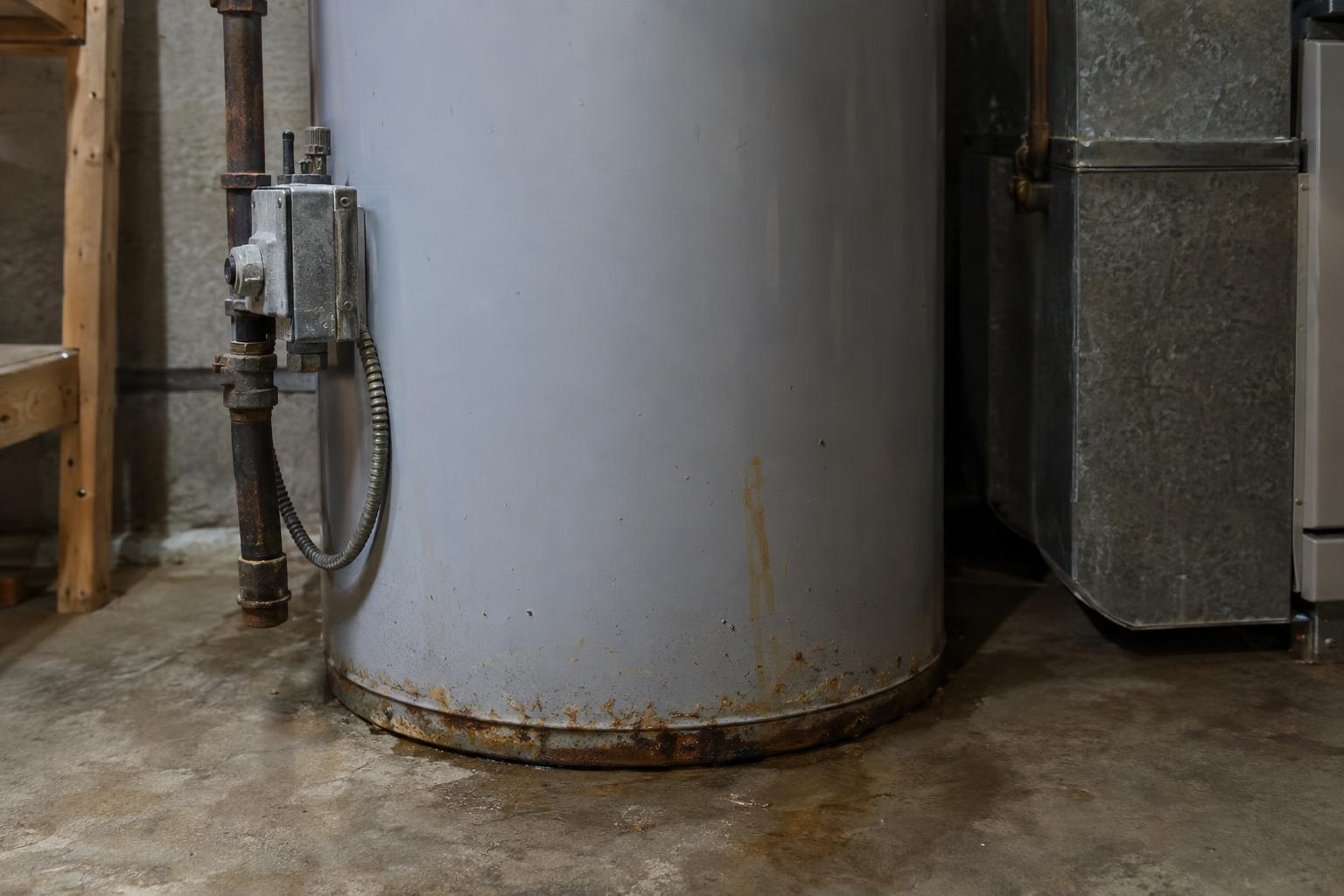
Over the years, sediment and corrosion can wear through the steel tank, and water then seeps from the bottom or seams. Once the tank body itself leaks, repair is rarely practical, because the leak is inside the insulated shell and gets worse with each heating cycle.
Signs of an internal leak include water that appears from the base with no visible fitting above it, rust-coloured streaks, a rumbling or popping sound, or a tank that is many years old. Age matters, so check the label for the manufacture date. A technician can confirm the source and explain the options for a replacement tank.
Why Leaks Often Start With Age and Sediment
Tanks wear from the inside. Minerals settle at the bottom, the anode rod that protects the steel is consumed over time, and the tank is flexed every time it heats and cools. Hard water, high water pressure, and skipped maintenance can speed the process along.
Flushing the tank and checking the anode rod on a regular schedule may extend life, but they cannot reverse corrosion that has already started. If the tank is old and starts leaking, plan for replacement instead of waiting for a larger failure.
Do Not Ignore a Small Drip
A slow drip can feel harmless, but it can damage flooring, drywall, and stored belongings, and it can encourage mould in a damp basement or utility room. Water near a gas or electrical appliance is also a safety concern.
If the drip is from a fitting and the surrounding area is dry, avoid tightening fittings unless the water and power are off, and arrange service soon. Placing a pan or tray under the tank can limit damage in the meantime, but it is not a fix. The goal is to move from a temporary measure to a proper assessment.
What a Technician Will Look At
A technician will typically start by confirming the source of the water, then checking the supply and relief connections, the drain valve, and the condition of the tank itself. They will look at the age of the unit, the water pressure, and signs of corrosion at the base and seams.
From there the options are usually a choice between a fitting or valve that can be repaired and a tank that should be replaced. If replacement is the answer, the discussion turns to the right size for your household, the fuel type, and whether a storage tank or a tankless system better suits your home and your hot water habits. Having the tank label, the approximate age, and a note about when you first saw the water ready makes the visit faster.
It also helps to mention any past repairs, unusual noises, discoloured hot water, or changes in how quickly the water heats. These small details help narrow down whether the leak is an isolated issue or part of a pattern of wear.
Plan Ahead So a Leak Does Not Become an Emergency
Know where the water shut-off and the heater’s energy shut-off are, and make sure everyone in the home can find them. Keep the area around the tank clear and consider a floor drain or a leak alarm in a finished basement. If your tank is approaching the end of its expected life, a planned replacement is usually less disruptive than an emergency.
Fortis installs and services hot water tanks for Durham Region homes, and you can compare options on our hot water tank service page before you need it.
Frequently Asked Questions About a Leaking Hot Water Tank
Is a leaking hot water tank dangerous?
It can be. Water near electrical or gas components is a safety concern, and a relief valve that discharges may signal excess pressure or temperature. Shut off the water and energy supply and request service.
Can a leaking hot water tank be repaired?
A leak from a fitting, valve, or connection can sometimes be repaired. A leak from the tank body generally means the tank needs to be replaced.
How can I tell if the leak is from the tank or the pipes?
Dry everything and watch where new water appears. Drops at a fitting or pipe point to plumbing, while water from the base with no source above suggests the tank.
Should I drain a leaking tank myself?
Do not drain a leaking tank yourself, because the water can scald. Turn off the supply and energy and let a technician handle it.
Request Hot Water Tank Service in Oshawa
If your hot water tank is leaking, shut off the water and power, then contact Fortis Heating & Air Conditioning to assess the cause and the options. Visit our hot water tank page, contact Fortis, or call (289) 688-4822 to arrange service across Oshawa and Durham Region.