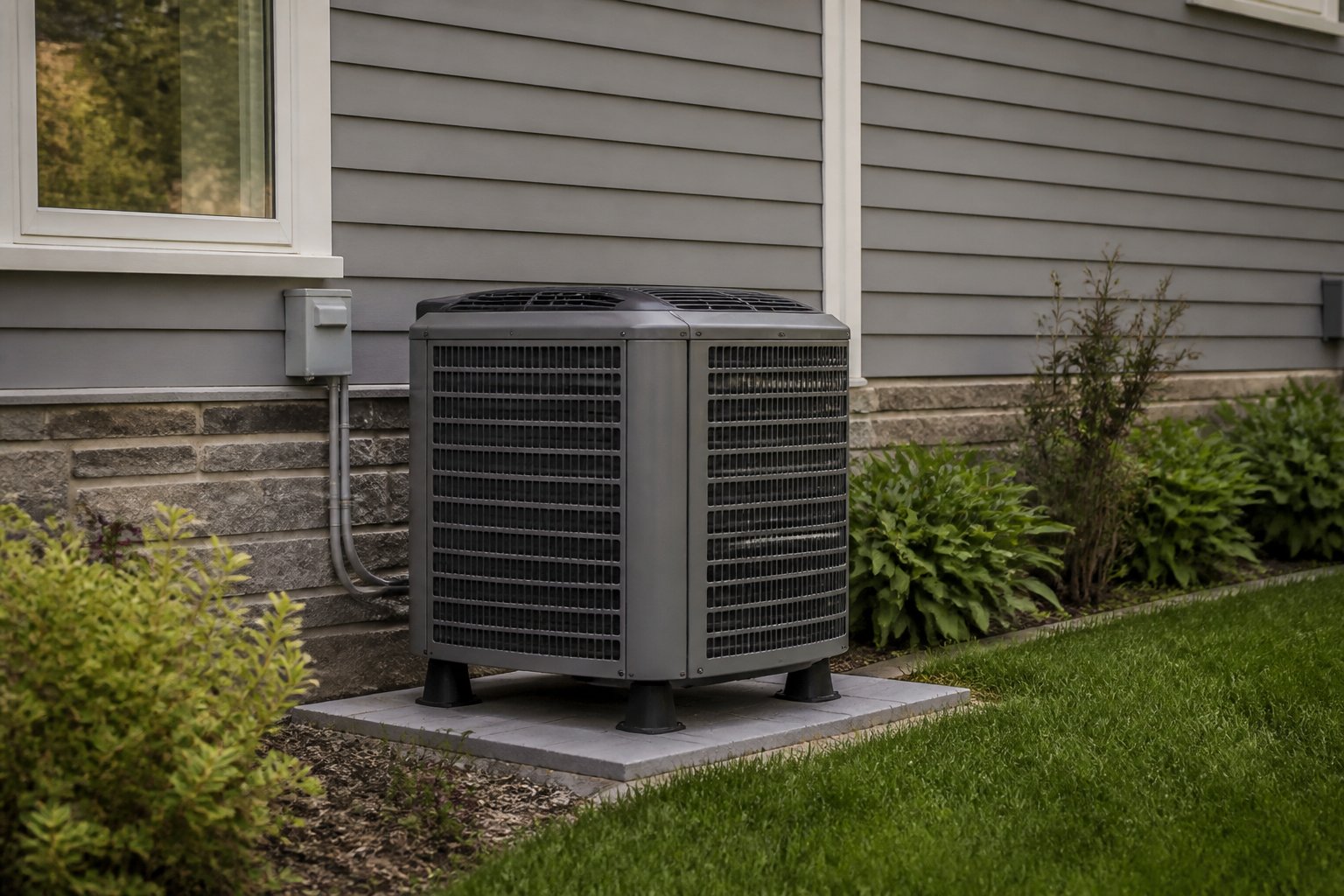



The HVAC system is in charge of regulating the temperature and air quality of your house or workplace to ensure a comfortable atmosphere. However, like any other mechanical system, it requires regular maintenance to operate at its best. If you don’t take care of your HVAC system, it can need expensive repairs or perhaps break down completely.
Some of the typical indications that your HVAC system requires maintenance will be covered in this article.
Unusual Noises

If you hear unusual noises from your HVAC system, it means that there is a problem that requires your attention. Some of the common noises include grinding, squealing, banging, or rattling.
These noises can be caused by loose components, worn-out parts, or a malfunctioning motor. If you ignore these sounds, it can lead to further damage to the system, resulting in costly repairs.
It helps to know what each sound tends to mean. A metallic grinding usually points to worn motor bearings; a high squeal can be a slipping or aging blower belt on older systems; a rhythmic banging often signals a loose or unbalanced blower wheel; and a rattle is frequently something simple, like a loose access panel or debris caught in the outdoor unit. Take note of when the noise happens — only at start-up and shut-down, or the whole time the system runs — and whether it comes from the indoor equipment or the outdoor condenser. That small bit of detective work helps a technician zero in on the cause quickly, and it lets you decide how urgent the visit is.
Poor Airflow
If you notice that your HVAC system is not heating or cooling your home as effectively as it used to, it may be due to poor airflow. If the air filter is clogged, ductwork is blocked, or the blower motor is not working properly, there can be a lack of proper airflow.
If you do not address this issue, it can cause your HVAC system to work harder than it needs to, leading to higher energy bills.
The first thing to rule out is the filter, since it’s the most common airflow culprit and the easiest to fix. Slide it out and hold it up to a light — if you can’t see through it, replace it. From there, walk the house and make sure supply registers and cold-air returns aren’t blocked by furniture, drapes, or rugs, because covering even a couple of returns can starve the whole system. When a technician investigates persistent weak airflow, they’ll measure the static pressure in the ducts (essentially the “blood pressure” of your HVAC system), inspect the blower wheel for a coating of dust that throws it off balance, and look for disconnected or crushed duct runs in the basement or attic. Restoring proper airflow doesn’t just improve comfort — it takes strain off the motor and lowers your running costs.
Strange Odours

If you detect an unusual smell emanating from your HVAC system, it may suggest a significant issue. Some of the common smells include a musty odour, which can be caused by mould growth in the ductwork, or a burning smell, which can indicate a faulty electrical component.
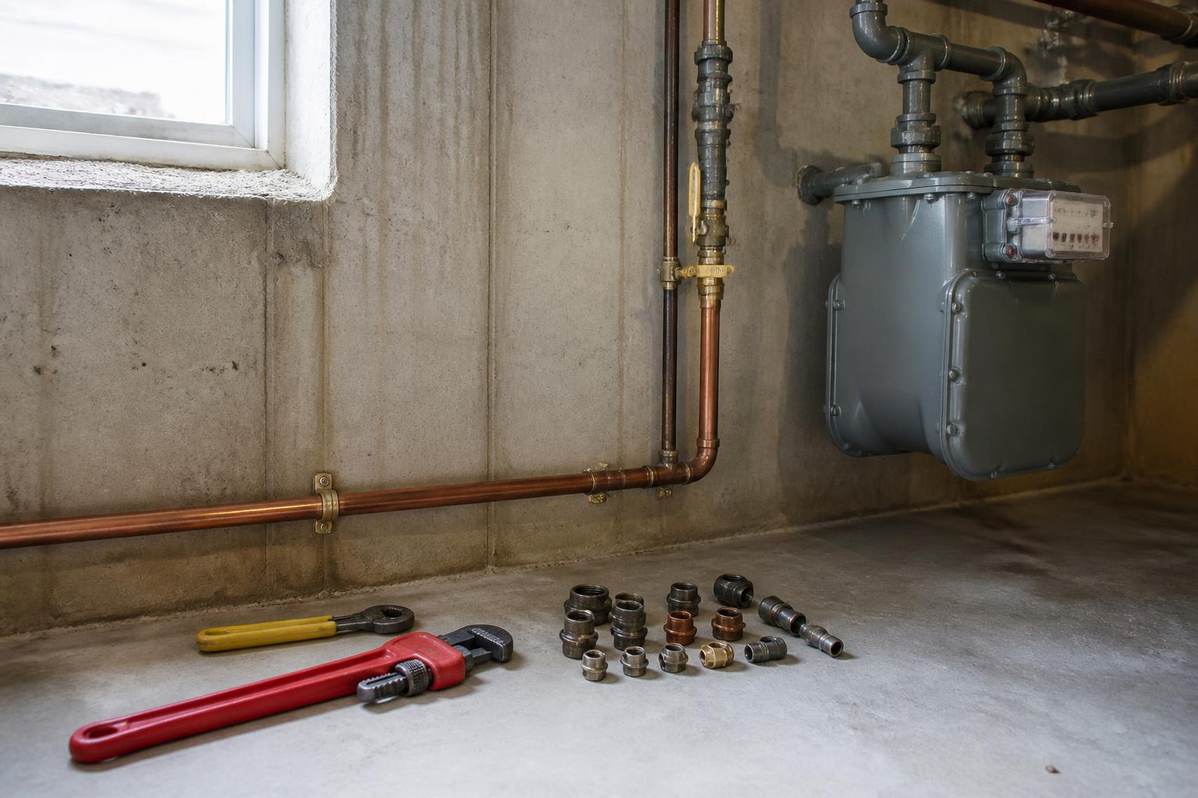
Each odour tells its own story. A musty, damp smell that appears when the AC runs often traces back to moisture and mould on the evaporator coil or in the drain pan — sometimes called “dirty sock syndrome” — and it’s a signal the coil needs cleaning and the condensate line needs clearing. A sharp, electrical or burning-plastic smell means you should shut the system off and call for service, because it can indicate an overheating motor or wiring. And if you ever smell gas — a rotten-egg odour near a furnace or gas fireplace — leave the area and treat it as an emergency; gas work in Ontario must be handled by a TSSA-licensed gas fitter, never a DIY fix.
If you smell gas, it is a sign of a gas leak, which can be dangerous and requires immediate attention.
High Energy Bills
Your HVAC system may not be operating effectively if you see a significant rise in your energy costs. A soiled air filter, congested ducting, or a broken component could be to blame for this.
By addressing these issues, you can lower your energy bills and improve the performance of your HVAC system.
Poor Air Quality
If you or your family members suffer from allergies or respiratory problems, poor air quality can worsen their symptoms. Poor air quality can be caused by a dirty air filter, mould growth, or a malfunctioning air purifier.
By addressing these issues, you can improve the air quality in your home or office and reduce the risk of health problems.
Short Cycling
If your HVAC system is turning on and off frequently, it is a sign of short cycling. A broken thermostat, a clogged air filter, or a defective component could be to blame for this. Your HVAC system may wear down more quickly as a result of short cycling, which could result in expensive repairs or total failure.
Uneven Temperature
If you notice that certain rooms in your home or office are significantly warmer or cooler than others, it can be a sign of an HVAC system problem.
Uneven temperature can be caused by a malfunctioning thermostat, blocked ductwork, or a faulty component. This can cause discomfort and inconvenience for you and your family members or employees.
Age of the System
If your system is more than ten to fifteen years old, it may be time to consider a replacement. Older systems are more prone to breakdowns and require more frequent repairs.
Investing in a new, energy-efficient HVAC system can save you money on energy bills and provide you with better comfort and air quality. An HVAC expert can assist you in determining whether it is necessary to replace your equipment.
What a Professional Tune-Up Actually Includes
Many of the warning signs above can be headed off entirely with a seasonal tune-up, so it helps to know what that visit involves — it’s far more than a quick glance. On the cooling side, a technician cleans the evaporator and outdoor condenser coils, checks refrigerant pressures against the manufacturer’s target, flushes the condensate drain, tests the capacitor and contactor, tightens electrical connections, and confirms the temperature drop across the coil is where it should be. On the heating side, the furnace inspection covers the burners and flame pattern, the heat exchanger (a cracked one is a safety concern), the ignition system, and the venting — combustion and gas components that fall under the care of a licensed technician.
Timing matters in the Durham Region, where the swing from humid summers to hard winters puts real stress on equipment. The practical rhythm is two visits a year: the air conditioner in spring before the first heat wave, and the furnace in fall before you rely on it. Homeowners in Oshawa’s Donevan area and other established neighbourhoods often run furnaces that have quietly served for a decade or more, and a fall inspection is exactly what keeps those systems safe and dependable through a cold January. Catching a worn part in the shoulder season is always cheaper — and far less stressful — than an emergency call in the middle of a deep freeze.
Conclusion
Your home or office’s HVAC system is crucial and needs consistent upkeep to perform at its optimal level. By paying attention to the signs mentioned above, you can detect issues early and avoid costly repairs.
It is crucial to get in touch with a qualified HVAC specialist to assess and fix the problem if you observe any of these symptoms. With proper maintenance, your HVAC system can provide you with years of reliable service and comfort.
Caught One of These Warning Signs at Home?
If your system is making new noises, pushing weak airflow, or costing more to run than it used to, those are exactly the moments to have it checked before a small issue becomes a breakdown. Our licensed technicians can inspect the whole system, explain what they find in plain language, and get it running dependably again with trusted HVAC maintenance service in Oshawa. Call Fortis Heating & Air Conditioning at (289) 688-4822 or book a visit online to get ahead of it.
Serving Durham Region: Fortis keeps home comfort systems running smoothly from Oshawa, Whitby, Ajax and Pickering all the way east to Bowmanville, Newcastle, Cobourg and Port Hope.
Maintenance & Safety Resources
Reputable resources on HVAC upkeep and home safety:
Frequently Asked Questions
What HVAC services does Fortis Heating offer in Oshawa?
From furnaces and air conditioners to heat pumps, custom ductwork, gas fireplaces, gas line installation, hot water tanks, and tankless water heaters, Fortis handles the full spectrum of home HVAC. Our licensed technicians stand behind their workmanship on every visit, serving Oshawa, Whitby, Ajax, Pickering, Bowmanville and communities right across the Durham Region.
How do I know if my HVAC system needs professional service?
Your system may be asking for attention if you hear odd noises, feel uneven heating or cooling, see energy bills climbing, notice frequent cycling or poor airflow, catch a strange smell, or know the unit is over 10-15 years old. Any of these calls for a licensed technician’s inspection.
How often should I have my HVAC system professionally maintained?
Twice a year is the ideal rhythm in our climate — the air conditioner serviced in spring and the furnace in fall — so each system is checked before the season it works hardest. Between visits, changing the filter every one to three months and keeping vents and the outdoor unit clear does a lot of the day-to-day work of preventing problems.
Can I do any HVAC maintenance myself, or does it all need a technician?
Homeowners can safely handle the basics: replacing filters, keeping supply and return vents unobstructed, gently rinsing the outdoor condenser, and making sure the condensate drain isn’t backing up. Anything involving refrigerant, electrical components, or the gas side of a furnace or fireplace should be left to a licensed technician — those tasks carry real safety and code requirements.
Are rebates or incentives available for high-efficiency HVAC upgrades?
Sometimes. Rebates and incentives for high-efficiency furnaces, heat pumps, and smart thermostats do come and go through federal, provincial, and local utility programs, and the details change from year to year — some programs pause, close, or are replaced. Rather than rely on a figure you read online, ask us what is actually available when you are ready to upgrade. We stay current on the programs that apply in the Durham Region and can point you toward equipment that qualifies.