

Gas line installation cost in Oshawa depends on more than just how far the pipe has to run. What the line connects to, whether it is new construction or a retrofit through finished walls, and who is legally allowed to do the work all affect the final price. This guide walks through the factors that move gas line installation cost up or down, so you know what to ask before booking a quote.
One point matters more than any single cost factor: in Ontario, gas line work has to be performed by a licensed gas technician. That requirement shapes both the safety of the installation and how quotes should be compared.
Why Only a Licensed Technician Can Quote and Install a Gas Line
The Technical Standards and Safety Authority (TSSA) registers and certifies the contractors and technicians permitted to install, extend, or modify gas piping in Ontario. That is not just a formality: a licensed technician is trained to size the line correctly for the appliance’s demand, pressure-test the run for leaks, and sign off on work that a home inspector or insurance provider may later ask to verify. Any quote for gas line installation should come from a technician who can confirm this registration.
What the Gas Line Is Connecting To
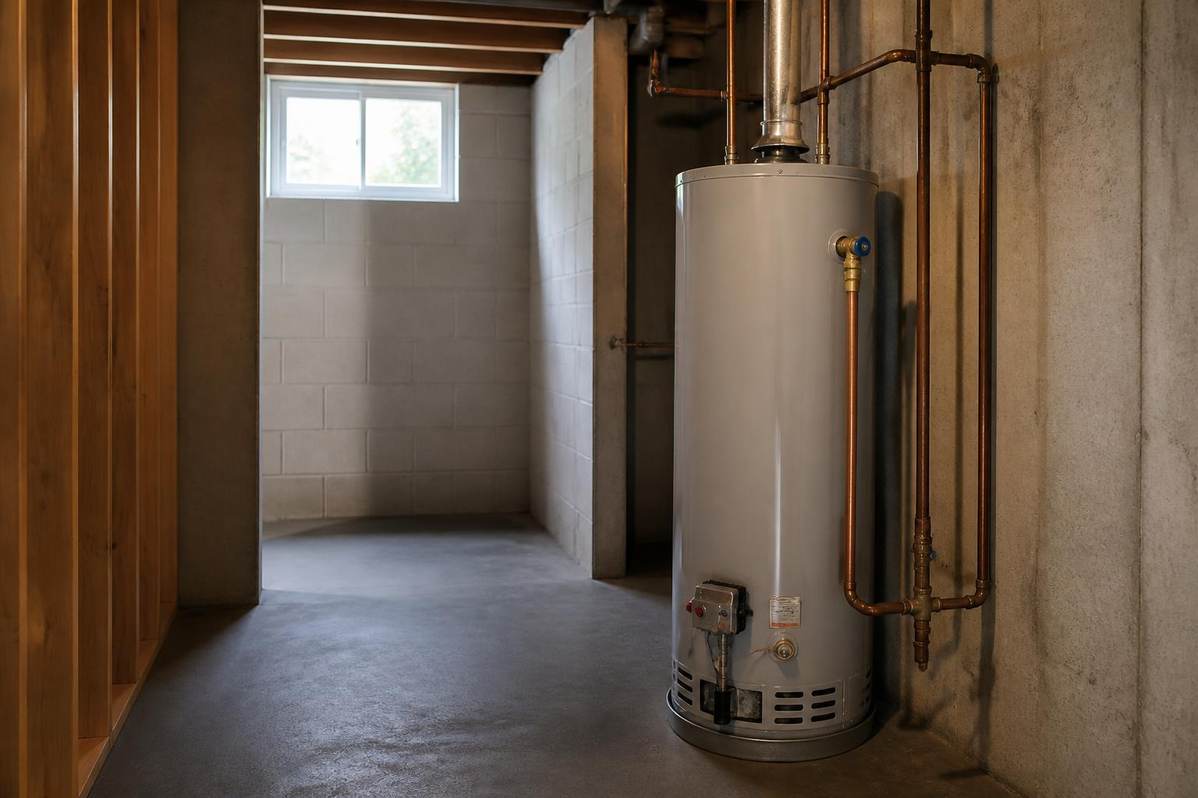
A line running to a single appliance, such as a gas range or a gas dryer, is generally a smaller job than a line sized to support a furnace, a whole-home generator, or an outdoor kitchen with multiple burners. Each appliance has its own gas demand, measured in BTUs, and the line has to be sized to deliver enough volume at the right pressure. Connecting several appliances to the same run, or adding a high-demand appliance like a pool heater, can require a larger supply line from the meter, which adds materials and labour.
Run Length and Routing
A short run from an existing gas line to a nearby appliance costs less than a long run that has to cross the length of a basement, go up through a wall, or reach an exterior location such as a patio or garage. Routing through finished spaces, tight joist bays, or around existing plumbing and electrical can add time even when the straight-line distance is short.
New Construction vs. Retrofit Installation
Running a gas line during new construction or a full renovation, while walls and floors are still open, is typically more straightforward than retrofitting a line into a finished home. A retrofit often means opening drywall, routing around existing framing, and patching afterward, all of which add cost that a new-build installation avoids.
Outdoor and Detached Structure Runs
Extending a gas line outdoors, for an outdoor kitchen, fire feature, or a detached garage, generally costs more than an equivalent indoor run. Outdoor lines need to be buried at the correct depth, protected from physical damage, and may require trenching through landscaping, hardscaping, or a driveway, all of which add labour and materials beyond the pipe itself.
Permits and Inspection Requirements
Depending on the scope of work, gas line installation may involve municipal permits, TSSA notification, or inspection requirements tied to the specific appliance and installation type. A licensed technician handles this as part of the job and should confirm what applies to your specific project before work begins, rather than leaving it for the homeowner to research separately.
Materials: Black Pipe or CSST
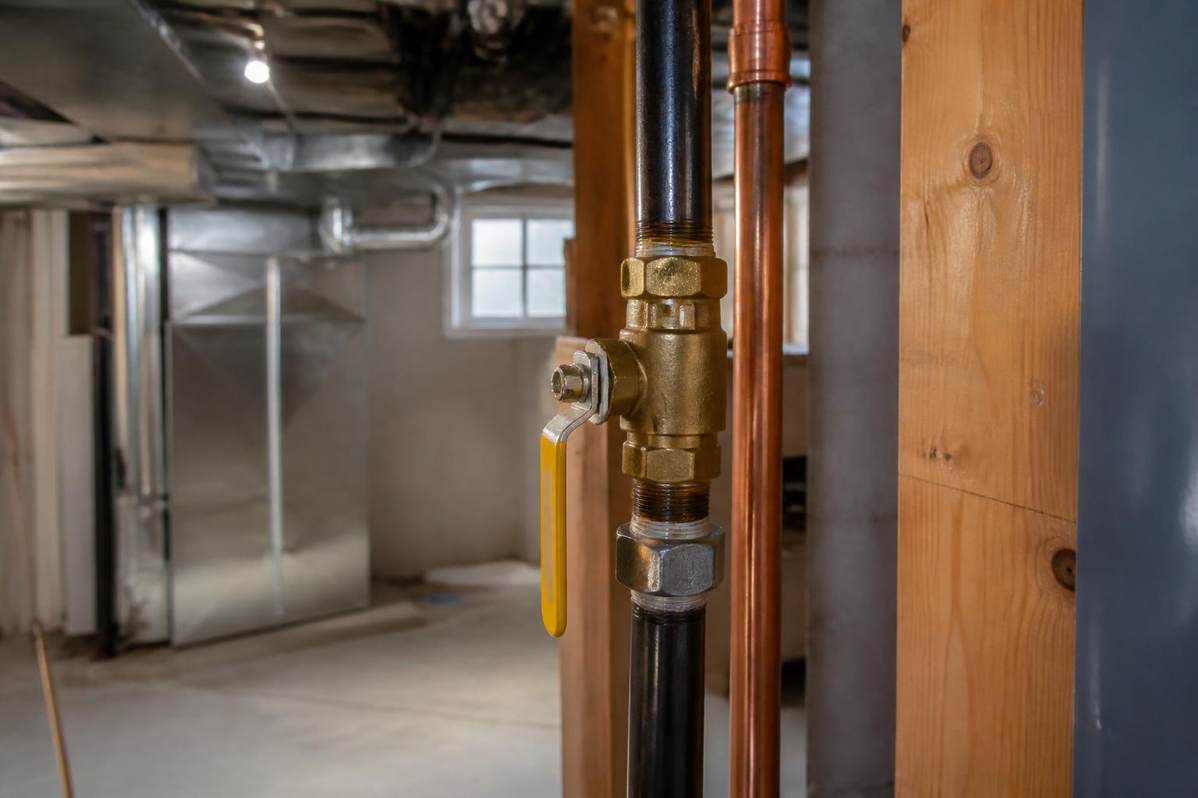
Gas lines are typically run in black steel pipe or corrugated stainless steel tubing (CSST), depending on the routing and local code requirements. Material choice affects both the cost of supplies and how quickly a technician can route the line through an existing structure, particularly on retrofit jobs where flexibility around obstacles matters.
Access and Existing Home Layout
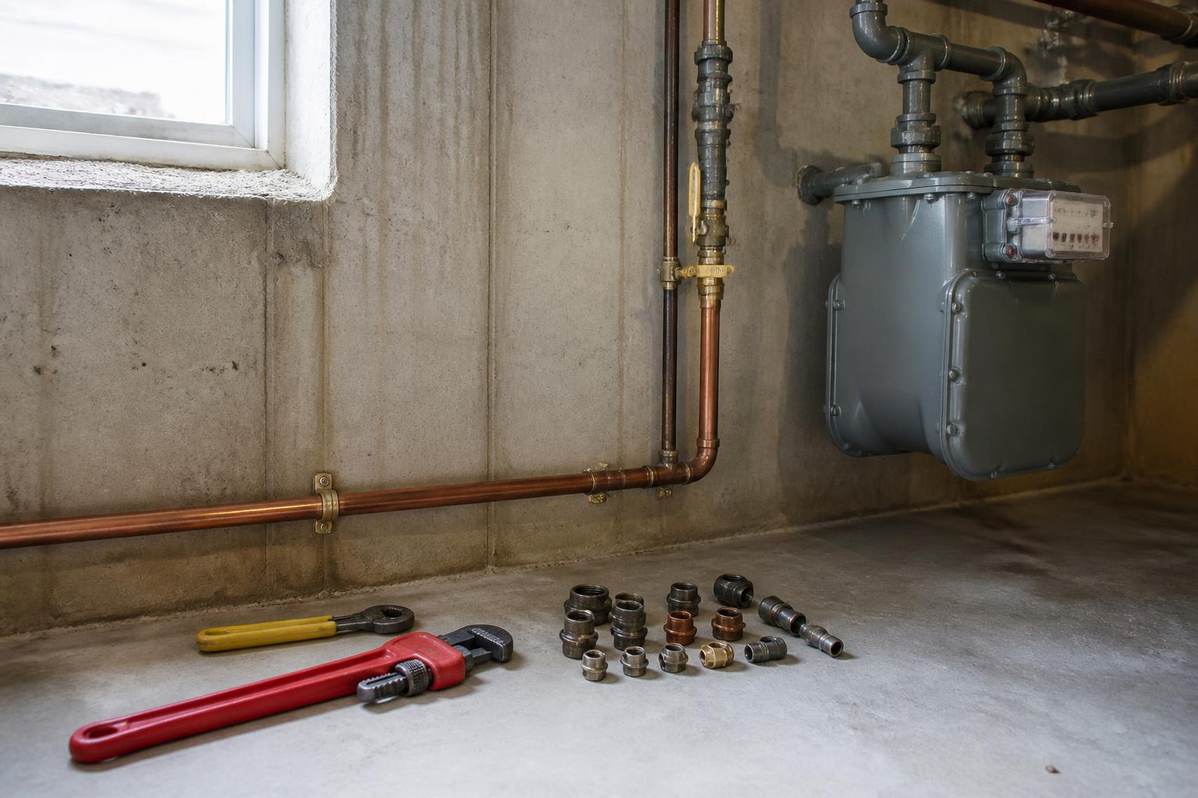
Where the gas meter sits relative to the appliance being connected has a real effect on cost. A meter on the opposite side of the house from a new gas range, for example, means a longer run through more of the home’s structure than a meter located near the kitchen or utility room. Homes with finished basements, hardwood flooring, or tiled walls along the planned route generally cost more to work around than homes with open, unfinished mechanical spaces, since the technician has to protect and later patch those finished surfaces.
Seasonal Timing and Scheduling
Booking gas line work well ahead of a planned appliance installation, rather than after equipment has already arrived, generally gives a technician more flexibility to schedule the job and source any specialty fittings the run requires. Homeowners adding a gas fireplace or an outdoor kitchen before a specific season, such as before winter or before patio season, should plan the gas line step early enough that routing surprises do not delay the larger project.
What a Fair, Written Gas Line Quote Should Include
Before agreeing to a gas line installation, a written quote should spell out:
- Confirmation of TSSA registration and the technician’s certification level
- The appliance(s) the line will serve and the BTU capacity it is sized for
- Materials being used and the planned routing
- Whether patching or repair of walls, floors, or landscaping is included
- Pressure-testing and any permit or inspection steps included in the price
A lower quote that leaves out testing, permits, or patching can end up costing more once those items are added separately.
Pairing a New Gas Line With the Right Appliance Installation
Many gas line jobs are really the first step in a larger project, such as adding a gas fireplace, connecting a new furnace, or setting up an outdoor kitchen. Planning the gas line and the appliance installation together, rather than as two separate projects, often avoids paying twice for access or routing work that overlaps.
Ongoing Safety Once the Line Is Installed
A properly installed and tested gas line still benefits from periodic inspection, particularly if you smell gas, notice a pilot light behaving differently, or are preparing an appliance for seasonal use. Pairing a gas safety check with your annual HVAC maintenance visit is a practical way to keep gas-fired equipment on the same seasonal schedule as the rest of your home’s heating and cooling system.
Frequently Asked Questions
Can I install or extend a gas line myself?
No. In Ontario, gas line installation, extension, and modification must be performed by a technician registered and certified through the Technical Standards and Safety Authority. This applies to any new branch, extension, or appliance connection, not just full installations.
Does gas line installation cost depend on the appliance being connected?
Yes. The line has to be sized for the specific appliance’s BTU demand, so a line for a small appliance like a gas dryer is typically less involved than one sized for a furnace, generator, or multiple outdoor appliances.
Is running a gas line outdoors more expensive than indoors?
Generally yes, because outdoor lines need to be buried at the correct depth and protected from damage, which often involves trenching through landscaping or hardscaping that an indoor run does not require.
Do I need a permit for gas line work?
It depends on the scope of the project and the appliance involved. A licensed technician should confirm what permits or inspections apply to your specific installation before the work begins.
Get a Gas Line Installation Quote in Oshawa and Durham Region
Whether you are adding a gas fireplace, connecting a new appliance, or extending service to an outdoor space, Fortis Heating & Air Conditioning provides licensed gas line installation across Oshawa and Durham Region. Call (289) 688-4822 or request an in-home quote to get a scope-specific estimate for your project.