

A new hot water tank rarely costs the same for two different Oshawa homes, which surprises homeowners expecting one flat number. The tank itself is only part of the price. Size, fuel type, efficiency tier, venting, and how the old unit needs to come out all move the total before a technician arrives.
Rather than quote a figure that would be wrong for most households, this guide walks through what actually drives hot water tank replacement cost in Durham Region, so you know what to ask and what a fair, written quote should include.
Why Hot Water Tank Replacement Cost Varies So Much
A like-for-like swap in a home with easy basement access and an existing gas line is a very different job from a replacement that also needs new venting, a larger gas line, or electrical work. Age of the home, whether the old tank was undersized for the household, and how tight the mechanical room is all affect labour time, and none of that shows up when comparing a model number online.
Tank Size and Your Household’s Hot Water Demand
Tank capacity is measured in gallons, and the right size depends on the number of people in the home, the number of bathrooms, and peak usage such as back-to-back showers or a large soaking tub. An undersized tank runs out of hot water at the worst moments, while an oversized tank costs more to buy and to run. A technician sizing the replacement correctly, rather than defaulting to the same size as the old unit, is one of the biggest factors in getting the right equipment for the price.
Gas vs. Electric: Fuel Type Affects Both Equipment and Installation
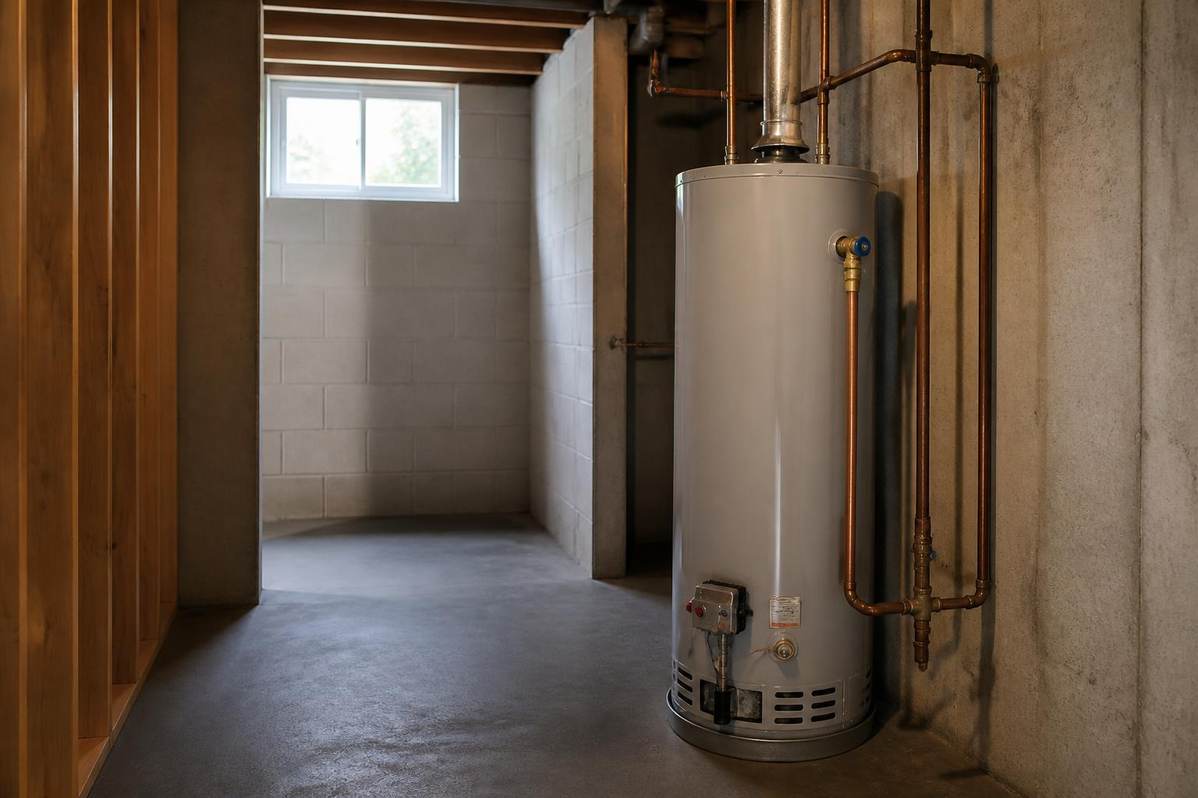
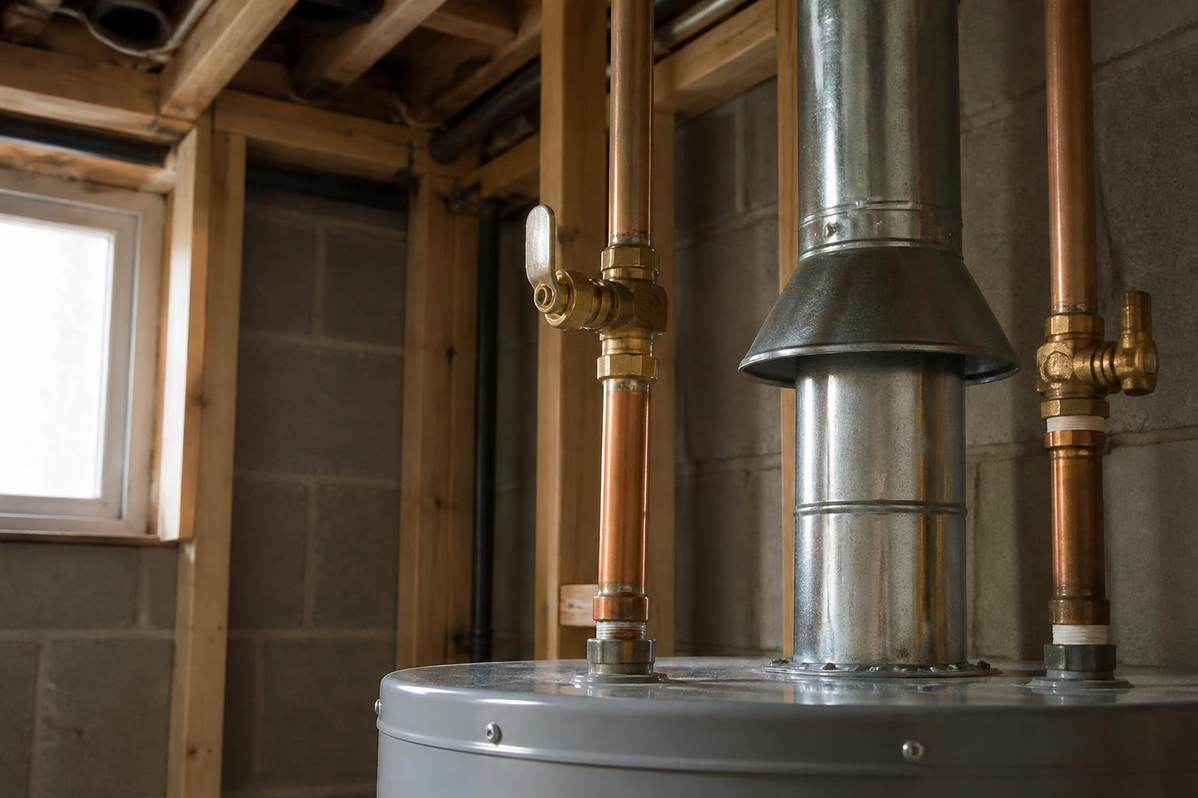
Fortis Heating & Air Conditioning installs and services hot water tanks for Durham Region homes. A gas tank generally recovers hot water faster and can cost less to operate where natural gas service already reaches the home, but it needs proper venting and a gas line connection. An electric tank skips the venting question but depends on the home’s electrical capacity. Switching fuel types during a replacement, rather than a straight swap, is one of the situations most likely to add cost beyond the base equipment price.
Efficiency Tier and Long-Term Operating Cost
Storage-tank water heaters carry an efficiency rating that affects both the upfront price and the ongoing gas or electricity bill. Natural Resources Canada’s list of ENERGY STAR certified storage-tank water heaters is a useful reference point when comparing a standard model against a higher-efficiency option, since a more efficient tank typically costs more to buy but less to run over its service life. Whether that tradeoff makes sense depends on household hot water use and how long you plan to stay in the home.
Venting, Gas Line, and Installation Complexity
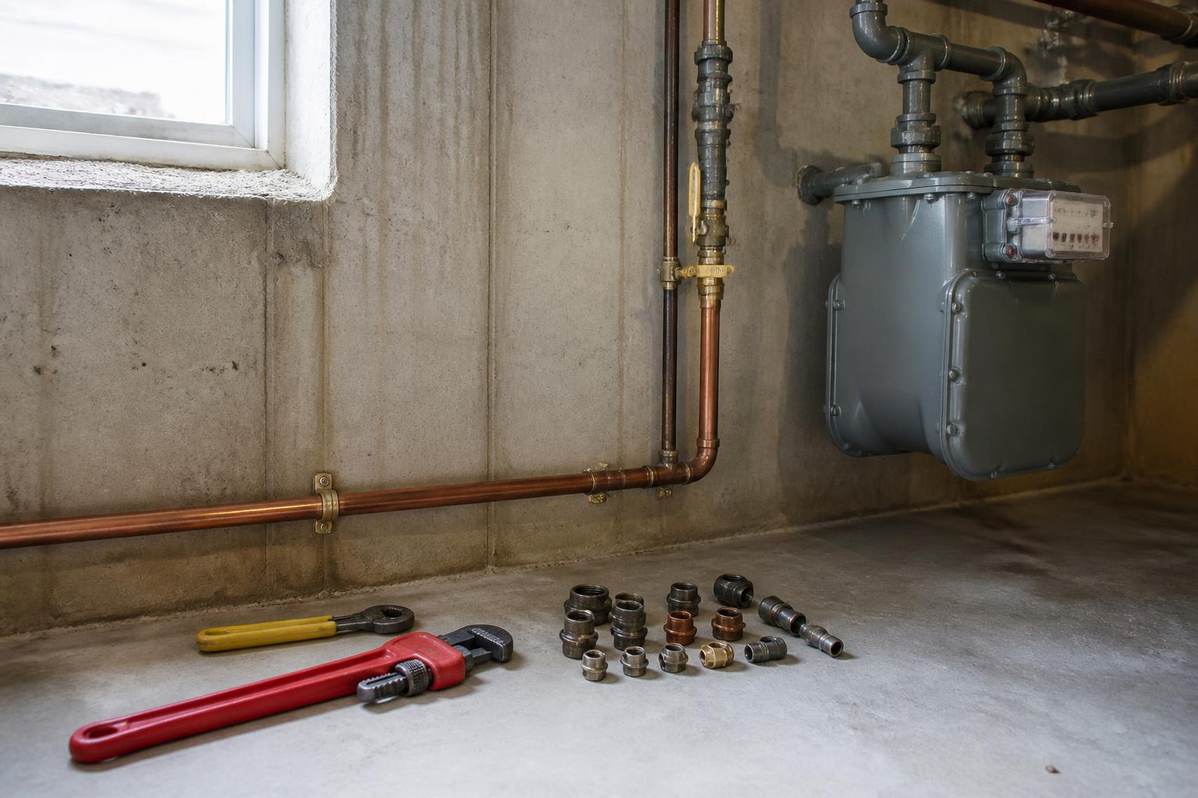
If the tank is switching fuel types, moving location, or upsizing enough to need a larger gas connection, the job can involve gas line work that has to be completed by a licensed technician. Existing venting that no longer meets current clearance requirements, or a mechanical room with tight access, can also add labour time. None of this means something is being oversold; it is usually the difference between a tank that vents and drains correctly for its full lifespan and one that was forced into a space it does not fit well.
Removing the Old Tank and Site Conditions
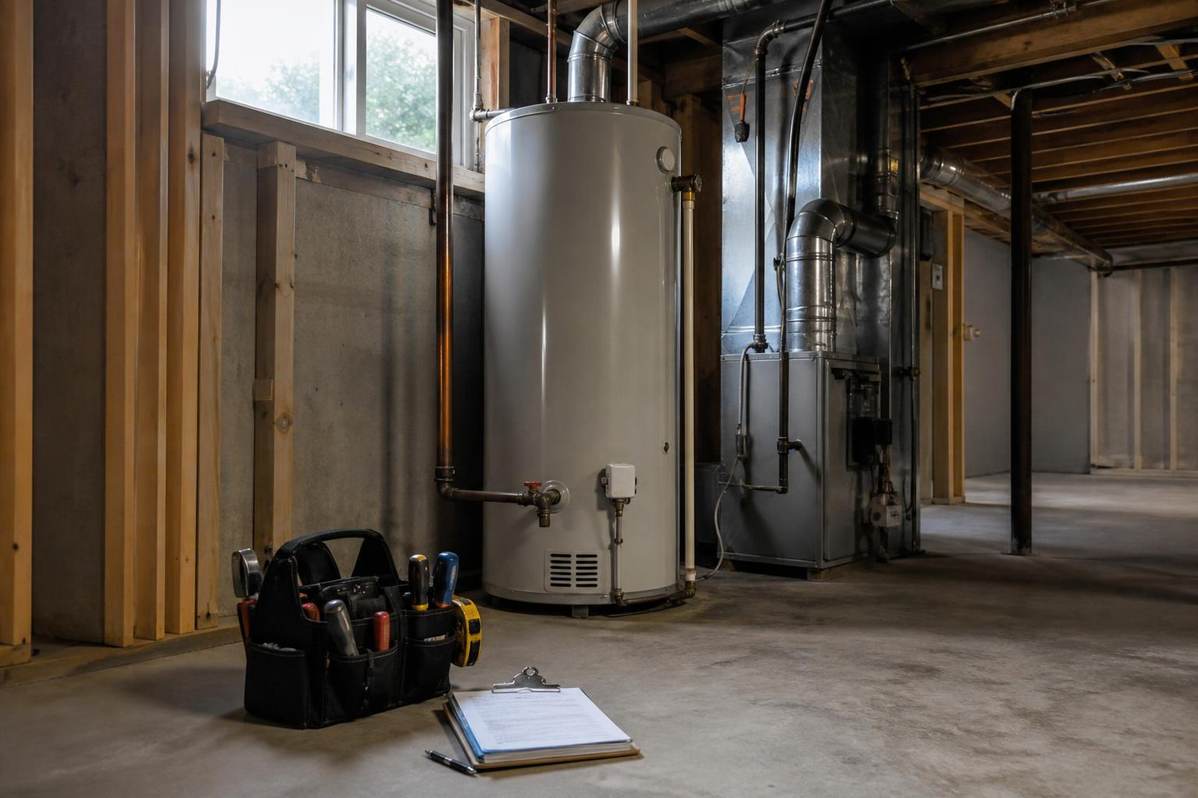
Disposal of the old tank, draining a unit that has been in place for years, tight basement or closet access, and protecting finished spaces during the swap can all add labour time. A technician who sees the space in person before quoting will usually catch these details; a number given over the phone without seeing the mechanical room often will not.
Warranty Coverage and What It Requires
Hot water tanks typically come with manufacturer warranty coverage on the tank and components, and that coverage usually depends on professional installation and, in some cases, on keeping up with basic maintenance such as annual flushing. It is worth asking exactly what a warranty covers, for how long, and what could void it before comparing two quotes on price alone.
Signs Your Current Tank Is Near the End of Its Life
Most residential hot water tanks last roughly 8 to 12 years depending on the model, local water quality, and how consistently they have been maintained. Rusty hot water, a tank that is noisy or leaking, or hot water that runs out faster than it used to are all reasons to start planning for a replacement before it fails outright. Planning ahead, rather than replacing a tank that has already burst, generally means more time to compare fuel types, sizes, and quotes.
What a Fair, Written Hot Water Tank Quote Should Include
Before agreeing to a replacement, a written quote should spell out:
- The exact make, model, capacity, and fuel type being installed
- Whether venting, gas line, or electrical modifications are included or billed separately
- Removal and disposal of the old tank
- Manufacturer warranty terms and what professional installation covers
- Whether a temperature setting adjustment and initial flush are included
A quote missing several of these items is harder to compare fairly against a more detailed one, even when the bottom-line number looks lower.
Comparing Quotes Without Comparing Different Jobs
Two quotes with very different totals often are not pricing the same scope of work. One installer may be quoting a base-tier tank with no venting changes, while another is pricing a higher-efficiency model that also corrects an undersized gas line. Line up each quote against the same checklist: tank size, efficiency tier, what venting or gas work is included, disposal of the old unit, and warranty terms, before deciding on price alone.
Protecting the Investment After Installation
A correctly sized, professionally installed tank still needs basic upkeep to reach its expected lifespan. Manufacturer guidance generally recommends an annual flush to reduce sediment buildup and keeping the thermostat around 120°F, which supports both safety and efficiency. Pairing that with an annual HVAC maintenance visit keeps the rest of the home’s heating and cooling equipment on the same seasonal schedule.
Frequently Asked Questions
Is a bigger hot water tank always the safer choice?
Not necessarily. An oversized tank costs more to buy and run, while an undersized one runs out of hot water during peak use. Sizing based on household size and typical usage patterns is more reliable than matching the old tank’s capacity by default.
Can I switch from an electric tank to a gas tank during replacement?
Often, yes, but it usually requires a licensed technician to run or extend a gas line and add proper venting, which adds cost beyond a straight swap. An in-home assessment can confirm whether your home is a good candidate.
How long does a hot water tank replacement typically take?
A straightforward like-for-like swap in an accessible mechanical room is often completed in a few hours. Jobs that involve new venting, a gas line change, or electrical work can take longer.
Should I replace my hot water tank before it fails completely?
Replacing an aging tank on your own schedule generally gives you more time to compare fuel types, efficiency tiers, and quotes than an emergency replacement after a leak or failure.
Get an Accurate Hot Water Tank Replacement Quote in Oshawa and Durham Region
If your hot water tank is aging, underperforming, or showing warning signs, Fortis Heating & Air Conditioning provides in-home hot water tank replacement quotes across Oshawa and Durham Region, and can also walk you through tankless water heater options if a tank-free system fits your household better. Call (289) 688-4822 or request an in-home quote to get a sizing recommendation and a detailed, written estimate for your home.