


Regular maintenance of your air conditioning system is important for ensuring that you stay cool and comfortable, especially during the warm months. Neglecting routine check-ups can lead to various issues, making it less effective and more costly in the long run. When your AC isn’t running smoothly, it might not just mean discomfort but also potentially higher energy bills and unexpected repair costs. For folks in Oshawa and Cobourg, understanding how to take care of their cooling systems is key to avoiding these headaches.
Focusing on common maintenance issues helps prevent most problems from cropping up. If you’re aware of what can go wrong, it becomes easier to keep your unit in great working condition. Let’s dive into some of the most common problems air conditioners face and what you can do to prevent them. This way, when the sun is blazing, you know you’ll have a reliable AC ready to keep the heat at bay.
Common Issues to Watch For

Air conditioners can develop a variety of problems over time, often causing them to work less effectively. Here are some of the most frequent issues you might encounter:
– Clogged Filters: Dust and debris easily get trapped in your filters. When filters are clogged, airflow is restricted, which makes the unit work harder and use more energy. Regularly checking and replacing filters ensures that air flows smoothly and your home stays cool.
– Refrigerant Leaks: The refrigerant is what cools the air. If there’s a leak, your AC might not cool as it should. Detecting a leak early saves you from bigger problems like overworked compressors, which can lead to costly repairs.
– Thermostat Issues: Sometimes the problem isn’t with the AC unit but with the thermostat. If your home isn’t cooling like you expect, it could be a result of incorrect settings or a malfunctioning thermostat. This is a common yet often overlooked issue.
Each of these problems can lessen your unit’s efficiency and reliability. If ignored, they can lead to a cycle of sporadic repairs and unsatisfactory cooling performance. Knowing these issues helps you maintain a comfortable environment at home with less hassle and expense.
Preventive Measures and Regular Checks
Keeping your air conditioner in tip-top shape doesn’t have to be a chore. By incorporating a few simple routines, you can ensure your AC unit runs efficiently and avoids common pitfalls. One of the easiest tasks you can tackle is checking and replacing filters. Clean filters reduce the workload on the system and help maintain good airflow. Aim to inspect these monthly, especially during peak use in summer.
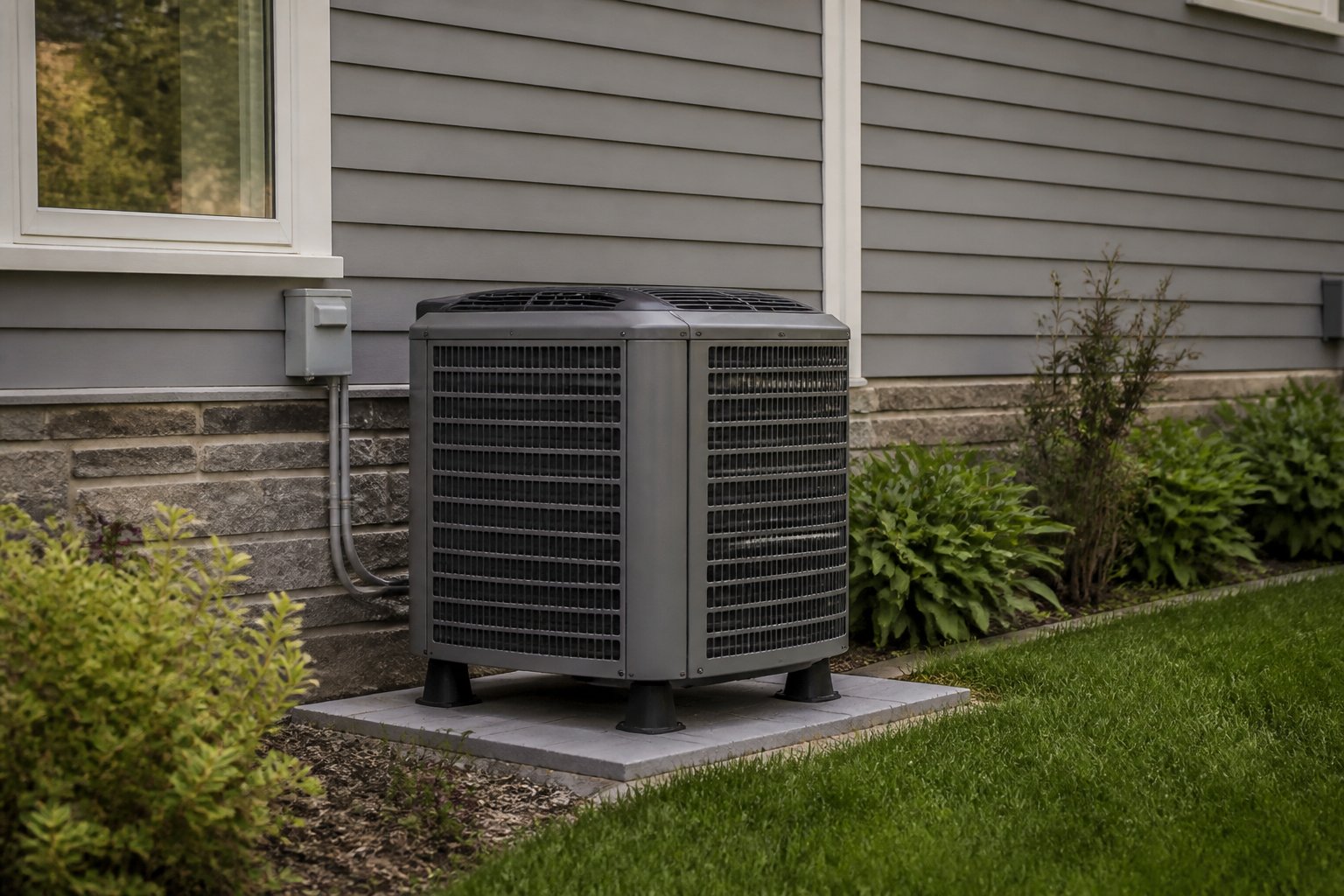
Another handy task is cleaning the unit itself. Remove debris from around the outdoor unit and make sure the evaporator coil is free of dirt. This can prevent blockages that lead to inefficiency. A quick rinse with a hose can often do the trick, just make sure the power is off first.
Thermostat checks are another important step. Test your thermostat settings periodically to confirm they’re accurate. An incorrect setting can cause the system to run more than necessary, driving up costs without better results. For those who use programmable options, consider fine-tuning schedules to fit your lifestyle needs, saving energy without sacrificing comfort.
Lastly, make it a point to schedule regular professional maintenance. Experts can catch potential issues early and handle tasks that require more technical know-how. This step often gets overlooked but can offer significant benefits in ensuring your system’s longevity.
When to Seek Professional Help

Sometimes, despite all your efforts, your air conditioner might still show signs it’s time to bring in a professional. If you hear strange noises like banging or hissing, it likely means mechanical issues or a refrigerant leak. Addressing these quickly can prevent further damage.
If your home isn’t cooling as it should, even when the thermostat is set correctly, it may be a sign of an underlying problem, like a malfunctioning component within the unit. Additionally, if you notice your energy bills creeping up without any change in usage, this might signal the AC is working harder than it needs to.
Remember, regular checks and minor fixes can’t replace the specialized care professionals provide. They have the tools and experience to get to the bottom of persisting issues, ensuring your unit’s optimal performance.
Benefits of Professional Maintenance
Hiring professionals to service your air conditioner leads to multiple long-term benefits. First, they help improve the unit’s efficiency, meaning it uses less energy to give you the cooling you need. This not only reduces costs but also minimizes wear and tear, extending the life of the system.
Moreover, routine professional maintenance can identify small issues before they become costly repairs. A well-maintained unit encounters fewer problems, saving you the stress of unexpected breakdowns. Knowing your air conditioning is in top condition provides peace of mind and keeps your home comfortable all season.
Troubleshooting the Symptoms You Notice Most
When an air conditioner acts up, it usually gives you a clear symptom to work from. Matching that symptom to its likely cause helps you decide what you can safely check yourself and when it is time to call a technician:
- Warm air from the vents: Start with the basics — confirm the thermostat is set to cool, the filter is clean, and the outdoor unit is running. If the air still is not cold, the refrigerant charge may be low or the compressor may be struggling, both of which need a professional.
- Weak airflow: A dirty filter, a blocked return, or closed registers are the usual suspects and are easy to fix. Persistently weak airflow can also point to a failing blower motor or leaky ductwork hidden in the walls.
- Water pooling around the indoor unit: This is often a clogged condensate drain line backing up. Clearing the line can help, but repeated leaks warrant a closer look before water damages nearby flooring.
- Ice on the coil or refrigerant line: A frozen coil is usually caused by restricted airflow or low refrigerant. Turn the system off to let it thaw, replace the filter, and if it freezes again, book a service call rather than running it iced up.
- Short cycling: An AC that switches on and off every few minutes may be oversized, low on refrigerant, or reading a poorly placed thermostat. Short cycling wastes energy and wears the compressor, so it should be diagnosed promptly.
- Unusual noises or odours: Grinding or squealing suggests a mechanical problem, buzzing can be electrical, and a musty smell often means mould or mildew in the system. Odd sounds and persistent odours are signs to shut the unit down and call for help.
Keeping Your Air Conditioner in Top Shape
Staying on top of air conditioning maintenance means fewer headaches and a consistently cool home. By addressing common issues and staying vigilant with preventive care, you make sure your system runs smoothly and efficiently. Regular professional check-ups, alongside simple DIY tasks, confirm your unit works at its best.
Proactively looking after your air conditioner ensures you’re prepared for the hottest days. Enjoy a cool, refreshing home environment without the worry of unexpected disruptions. Keep these tips in mind, and your AC will reliably beat the heat year after year.
Fix Nagging AC Problems for Good
Warm air, weak airflow, a leaking indoor unit, or an AC that will not stop short-cycling rarely fix themselves — and pushing a struggling system through a Durham Region heat wave only makes the repair bigger. When the simple checks are not enough, the team at Fortis Heating & Air Conditioning can pinpoint the real cause and handle the air conditioning repair in Oshawa you need to get cool, quiet comfort back. Call us at (289) 688-4822 or book a service visit online and put those nagging AC problems behind you for good.
Serving Durham Region: Fortis maintains and repairs cooling systems across Oshawa, Whitby, Ajax and Pickering, and all the way east to Bowmanville, Newcastle and Cobourg.
Cooling Efficiency Resources
Helpful guidance on keeping your air conditioner efficient:
Frequently Asked Questions
How often should I change my AC filter in Oshawa?
Through peak cooling season across the Durham Region — roughly May to September — check the filter each month and swap it every 1-3 months. Households with pets, allergy concerns, or dusty conditions should change it more often. A clean filter lifts efficiency by 5-15 percent and helps the system last longer.
What size air conditioner do I need for my home?
Correct sizing comes down to square footage, insulation, window count, ceiling height, and sun exposure. A rough guideline is 20 BTU per square foot, but a proper load calculation by a licensed technician is what gets it right. A unit that’s too big or too small wastes energy and leaves you less comfortable.
Why is my air conditioner not cooling properly?
The usual culprits are a dirty filter, low refrigerant, a frozen evaporator coil, a faulty thermostat, or a blocked outdoor condenser. Start by replacing the filter, making sure vents are open, and clearing debris from around the outside unit. If it still won’t cool, have a licensed technician take a look.
Why is my AC leaking water inside the house?
Indoor water leaks are most often caused by a clogged condensate drain line, a full or cracked drain pan, or a frozen evaporator coil that is melting. Clearing the drain line and replacing a dirty filter can solve minor cases, but recurring leaks should be inspected by a technician before the moisture damages drywall or flooring.