


Staying comfortable all year round in Oshawa means effectively dealing with both heating and air conditioning challenges. The city’s variable climate demands systems that not only keep homes warm in the winter but also cool during the summer months. Understanding and managing these systems ensures a cozy environment, regardless of the season.
Finding practical solutions for heating and cooling takes centre stage when ensuring comfort. With simple adjustments and maintenance routines, you can enjoy a steady temperature at home without the stress of unexpected hiccups from your HVAC system. This guide will walk through some straightforward tips to make sure your heating and air conditioning work efficiently throughout Oshawa’s varied seasons.
Heating Solutions for Winter in Oshawa

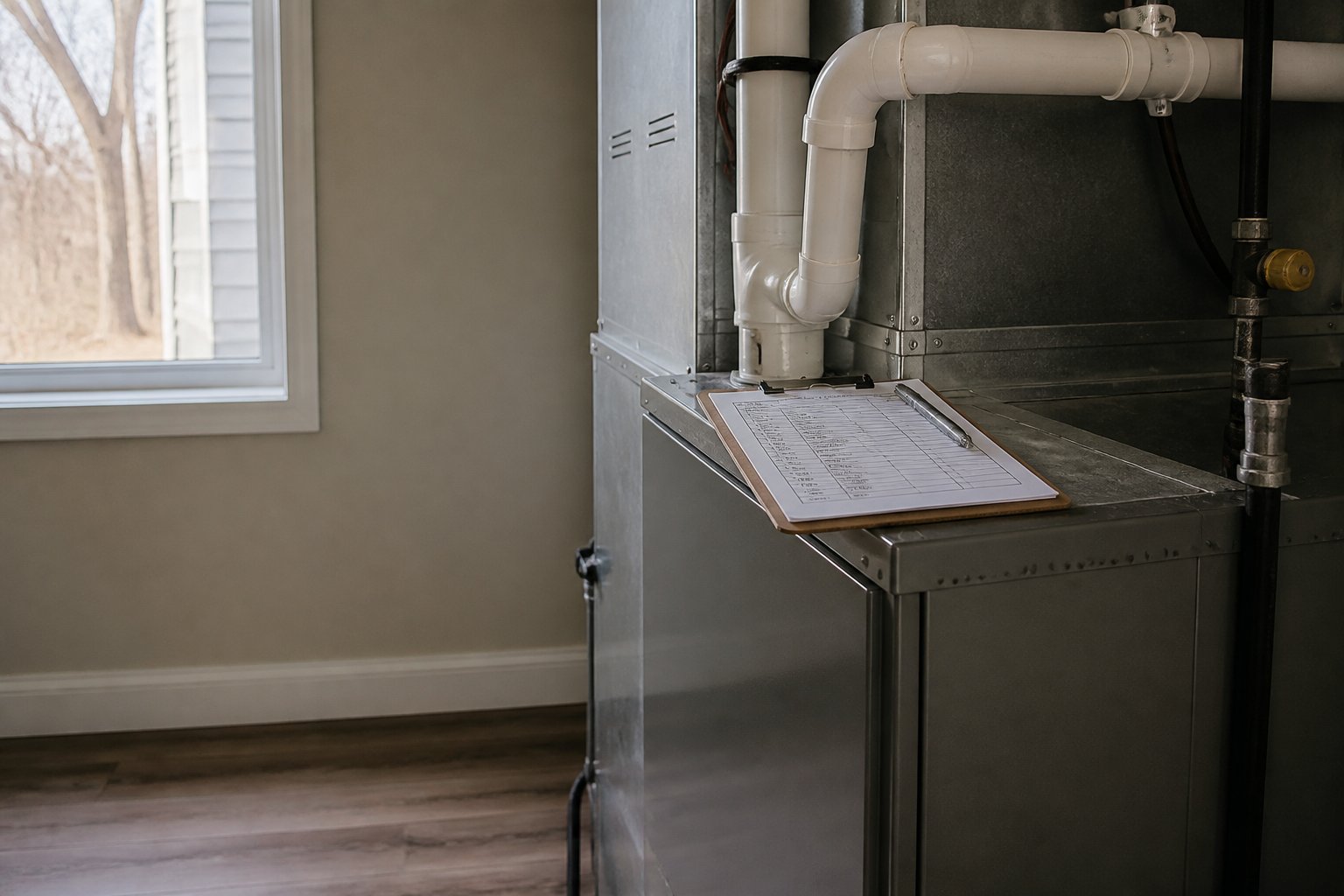
With winter’s chill comes the need to keep the home snug and warm. Regularly maintaining your heating system becomes an invaluable practice. Ensuring each part of the system—be it the furnace, boiler, or heat pump—functions well can prevent sudden breakdowns during those colder months.
Here’s a quick list to help you keep your heating system in check:
– Schedule regular inspections to identify any potential issues early.
– Change or clean filters regularly to maintain airflow and efficiency.
– Check for any leaks or rust in the system that might hint at larger problems.
– Ensure vents are clear from obstructions like furniture or curtains to allow proper heat circulation.
By taking these precautions, you can not only extend the lifespan of your heating system but also enhance its efficiency. These practices mean less energy waste and ultimately lower heating bills while ensuring your home remains a warm haven during the colder climate.
Air Conditioning Tips for Summer
As the summer heat arrives, attention shifts to keeping indoor spaces cool and comfortable. Preparing your air conditioning system before temperatures rise can save you both discomfort and unexpected expenses. Regular AC maintenance is the key to avoiding sweaty afternoons stuck without relief.
Start with these straightforward tips to ensure your AC blows cold air efficiently:
– Book a pre-summer AC tune-up to catch any needed repairs.
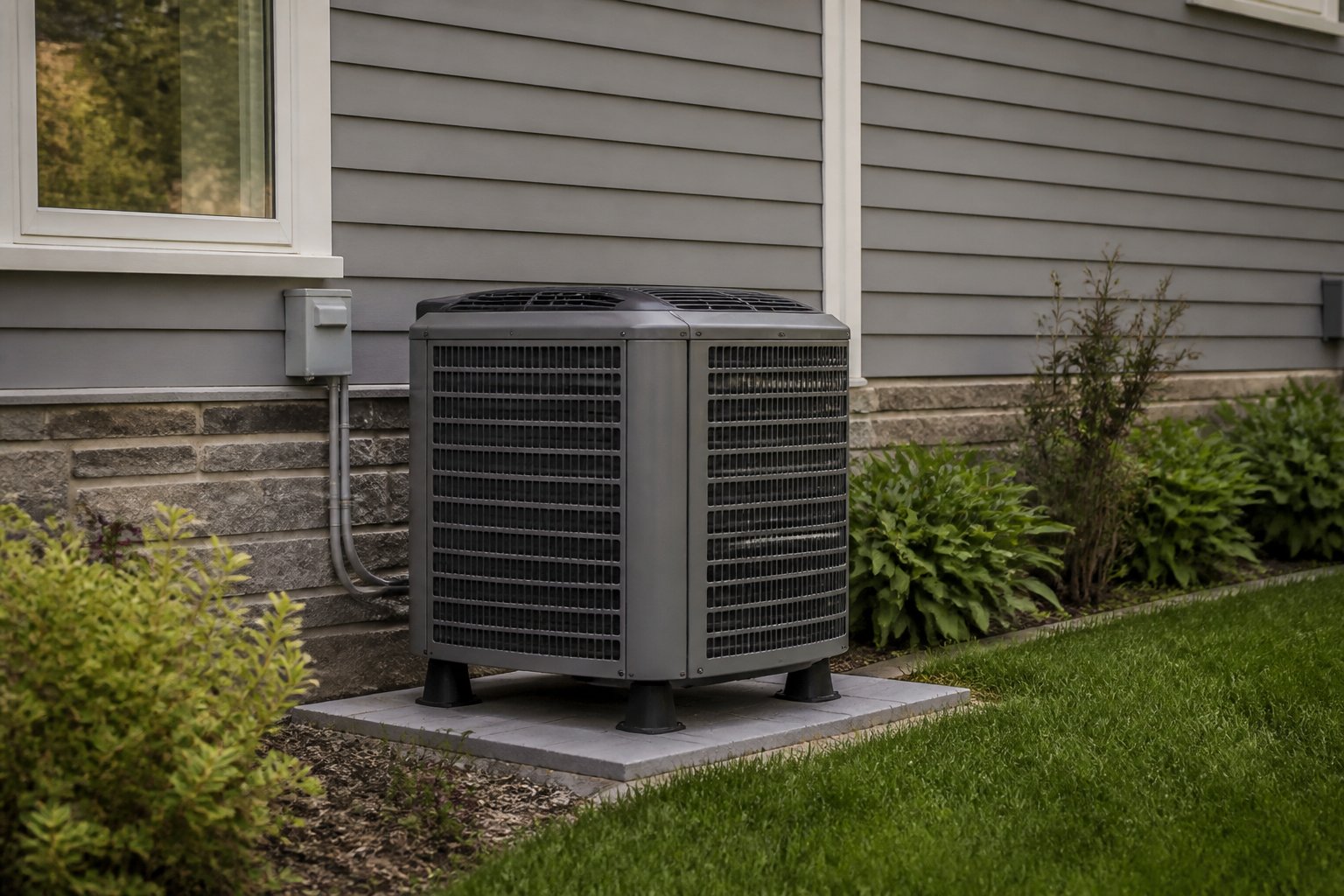
– Clear any debris around the outdoor unit to help airflow and the unit’s efficiency.
– Keep room doors open and ensure vents are unblocked to allow air to circulate freely.
– Use ceiling fans in conjunction with your AC to distribute cool air throughout the home.
By following these measures, you can confidently face the Oshawa summer heat with a well-prepared air conditioning system that doesn’t need to work harder than necessary, ultimately saving on energy costs.
Year-Round HVAC Maintenance Advice

Effective heating and cooling require care throughout the year. Seasonal check-ups for your HVAC system can catch small issues before they snowball into costly problems. Think of it like regular doctor visits—not glamorous, but they keep you healthy and give peace of mind.
Recognizing when something’s off is crucial. You can tell if your system might need a check by noticing unusual noises, strange odours, or inconsistent temperatures. These signals suggest it’s time for a professional inspection to avoid more extensive damage.
To keep your system running smoothly, consider these maintenance tips:
– Schedule bi-annual check-ups: Pre-season inspections tackle any pressing repairs before the system works harder.
– Keep units clean: Dust and debris can build up and clog filters, blocking efficient airflow.
– Check thermostats regularly: Ensure they’re accurate and programmed according to your schedule to avoid overuse.
– Seal leaks around windows and doors: Plugging these gaps helps your system maintain a consistent temperature easier.
By prioritizing these tasks, you promote longer system life and consistent performance without surprise failures.
Selecting the Right HVAC System for Your Home
Choosing an HVAC system tailored to your home can feel overwhelming with so many options available. It’s important to weigh several factors to find the right fit for your needs and lifestyle in Oshawa.
Start by considering the size of your space. A system too small will struggle to maintain comfort, while an oversized one may lead to unnecessary energy costs. Also, keep in mind energy efficiency. Opt for models with high efficiency ratings to save on monthly bills and shrink your carbon footprint.
Here are quick tips for selecting the right system:
– Assess your home size and layout: Proper sizing cuts down on inefficiency.
– Research energy-efficient models: Eco-friendly options reduce emissions and bring financial savings.
– Consider your comfort needs: Features like zone control or smart thermostats offer peace of mind.
By carefully reviewing your options, your selection will ensure your home is equipped with a dependable system that suits your lifestyle.
Why Oshawa Homes Call for a Local Approach
Heating and cooling in Oshawa is shaped by our particular setting. Proximity to Lake Ontario adds humidity to summer afternoons, so air conditioners here work as much on removing moisture as on lowering the temperature, while winter cold snaps and lake-effect weather put real demand on furnaces and heat pumps. The housing stock matters too: established neighbourhoods south of the 401 and around the downtown core often feature older homes with original ductwork and lighter insulation, whereas newer subdivisions in north Oshawa tend to be tighter and better sealed. Hard water is common across Durham as well, which can shorten the life of tankless heaters and humidifiers if it is not managed. A local team that understands these realities can recommend equipment and maintenance suited to your specific home rather than a one-size-fits-all fix.
Making Home Comfort a Priority
Maintaining a comfortable home involves selecting the right solutions and focusing on ongoing care. When you follow the suggested practices for heating and cooling, your home becomes a reliable haven, sparing you from the stress of unexpected breakdowns.
These practical approaches translate to real benefits. Lower energy costs, longer system life, and enhanced indoor air quality contribute to a healthier and more enjoyable environment. When you prioritize these aspects, you create a space where comfort isn’t just a luxury but a daily experience.
Remember, professional guidance can further ensure your heating and cooling systems are operating at peak efficiency. By ensuring your HVAC system receives the attention it needs, you enjoy a home that seamlessly adapts to Oshawa’s changing seasons.
Your Local Team for Year-Round Comfort in Oshawa
From the first cold snap of winter to the muggiest days of summer, Fortis Heating & Air Conditioning keeps Oshawa homes comfortable with dependable heating and cooling service. Whether you need a seasonal tune-up, a repair, or advice on upgrading to a more efficient system, our local technicians know the homes and climate of the Durham Region inside and out. Call (289) 688-4822 or get in touch to see how our full range of heating and air conditioning services can keep your home comfortable in every season.
Serving the Durham Region: Fortis Heating delivers practical, no-pressure heating and cooling solutions across the Durham Region — Oshawa, Whitby, Ajax, Pickering, and out toward Clarington.
More Home Comfort Resources
A couple of dependable references on home heating and cooling efficiency:
Frequently Asked Questions
How often should I service my HVAC system in Oshawa?
Twice-yearly service is the standard — book the air conditioner in spring and the furnace in fall. Consistent tune-ups can lengthen a system’s lifespan by 5 to 10 years while cutting energy use by 10 to 25%, and the temperature extremes across the Durham Region make that seasonal attention especially worthwhile.
What temperature should I set my thermostat to save energy?
Around 20-21°C (68-70°F) is the comfortable, efficient range for Ontario homes when someone is home; drop it 2-3 degrees overnight or during the workday. Automating that with a programmable or smart thermostat commonly saves 10-15% on heating and cooling over a year.
How long does an HVAC system typically last?
Expect roughly 15-20 years from a well-maintained furnace, 10-15 from an air conditioner, and 12-15 from a heat pump. Regular professional maintenance and on-schedule filter changes are what push a system toward the longer end of each range.