


Spring is a beautiful time of the year, bringing warmer weather and blooming flowers. But for many, this season also signals the start of allergy problems. As trees and plants release pollen, it becomes a challenge to keep indoor air clean and fresh. Allergens like dust mites and mould can sneak into our homes, making allergy symptoms worse.
Improving indoor air quality is important for keeping your family comfortable and healthy during allergy season. Simple changes in your home can make a significant difference. These adjustments help reduce allergens and purify the air you breathe, offering relief from sneezing, itchy eyes, and runny noses.
By understanding the common allergens present in spring and adopting effective strategies, you can control indoor air quality. This approach not only improves comfort but also supports health, ensuring you enjoy the pleasant parts of spring without constantly fighting allergies.
Understanding Spring Allergens and Their Impact

Spring brings beautiful blooms and warmer weather, but it also introduces common allergens like pollen, dust mites, and mould, which can affect the air quality in your home. Pollen is released by trees, flowers, and grasses during spring, easily finding its way indoors through open windows and on clothing. Dust mites thrive in the warmer months, particularly in bedding and upholstery, while mould can grow in damp areas, such as bathrooms and basements.
These allergens have a significant impact on indoor air quality, leading to health problems for many people. Symptoms can include sneezing, runny noses, itchy eyes, and even difficulty breathing for those with allergies or asthma. Prolonged exposure to poor air quality may cause fatigue and exacerbate respiratory issues, making it crucial to tackle these allergens effectively.
Creating an environment with improved air quality helps reduce these health effects and provides a more comfortable living space. By understanding the sources and effects of spring allergens, homeowners can implement strategies to improve air quality and minimize allergy symptoms during the season.
Simple Steps to Reduce Indoor Allergens
Reducing indoor allergens starts with some practical actions and regular cleaning habits. Here are a few simple steps to help maintain a healthy home environment during allergy season:
1. Vacuum Frequently: Use a vacuum cleaner with a HEPA filter to trap allergens like dust mites and pet dander. Vacuum carpets, rugs, and upholstery at least once a week.
2. Wash Bedding Weekly: Clean sheets, pillowcases, and blankets in hot water to kill dust mites and remove allergens. Consider using allergy-proof covers on mattresses and pillows to create a barrier.
3. Control Humidity: Use a dehumidifier in damp areas to prevent mould growth. Keeping indoor humidity below 50 per cent helps stop mould and dust mites from thriving.
4. Seal Windows and Doors: Check that windows and doors are properly sealed to prevent pollen from entering your home. Consider using weather stripping to fix any gaps.
5. Regularly Clean Surfaces: Dust surfaces with a damp cloth to capture particles instead of spreading them into the air. Focus on areas like shelves, window sills, and blinds.
By following these steps, you can significantly reduce the presence of allergens in your house and maintain better indoor air quality, contributing to a healthier and more comfortable living environment.
Utilizing Air Purifiers and HVAC Filters

Air purifiers serve as an effective tool for capturing airborne allergens and improving air quality. They work by pulling in air, trapping pollutants like dust, pollen, and pet dander, and releasing cleaner air back into your home. This process reduces allergen levels, providing relief for those sensitive to spring allergies.
When choosing an air purifier, look for models with HEPA filters, as they are highly effective at capturing small particles. Place purifiers in high-traffic areas or rooms where family members spend the most time, such as living rooms and bedrooms, to maximize their benefit.
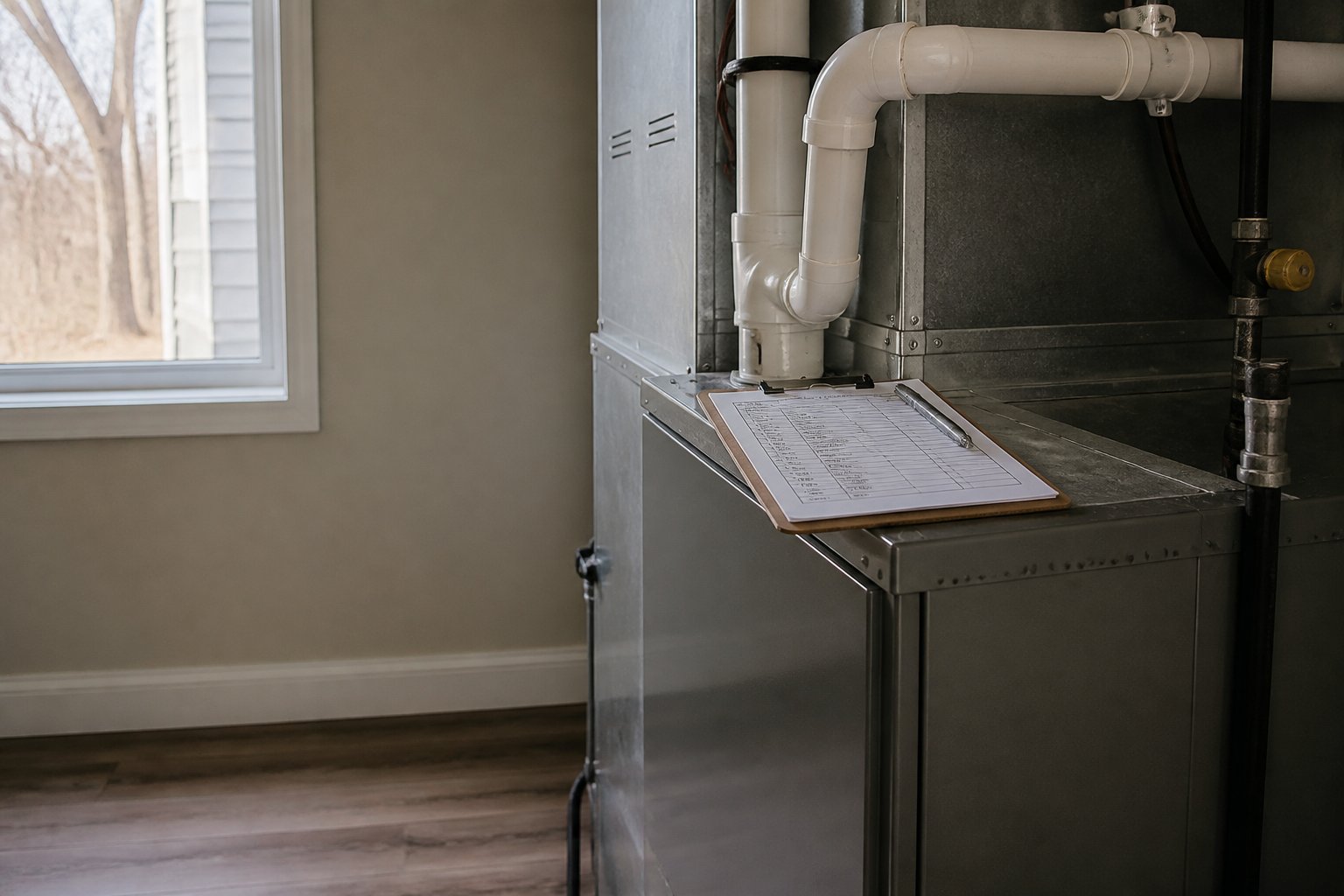
Upgrading your HVAC filters can also significantly reduce allergen circulation. High-efficiency filters trap more particles, preventing them from spreading throughout your home via the air ducts. It’s crucial to regularly check and replace these filters, as clogged filters diminish their ability to clean the air effectively. Regular filter maintenance not only improves air quality but also keeps your HVAC system running efficiently, preventing costly breakdowns and increasing its lifespan.
Choose the Right Filter MERV Rating and Ventilation
Not all furnace filters are created equal, and the number that matters most is the MERV rating. MERV, short for Minimum Efficiency Reporting Value, measures how well a filter captures particles. Basic filters in the MERV 1 to 4 range mostly protect the equipment, while filters rated MERV 8 to 13 capture much finer particles like pollen, fine dust, and pet dander that trigger spring allergies. A filter in the MERV 11 to 13 range is often the sweet spot for allergy sufferers, offering strong filtration without choking off airflow.
One caution: pushing to a very high MERV rating on a system that was not designed for it can restrict airflow and strain the blower. If you are unsure how high you can safely go, a technician can confirm what your furnace can handle, or recommend a dedicated media air cleaner cabinet that filters thoroughly without the pressure penalty.
Filtration works best alongside good ventilation. Because Ontario homes are sealed up tightly for energy efficiency, fresh air can be in short supply, letting allergens and stale air linger. A Heat Recovery Ventilator (HRV) brings measured fresh air into the home while recovering heat from the outgoing air, and professional duct cleaning every few years removes the accumulated dust and debris that a filter alone cannot reach. Together, filtration, ventilation, and clean ducts give you the cleanest possible air through allergy season.
Incorporating Plants for Natural Air Filtration
Houseplants provide a natural way to enhance indoor air quality by absorbing pollutants and releasing fresh oxygen. These green companions not only decorate your home but also work to cleanse the air, making them a valuable addition to any room during allergy season.
When selecting air-purifying plants, consider the following options, which are known for their ease of care and effectiveness:
1. Spider Plant: Great for beginners, it removes pollutants like formaldehyde and is non-toxic to pets.
2. Peace Lily: Known for its ability to reduce mould spores, it’s ideal for bathrooms or shaded areas.
3. Boston Fern: This plant acts as a natural humidifier and cleans the air of toxins like formaldehyde.
4. Aloe Vera: While known for its healing properties, it also helps remove benzene and formaldehyde.
5. Snake Plant: Also called Mother-in-Law’s Tongue, it absorbs toxins and releases oxygen even at night.
Adding a few of these houseplants can help you create a healthier and more inviting living space. Complement plants with regular cleaning and proper use of HVAC systems to keep allergens at bay.
Breathe Easier This Allergy Season
Maintaining a home with clean air during spring requires a mix of technology and nature. By using air purifiers and efficient HVAC filters, keeping allergens under control becomes more manageable. Pairing these with strategic houseplant choice adds a layer of natural filtration, ensuring a healthier indoor environment.
If spring allergies have your household sneezing, the right filter and ventilation upgrades can make a real difference. Fortis Heating & Air Conditioning can assess your filtration, humidity, and ductwork, then recommend practical improvements and provide expert HVAC maintenance service in Oshawa so your home’s air quality stays fresh through the seasons. To see the filtration, HRV, and testing options we install, visit our indoor air quality services in Oshawa page. Call us at (289) 688-4822 or book a visit through our contact page to breathe easier this allergy season.
Serving Durham Region: Fortis Heating helps allergy-prone households breathe easier in Oshawa, Ajax, Whitby and Pickering.
Learn More About Indoor Air Quality
If seasonal allergies have you thinking about the air inside your home, these government resources explain the causes and solutions in more detail:
Frequently Asked Questions
How can I improve indoor air quality in my Oshawa home?
Start with regular HVAC filter changes (every 1-3 months), ensure proper ventilation, maintain 30-50% humidity levels, and consider adding an HRV (Heat Recovery Ventilator). Professional duct cleaning every 3-5 years and adding HEPA filtration can further improve air quality for allergy sufferers.
What causes poor indoor air quality?
Common causes include inadequate ventilation, dirty HVAC filters, high humidity (encouraging mould growth), household chemicals, pet dander, dust mites, and off-gassing from furniture or building materials. In Ontario homes sealed tightly for winter efficiency, proper ventilation becomes especially critical.
Do I need an HRV system in Ontario?
An HRV (Heat Recovery Ventilator) is highly recommended for Ontario homes, especially newer builds with tight air sealing. Ontario Building Code requires mechanical ventilation in new homes. HRVs bring in fresh outdoor air while recovering up to 80% of the heat energy, keeping your home comfortable and healthy.
What MERV rating is best for allergies?
For most homes with allergy sufferers, a filter in the MERV 11 to 13 range offers strong capture of pollen, fine dust, and pet dander while still allowing good airflow. Before jumping to the highest rating, confirm your furnace can handle it, since an overly restrictive filter can strain the blower and reduce efficiency. A technician can recommend the best balance for your specific system.