

Gas line safety checks before outdoor kitchen season help Durham Region homeowners confirm that grills, outdoor appliances, shutoffs, and visible gas connections are ready for regular use. This is a safety-focused service decision that should be handled carefully before backyard cooking season gets busy. A built-in grill, side burner, or gas fire feature runs on the same fuel that heats your home, so the same care that applies to indoor appliances applies outdoors, where lines are exposed to weather, freeze-thaw movement, lawn equipment, and curious pets.
Most outdoor gas problems trace back to a small number of overlooked details: a fitting that was never leak-tested, a hose left connected through a hard winter, or an appliance that quietly outgrew the pipe feeding it. None of these are dramatic on their own, but each can turn a relaxing evening into an emergency. The sections below walk through what our technicians actually look at, what you can safely check yourself, and where a licensed hand is required before the first cook of the season.
Gas Line Safety Checks: What Matters First

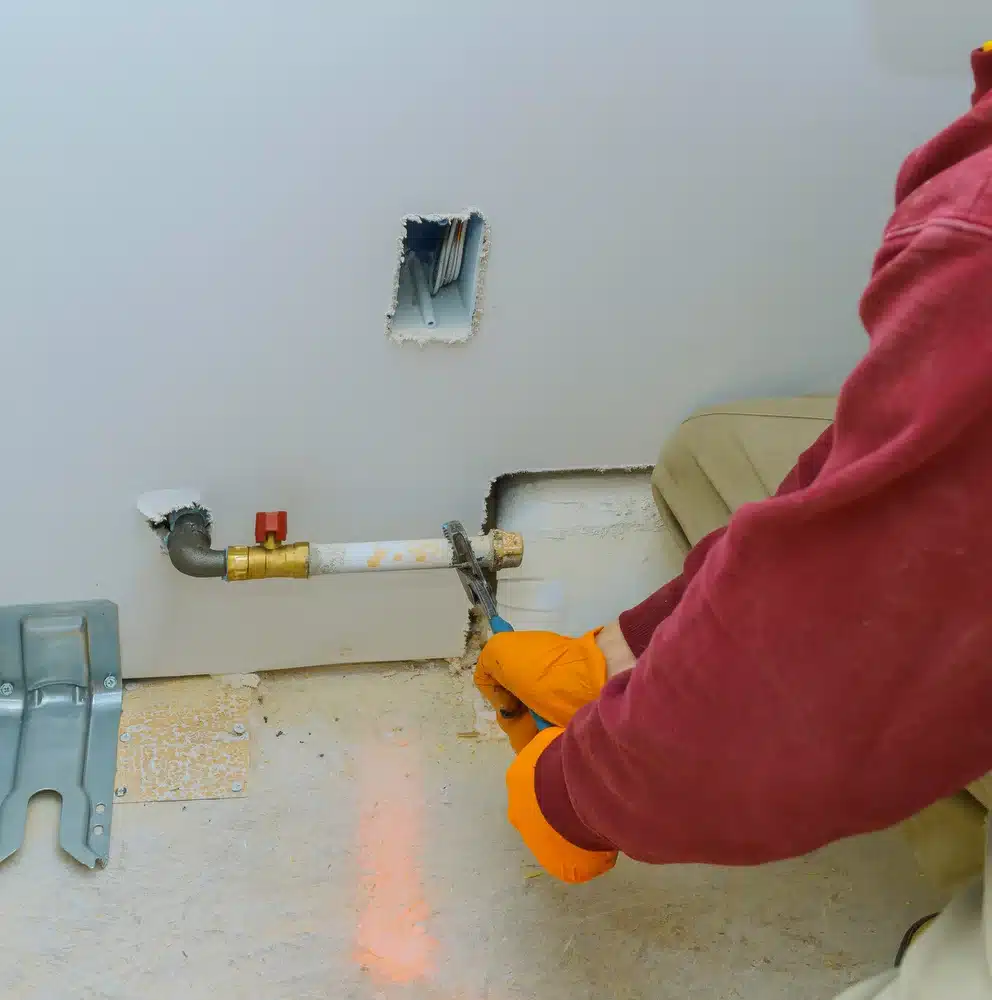
The first step is matching the gas line review to the appliances and layout. Outdoor kitchens are usually fed by either black iron pipe or corrugated stainless steel tubing (CSST), and each has its own requirements. CSST, for example, must be properly bonded and grounded to protect against lightning-induced damage, and it should never be left kinked or unsupported. Wherever the line drops to an appliance, we expect to find a dedicated shutoff valve and, on many installations, a sediment trap (drip leg) that catches moisture and debris before it reaches the burner orifices.
Fuel type matters too. A natural gas outdoor kitchen ties into the home’s fixed piping and needs no tanks, but any change in appliances should be reviewed against the line’s capacity. A propane setup adds a regulator and cylinder connections that need their own inspection each season. In either case, the invisible detail that decides safety is whether every joint has been leak-tested, not simply whether the burner lights.
Key Checks Before You Commit
Before you fire up the grill for the first time this year, slow down and walk the system. These checks are simple, cost nothing, and catch most of the problems we get called about once the weather warms up.
- Shutoff Access: Make sure the gas shutoff for the outdoor kitchen is visible, reachable, and understood by everyone in the household before cooking season. Everyone should know how to close it in seconds.
- Line Condition: Look for corrosion, dents, sagging or unsupported runs, chewed hoses, and any line that shifted over winter from frost heave before you connect or use appliances.
- Appliance Rating: Confirm the total appliance demand still matches the gas line’s capacity. Adding a side burner, larger grill, or a second appliance raises the BTU load, and an undersized line starves the burners.
- Licensed Installation: In Ontario, gas work must be carried out by a TSSA-registered gas technician, not guessed at. New lines, relocations, and appliance conversions all fall under that requirement.
How to Spot a Leak Between Service Visits
Natural gas and propane are odourless on their own, so an odourant (mercaptan) is added that smells like rotten eggs or sulphur. If you catch that odour near the outdoor kitchen, hear a faint hissing at a fitting, or notice a patch of dead grass over a buried line, stop and treat it seriously. A safe homeowner test is to brush a mix of dish soap and water over exposed fittings with the gas on but appliances off; steady bubbles mean escaping gas. If you ever smell gas strongly, leave the area, avoid switches and flames, and call your gas utility’s emergency line before anyone else. We would rather quote a small repair than respond to an avoidable incident.
It also helps to compare the project against a reliable outside source. For broad seasonal planning, review ENERGY STAR heating and cooling guidance. For efficiency and safety decisions, Natural Resources Canada energy efficiency guidance can add useful context before you talk with a local provider.
Sizing, Clearances, and Winter Damage
Two things quietly undo an otherwise good outdoor kitchen: an undersized line and seasonal wear. On sizing, every burner and appliance has a rated gas demand, and the supply pipe’s diameter and length have to deliver that combined load without a pressure drop. If your grill runs strong but the burners weaken the moment the side burner lights, that is often a capacity or regulator issue rather than a bad appliance. A quick load calculation during a service visit tells us whether the existing line can carry what you actually plan to cook on.
Seasonal wear is the other half. Over a Durham winter, quick-disconnect fittings can seize, rubber hoses on portable connections stiffen and crack, and rodents sometimes gnaw on hose lines left outdoors. Frost movement can also nudge rigid pipe out of alignment at a joint. Before the first use, we recommend disconnecting and inspecting any seasonal hose, exercising each shutoff valve so it does not seize, and confirming that built-in appliances still have the clearances to combustibles they were installed with. If you are planning a brand-new run or relocating an appliance, that is the right moment to review professional gas line installation rather than extending an old line by guesswork.
Local Conditions Change the Best Choice
Local conditions matter because Durham Region homes move quickly from cool spring nights to humid summer afternoons, and buried or exposed gas lines live through every one of those swings. Freeze-thaw cycles, saturated spring ground, and the simple fact that outdoor lines sit unused for months all shape what a safe pre-season check should include. Before any digging near a buried line for a new appliance, it is also worth arranging a locate through Ontario One Call so the line is not struck.
That is why a local recommendation is usually more useful than a generic buying guide. Fortis Heating & Air Conditioning can review the appliances, the line, and the installation history before pointing you toward a practical next step.
How to Plan the Next Step
If you are early in the process, start with the service page that matches your need: review gas service options. That gives you a baseline before you schedule installation, repair, or a safety check for an outdoor kitchen or gas fire feature.
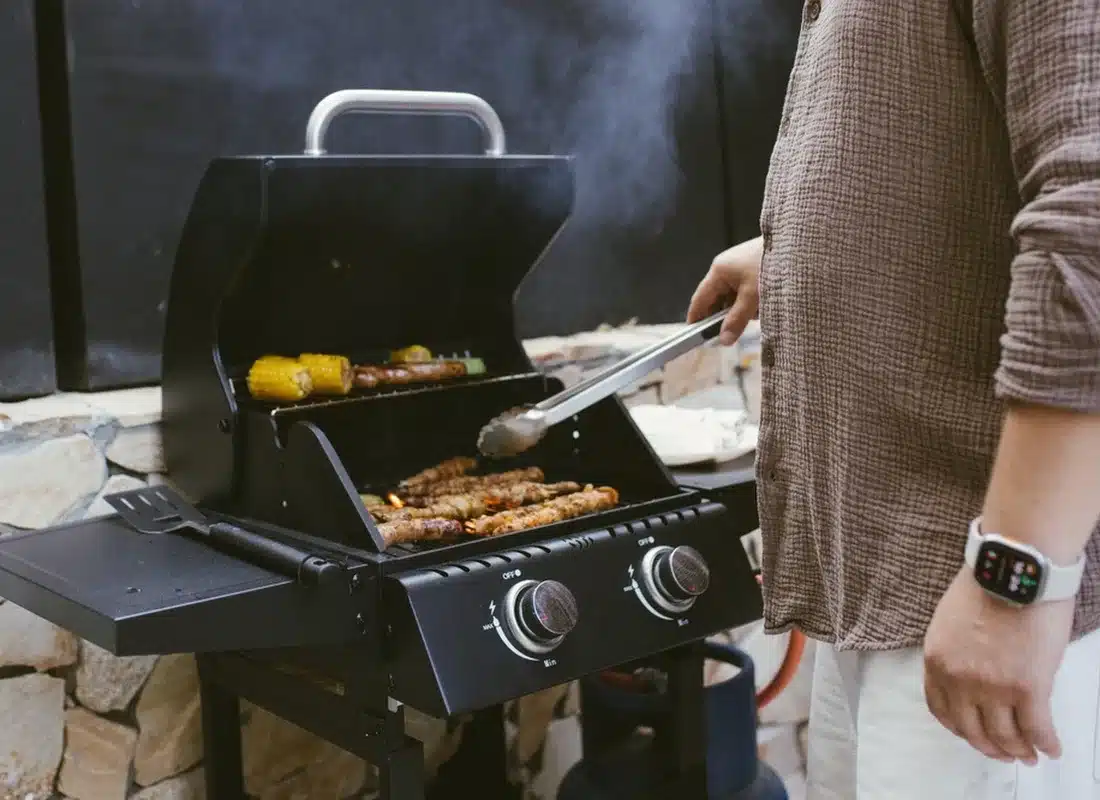
Next, confirm how the outdoor appliance will actually be used. A single seasonal grill has different needs than a built-in kitchen with a side burner, warming drawer, or fridge, and a new gas fire pit adds its own line and shutoff. Tell us what you plan to add, and our team can review the setup and explain exactly what should be checked, tested, or upsized before regular use begins.
Frequently Asked Questions
How soon should I make this decision?
Plan before the busiest part of the season. Waiting until the first major heat wave, storm pattern, or holiday weekend often limits product availability and appointment times.
Is the lowest-cost option usually good enough?
Sometimes, but not always. The lowest-cost option can be fine for light use, but higher-exposure spaces and systems usually need better materials, installation, or maintenance support.
What is the biggest mistake people make?
The most common mistake is choosing based on price alone. Looks matter, but the final choice should also account for comfort, safety, airflow, utility use, warranty, and day-to-day reliability.
Can I handle this myself?
Basic care and comparison shopping are reasonable DIY steps. For installation, safety, warranty-sensitive work, or custom fitting, a professional recommendation usually prevents expensive rework.
Can I install my own outdoor gas line to a new grill?
In Ontario, new gas lines, appliance connections, and conversions must be handled by a TSSA-registered gas technician. You can position and prep the space, but permanent line work, pressure testing, and final connections need a licensed hand so the work is safe and your appliance warranty stays intact.
What should I do with the outdoor line over winter?
Close the appliance shutoff, disconnect and store any seasonal hose or quick-connect indoors, and cap or cover exposed fittings so moisture and pests stay out. In spring, exercise each valve, inspect hoses for cracking, and leak-test connections before the first cook rather than assuming everything wintered well.
Why do my burners lose pressure when I run two appliances?
That is a classic sign the gas line or regulator cannot supply the combined demand. Each burner has a rated draw, and an undersized or long line drops pressure when the load rises. A technician can run a quick capacity check and tell you whether the existing line supports the appliances you want to use together.
Have Your Gas Connections Checked Before Grilling Season
Before you fire up an outdoor kitchen or connect a new gas appliance, it is worth having the lines and shutoffs inspected by a licensed professional. If you want help with gas line safety before outdoor kitchen season, call Fortis Heating & Air Conditioning at (289) 688-4822. Our team can confirm the line is properly sized, leak-tested, and up to Ontario code before regular use. Visit the contact page to arrange a safety check while there is still room in the calendar ahead of the busy summer stretch.