


As we transition through the seasons in the Durham Region, ensuring that your HVAC system is in top working condition is vital for maintaining a comfortable home. Understanding the various components of your HVAC system is the first step towards effective maintenance. Each part, from the furnace to air conditioners and vents, plays a critical role in the overall functionality and efficiency of your system. By getting to know these components, you’ll be better equipped to identify when something isn’t working correctly.
Regular maintenance is key to extending the life of your HVAC system and ensuring it operates efficiently. This not only helps in avoiding unexpected breakdowns but also in reducing your energy bills. We’ll guide you through a simple seasonal checklist to keep your system running smoothly. Additionally, recognizing common issues and learning basic troubleshooting can save you time and possibly avoid the cost of a service call. However, knowing when to call in our professional technicians can be the difference between a quick fix and a costly repair.
Understanding Your HVAC System Components

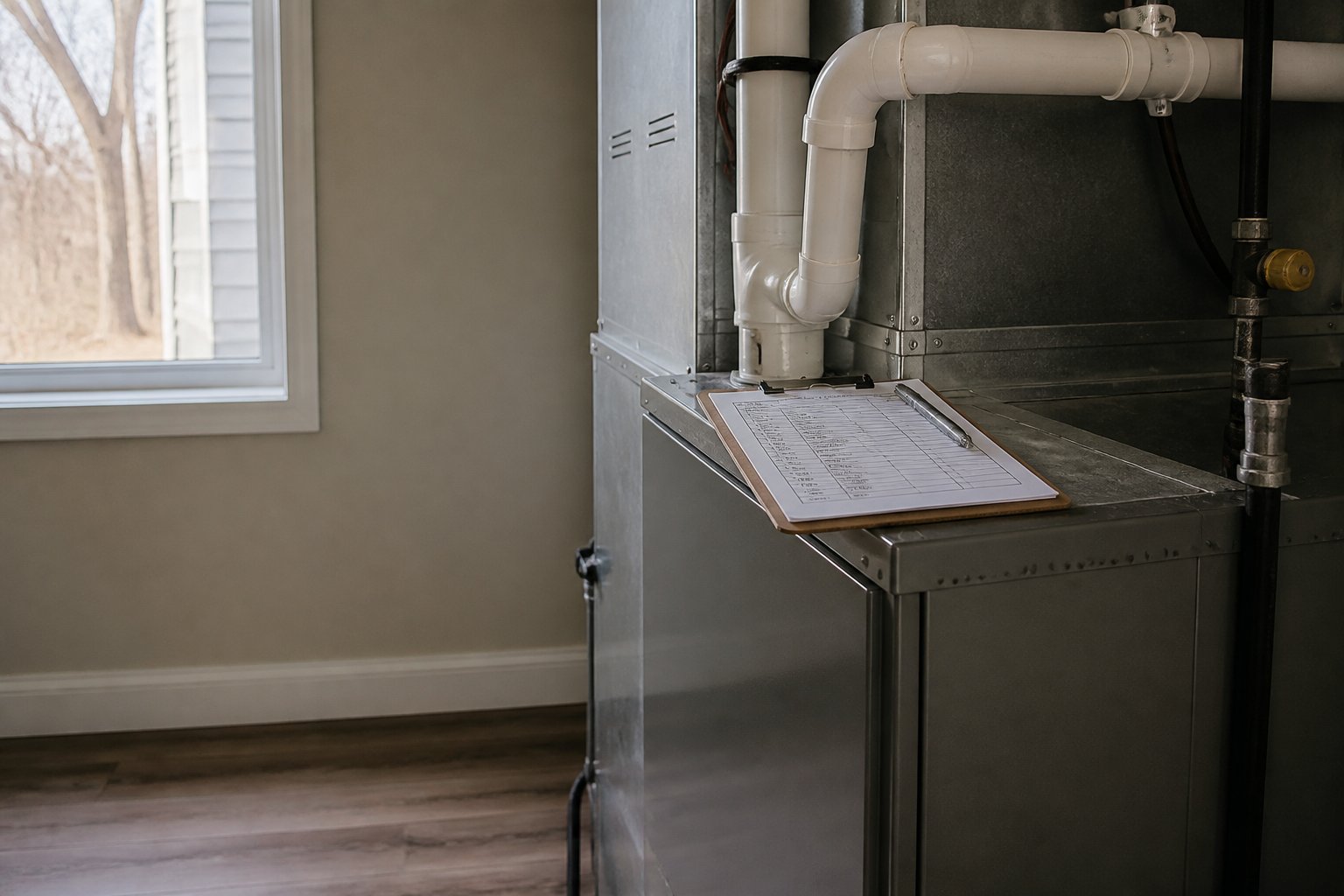
It’s crucial for every homeowner to have a basic understanding of their HVAC system’s components. This knowledge helps in recognizing the needs for regular maintenance and in minor troubleshooting. The primary components include the furnace, used for heating, and the air conditioner unit that cools your home during warmer months. These key parts are supported by a network of ducts that distribute air throughout your house, and thermostats that control the temperature settings.
Besides these, your HVAC system also comprises vents where air is expelled, filters that trap dust and contaminants to maintain air quality, and the evaporator and condenser coils in your air conditioner that cool the air through refrigerant. Knowing these components leads to better maintenance practices and can alert you to issues before they escalate to significant problems. We are here to help guide you through each of these components, ensuring you have the confidence to understand and make decisions about your home’s comfort systems.
Seasonal HVAC Maintenance Checklist
To ensure your HVAC system operates efficiently year-round, performing seasonal maintenance is vital. Here’s a simple checklist to guide you in maintaining your system:
1. Change the Air Filters: Ideally, you should replace your filters every three months, or more often if you have pets or allergy sufferers at home.
2. Inspect and Clean Air Ducts: Especially before heating season, check your ducts for dust accumulation and potential obstructions.
3. Check the Thermostat Settings: Make sure your thermostat is set for comfort while also being energy-efficient as seasons change.
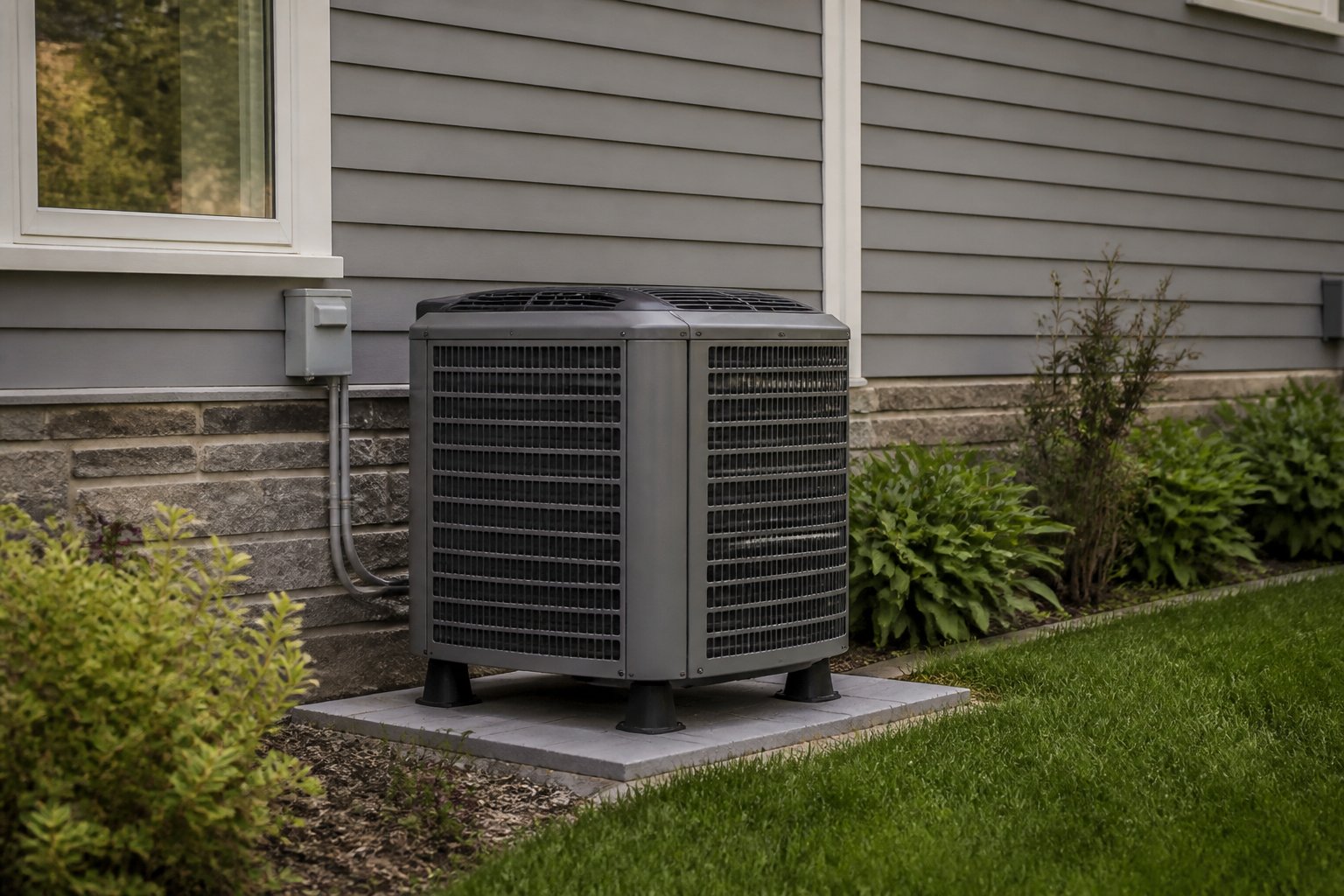
4. Inspect the Outdoor Units: Remove any debris around the air conditioner and heat pump units to prevent airflow blockage.
5. Schedule Professional Inspections: Our experts can perform detailed checks, including testing system controls and inspecting electrical connections.
By following this checklist, you ensure your system isn’t just running, but running at its best. Keeping up with these tasks can extend the life of your HVAC components and improve both energy efficiency and the comfort levels in your home. Always remember, taking care of small maintenance tasks can prevent big issues down the road, and we are here to support you every step of the way.
Common HVAC Issues and How to Troubleshoot Them

Even with diligent maintenance, HVAC systems might run into problems. Knowing the most common issues can prepare you to troubleshoot effectively or discern when to seek professional assistance. One frequent problem is the HVAC unit not heating or cooling efficiently. This can be caused by dirty filters, blocked ducts, or low refrigerant levels. Checking and replacing your filters or clearing obstructions in vents can be an easy fix. Another typical issue is strange noises from the unit. This could indicate a loose component or an obstruction inside the unit. Checking for visible blockages or securing loose parts could resolve this issue.
Sometimes, you might notice your thermostat not working as it should, making your home too hot or too cold. Often, this can be solved by recalibrating the thermostat or checking if it requires new batteries. Understanding these common issues not only helps in maintaining your system’s health but also ensures you’re aware when you can fix something safely yourself and when to call in the professionals.
When to Call the Professionals for HVAC Maintenance
While DIY solutions can solve minor issues, there are situations when calling professional HVAC technicians is necessary. If you encounter complex problems such as refrigerant leaks, electrical issues, or comprehensive system malfunctions, it’s time to contact us. These problems require specialist knowledge and tools to ensure safe and effective resolutions.
Additionally, regular professional maintenance is advisable to keep your system running smoothly. This typically includes tasks that might be beyond typical homeowner skills, like deep cleaning of the coils, checking for correct refrigerant levels, and scrutinizing electrical systems. Ensuring your system is professionally maintained at least once a year can prevent major malfunctions and extend the lifespan of your unit.
Why Maintenance Matters More in the Durham Region Climate
Maintenance schedules that make sense in a mild climate are not always enough for Oshawa, Whitby, and the surrounding Durham Region, where a single year can swing from -25°C wind chills in January to humid, high-load afternoons in July. That range puts real stress on equipment. Furnaces run for months at a stretch through the coldest weeks, while air conditioners and heat pumps work hard through humid summer spells, so the small wear items — filters, capacitors, igniters, and contactors — reach the end of their life sooner here than in gentler climates.
The outdoor half of the system takes a beating too. Winter road salt and grit, spring pollen, autumn leaves, and repeated freeze-thaw cycles all collect around the condenser or heat pump. A fall and spring service lets a technician clear that debris, confirm the refrigerant charge, test safety controls, and catch a weakening part before it fails on the coldest or hottest day of the year — which is exactly when emergency service is hardest to book. Timing your tune-ups just before each heating and cooling season is the simplest way to stay ahead of a Durham winter or a July heat wave.
Conclusion
Keeping your home comfortable throughout the year hinges largely on understanding your HVAC system and maintaining it properly. From knowing the basic components and tackling simple maintenance tasks to recognizing when professional help is needed, each step you take is crucial. Remember, regular maintenance not only prevents inconvenient breakdowns but also increases your system’s efficiency and effectiveness. This commitment to care can significantly lower your energy costs and enhance the comfort of your home.
Start a Year-Round Maintenance Plan with Fortis Heating
The homeowners who avoid the worst breakdowns are usually the ones who treat maintenance as a routine rather than a reaction. If you would rather not track filter changes and seasonal tune-ups on your own, our team can put your furnace, air conditioner, and heat pump on a simple twice-a-year schedule so nothing gets missed. Explore our HVAC maintenance services in Oshawa to see what a professional visit covers. When you are ready to book, call Fortis Heating & Air Conditioning at (289) 688-4822 or request a maintenance appointment online, and we will help you keep a comfortable, efficient home in every season.
Trusted upkeep throughout Durham: From tune-ups to full system checks, Fortis Heating’s licensed team looks after HVAC equipment in Oshawa, Whitby, Ajax and Pickering, plus Courtice, Newcastle and Port Hope.
Maintenance Reference Links
To round out your maintenance routine, these Canadian and North American resources cover efficiency standards and seasonal home care.
Frequently Asked Questions
How often should I service my HVAC system in Oshawa?
Twice-yearly maintenance is the standard recommendation — have the air conditioner looked at in spring and the furnace in fall, each ahead of heavy use. Quality workmanship on those visits keeps parts clean and calibrated, which can stretch equipment lifespan by 5 to 10 years and hold energy costs down by 10 to 25 percent. In a climate as changeable as Durham’s, that steady rhythm of care matters.
What temperature should I set my thermostat to save energy?
A comfortable, efficient target for Ontario winters sits near 20 to 21°C (68 to 70°F) during waking hours, with a 2 to 3 degree drop at night or while you’re away. Pairing that habit with a programmable or smart thermostat automates the setbacks and commonly saves homeowners 10 to 15 percent on their yearly energy bills.
How long does an HVAC system typically last?
Expect roughly 15 to 20 years from a well-kept furnace, 10 to 15 from a central air conditioner, and 12 to 15 from a heat pump. Consistent professional maintenance and timely filter changes are what push a system toward the upper end of its expected lifespan rather than the lower.
Can I do HVAC maintenance myself, or should I hire a professional?
Homeowners can and should handle the basics — changing filters every one to three months, keeping vents and cold-air returns clear, and removing leaves or snow from around the outdoor unit. Tasks that involve refrigerant, gas connections, electrical components, or opening the sealed system should be left to a licensed technician. In Ontario, work on gas-fired equipment must be performed by a licensed professional, so an annual tune-up complements the simple upkeep you do between visits.