


As a trusted HVAC company proudly serving families in the Durham Region from Oshawa to Cobourg, we are well acquainted with the challenges posed by sweltering Canadian summers. To help you beat the heat and live comfortably, selecting and maintaining a well-functioning air conditioning system is crucial. Not only does it have the power to provide relief from the summer heat, but it can enhance the overall indoor air quality and comfort of your home.
In this guide, we will discuss the different types of air conditioning systems available in the market, key factors to consider when selecting the ideal unit for your needs, and valuable tips for maintaining your AC system to ensure it consistently operates at peak performance throughout the season. At Fortis Heating & Air Conditioning, our team of experienced technicians is passionate about sharing expert knowledge, helping you make the best decisions for your home’s cooling needs, and assisting with professional installations and maintenance.
Types of Air Conditioning Systems and Their Benefits

When it comes to air conditioning systems, there are various options to choose from, each with its unique advantages. Understanding these options can help you make an informed decision that best suits your cooling needs:
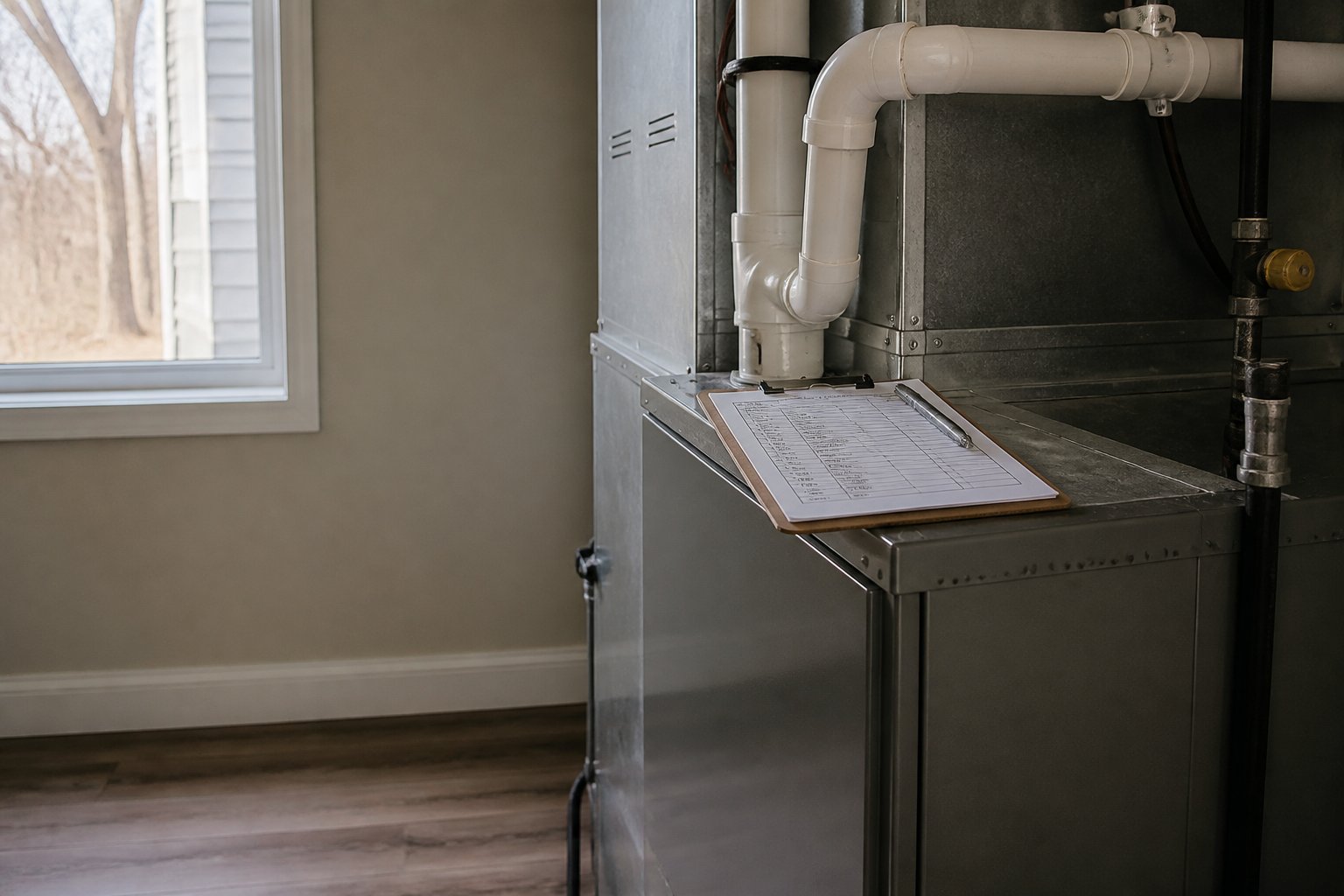
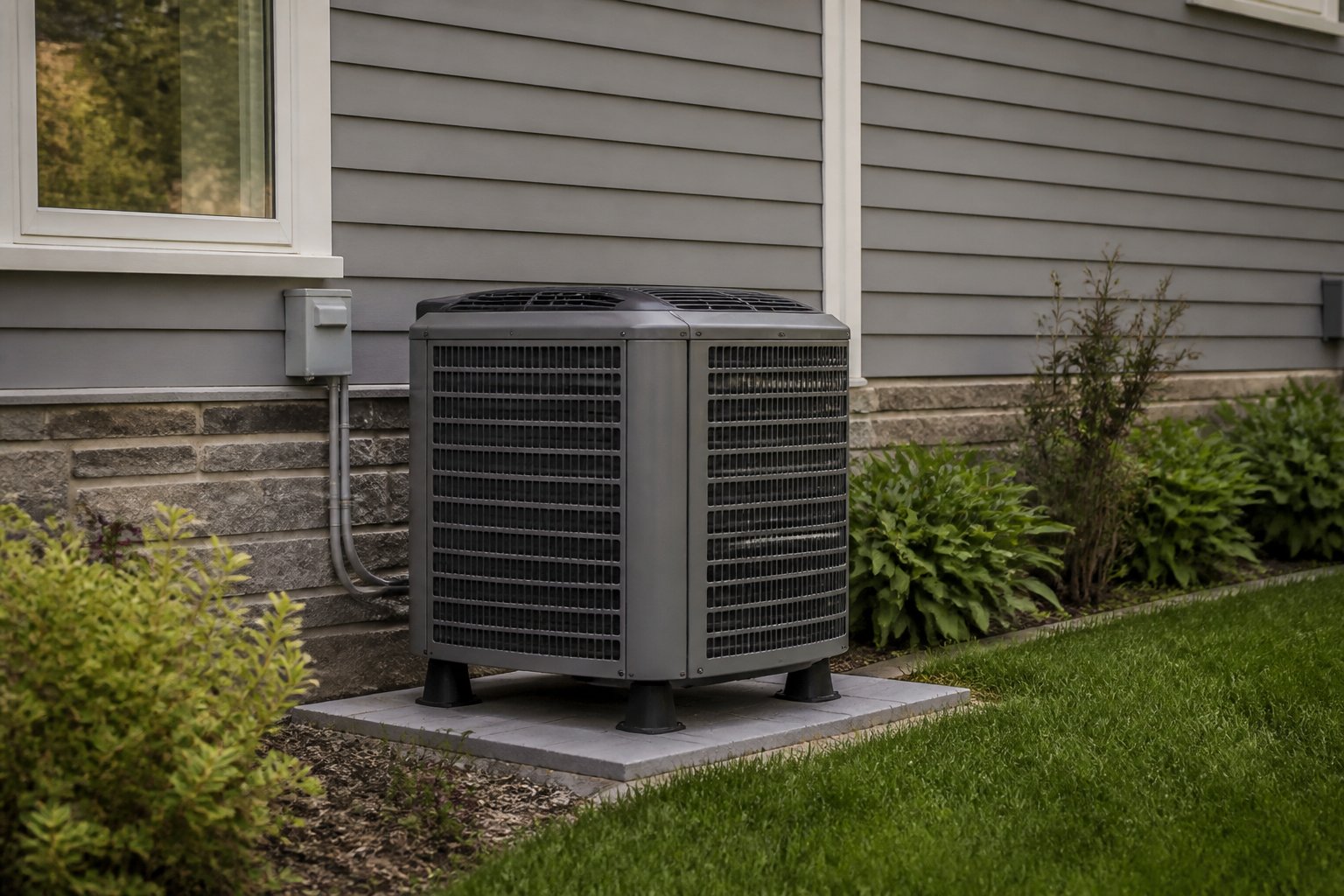
1. Central Air Conditioning Systems: Central air conditioners are the most common type of cooling system, consisting of an outdoor unit and a network of ducts for air distribution. They provide whole-house cooling, maintain consistent temperatures throughout your home, and can be combined with your existing HVAC system. For many Durham Region homes that already have forced-air ductwork installed for the furnace, central air is the most seamless upgrade because it shares that same duct network.
2. Ductless Mini-Split Systems: These highly efficient systems are perfect for homes without pre-existing ductwork or for those targeting specific areas for cooling. Mini-splits consist of an outdoor unit and one or more indoor air handlers. They offer more precise temperature control, lower energy consumption, and are relatively easy to install compared to other systems. They are also a popular choice for finished basements, additions, and older Oshawa century homes where running new ducts would be costly or intrusive.
3. Window Air Conditioners: These compact, single-room cooling units fit directly in your window and provide immediate relief from sweltering heat. They are cost-effective, easy to install, and an ideal solution for those living in small apartments or rental properties.
4. Portable Air Conditioners: As the name suggests, these units are easily transported from one room to another, requiring only a power outlet and access to a window for venting. Portable air conditioners offer flexibility in their placement but might struggle to provide sufficient cooling for larger spaces.
5. Heat Pumps: An air-source heat pump both cools your home in summer and heats it in the shoulder seasons, all from a single outdoor unit. Cold-climate models are engineered to keep working efficiently in Ontario’s chilly weather, which is why more Durham Region homeowners are pairing a heat pump with their existing furnace to create an energy-saving dual-fuel setup. If you are already thinking about replacing an aging air conditioner, it is worth asking whether a heat pump makes sense for year-round comfort.
Factors to Consider When Choosing an Air Conditioning System
With a multitude of air conditioning options available in the market, it’s critical to consider a few key factors when determining the ideal system for your home:
1. Home Size and Layout: Identify whether you need a whole-home cooling system or a targeted solution for specific rooms or areas. This will help in ascertaining the capacity and type of air conditioner that will efficiently cool your space.
2. Energy Efficiency: Seek an air conditioner with a high energy efficiency rating (EER) or seasonal energy efficiency ratio (SEER) to minimize energy consumption and lower your electricity bills. Current models are rated using the SEER2 standard, and a higher number means better efficiency over a full cooling season. Because summer electricity use adds up quickly across Durham Region’s warm, humid stretches, choosing a more efficient unit often pays you back month after month.
3. Installation Constraints: Consider the complexity of installation and whether your home’s infrastructure can support the chosen system. Some air conditioning systems may require extensive ductwork or professional installation.
4. Budget: Review the upfront costs of the system and potential ongoing maintenance expenses to ensure the chosen air conditioner aligns with your budget.
5. Proper Sizing: Bigger is not better when it comes to air conditioning. An oversized unit cools the air quickly but shuts off before it removes enough humidity, leaving your home clammy and causing the compressor to short-cycle, which wears out parts faster. An undersized unit, on the other hand, runs constantly and still struggles on the hottest days. A professional load calculation that accounts for your home’s square footage, insulation, window area, and ceiling height is the only reliable way to match the equipment to the space.
Essential Tips for Maintaining Your Air Conditioning System

Regular maintenance is vital to ensuring your air conditioner operates at peak performance during the hot summer months. Here are some essential tips to keep your AC system in top condition:
1. Clean or Replace Filters: Dirty filters can obstruct airflow, reduce system efficiency, and affect the overall indoor air quality. Inspect and clean or replace filters regularly to keep your AC running smoothly.
2. Inspect & Clean Coils: The evaporator and condenser coils collect dirt and debris over time, which can affect their performance. Keep them clean by inspecting and gently cleaning them with a soft brush as needed.
3. Clear Outdoor Unit: Ensure that your outdoor unit is free from debris, leaves, and dirt. Regularly clear any obstructions around the unit and maintain a minimum clearance of two feet for optimal performance.
4. Schedule Professional Maintenance: In addition to your routine upkeep, schedule an annual professional inspection and maintenance service to keep your air conditioner in top shape. HVAC technicians are qualified to diagnose any potential issues and perform necessary repairs or adjustments.
Additional Measures to Support Your Air Conditioning System
In conjunction with proper maintenance, consider adopting some supplementary strategies to maximize the efficiency of your cooling system:
1. Use Fans: Utilize ceiling or portable fans to circulate cool air, reducing the load on your air conditioning system.
2. Optimize Insulation: Ensure your home is well-insulated, including sealing gaps in windows and doors to prevent cool air from escaping.
3. Program Your Thermostat: Adjust your thermostat to a higher temperature when you’re not at home to avoid unnecessary energy consumption.
4. Employ Smart Cooling Techniques: Curtail heat sources within your home, such as cooking during cooler hours, closing blinds to block direct sunlight, and turning off heat-producing appliances when not in use.
Signs It’s Time to Replace Your Air Conditioner
Even a well-maintained air conditioner eventually reaches the end of its service life. Knowing the warning signs helps you plan a replacement on your own schedule rather than during a July heat wave when a breakdown leaves your family sweltering. Watch for these red flags:
– Age of 10 to 15 years: Most central air conditioners last a decade or so. Once a unit passes that mark, efficiency drops and repairs become more frequent.
– Rising repair bills: If you are calling for service every summer, or a single repair costs a large share of a new system, replacement is usually the smarter long-term investment.
– Uneven cooling or high humidity: Rooms that never quite cool down, or a home that feels damp even when the AC is running, often signal that the equipment can no longer keep up with the space.
– Older refrigerant: Systems that still use phased-out refrigerant are increasingly expensive to recharge, and that cost only climbs as supplies shrink.
If two or more of these sound familiar, it is worth having a technician assess whether a targeted repair or a full replacement gives you better value.
Stay Cool and Comfortable with the Right Air Conditioning System and Maintenance
Selecting, installing, and maintaining the right air conditioning system for your home is essential for enjoying a comfortable indoor environment during the hot Canadian summer season. Understanding the various types of cooling systems, their benefits, factors to consider when making a choice, and essential maintenance tips can significantly impact your overall satisfaction and long-term investment.
Ready to choose the ideal air conditioner for your home? Trust the Fortis Heating & Air Conditioning team for honest sizing advice, tailored consultations, and professional air conditioning installation in Oshawa. We will help you weigh central air, ductless, and heat pump options against your home’s layout and budget so you invest once and stay comfortable for years. Call us at (289) 688-4822 or reach out through our contact page to book your cooling consultation.
Comfort across the Durham Region: Whether you are sizing a new air conditioner or maintaining an existing one, Fortis Heating serves Ajax, Pickering, Oshawa and Whitby.
Cooling & Home Comfort Resources
Choosing the right air conditioner and keeping it tuned are two sides of a comfortable summer. Browse these guides as you plan and maintain your cooling system:
Frequently Asked Questions
How often should I service my HVAC system in Oshawa?
Twice a year is the practical target: service the air conditioner in spring so it is ready for July humidity, and the furnace in fall before the first hard frost. Splitting the work across the shoulder seasons keeps each system tuned for the weather it is about to face, which matters in a climate as changeable as the Durham Region’s. Homeowners who stay on that schedule typically see 5 to 10 more years of reliable life and 10 to 25 percent lower running costs.
What temperature should I set my thermostat to save energy?
In the cooling months the same logic works in reverse: hold the house around 24-26°C (75-78°F) when you are home and let it drift a few degrees warmer while you are out, rather than shutting the air conditioner off entirely. For heating season, 20-21°C (68-70°F) with a 2-to-3-degree overnight set-back is the efficient range. A programmable or smart thermostat automates both patterns and trims roughly 10 to 15 percent from annual energy costs.
How long does an HVAC system typically last?
A cared-for furnace typically lasts 15 to 20 years and a central air conditioner 10 to 15, with heat pumps landing around 12 to 15 years. Systems that are correctly sized for the home and serviced each season tend to reach the higher end, while neglected or oversized units wear out early. Seasonal tune-ups and on-time filter changes are what stretch the calendar.
Is central air or a ductless mini-split better for an older Oshawa home?
It depends on your existing setup. If your home already has forced-air ductwork in good condition, central air is usually the most cost-effective way to cool the whole house. If you have no ducts, hot-water (hydronic) heating, or only a few rooms that get uncomfortable, a ductless mini-split avoids major renovation and lets you cool specific zones. A quick in-home assessment is the best way to compare both options for your particular house.