

When the upstairs bedrooms in a two-storey Oshawa home run hot and stuffy every summer while the main floor feels fine, the problem is almost never the air conditioner itself. It is airflow. Conditioned air is reaching the first floor, but it is not moving evenly up to the second floor and back to the system. Sometimes that is solved with a simple damper adjustment, and sometimes it points to ductwork that was never sized or routed to serve the upper level properly.
This guide walks through the signs that your second floor has an airflow problem, what actually causes it, and when custom ductwork is the right fix versus a smaller adjustment. Use it as a checklist before you book a service call so the conversation starts with the right questions instead of a guess.
Signs Your Second Floor Has an Airflow Problem
A few patterns show up again and again in Durham Region homes. The more of these you recognize, the more likely the issue is duct design rather than the equipment:
- A consistent temperature gap: The second floor sits 3 to 6°C warmer than the main floor in summer, and often cooler in winter, no matter where you set the thermostat.
- Weak airflow at upstairs registers: Hold your hand over an upstairs vent and the air barely moves, while main-floor vents push hard.
- Certain rooms are always the worst: The bedroom over the garage or at the end of a long duct run never keeps up with the rest of the house.
- The AC runs constantly but the upstairs never catches up: The system works hard, the main floor is comfortable, and the upper level still feels heavy and warm.
- Stuffy bedrooms with the doors closed: Closing doors at night traps warm air because there is no return path for it to escape.
- Rooms that overshoot in winter: The same imbalance that leaves them hot in July can make them stuffy and dry once the furnace takes over.
Why Upstairs Rooms Struggle to Stay Comfortable
Several things usually work against the second floor at the same time:
- Heat rises. Warm air naturally collects upstairs through the day, so the upper level starts every summer afternoon at a disadvantage.
- Too few or undersized return vents. If the upstairs has only one small return, or none at all, conditioned air gets pushed up but has no easy path back to the system, so it stalls and the rooms hold the heat.
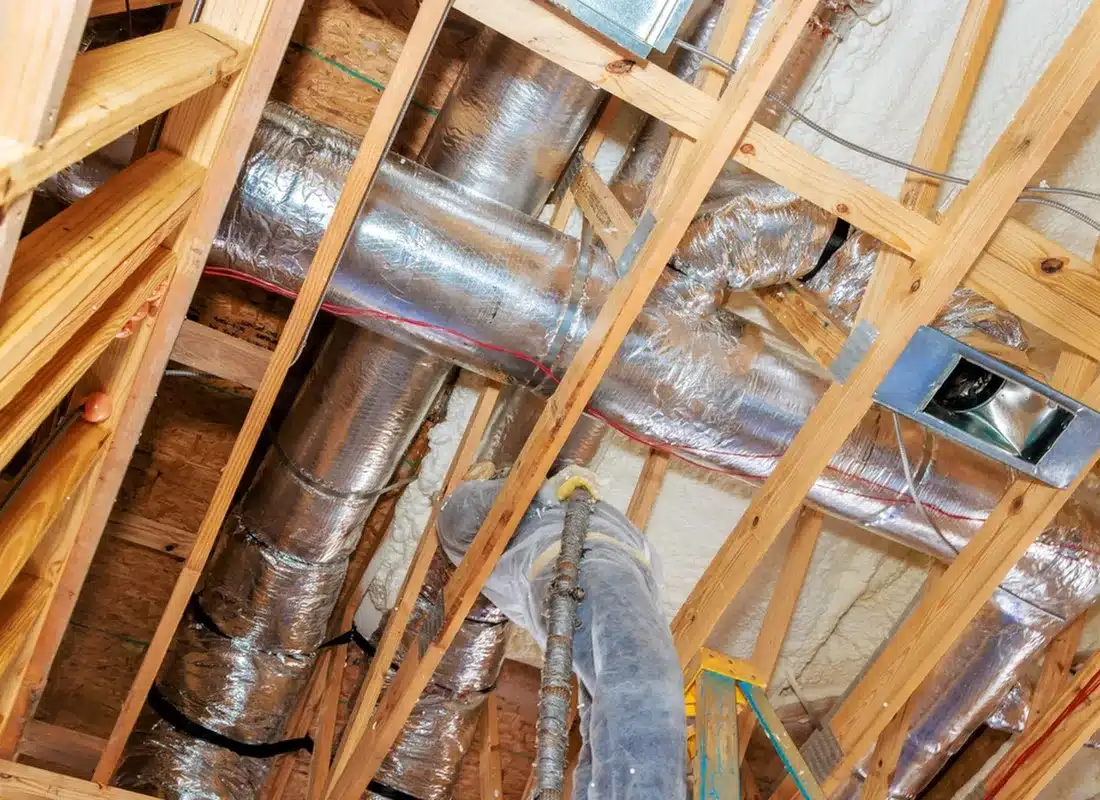
- Long and leaky supply runs. Ducts that travel a long way to reach upstairs rooms lose pressure, and unsealed joints leak conditioned air into the attic or wall cavities before it ever arrives at the register.
- Attic heat gain. In summer, an Ontario attic can climb well past 50°C and radiate that heat down through the ceilings and through any ducts routed through the attic space.
- Dampers and balance. Dampers left in the wrong position, or a duct system that was never properly balanced, can quietly starve the upstairs to feed the main floor.
This is why one generic tip rarely solves the problem. The right fix depends on which of these is actually happening in your specific home, and usually it is a combination of two or three.
What Actually Fixes Second-Floor Airflow
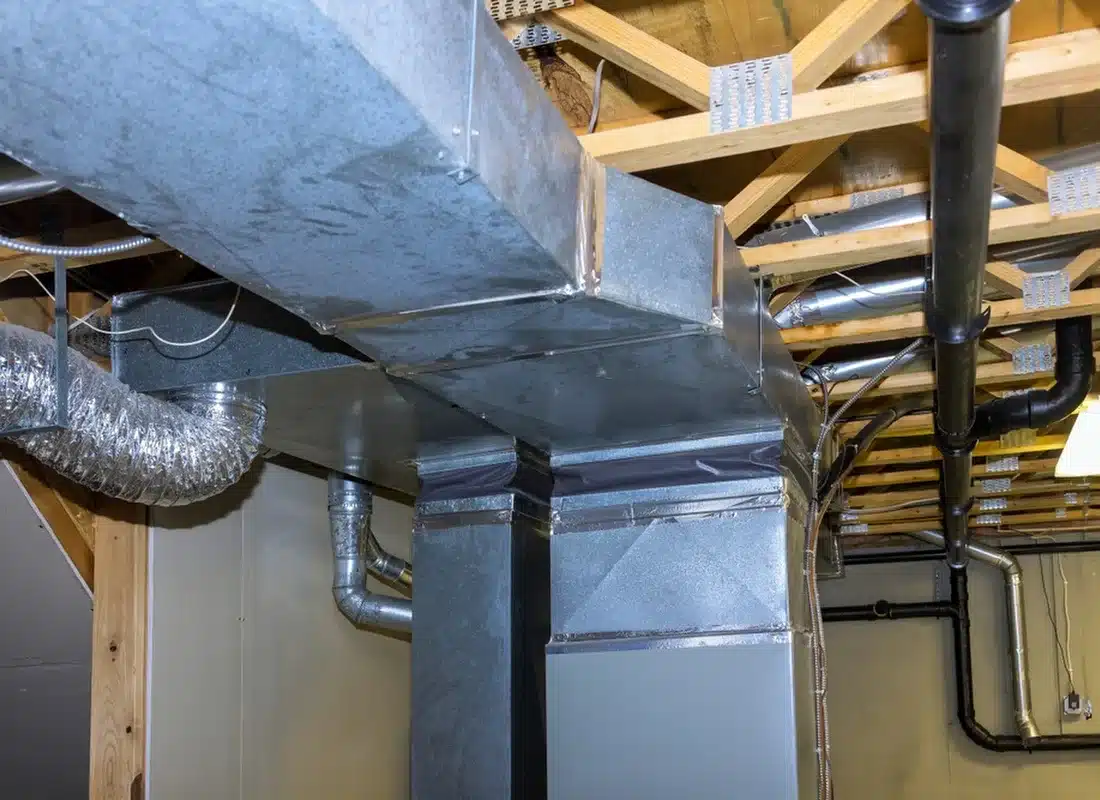
Custom ductwork is sometimes the answer, but it is not always the first step. Depending on what we find, the practical fix can be:
- Balancing and damper adjustment to redirect more air upstairs. This is often the cheapest place to start and can make a noticeable difference on its own.
- Sealing leaky ducts so conditioned air actually reaches the upstairs registers instead of leaking into the attic and wall cavities.
- Adding a return-air path upstairs so warm air has somewhere to go. This is one of the most overlooked and most effective fixes in a two-storey home.
- Upgrading or relocating registers that are undersized, blocked, or poorly placed for the room.
- Zoning the system so the upstairs and the main floor can be controlled separately with their own thermostats.
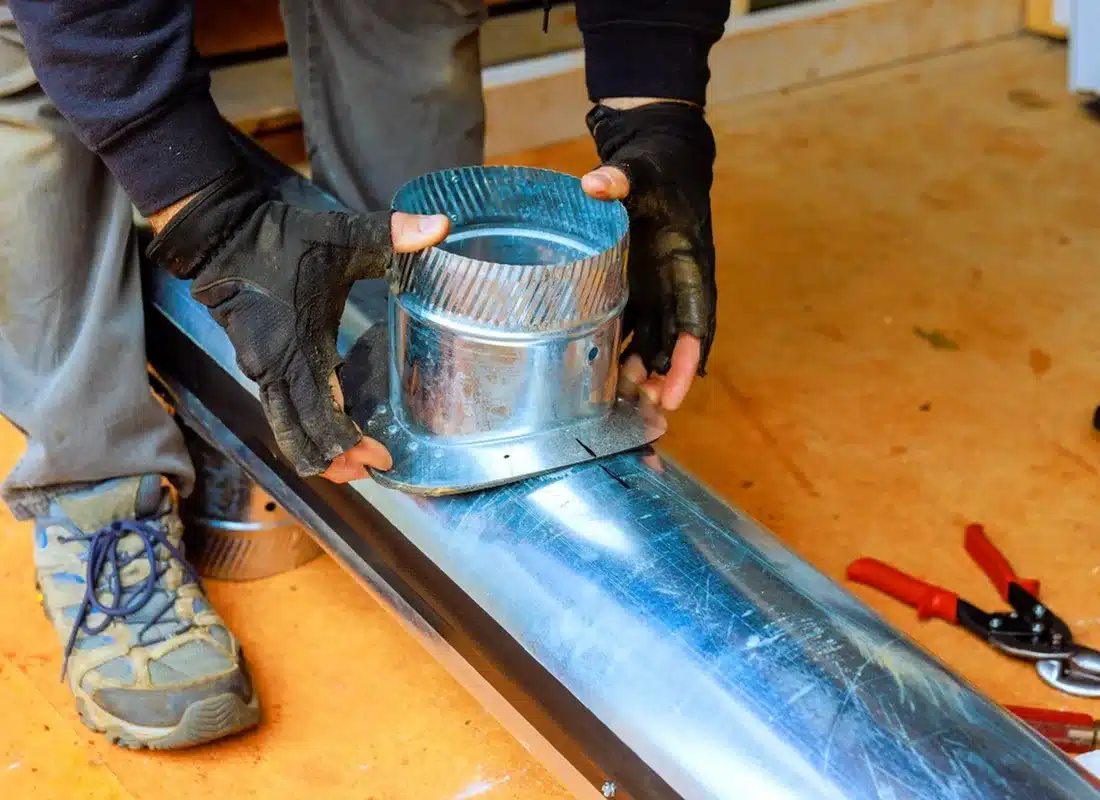
- Custom ductwork when the trunk line, branch runs, or returns were never sized to serve the second floor. This is the right call when smaller adjustments cannot overcome the original duct design.
For broader efficiency and comfort context, ENERGY STAR heating and cooling guidance and Natural Resources Canada are useful background before you compare options with a contractor.
How We Diagnose Second-Floor Airflow
Guessing is expensive, so we measure before recommending anything. A proper airflow review usually includes room-by-room temperature readings to map exactly where the heat collects, a check of static pressure to see whether the system is fighting restriction, airflow measurements at the upstairs registers and returns, and a close look at duct routing, sealing, and damper positions. That evidence is what tells us whether balancing, a new return, duct sealing, or custom ductwork is the right next step, and what you can realistically expect from each option before you spend a dollar.
What You Can Track Before We Visit
You can make the diagnosis faster and more accurate by paying attention for a few days first. Note which rooms are uncomfortable and at what times of day the problem is worst. Check whether the upstairs improves when interior doors are left open, which points to a return-air issue. Watch how long the system runs and whether the main floor overshoots while the upstairs lags. Write down the temperature difference between floors at the hottest part of the afternoon. A few simple notes give us a real pattern to work from instead of a single snapshot, and they often narrow the likely cause before we arrive.
Why Durham Region Homes Deserve a Local Look
Oshawa and the surrounding Durham communities move from cool spring nights to humid summer afternoons and then into long, demanding heating seasons. A lot of the local housing stock is two-storey, built with the same duct-design compromises that leave the upper level short on supply and return. A home in Whitby, Bowmanville, or Courtice with a long run to the back bedrooms behaves very differently from a newer build with a tighter envelope. A recommendation that accounts for your home’s age, layout, and how you actually use the upstairs is far more useful than a generic buying guide. Pairing the right airflow fix with regular HVAC maintenance and a properly matched air conditioning system is what keeps the whole house comfortable instead of just the main floor.
Frequently Asked Questions
Will custom ductwork always fix a hot upstairs?
Not always, and that is exactly why we diagnose first. If the real issue is a missing return or leaky ducts, those fixes can solve the problem at a fraction of the cost. Custom ductwork is the right call when the duct design itself cannot deliver and return enough air to the second floor no matter how it is balanced.
Is it cheaper to just install a bigger air conditioner?
Usually not. An oversized AC short-cycles, controls humidity poorly, and still cannot push air where the ducts will not carry it. Solving the airflow path almost always beats simply adding cooling capacity, and it costs less to run.
How disruptive is duct work in a finished home?
It depends on the scope. Sealing, balancing, and adding a single return are often minor and done in a visit. Larger duct redesigns are more involved, which is exactly why we measure first and tell you what each option requires before any work begins.
When is the best time to address this?
Before the first real heat wave. Airflow problems are easiest to diagnose and schedule in the shoulder season, and waiting until mid-summer usually means longer wait times and a hotter upstairs while you wait.
Talk to Fortis About Your Second Floor
If your upstairs never quite keeps up, contact Fortis Heating & Air Conditioning at (289) 688-4822. We serve Oshawa, Whitby, Bowmanville, Courtice, and the surrounding Durham Region, and we will measure what is actually happening before recommending balancing, sealing, a new return, or custom ductwork. Start on our contact page and book an airflow review before the busy summer stretch fills up.