

Maintaining our HVAC system is essential for ensuring it runs efficiently and keeps our homes comfortable year-round. Simple maintenance tasks can prevent costly repairs, enhance energy efficiency, and prolong the system’s life. By regularly checking and servicing our HVAC units, we can avoid many common issues that might otherwise go unnoticed.
Air filters, for instance, play a crucial role in maintaining indoor air quality and system performance. Dirty or clogged filters can impede airflow, making the system work harder and increasing the risk of breakdowns. Regularly cleaning or replacing the filters is a straightforward task that can make a significant difference in how well the HVAC system functions.
Furthermore, professional inspections are vital for identifying and addressing potential problems early. Scheduling routine check-ups with a certified technician can ensure that all components of the HVAC system are operating as they should. This proactive approach can save us from unexpected failures and keep our system running smoothly throughout the year.
Importance of Regular HVAC Maintenance

Regular HVAC maintenance is crucial for keeping our systems running efficiently and effectively. One of the primary benefits is improved energy efficiency. When HVAC components are clean and in good working order, they don’t have to work as hard to heat or cool our homes. This translates into lower energy bills and a reduced environmental footprint. Regular maintenance also helps to maintain consistent indoor temperatures, providing greater comfort throughout our living spaces.
Ensuring our HVAC systems are regularly maintained can prolong their lifespan. By addressing minor issues before they escalate into major problems, we avoid costly repairs and system replacements. Regular maintenance checks help identify worn-out parts and potential issues that could lead to system failure. This proactive approach saves money in the long run and ensures our systems are always ready to handle our heating and cooling needs.
There’s a seasonal rhythm to it as well. In the Durham Region, our equipment swings from months of steady furnace use to a stretch of demanding summer cooling, with very little downtime in between. Servicing the air conditioner in spring and the furnace in fall means each system is ready before it faces its heaviest workload — rather than discovering a problem on the first frigid night or the first heat wave of the year.
Cleaning and Replacing Air Filters
Cleaning and replacing air filters is one of the simplest yet most important maintenance tasks for our HVAC systems. Air filters trap dust, pollen, and other particles, preventing them from circulating through our homes. Over time, these filters can become clogged, reducing airflow and making the system work harder. By regularly cleaning or replacing the filters, we ensure our HVAC systems operate efficiently and maintain good air quality.
We should check our HVAC filters every month and clean or replace them as needed, usually every three months or more frequently if we have pets or live in a dusty environment. A clean filter helps prevent the buildup of dust and debris inside the HVAC system, reducing the risk of breakdowns and costly repairs. By keeping up with this simple task, we can improve both the performance and longevity of our heating and cooling systems.
It also helps to choose the right filter in the first place. Filters carry a MERV rating that describes how fine a particle they capture — a higher number traps more, but a rating that is too high for your system can actually restrict airflow and strain the blower. For most Durham Region homes, a mid-range pleated filter strikes the best balance between clean air and healthy airflow. Note the size printed on the frame so you can buy the correct replacement, and mark the install date on the edge as a simple reminder.
Scheduling Professional Inspections

Scheduling professional inspections for our HVAC systems is a vital part of maintaining their efficiency and longevity. Professional HVAC technicians have the expertise to thoroughly examine our systems and identify potential problems that might not be apparent to us. They can check crucial components like the thermostat, electrical connections, and system controls to ensure everything is operating correctly. Regular inspections help catch small issues before they turn into costly repairs or complete system failures.
A professional inspection usually includes a comprehensive check of our system’s performance, as well as cleaning and lubrication of moving parts. This thorough service helps to improve energy efficiency, prevent unexpected breakdowns, and extend the life of our HVAC equipment. By scheduling these inspections at least once a year, we can enjoy peace of mind knowing that our systems are in good hands and prepared to handle the demands of each season.
What a Professional Tune-Up Actually Includes
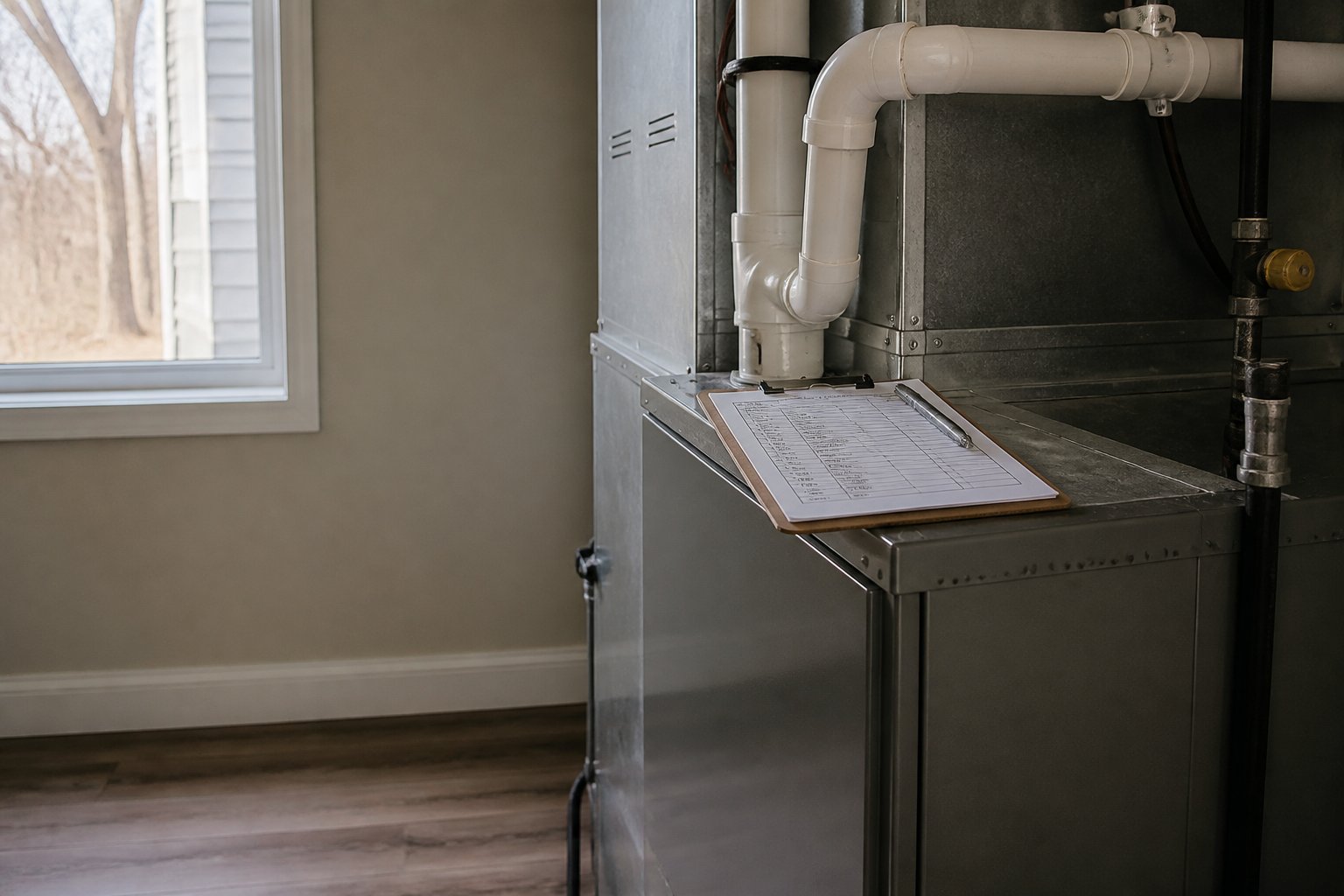
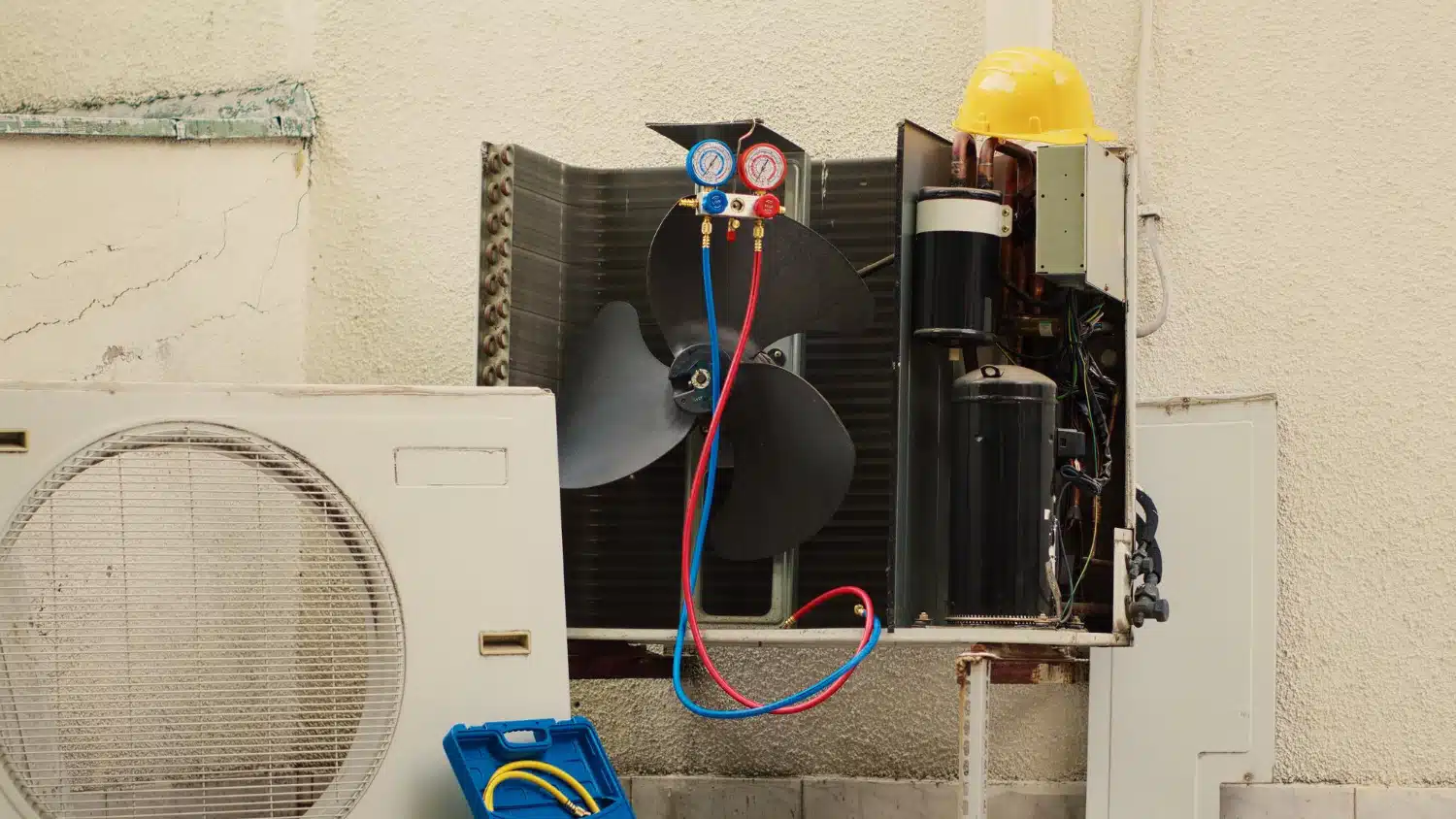
It helps to know what a technician is checking so you can appreciate why the visit matters. On a furnace, a proper tune-up typically means inspecting the burners and ignition system, testing the flame sensor, measuring gas pressure, checking the heat exchanger for cracks, and confirming the safety controls all respond correctly. On an air conditioner or heat pump, the technician measures the refrigerant charge, cleans the outdoor coil, tests the capacitor and contactor, and checks the blower’s amp draw. Loose electrical connections are tightened and the condensate drain is cleared so it doesn’t overflow. Each of these small checks catches the kind of quiet wear that leads to a mid-season breakdown, which is exactly why an annual visit pays for itself in avoided emergencies.
Simple Tips to Prevent Wear and Tear on Your HVAC System
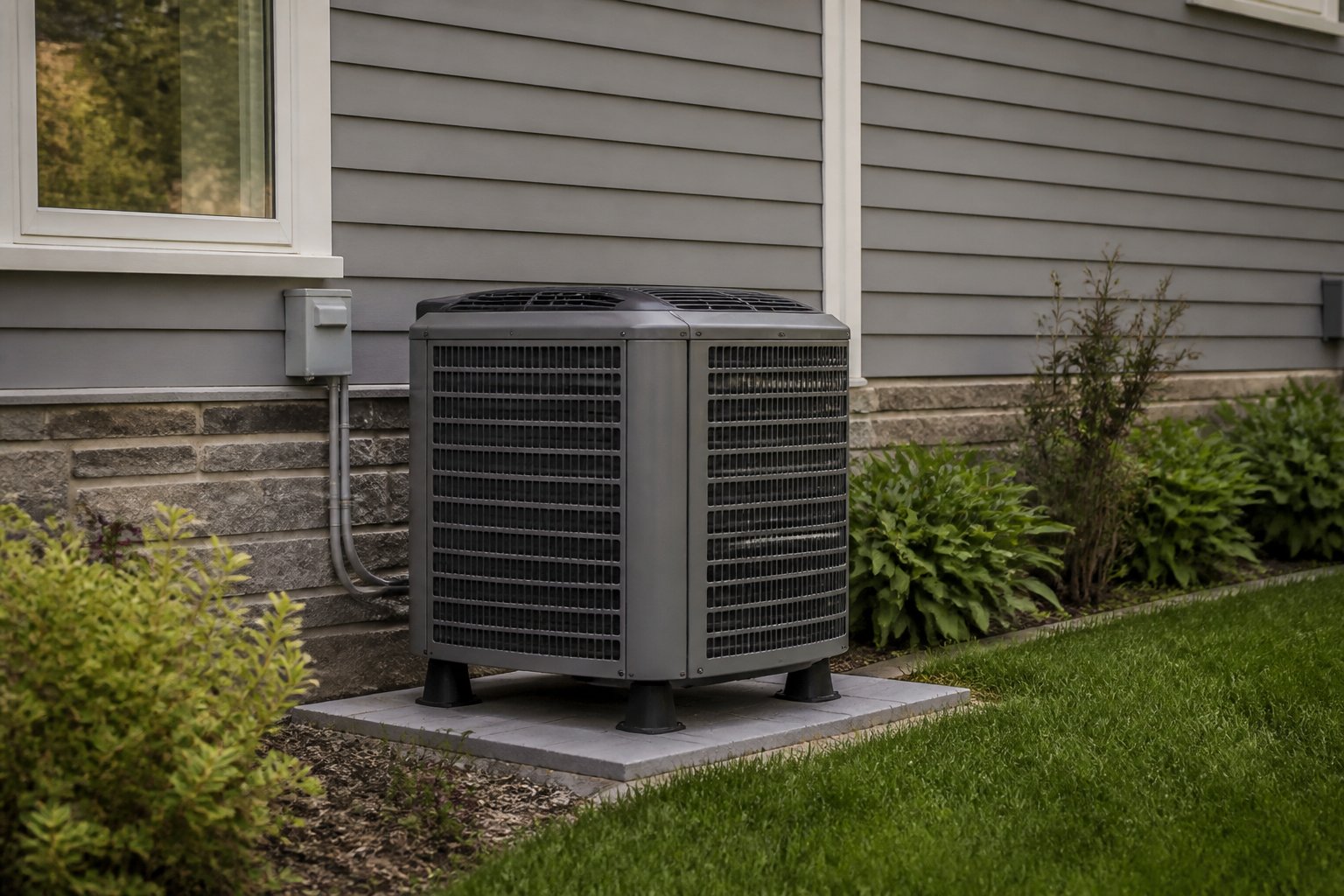
Preventing wear and tear on our HVAC systems is key to maintaining their efficiency and longevity. One simple tip is to keep the area around our HVAC units clean and clear of debris. Outdoor units can become obstructed by leaves, dirt, and other debris, reducing airflow and causing the system to work harder. Regularly checking and cleaning the unit’s exterior helps to ensure it operates smoothly.
Another tip is to set reasonable temperatures on our thermostats. Constantly adjusting the temperature can make the system work harder, increasing wear and tear. Using a programmable thermostat to maintain a consistent temperature can help reduce strain on the system. We should also ensure that our vents and registers are open and unobstructed to allow proper airflow throughout our homes. This helps to balance the load on the HVAC system and promotes more efficient heating and cooling.
Our winters call for a little extra care around the outdoor unit. Keep snow and ice from piling up against an air conditioner or heat pump, and never wrap the unit tightly in plastic, which traps moisture and invites rust — a breathable cover or a simple plywood shield above it is enough to fend off falling ice. If you run a heat pump through the winter, brush snow away from the coils after a storm so it can breathe. A quick seasonal walk-around like this keeps small problems from turning into spring repairs.
A Simple Seasonal Maintenance Checklist
Keeping maintenance on track is easier when you tie it to the seasons. Use this quick homeowner checklist between professional visits:
– Monthly: Check the filter and replace it when it looks grey or clogged.
– Spring: Book the air-conditioner tune-up, clear leaves and debris from the outdoor unit, and test the system on a mild day before the first heat wave.
– Fall: Schedule the furnace inspection, test your carbon monoxide and smoke alarms, and confirm the exhaust vents are clear of obstructions.
– After storms: Clear snow and ice away from the outdoor equipment and the vent pipes.
Conclusion
Regular HVAC maintenance is essential for maintaining the efficiency, performance, and longevity of our heating and cooling systems. By scheduling professional inspections, cleaning or replacing air filters, and following simple preventive tips, we can ensure our systems run smoothly and efficiently. Regular maintenance not only helps to avoid costly repairs and unexpected breakdowns but also contributes to better air quality and comfort in our homes.
Put Your HVAC Maintenance on a Dependable Schedule
The homeowners who avoid surprise breakdowns are usually the ones who never let maintenance slide. If you’d rather not track tune-up dates yourself, an annual HVAC maintenance plan lets us keep your furnace, air conditioner, and heat pump on a steady seasonal schedule. Learn more about our HVAC maintenance service in Oshawa, call (289) 688-4822, or set up your next visit through our contact page.
Durham Region maintenance experts: Regular upkeep keeps a system dependable for years, and Fortis Heating looks after homes right across the Durham Region — Oshawa, Whitby, Ajax, Pickering, and east toward Port Hope.
Maintenance Resources
Trusted references to support your seasonal maintenance routine:
Frequently Asked Questions
How often should I service my HVAC system in Oshawa?
Aim for two professional visits a year — the air conditioner in spring and the furnace in fall. Steady tune-ups are what keep a system reliable and its energy use in check over the long run, and in the Durham Region’s climate of hot summers and hard winters, that seasonal maintenance is time well spent.
Can I do HVAC maintenance myself, or do I need a technician?
Homeowners can handle the basics — changing filters, keeping registers clear, and clearing debris and snow from the outdoor unit. Tasks that involve refrigerant, gas, electrical components, or the heat exchanger should be left to a licensed technician, both for safety and to keep any manufacturer warranty valid. A yearly professional visit covers what you can’t safely check yourself.
What temperature should I set my thermostat to save energy?
Many Ontario homeowners find 20-21°C (68-70°F) comfortable while they are home, then set it back a few degrees overnight or when the house is empty. A programmable or smart thermostat carries out that routine on its own, so the savings happen without any daily effort.
How long does an HVAC system typically last?
A furnace kept in good shape lasts around 15-20 years, air conditioners average 10-15, and heat pumps typically 12-15. Regular professional maintenance and timely filter changes are the clearest reason some systems reach the top of those ranges while neglected ones fall short.