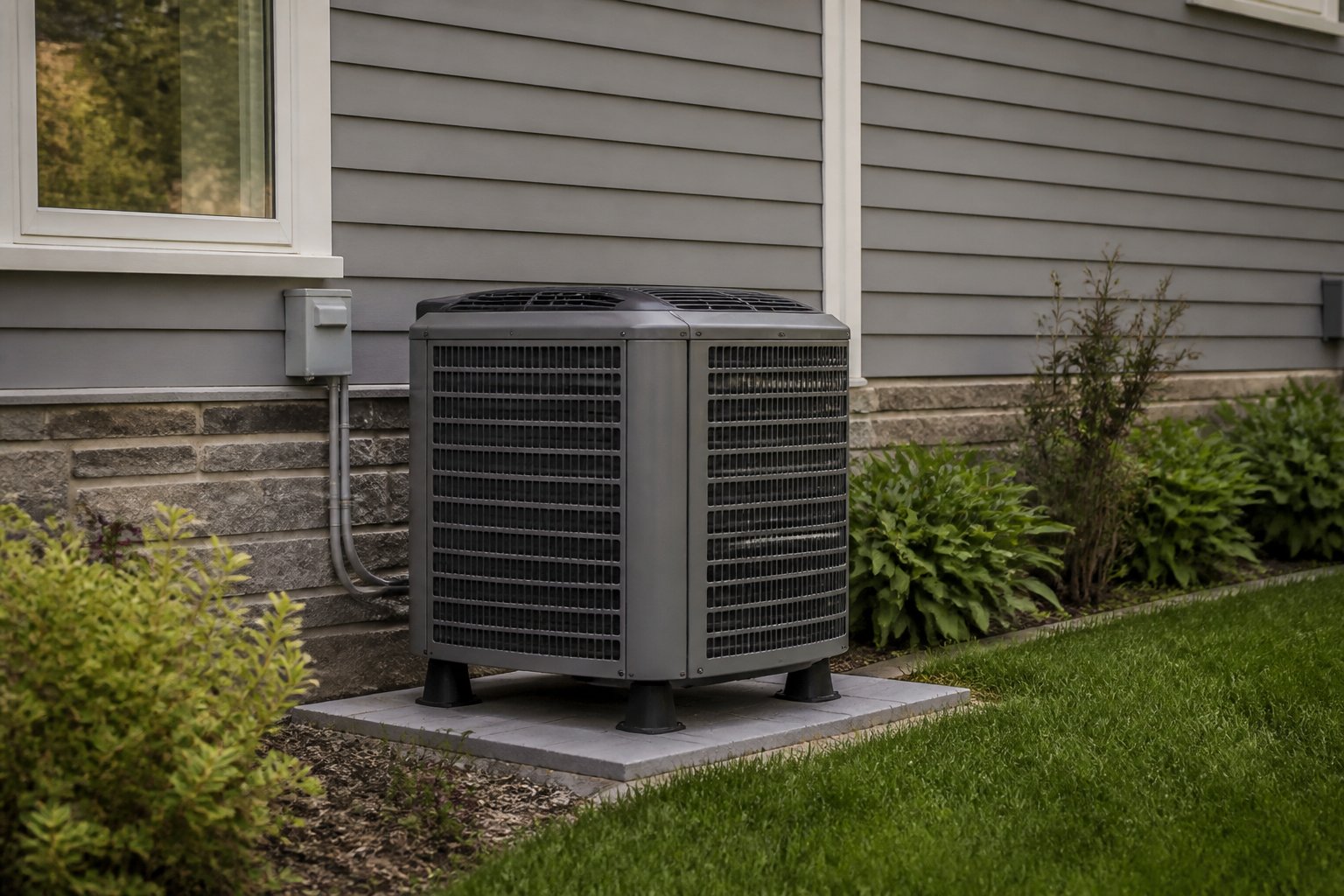



As awareness of climate change and environmental issues continues to grow, many homeowners in the Durham Region have embraced sustainable living practices in an effort to reduce their carbon footprint. One of the most significant and impactful changes you can make in your home involves upgrading your heating, ventilation, and air conditioning (HVAC) system. An energy-efficient HVAC system can greatly contribute to reducing your home’s energy consumption, leading to lower utility bills and a diminished environmental impact.
In this article, we will shed light on an energy-efficient HVAC system’s role in minimizing your carbon footprint and promoting sustainable living. We will discuss various energy-saving features and technologies available in modern HVAC systems and highlight the importance of regular maintenance and system optimization. In addition, we will emphasize the value of partnering with a locally owned, reliable, and experienced HVAC company like Fortis Heating & Air Conditioning to help design, install, and maintain energy-efficient solutions tailored to your Durham Region home.
By understanding the correlation between your HVAC system and your carbon footprint and taking proactive steps to improve energy efficiency, you can contribute to a more sustainable and eco-friendly living environment. Trust Fortis Heating & Air Conditioning to help you develop energy-efficient HVAC solutions for your Durham Region home, promoting a greener lifestyle and reducing your environmental impact.
Energy-Saving Features and Technologies in Modern HVAC Systems

Embracing energy-efficient HVAC technologies can greatly impact your home’s energy consumption and significantly help reduce your carbon footprint. Here, we discuss some popular energy-saving features and options to consider:
1. High-Efficiency Heating and Cooling Systems
HVAC systems with high energy efficiency ratings can result in noticeably reduced energy consumption, offering heating and cooling output that surpass traditional systems. When choosing a new HVAC system, look for high Seasonal Energy Efficiency Ratio (SEER) ratings for air conditioners and high Annual Fuel Utilization Efficiency (AFUE) ratings for furnaces. In practical terms, a furnace with a higher AFUE turns more of the gas you pay for into usable heat, while a higher-SEER air conditioner delivers the same cooling for fewer kilowatt-hours. Over the long Durham heating season, that efficiency gap adds up on every bill.
2. Programmable and Smart Thermostats
Utilize programmable and smart thermostats to schedule temperature settings according to usage patterns, such as reducing heating or cooling when no one is home during the day. Advanced smart thermostats can even learn your habits and preferences, further optimizing energy management.
3. Variable Speed Technology
Variable speed technology allows your HVAC system to adapt its fan speed according to actual heating and cooling needs, ensuring energy-efficient operation with minimal energy waste. Instead of blasting at full power and shutting off, a variable-speed blower or compressor runs longer at a gentle output, which holds temperatures steadier, cuts down on noise, and removes more humidity during a muggy Durham summer.
4. Zoned HVAC Systems
Dividing your home into zones and independently controlling the temperature in each area can result in substantial energy savings by only heating or cooling occupied spaces.
5. Cold-Climate Heat Pumps
Heat pumps have become one of the most talked-about upgrades for Ontario homes, and for good reason. A heat pump moves heat rather than burning fuel to create it, so it can deliver several units of heat for every unit of electricity it draws. Modern cold-climate models are built to keep producing useful heat well below freezing, and many Durham Region homeowners pair one with their existing gas furnace in a “dual-fuel” setup. The heat pump handles the milder shoulder seasons efficiently, and the furnace takes over on the coldest deep-freeze days — the best of both systems working together.
Regular HVAC Maintenance and System Optimization for Energy Efficiency
To obtain an energy-efficient HVAC system, you must ensure regular maintenance and optimize its operation. Here are key ways to achieve this:
1. Air Filter Maintenance
Clean or replace air filters at least once every 90 days, or more frequently if required, to maintain optimal airflow and energy efficiency.
2. Seasonal System Tune-ups
Scheduling professional HVAC inspections and tune-ups at the start of each heating and cooling season can help maintain your system’s efficiency, identify potential issues, and prevent energy waste.
3. Ductwork Inspection and Sealing
Check your ductwork for leaks and seal them properly to prevent air loss and improve energy efficiency.
4. Thermostat Calibration
Ensure thermostats are calibrated accurately; even a small discrepancy can cause inefficient system response and significant energy waste over time.
5. Proper Insulation and Ventilation
Ensure your home is adequately insulated and that ventilation systems are functioning optimally to minimize heat loss and maintain air quality.
Right-Sizing: Why Bigger Isn’t Better
One of the most overlooked parts of an energy-efficient upgrade is choosing the correct capacity. An oversized furnace or air conditioner reaches the set temperature quickly and then shuts off, only to start again a few minutes later. That “short cycling” wastes energy on repeated start-ups, wears out components faster, and leaves rooms unevenly conditioned. An undersized unit runs constantly and still struggles on the hottest and coldest days. The right answer comes from a proper heat-loss and heat-gain calculation that accounts for your home’s square footage, insulation, windows, and orientation — not from simply matching the size of the old equipment. Getting this step right is often where the biggest, most lasting efficiency gains come from.
Partnering with Fortis Heating & Air Conditioning for Energy-Efficient HVAC Solutions

Working with an experienced and reputable HVAC company like Fortis Heating & Air Conditioning is crucial to creating and maintaining energy-efficient heating and cooling solutions for your home. Our team will guide you through the entire process, ensuring the best results:
1. Customized HVAC System Design
Our technicians will assess your home’s heating and cooling needs and design an energy-efficient HVAC system tailored to your unique requirements and preferences. Factors such as house size, insulation, and window positioning will be considered to develop the most efficient solution.
2. Expert Installation
Proper installation is essential to achieving an energy-efficient HVAC system. Our experienced technicians will install your new equipment according to industry standards, ensuring optimal performance and minimizing energy loss.
3. Regular System Maintenance
Fortis Heating & Air Conditioning offers routine system maintenance services to keep your HVAC system operating at peak efficiency, identify issues before they escalate, and prevent energy waste.
4. Energy-Efficient System Upgrades
Whether it’s replacing an aging system with a high-efficiency unit, installing a programmable thermostat, or integrating variable speed technology, our team can recommend and implement upgrades to further improve your HVAC system’s energy efficiency.
Conclusion
Reducing your carbon footprint is a powerful way to contribute to a more sustainable future, and upgrading to an energy-efficient HVAC system can significantly impact your home’s energy consumption. You can create a more eco-friendly, comfortable, and cost-effective living environment by exploring advanced technologies, optimizing your current system, and partnering with a reliable HVAC company like Fortis Heating & Air Conditioning.
Build a Greener, Lower-Cost HVAC System for Your Durham Region Home
The right combination of efficient equipment, correct sizing, and steady maintenance is what turns a greener lifestyle into real, month-after-month savings. If you’re weighing a high-efficiency furnace, a cold-climate heat pump, or a smarter way to run the system you already own, our team can map out the options that fit your home and budget. Explore our HVAC maintenance services in Oshawa, call us at (289) 688-4822, or start the conversation through our contact page to plan your energy-efficient upgrade.
Efficient comfort across the lakeshore: To help lower both energy use and emissions, Fortis Heating installs high-efficiency HVAC across Oshawa, Whitby, Ajax and Pickering, reaching Newcastle, Port Hope and Cobourg.
Lower Your Footprint: Helpful Links
If reducing energy use and emissions at home is your goal, these resources cover efficiency upgrades and the safe operation of fuel-burning equipment.
Frequently Asked Questions
What HVAC services does Fortis Heating offer in Oshawa?
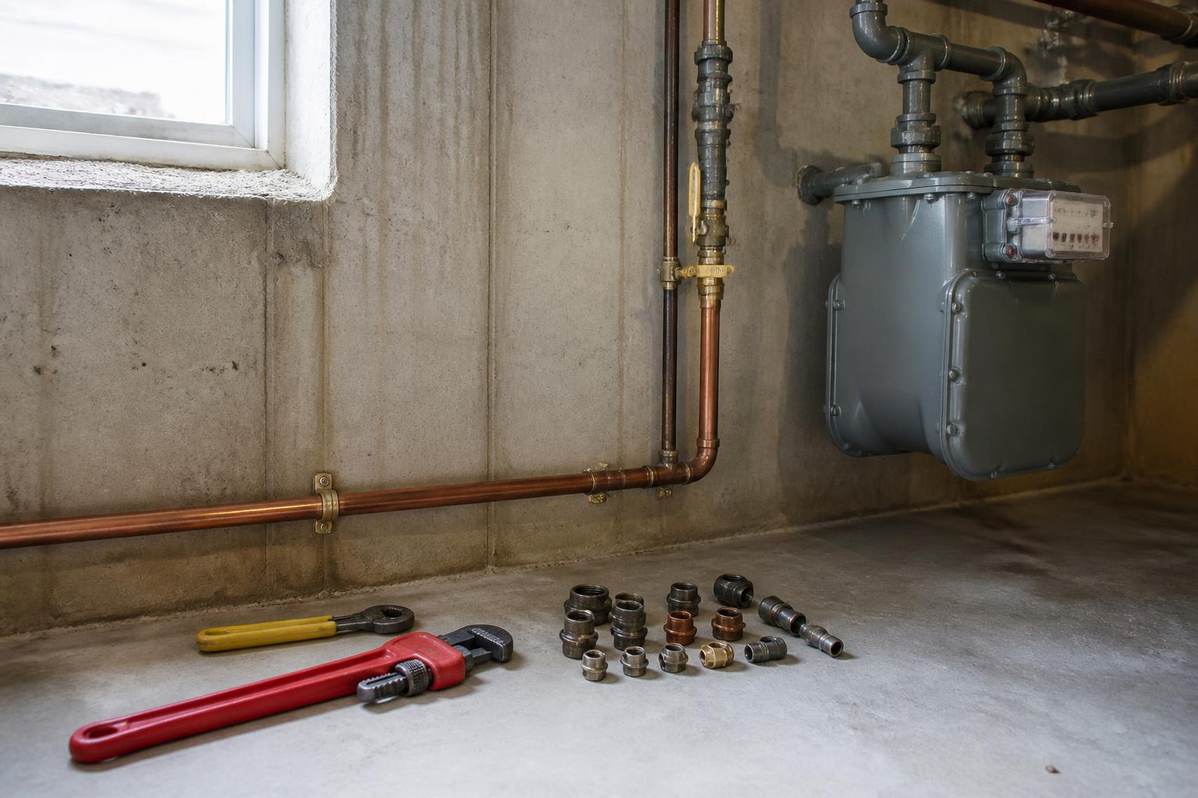
Fortis Heating & Air Conditioning is a full-service HVAC contractor. Our licensed team handles furnace installation and repair, air conditioning installation and maintenance, heat pump systems, custom ductwork, gas fireplaces, gas line installation, and both conventional hot water tanks and tankless water heaters. We look after homes in Oshawa, Whitby, Ajax, Pickering, Bowmanville and out to the lakeshore communities of the Durham Region.
How do I know if my HVAC system needs professional service?
Watch for warning signs such as unfamiliar noises, rooms that heat or cool unevenly, energy bills creeping higher, short and frequent cycling, weak airflow, or unusual odours — and treat age as a factor once a system passes the 10 to 15 year mark. Any of these is a good reason to book a licensed technician for a proper inspection.
Is a heat pump worth it in Ontario’s cold winters?
Modern cold-climate heat pumps are designed to keep producing heat well below freezing, and many Durham Region homeowners run them alongside a gas furnace so the furnace only takes over on the coldest days. This dual-fuel approach can lower overall energy use across the milder parts of the heating season. The best setup depends on your home’s insulation and existing equipment, which is why a professional assessment is worthwhile.
Are there energy rebates for HVAC upgrades in Ontario?
Often, yes. Federal, provincial, and local utility programs periodically offer incentives on high-efficiency equipment such as furnaces, heat pumps, and smart thermostats. Because program names, funding, and eligibility rules change from year to year, it’s wise to confirm what’s active before committing to a purchase. Fortis Heating keeps track of the programs that apply in the Durham Region and can steer you toward qualifying equipment.