

Winter is a magical time of year, with the snow, the holidays, and the cozy feeling of being inside when the temperatures drop. But when the cold temperatures hit, having your HVAC stop working can quickly turn that comfortable feeling into a cold, uncomfortable nightmare.
Unfortunately, the potential for HVAC problems increases in cold weather. However, if you have scheduled HVAC maintenance services, you can avoid the following issues:
Frozen Pipes

Winter can be a trying time for homeowners. Not only does the cold weather mean higher heating bills, but it can also cause several problems with your HVAC system. Frozen pipes are one of the most common issues homeowners face during the winter.
Frozen pipes can be a major issue, preventing hot water from flowing through the system. It can lead to a broken-down HVAC system, a nightmare for any homeowner. Not only will they have to pay for costly repairs, but they will also have to deal with a home that is too cold to be comfortable.
Fortunately, homeowners can take a few steps to prevent frozen pipes from ruining their HVAC system. Below are some tips from leading HVAC maintenance services in Oshawa:
- Ensure that all pipes are adequately insulated. It will help keep the lines from freezing, even in the coldest weather.
- Additionally, homeowners should ensure that their HVAC system is properly serviced and maintained during winter. Doing this will help ensure the system is functioning correctly and can help prevent any unexpected breakdowns.
- Finally, homeowners should also be aware of any signs of frozen pipes. If there is a drop in the water pressure or cold air from the vents, the lines might be frozen. If this happens, it is essential to call a professional as soon as possible to avoid further damage to the HVAC system.
Carbon Monoxide Leaks
Carbon monoxide (CO) is a colourless, odourless, and tasteless environmental gas. It is also one of the most dangerous gases that can be found in the home. Carbon monoxide gas leaks can be an imminent danger for homes with heating systems in place.
Carbon monoxide is formed when carbon-based fuels, such as natural gas, propane, oil, kerosene, and wood, do not burn completely. It can build up in enclosed spaces, such as the home, and reach hazardous levels. It is odourless and tasteless, so it cannot be detected without special equipment.
It is essential to ensure that all fuel-burning appliances, such as furnaces, water heaters, and fireplaces, are adequately maintained to prevent carbon monoxide gas leaks in your home. It is also essential to use fuel-burning appliances only in well-ventilated areas. You should install a carbon monoxide detector in your home and regularly check to ensure it works correctly.
You must know the dangers of carbon monoxide gas leaks in your home. It is a silent killer that can be prevented with the proper steps. Properly maintain your fuel-burning appliances and install a carbon monoxide detector to keep your home safe.
Pilot Light Problems
One of the most common problems homeowners face is pilot light problems. Fortunately, scheduling regular HVAC maintenance services can easily prevent these issues.
Regular HVAC maintenance can prevent pilot light issues by ensuring that the components of your HVAC system are working correctly and that the system is running efficiently. During a maintenance service, a technician will check the pilot light and all of your HVAC system’s other components to ensure they are functioning correctly. It can help to identify any potential problems before they become more serious.
Thermostat and Airflow Checks Before the Cold Sets In
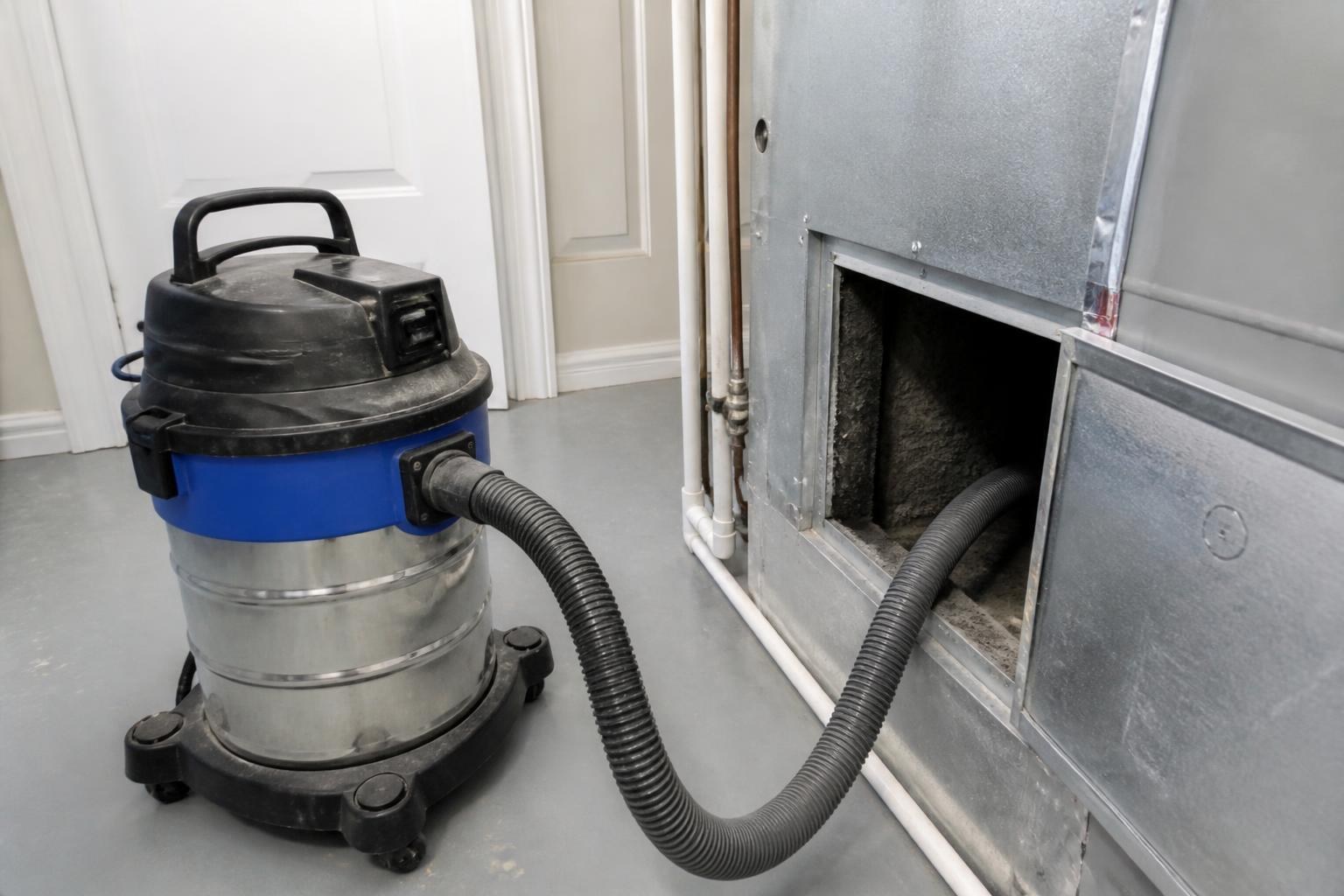
Many winter no-heat calls have nothing to do with a failed part and everything to do with airflow. When a furnace cannot move enough warm air, the heat exchanger overheats and the high-limit switch shuts the burners down as a safety measure. The result is a furnace that runs, stops, and never quite warms the house. The most common culprit is a filter clogged with dust, pet hair, and drywall debris, which is why a fresh filter every one to three months is the single easiest thing a homeowner can do.
Airflow problems also hide in the rooms themselves. Closing too many supply registers, blocking returns with furniture, or shutting doors in unused rooms raises static pressure across the system and forces the blower to work harder. Before the first real cold snap, walk the house and make sure supply and return vents are open and unobstructed.
Your thermostat deserves the same attention. A dead battery, a loose wire, or a unit mounted near a draft or a heat source can send the furnace the wrong signal and cause it to short-cycle or never call for heat at all. Test the changeover to heating mode in early autumn, replace batteries in battery-powered models, and consider a programmable or smart thermostat that lowers the setpoint overnight and recovers it before you wake — a simple upgrade that trims runtime and reduces wear through our long Durham Region winters.
Protecting Heat Pumps Through a Durham Region Cold Snap
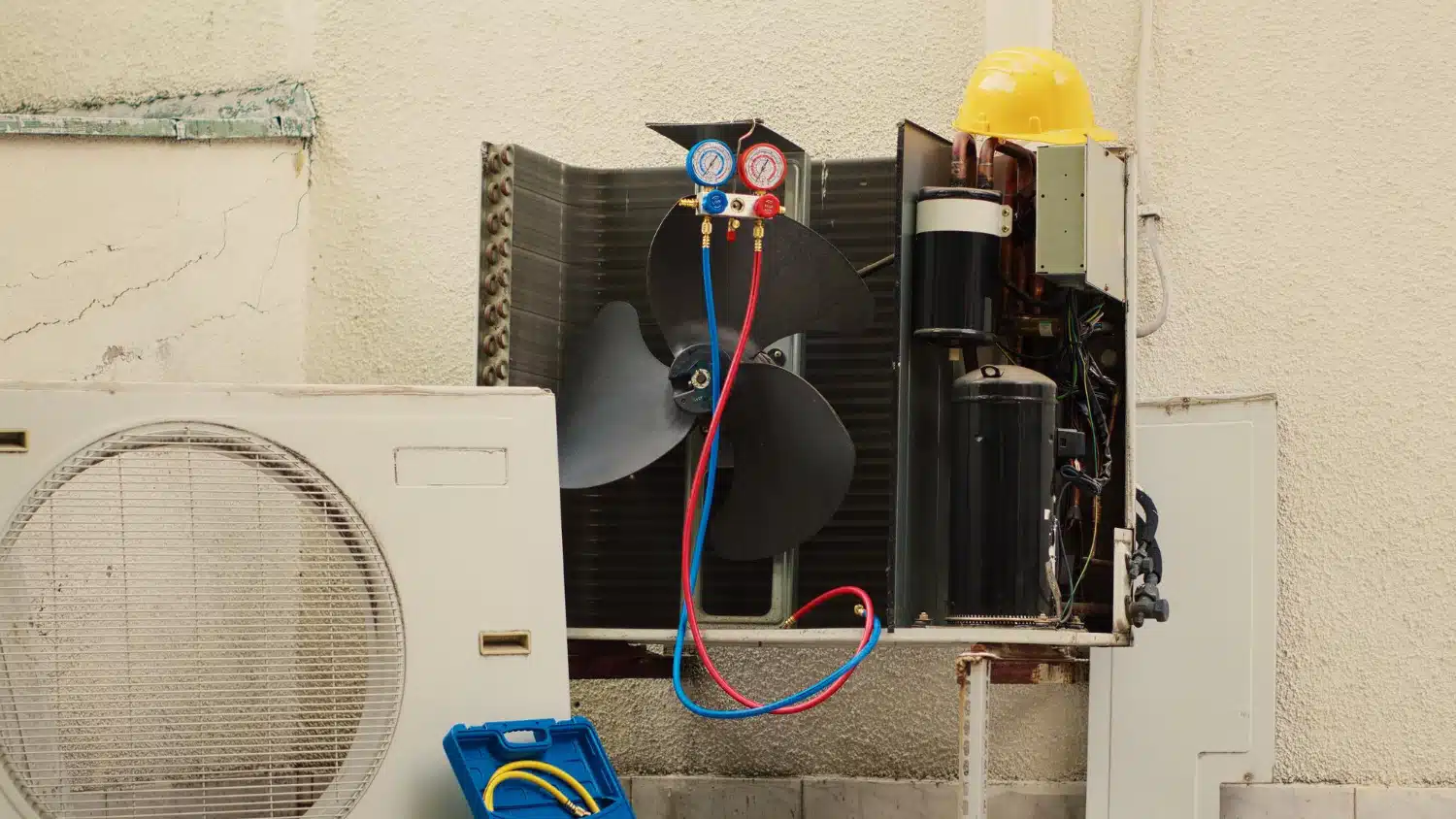
Heat pumps have become a popular, efficient way to heat homes across Oshawa and the surrounding area, but they behave very differently from a gas furnace in deep cold. As the outdoor coil pulls heat from frigid air, frost forms on it, and the unit periodically runs a defrost cycle — briefly reversing to melt that frost. Seeing a puff of steam or hearing the system change note during a defrost is normal; what is not normal is a coil buried in snow or encased in ice.
Keep the outdoor unit clear of drifting snow, and never let it sit in the runoff path from a roof or eavestrough where repeated freeze-thaw cycles can build a block of ice around the fan. Shovel a clear space around the cabinet after a storm, and make sure the unit sits high enough on its pad to stay above typical snow accumulation. Road salt and slush thrown from nearby driveways can also corrode the aluminum fins over time, so a gentle rinse in spring helps the coil breathe.
During a -20°C stretch, most cold-climate heat pumps lean on auxiliary or backup heat to keep up. If you notice the backup running constantly or the home never reaching its setpoint, have the defrost controls, refrigerant charge, and backup staging checked by a technician rather than simply cranking the thermostat higher.
Preparing for an Emergency Furnace Breakdown
Even a well-maintained system can fail at the worst possible moment, so a little preparation goes a long way when it is well below freezing outside. Know where your furnace’s power switch and the gas shutoff are located, keep the batteries in your carbon monoxide and smoke detectors fresh, and store the number of a trusted heating company somewhere everyone in the household can find it.
If the heat does go out during a cold snap, slow the loss of warmth by closing blinds at night, sealing off unused rooms, and running ceiling fans in reverse to push warm air down from the ceiling. Keep a few extra blankets and a safe, approved space heater on hand, and never use a stove, oven, or outdoor generator indoors for heat — those are the exact conditions that create the carbon monoxide risk described earlier. Booking regular maintenance and addressing small warning signs early remains the surest way to avoid these midwinter emergencies altogether.
Conclusion
Scheduled HVAC maintenance services are critical to keeping a home’s HVAC system running at its best. Regular maintenance can help prevent severe problems and save homeowners from costly repairs or replacements. With regular maintenance, homeowners can enjoy improved energy efficiency, fewer repairs, and a system that runs more reliably and lasts longer.
Prevent Winter HVAC Breakdowns in Oshawa
Frozen pipes, a stubborn pilot light, and carbon monoxide risk are all far easier to prevent than to fix once the temperature plunges. A seasonal furnace tune-up catches the small problems that cause the biggest midwinter failures and keeps your home safe and warm through every Oshawa cold snap. Fortis Heating & Air Conditioning offers thorough HVAC maintenance services to Oshawa residents so your heating system stays dependable all season. Call us at (289) 688-4822 or request a visit online to book your pre-winter check before the deep cold arrives.
Serving Durham Region: Fortis Heating heads off winter breakdowns for homeowners in Oshawa, Whitby, Ajax and Pickering, with the same emergency-ready service across Bowmanville, Clarington and Courtice.
Winter HVAC Safety Resources
For more on furnace efficiency and staying safe from carbon monoxide through winter, these references help:
Frequently Asked Questions
What HVAC services does Fortis Heating offer in Oshawa?
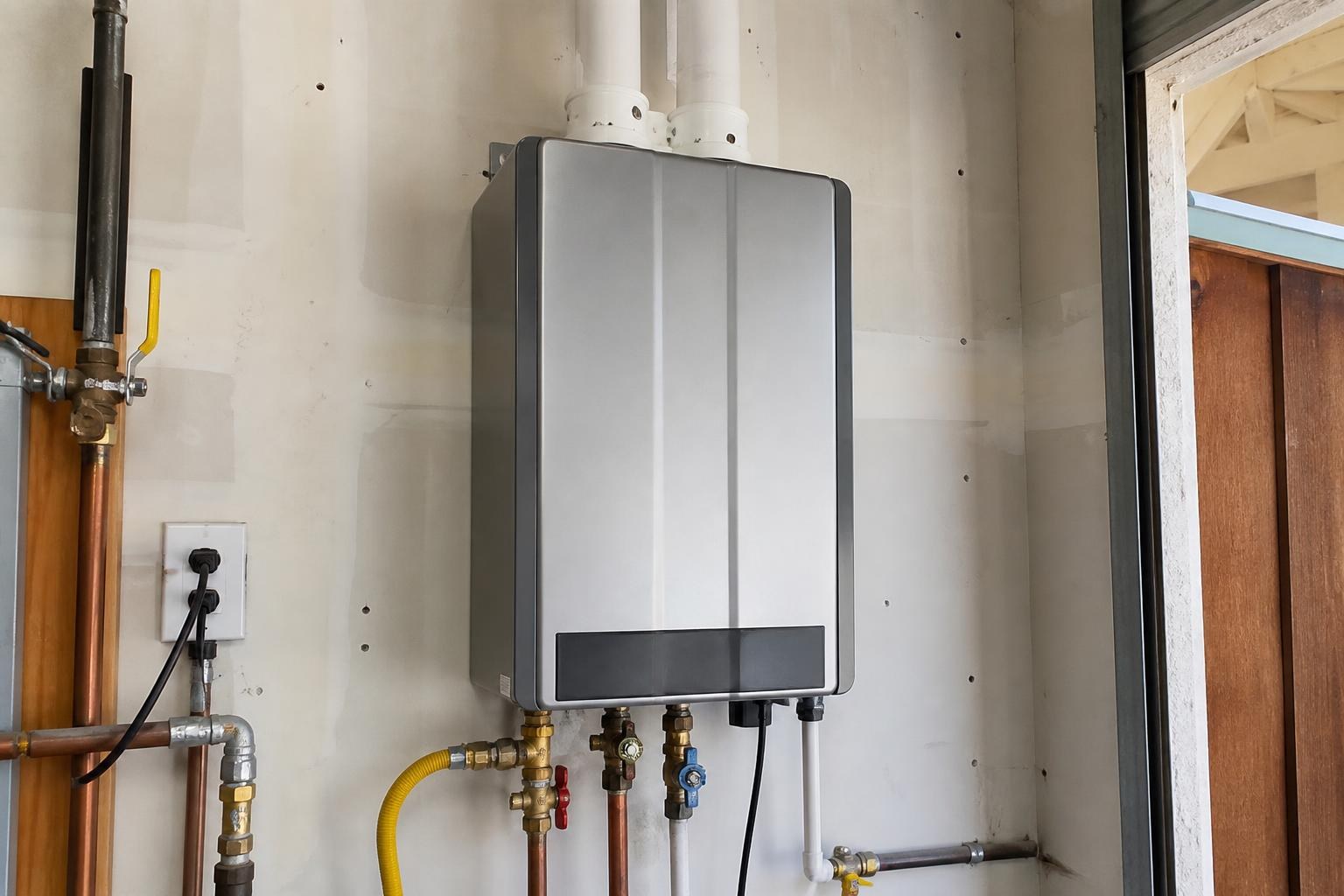
Fortis Heating & Air Conditioning covers furnaces, air conditioning, heat pumps, custom ductwork, gas fireplaces, gas line installation, hot water tanks and tankless water heaters, along with seasonal maintenance plans. Because we work across every part of the system, we can trace a winter no-heat call to its real cause — furnace, ductwork or controls — rather than guessing. We look after homes in Oshawa, Whitby, Ajax, Pickering, Bowmanville, Courtice and throughout Durham Region.
How do I know if my HVAC system needs professional service?
In winter especially, watch for a furnace that runs but never warms the house, short-cycles on and off, makes banging or rattling noises, or gives off an unusual smell, along with rising bills and weak airflow. Any hint of a rotten-egg odour or a carbon monoxide alarm is an immediate call. Systems past 10 to 15 years old deserve a professional look before the coldest stretch arrives.
Are there energy rebates for HVAC upgrades in Ontario?
Sometimes, but the landscape changes often. Programs supporting high-efficiency furnaces, heat pumps and smart thermostats are offered through various federal, provincial and utility channels, and they regularly open, close or get replaced. Check current eligibility directly before making a purchase rather than trusting a number from an article. We follow the programs relevant to the Durham Region and can point you toward qualifying equipment when you upgrade.
How can I prevent my furnace from breaking down in winter?
The most effective steps are booking a professional tune-up in early autumn, changing your furnace filter every one to three months, keeping supply and return vents unobstructed, and testing your thermostat and carbon monoxide detectors before the cold arrives. Catching a worn ignitor, a weak flame sensor, or a struggling blower during a fall inspection is far cheaper than an emergency call during a -20°C cold snap.
Why does my furnace keep starting and stopping in cold weather?
Frequent starting and stopping, known as short-cycling, is often caused by restricted airflow from a clogged filter or blocked vents, a thermostat mounted in a drafty spot, or an oversized furnace. Because short-cycling wastes energy and wears out components, it is worth having a technician diagnose the cause rather than letting it continue through the heating season.