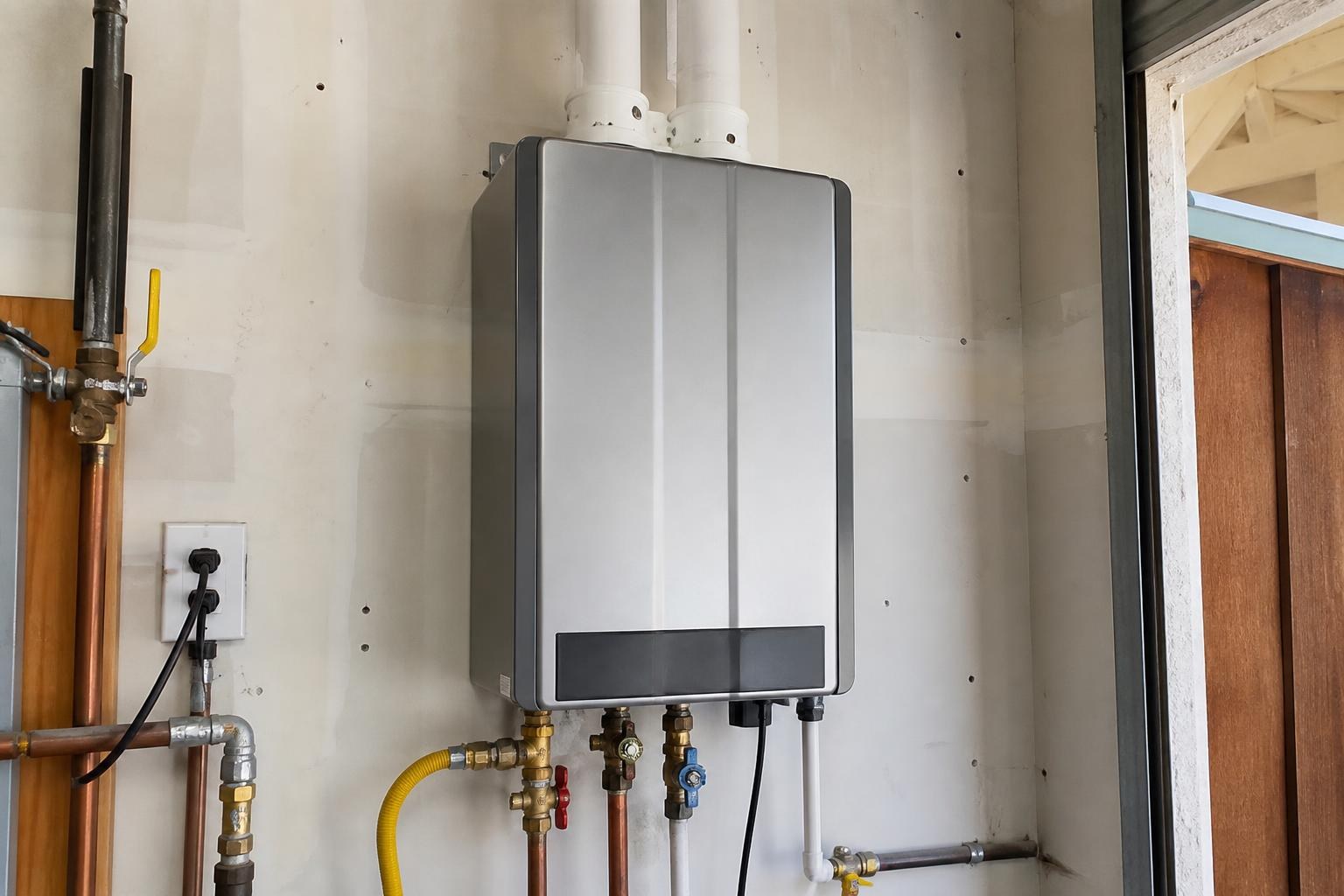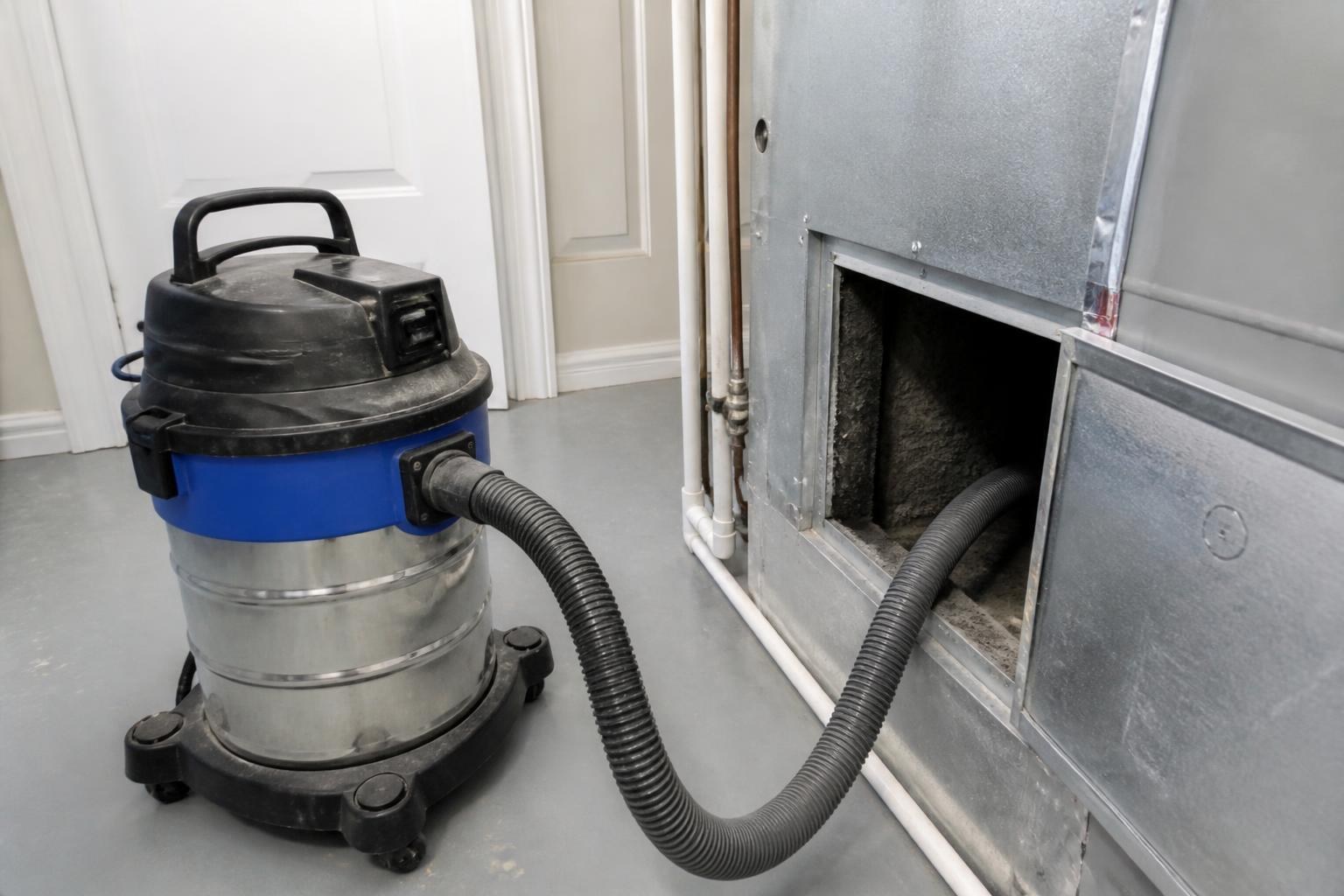



When it comes to furnace repair, there are a few things you should expect to ensure the process goes smoothly. Knowing what to anticipate when you call in a professional can help you stay on top of the project and ensure that the repairs are done correctly and safely.
Here are ten things to expect from a furnace repair project handled by a professional.
A furnace is a sealed combustion appliance, so a good repair is as much about safety as it is about restoring heat. When you understand each stage of the visit, you can ask better questions, spot a thorough technician from a rushed one, and make confident decisions about repairs versus replacement. The steps below walk through what a proper furnace repair looks like from the first knock at the door to the final handoff.
1. Professional Assessment

When you call a professional for a furnace repair, they will usually come to your home to assess the situation. This will involve examining the furnace, checking for any signs of wear and tear, and determining necessary repairs. The professional will also check for any underlying problems that may be causing the furnace to malfunction.
A proper assessment is methodical. The technician reads any flash or error codes on the control board, then works through the ignition sequence: thermostat call, inducer motor, pressure switch, igniter, gas valve, flame sensor, and blower. Common failure points such as a dirty flame sensor, a cracked igniter, a stuck pressure switch, or a tripped high-limit switch are checked in turn. The heat exchanger is also inspected for cracks, because a compromised exchanger is a carbon monoxide risk that changes the entire conversation.
2. Cost Estimates
After the assessment, the professional will provide a repair cost estimate. This will include the cost of materials, labour, and any other associated costs. Make sure to ask any questions to make an informed decision.
A clear estimate should break out the diagnostic fee, the specific parts required, and the labour to install them, so you can see exactly what you are paying for. This is also the moment to ask whether a repair makes sense on an older unit or whether the money is better put toward replacement. A trustworthy technician will lay out both paths honestly rather than pushing the largest ticket.
3. Parts and Materials
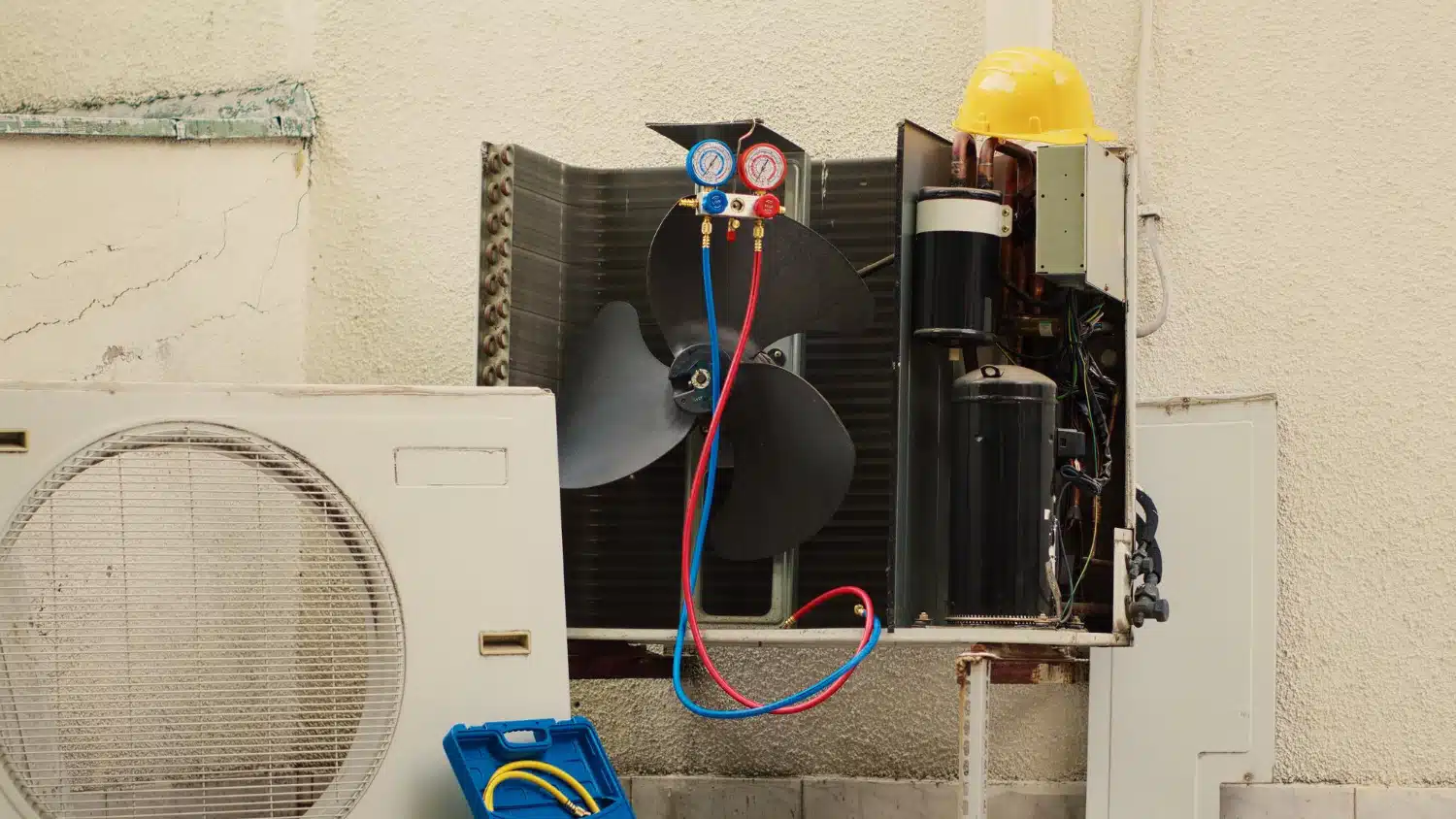
The professional will likely need to order parts and materials to complete the repair. Depending on the type of repair and the availability of the parts, it may take several days or weeks for the parts to arrive. Ask the professional about the expected wait time for the parts and materials.
Fast-moving wear items such as igniters, flame sensors, and blower capacitors are often carried on the truck, so many repairs finish the same day. Model-specific components like a control board, gas valve, or inducer motor may need to be ordered, and the lead time depends on the brand and the unit’s age. Whenever possible, matching parts to the original equipment manufacturer’s specification protects performance and keeps any remaining warranty intact.
4. Replacement Parts
Sometimes, the professional may need to replace some furnace parts. Make sure to ask about the availability of the replacement parts and the cost associated with the replacement.
It helps to know which parts tend to fail and why. Igniters and flame sensors wear out from normal cycling, capacitors weaken with age, and pressure switches can be fooled by a blocked vent or condensate line. Ask whether the replacement part carries its own manufacturer warranty and how long it is expected to last, so you can weigh a single repair against the pattern of an aging system.
5. Safety Procedures
The professional will likely follow safety procedures to ensure the repairs are done safely and correctly. This may include turning off the power to the furnace before beginning the repair, using safety equipment and clothing, and using the proper tools for the job.
With a gas furnace, safety is not optional. The technician shuts off the gas supply and electrical power before opening the cabinet, and in Ontario this work must be performed by a TSSA-registered gas technician. After the repair, a combustion and carbon monoxide check confirms the furnace is burning cleanly and venting properly. These steps protect your household from the two biggest risks of gas heat: unsafe combustion and CO exposure.
6. Testing and Clean-up
After the repairs are complete, the professional will usually test the furnace to ensure it functions correctly. They may also perform some cleaning to ensure the stove is dust or debris-free.
Testing goes beyond simply watching the burners light. The technician runs a full heating cycle, measures the temperature rise across the heat exchanger to confirm it falls within the manufacturer’s range, and verifies the blower and safety switches respond correctly. Cleaning the burner area and clearing the condensate drain on a high-efficiency unit rounds out the visit so the furnace runs cleanly, not just briefly.
7. Warranty
The professional will likely provide a repair warranty. This will ensure that you will be covered if any problems occur in the future. Be sure to inquire about the warranty and read it thoroughly before signing.
There are usually two layers of coverage: the labour warranty from the company doing the work and the parts warranty from the manufacturer. Ask how long each lasts and what could void them, since skipping documented annual maintenance can cancel some manufacturer warranties. Keeping your paperwork and service records in one place makes any future claim far easier.
8. Troubleshooting
If the technician discovers potential problems with your furnace, they will troubleshoot them and ensure they function correctly.
Some faults are intermittent and take patience to pin down. A furnace that short-cycles, ignites and then drops out, or trips a limit switch after a few minutes points to airflow, venting, or a flame-sensing issue rather than one obvious broken part. A good technician recreates the fault, isolates the cause, and confirms the fix holds across several cycles instead of clearing a code and hoping it stays gone.
9. Final Check
The technician will perform a final check to ensure your furnace runs correctly.
The final check ties everything together. The technician confirms the thermostat commands the furnace on and off as expected, rechecks the temperature rise and static pressure, verifies safe venting one last time, and makes sure panels are sealed so the combustion chamber stays airtight. You should be walked through what was found, what was replaced, and what to watch for before the technician leaves.
10. Maintenance Tips
Finally, the technician should provide advice and tips to help keep your furnace in good working order. This may include changing the filter regularly, scheduling annual maintenance, and checking for potential problems.
Simple habits prevent most repeat calls. Change the filter every one to three months, keep supply and return vents unobstructed, replace the thermostat batteries once a year, and keep the area around the furnace clear of clutter. Booking a fall tune-up before the cold sets in catches worn parts early, and a maintenance plan keeps that visit on the calendar so it never gets forgotten.
What You Can Safely Check Before You Call
A few quick checks sometimes solve the problem before a technician is needed. Confirm the thermostat is set to heat and above room temperature and that its batteries are fresh. Make sure the furnace switch and breaker are on, the gas is turned on, and the filter is not clogged, since a badly restricted filter can trip the furnace on high limit. Also check that supply registers are open and the condensate drain is clear. If the furnace still will not run safely after these steps, it is time for professional service.
When a Repair Becomes a Replacement
Not every furnace is worth repairing. If the unit is past roughly 15 years old, has needed several repairs in a short span, or shows a cracked heat exchanger, replacement usually makes more sense than another fix. A newer high-efficiency furnace with a strong AFUE rating also lowers running costs over the seasons. Our technicians will give you an honest comparison so the decision reflects the equipment’s real condition, not just the immediate breakdown.
Conclusion
By understanding what to expect during a furnace repair project, you can be sure you’re getting the best possible service. Make sure to ask your technician any questions and keep an eye out for any potential problems. With the right technician, you can have your furnace up and running again quickly.
Fortis Heating & Air Conditioning is a locally owned and operated HVAC company in the Durham Region. We specialize in HVAC services such as inspections, repairs, installations, and recommendations. Our range of services covers the Durham Region, from Oshawa to Cobourg. With our experienced team and excellent customer service, Fortis Heating & Air Conditioning is the perfect choice for all your HVAC needs. Contact us today for any questions or to book an appointment for our furnace repair in Oshawa!
Serving Durham Region: Fortis handles furnace repairs across Oshawa, Whitby, Ajax and Pickering, and east through Courtice, Bowmanville, Newcastle and Cobourg.
Furnace Resources
Trusted references on furnace safety and efficiency:
Frequently Asked Questions
What HVAC services does Fortis Heating offer in Oshawa?
We install and repair furnaces, air conditioners, and heat pumps, and also handle custom ductwork, gas fireplaces, gas line installation, hot water tanks, and tankless water heaters. Because much of this is gas and combustion work, it’s performed by licensed, TSSA-certified technicians who prioritize safe, quality workmanship across Oshawa, Whitby, Ajax, Pickering, Bowmanville and the Durham Region.
How do I know if my HVAC system needs professional service?
Look out for strange noises, uneven heating or cooling, higher energy bills, short-cycling, poor airflow, unusual odours, or a system older than 10-15 years. If your furnace or AC is showing any of these, a licensed technician should diagnose it before small issues grow.
Are there energy rebates for HVAC upgrades in Ontario?
Sometimes. High-efficiency HVAC rebates and incentives are offered through a mix of federal, provincial, and local utility programs, and the lineup shifts from year to year — programs open, pause, or get replaced. High-efficiency furnaces, heat pumps, and smart thermostats are frequently eligible, but it’s best to confirm what’s currently available before buying rather than trusting an online figure. Fortis Heating keeps track of the programs that apply here in the Durham Region and can steer you toward qualifying equipment.
How long does a typical furnace repair take?
Many common repairs, such as replacing an igniter, flame sensor, or capacitor, are completed in a single visit lasting one to two hours once the fault is diagnosed. Repairs that need a special-order part like a control board or inducer motor may require a return trip. Your technician can give a realistic timeline after the initial assessment.
Is it worth repairing an older furnace?
It depends on the unit’s age, the cost of the repair, and its repair history. A minor fix on a well-maintained furnace under about 15 years old is usually worthwhile, but repeated failures, a cracked heat exchanger, or rising energy bills often tip the balance toward a high-efficiency replacement. We will lay out both options so you can decide with the full picture.
Why does my furnace keep shutting off before the house warms up?
Short cycling like this often comes from restricted airflow, such as a clogged filter or closed vents, that overheats the furnace and trips the high-limit switch. A dirty flame sensor, a blocked vent, or an oversized furnace can cause it too. Because the causes range from simple to serious, it is worth having a technician diagnose the pattern rather than ignoring it.