


A new furnace almost never costs the same for two different Oshawa homes, and that surprises a lot of homeowners who expect a single number. The equipment itself is only one part of the price. Sizing, efficiency tier, ductwork condition, and the complexity of the installation all move the total up or down before a technician ever sets foot in your basement.
Rather than publish a figure that would be wrong for most households, this guide walks through what actually drives new furnace cost in Ontario, so you know what questions to ask and what a fair, written quote should cover.
Why Furnace Replacement Cost Varies So Much in Oshawa and Durham Region
Two furnaces with the same brand name on the box can carry very different price tags once sizing, venting, and installation labour are factored in. A straightforward like-for-like swap in a home with existing ductwork and a clear furnace room is a very different job from a replacement that also needs new venting, electrical work, or ductwork modifications to work properly with a higher-efficiency unit.
Age of the home, whether the existing system was undersized or oversized to begin with, and how the furnace room is laid out all affect labour time. None of that shows up by comparing model numbers online, which is why a phone quote is rarely accurate.
Furnace Size and Your Home’s Actual Heat Load
Furnace capacity is measured in BTUs, and bigger is not automatically better. An oversized furnace short cycles, wastes energy, and wears out faster, while an undersized one runs constantly and still struggles to keep the home comfortable on the coldest days. The correct size depends on square footage, insulation, window count and orientation, ceiling height, and air leakage, not a rule of thumb based on the old unit’s rating plate.
Natural Resources Canada’s guidance on ENERGY STAR certified residential furnaces recommends getting at least three separate quotes and asking each contractor to calculate your home’s actual heat requirement rather than simply matching the old furnace’s output. A proper load calculation is one of the biggest factors in getting an accurate number, and it should always be part of a written estimate.

Efficiency Tier: Standard vs. High-Efficiency Condensing Furnaces
Furnace efficiency is expressed as AFUE, the percentage of fuel that becomes usable heat rather than exhaust. Mid-efficiency units cost less upfront but vent differently than high-efficiency condensing furnaces, which recover more heat from the exhaust and typically require a dedicated intake and exhaust venting setup. The efficiency tier you choose affects both the equipment price and, sometimes, the venting work needed to install it correctly.
According to Natural Resources Canada, an ENERGY STAR certified gas furnace uses about 6% less energy on average than a standard model, which can meaningfully offset the higher purchase price over the life of the equipment, particularly since space heating is typically the largest single share of a home’s energy use.
Ductwork, Venting, and Installation Complexity
If your existing ductwork is undersized, leaky, or was designed around a different furnace’s airflow, a straightforward furnace swap can turn into a bigger job. Some installations also require modified venting, a new condensate line for a high-efficiency unit, or upgraded electrical to support a newer blower motor. None of this is a sign that something is being oversold; it is usually the difference between a furnace that will run efficiently for its full lifespan and one that will struggle against a duct system it was never matched to.
Removing the Old Furnace and Site Conditions
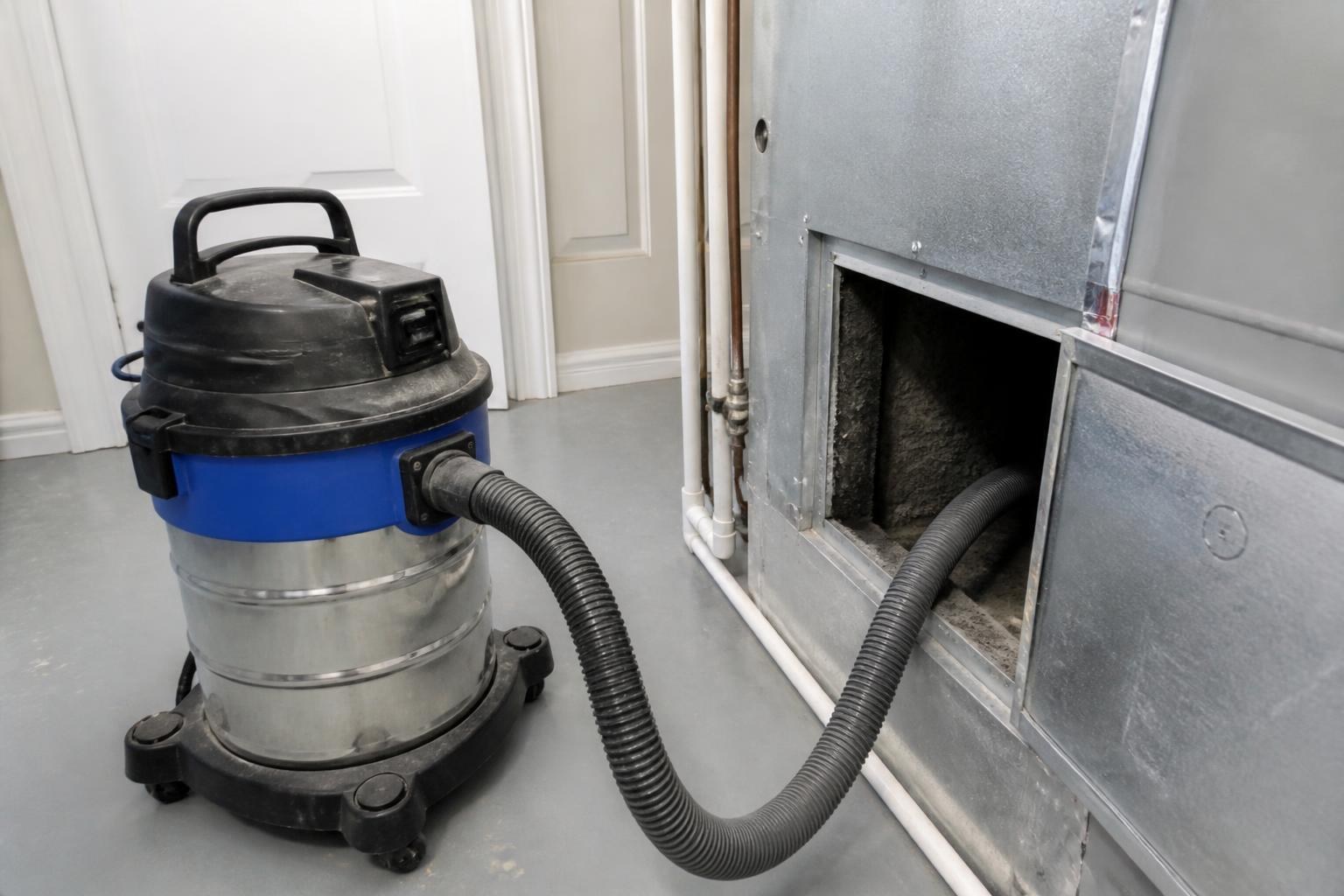
Disposal of the old unit, tight basement access, finished spaces that need protection during the work, and any asbestos-era ductwork or venting that requires careful handling can all add labour time. A contractor who visits in person before quoting will usually catch these details; a quote given over the phone without seeing the space often cannot.
Brand, Equipment Tier, and Warranty Coverage
Fortis Heating & Air Conditioning specializes in Amana furnace installations, which span multiple tiers from base builder-grade models up through variable-speed, high-efficiency systems. Higher tiers generally cost more but often include longer parts warranties, quieter variable-speed blowers, and better temperature consistency room to room. Warranty registration also typically requires professional installation, so it is worth confirming what is covered and for how long before comparing two quotes on price alone.

Rebates, Financing, and Timing
Federal, provincial, and utility rebate programs for high-efficiency heating equipment change fairly often, so it is worth asking your technician which incentives are active at the time you book your installation rather than relying on a program you read about months earlier. Financing options and installation timing also affect total cost: scheduling a replacement before an emergency breakdown generally gives you more time to compare quotes and equipment tiers than replacing a furnace that has already failed in the middle of a cold snap.
What a Fair, Written Furnace Quote Should Include
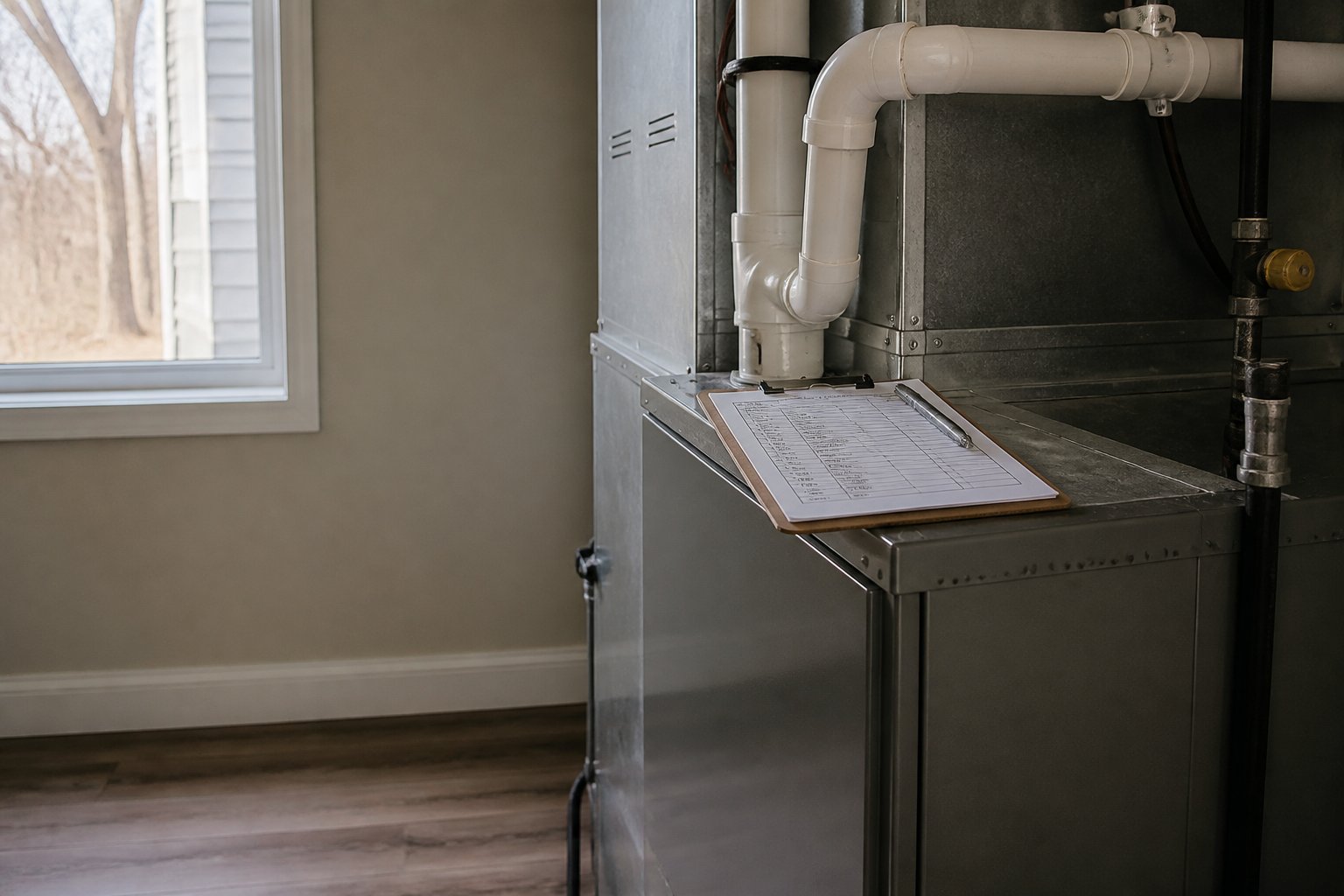
Before agreeing to a furnace replacement, a written quote should spell out:
- A heat-load calculation for your specific home, not just a match to the old unit
- The exact make, model, and AFUE efficiency rating being installed
- Whether ductwork, venting, or electrical modifications are included or billed separately
- Removal and disposal of the old furnace
- Manufacturer warranty terms and what professional registration requires
- Permit requirements and who is responsible for pulling them
A quote missing several of these items is harder to compare fairly against a more detailed one, even if the bottom-line number looks lower.
Comparing Multiple Quotes Without Comparing Apples to Oranges
Two quotes with very different totals often are not describing the same job. One installer may be pricing a base-tier single-stage furnace with no ductwork changes, while another is pricing a two-stage or variable-speed unit that also corrects an undersized return duct. Before deciding on price alone, line up each quote against the same checklist: equipment make, model, and efficiency rating; what ductwork or venting work is included; disposal of the old unit; and warranty terms. A lower number that leaves out ductwork correction or permit costs can end up costing more once those items are added later.
It is also worth asking whether the quoted price is firm or an estimate that could change once the installer opens up the mechanical room. Site conditions such as hidden asbestos-era duct wrap, an undersized electrical panel, or a furnace room that does not meet current clearance requirements can only be confirmed in person, which is another reason an in-home visit produces a more reliable number than a price given sight unseen.
Ongoing Maintenance Protects the Investment
A properly sized, correctly installed furnace still needs regular attention to perform the way it was designed to. Annual HVAC maintenance keeps warranty coverage intact on many manufacturer plans, catches minor wear before it becomes a mid-winter breakdown, and helps the new system deliver the efficiency gains you paid for. Ask whether a maintenance plan is available at the time of installation so the first tune-up is already on the calendar.
Frequently Asked Questions
Is a bigger furnace always better for a cold Ontario winter?
No. An oversized furnace short cycles, which wastes energy and adds wear, while still failing to distribute heat evenly. A proper load calculation based on your home’s specific characteristics is more reliable than choosing a larger unit for peace of mind.
Can I keep my existing ductwork with a new furnace?
Often, yes, especially with a like-for-like replacement. If the ductwork was undersized or leaky for the old system, or you are moving to a different efficiency tier, a technician may recommend modifications so the new furnace can perform as intended.
How long does a furnace replacement typically take?
A straightforward swap in an accessible mechanical room is often completed in a single day. Jobs that require new venting, electrical work, or ductwork changes can take longer, which is one reason an in-person quote is more accurate than a phone estimate.
Should I replace my furnace before it fails completely?
Replacing an aging or failing furnace on your own schedule generally gives you more time to compare equipment tiers, financing, and contractor availability than an emergency replacement during a breakdown in peak winter demand.
Get an Accurate Furnace Replacement Quote in Oshawa and Durham Region
If your furnace is aging, underperforming, or due for repair more often than it should be, Fortis Heating & Air Conditioning provides in-home furnace replacement quotes and home heating installation across Oshawa and Durham Region, backed by ongoing HVAC maintenance once the new system is in place. Call (289) 688-4822 or request an in-home quote to get a heat-load calculation and a detailed, written estimate for your home.