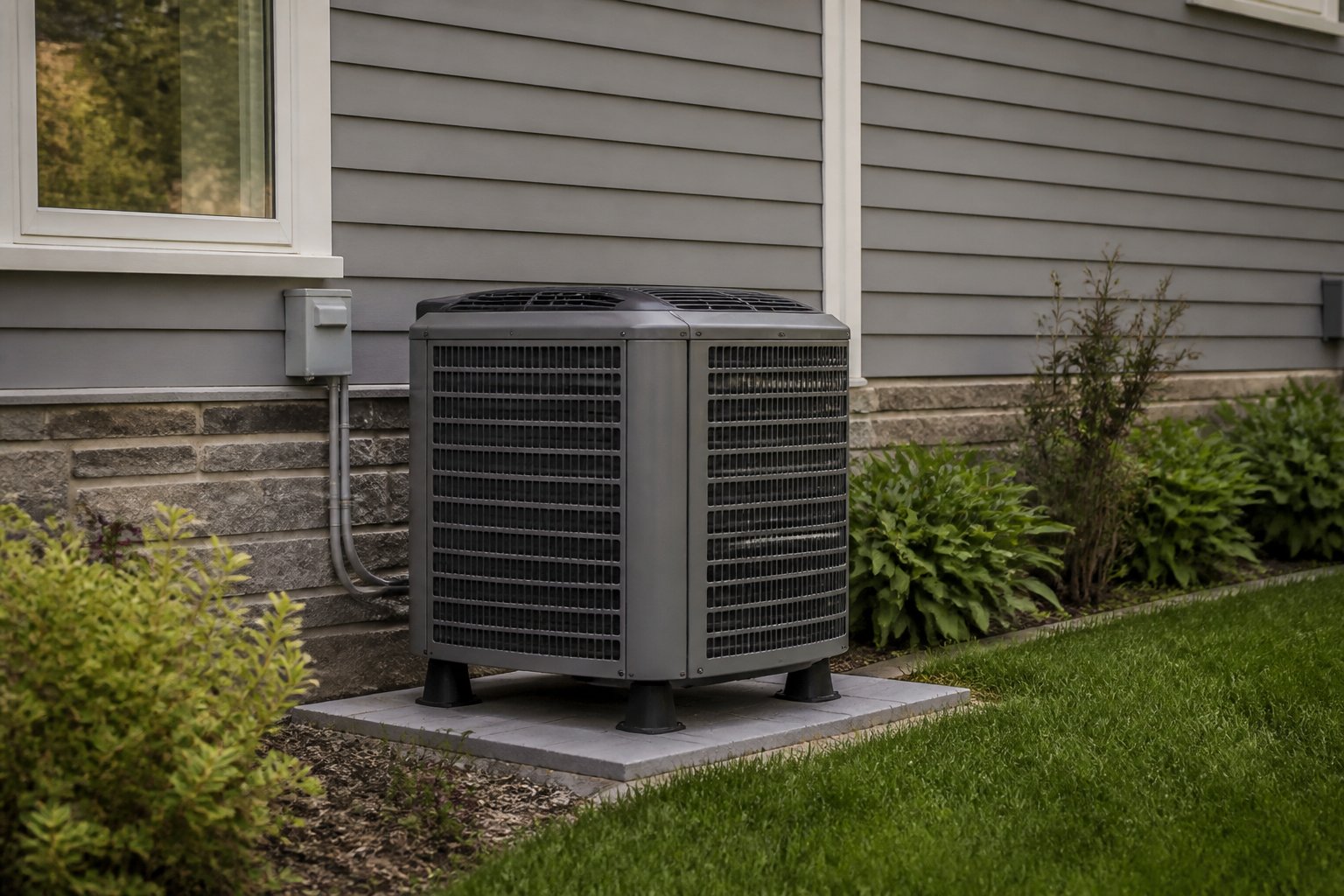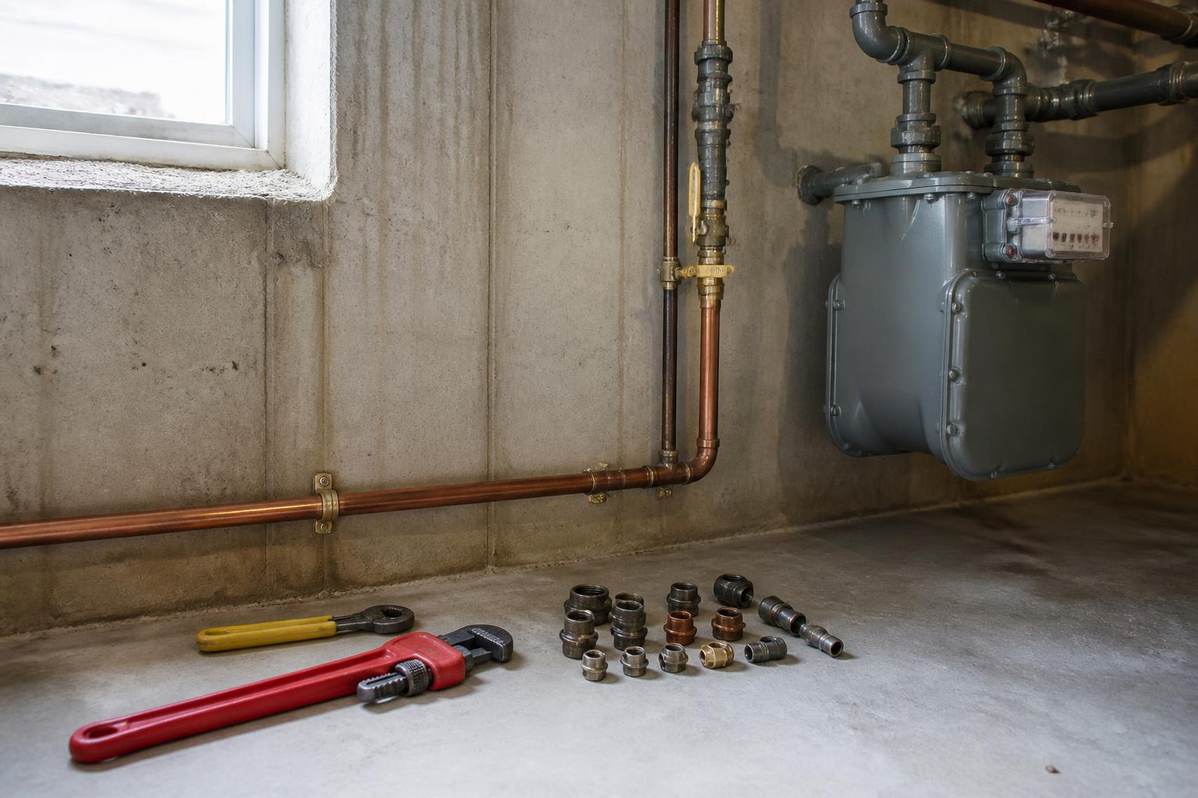



When a water heater fails in Oshawa, the replacement decision usually has to happen fast, often with a cold shower as the deadline. That urgency pushes a lot of homeowners into simply swapping in whatever they had before, without weighing the question we hear most at Fortis Heating & Air Conditioning: tankless vs tank water heater, which one actually makes sense for this house? Both are good technologies, but they suit different homes, households, and budgets. Here is the honest comparison we walk our Durham Region customers through, so you can decide before the next cold shower decides for you.
How Each System Works

A conventional tank water heater stores 40 to 60 gallons of hot water and keeps it heated around the clock, whether you use it or not. When you open a tap, hot water leaves the top of the tank and cold water refills the bottom for reheating. A tankless water heater has no storage at all. When you open a hot tap, water flows through a compact wall-mounted unit where a powerful gas burner or electric element heats it instantly, on demand, for as long as the tap is open.
That single difference, stored heat versus on-demand heat, drives almost every practical trade-off between the two.
Upfront Cost: Tank Wins
A standard tank replacement is the cheaper project by a wide margin. The equipment costs less, and installation is usually a straightforward like-for-like swap. A tankless conversion costs more because the unit itself is pricier and the first installation often involves upgrading the gas line, adding new venting, and adding a condensate drain to handle a high-efficiency burner. In a typical Oshawa home, expect a quality tank installation to run roughly half to a third the cost of a first-time tankless conversion. If your budget is tight and your current setup works, a new tank is the pragmatic choice, and there is no shame in it.
Operating Cost and Efficiency: Tankless Wins
A storage tank loses heat through its walls twenty-four hours a day, a penalty called standby loss, and it reheats the same water repeatedly whether you shower or not. A tankless unit burns gas only while you are actually using hot water. For most households that translates into meaningfully lower gas usage, typically twenty to thirty percent less energy for water heating, with the biggest savings in homes that use modest amounts of hot water. Over a unit’s life, those savings claw back a good portion of the higher installation price. Natural Resources Canada’s water heater efficiency guide explains the ratings behind those comparisons.
Hot Water Supply: Different Kinds of “Endless”
This is where the right answer depends on how your household actually lives.
- A tank delivers strong flow to several fixtures at once, until the stored hot water runs out. Back-to-back showers on a winter morning can drain a 40-gallon tank, and then everyone waits for it to recover.
- A tankless unit never runs out; it will make hot water all day. Its limit is flow rate: it can only heat so many litres per minute, and Ontario’s cold winter incoming water reduces that capacity because the unit has to raise the incoming temperature much further in January than in July.
In practice, a correctly sized tankless unit handles a shower and a dishwasher simultaneously without trouble, but sizing matters, which is why we calculate your real winter demand before recommending a model rather than quoting from a brochure.
Lifespan and Flood Risk: Tankless Wins
A conventional tank typically lasts eight to twelve years in Durham Region before corrosion claims it, and when tanks fail, they sometimes fail wet, releasing forty gallons into your basement. A well-maintained tankless unit routinely runs twenty years or more, with replaceable components instead of a disposable pressure vessel, and no stored water to flood the floor. If you plan to stay in your home long-term, one tankless unit can outlive two tanks.
Space and Placement
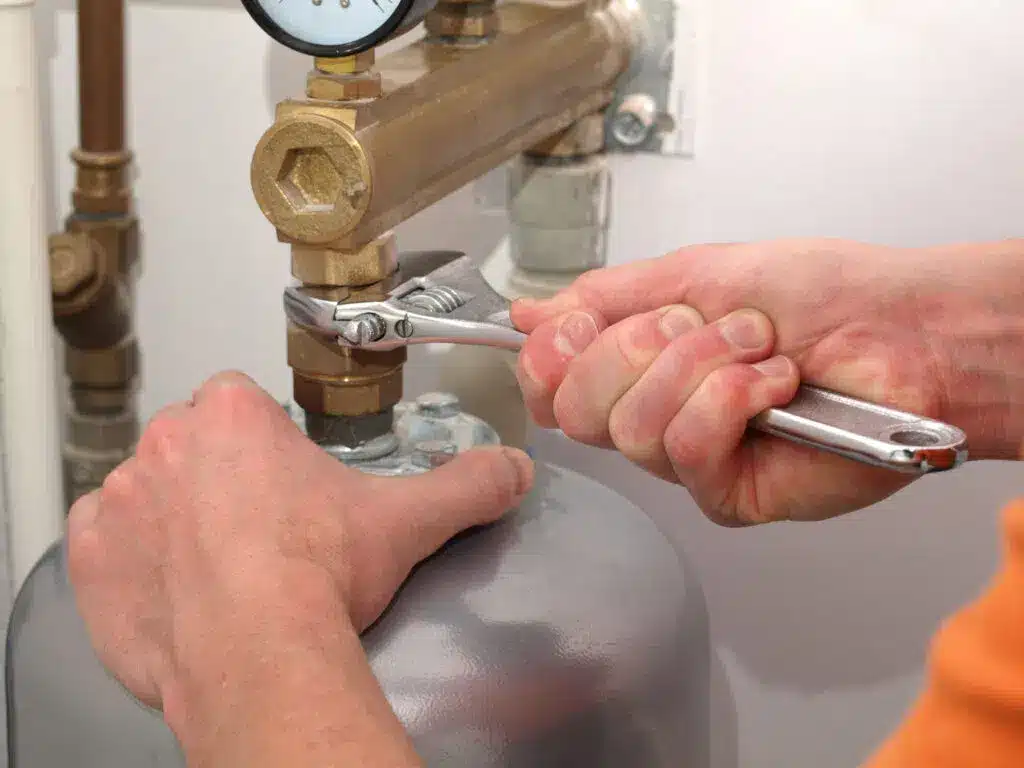
A tankless heater hangs on the wall in a package about the size of a small suitcase, freeing up the floor space a tank occupies. In smaller Oshawa homes, townhouses, and finished basements, reclaiming that corner is a genuine benefit, and it opens up finishing options a bulky tank blocks.
Maintenance Needs
Neither option is maintenance-free. Tanks benefit from periodic flushing and anode-rod checks. Tankless units should be descaled annually in our area, because hard water scale is one of the most common causes of tankless performance problems. An annual service visit keeps the heat exchanger efficient and protects the warranty; it is the same discipline we recommend for a furnace, and it can be bundled into a maintenance plan so it never gets forgotten.
Which One Is Right for Your Home?
Here is the short version we give customers at the kitchen table:
- Choose a tank if the upfront budget is the deciding factor, your household’s hot water habits are modest, or you need the fastest possible like-for-like replacement.
- Choose tankless if you are staying in the home for years, you are tired of running out of hot water, you want lower monthly gas bills, or you want the floor space and flood risk of a tank gone.
You can read more about the systems we install on our tankless water heaters and hot water tank pages, including the brands we trust enough to put our name behind.
Sizing and Venting: Where Conversions Go Right or Wrong
Most tankless disappointments trace back to two shortcuts made on installation day. The first is sizing by bathroom count instead of by real winter demand; a unit that keeps up beautifully in July can fall behind in February if it was not sized for the cold winter supply temperatures we see in Durham Region. The second is venting. High-efficiency tankless units produce cool, acidic exhaust that must run through dedicated sealed venting to the outdoors, not into an old chimney flue. Getting both right is routine for an experienced installer and expensive to correct after the fact, which is why we treat the site assessment as the most important hour of the whole project. When we quote a conversion, the gas line check, vent routing, and condensate plan are all settled before you sign anything.
Frequently Asked Questions
Will a tankless water heater work in an older Oshawa home?
Almost always, yes. Older homes often need a gas line upgrade and new venting as part of the conversion, which we include in the quote up front. The age of the house is rarely a barrier; the existing gas and venting capacity is what we assess.
Do tankless water heaters struggle in Canadian winters?
They work fine in winter as long as they are sized for it. Cold incoming water in winter reduces the flow a unit can heat, so we size for January conditions, not summer ones. An undersized unit is the usual culprit behind winter complaints.
How much can I save on gas with a tankless unit?
Most households see water-heating energy use drop by roughly twenty to thirty percent, with the largest percentage savings in homes with lower hot water use. Your actual number depends on usage habits and the efficiency of the tank being replaced.
Can I switch from a tank to tankless myself?
No. The conversion involves gas piping, combustion venting, and condensate drainage, all of which are regulated work in Ontario and must be done by licensed gas technicians. Improper venting is dangerous, and unpermitted work can void insurance.
Get a Straight Answer for Your Home
The right water heater is the one matched to your family’s habits, your home’s gas capacity, and your plans for the house, and that takes a short conversation, not a sales pitch. Call Fortis Heating & Air Conditioning at (289) 688-4822 or request a quote online, and we will give you honest numbers for both options so you can choose with confidence.