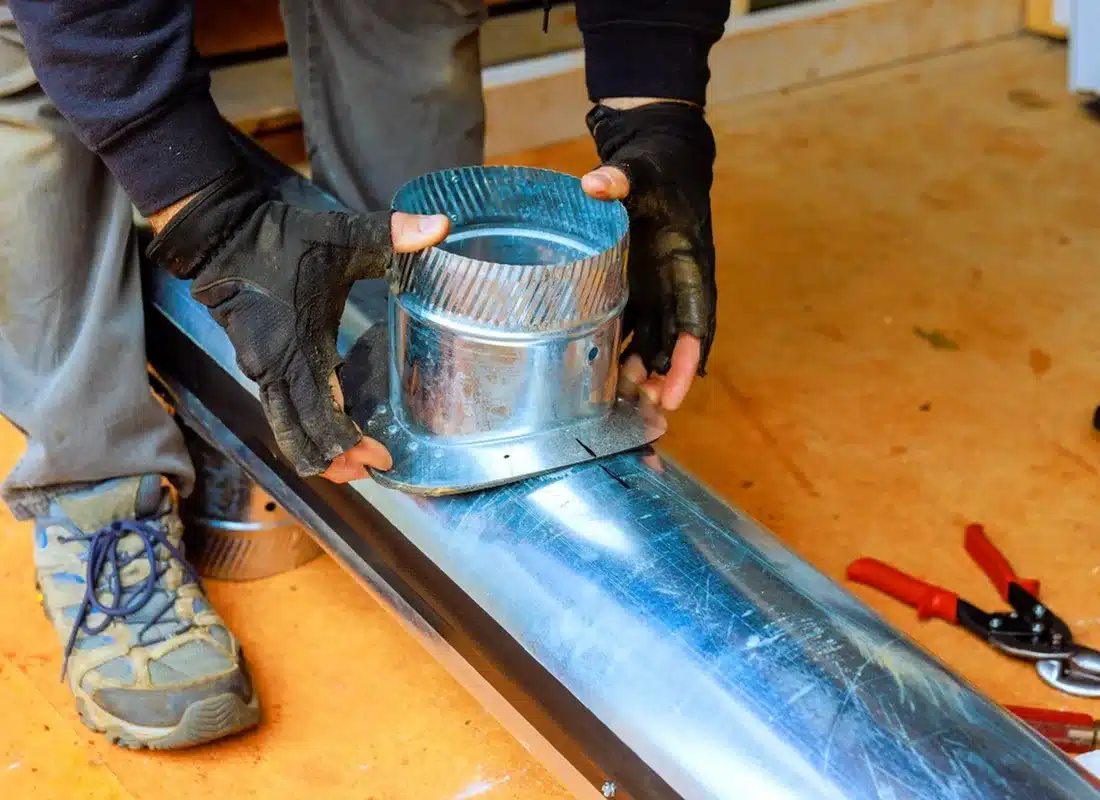


Before scheduling service, write down the rooms that run warm, any unusual noises, and whether the system struggles more in the afternoon or overnight. Those details help a technician focus the maintenance visit on airflow, refrigerant, thermostat, and coil issues instead of treating the appointment like a generic tune-up.
AC maintenance before a Durham Region heat wave helps homeowners catch airflow, thermostat, drainage, and outdoor-unit issues before the system has to run hard for days. For Oshawa, Bowmanville, Courtice, Whitby, and nearby communities, a short maintenance visit is a practical way to protect comfort and reduce avoidable mid-summer repair calls.
A central air conditioner works by moving heat, not by manufacturing cold air out of nothing. Warm indoor air passes over the evaporator coil, the refrigerant absorbs that heat, and the outdoor condenser releases it to the air outside. During a long heat wave the temperature gap the system has to fight grows, so anything that slows heat transfer — a dirty coil, a low refrigerant charge, weak airflow, or a tired capacitor — shows up as a home that simply will not cool down. The checks below keep that heat-transfer cycle working when demand is at its highest.
AC Maintenance Before A Heat Wave: What Matters First
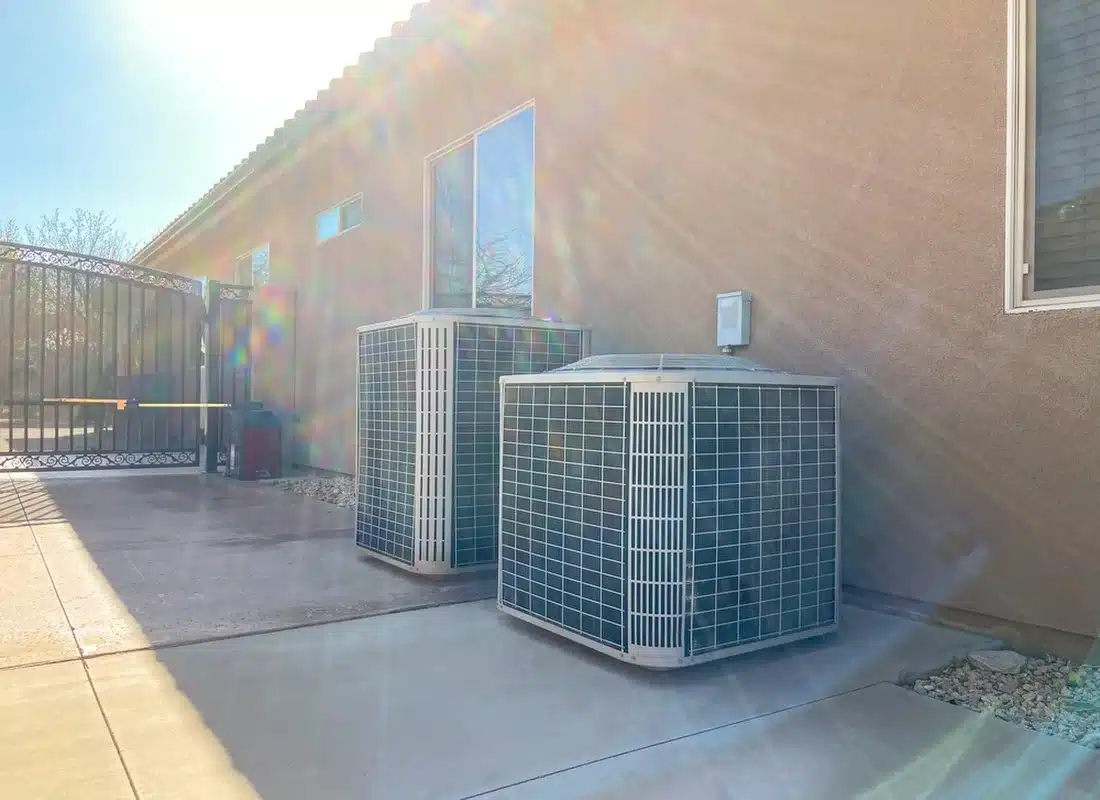
The first step is matching AC maintenance to the conditions around Durham Region homes before the first long heat wave. In Ontario, long run times, humidity, cottonwood, dust, blocked airflow, and clogged condensate drains can all affect cooling performance. A system that seems fine in mild weather may need attention before it is exposed to real summer demand.
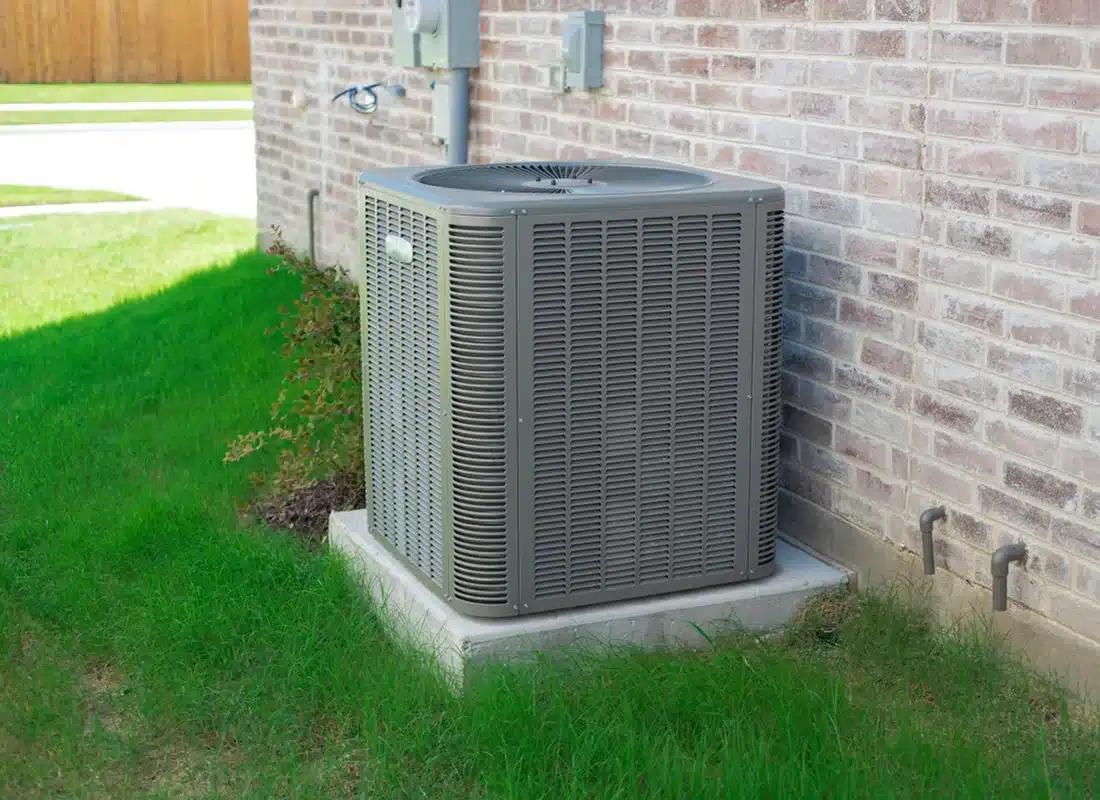
The outdoor condenser coil deserves the closest look. Cottonwood seed, grass clippings, and road dust pack into the thin aluminum fins over the season and act like a blanket, trapping the heat the unit is trying to reject. A gentle rinse from the inside out with the power off, plus generous clearance on all sides, lets the fan pull air freely. Inside, our technicians inspect the evaporator coil, blower wheel, and condensate drain, because a slimy or algae-clogged drain line is one of the most common causes of a sudden mid-summer shutdown.
Refrigerant Charge, Capacitor, and Contactor
Two parts tend to fail quietly until the first hot stretch asks the system to run for hours. The run capacitor gives the compressor and fan motor the jolt they need to start; when it weakens, the unit hums, trips, or short-cycles on a hot afternoon. The contactor is the switch that carries that starting load, and its contacts pit and burn over time. A maintenance visit tests both before they leave you stranded. We also verify the refrigerant charge by measuring superheat and subcooling rather than simply topping it up — an undercharged system runs abnormally cold at the coil and can even ice over, while an overcharged one wastes energy and stresses the compressor.
Key Checks Before You Commit
Before making a final decision, slow down and compare the details that usually affect long-term satisfaction. These checks are simple, but they prevent most regret after the service visit or the first hard stretch of summer weather.
- Filter Condition: Check whether a dirty or undersized filter is restricting airflow before the first long heat wave.
- Outdoor Coil Airflow: Clear debris and confirm the outdoor unit has enough space to move heat away from the system.
- Thermostat Accuracy: Verify the thermostat reading and schedule so the system is not short-cycling or running longer than needed.
- Drain Line Flow: Confirm condensate drains freely so humidity removal does not create leaks or shutdowns.
It also helps to compare the project against a reliable outside source. For broad seasonal planning, review ENERGY STAR heating and cooling guidance. For efficiency and safety decisions, Natural Resources Canada energy efficiency guidance can add useful context before you talk with a local provider.
Thermostat Settings and Realistic Expectations
During extreme heat, a properly sized air conditioner is generally designed to hold an indoor temperature roughly 11 to 14 degrees cooler than the outdoor air, not to reach any number you dial in. Setting the thermostat far below that only makes the system run without a break and can push the coil toward freezing. A steady, moderate setpoint — with the fan set to auto rather than on — lets the coil drain condensation and pull moisture out of the air, which is what actually makes a humid afternoon feel comfortable rather than merely cool.
Local Conditions Change the Best Choice
Local conditions matter because Durham Region homes move quickly from cool spring nights to humid summer afternoons and then into long heating seasons. Equipment age, airflow, maintenance history, and how the home is used can all change the best recommendation.
That is why a local HVAC recommendation is usually more useful than a generic buying guide. Fortis Heating & Air Conditioning can review the system, the home, and the maintenance history before pointing you toward a practical next step.
How to Plan the Next Step

If you are early in the process, start with the service page that matches your need: schedule HVAC maintenance. That gives you a better baseline before you compare repair timing, maintenance needs, or cooling upgrades.
Next, think about the main goal. Some homeowners care most about comfort during a heat wave. Others are trying to lower surprise repair risk, improve airflow, or prepare an older system for heavier use. If the concern is cooling performance, review Fortis air conditioning service so the next step fits the system in your home.
Homeowners who would rather not track filter changes and coil cleaning on their own often pair a spring visit with a recurring seasonal maintenance plan, so the cooling side is checked every year before the first heat wave and the heating side before winter.
Frequently Asked Questions
When should I schedule AC maintenance before summer?
Aim for spring, before the first stretch of humid weather. Booking early means the condenser coil, refrigerant charge, and capacitor are checked while outdoor temperatures are still mild, and it avoids the peak-season wait when every homeowner calls at once during the first heat wave.
Can I skip a tune-up if the AC seems to be cooling fine?
A system can look fine in mild weather and still be running on a weak capacitor, a slightly low charge, or a coil that is half-blocked. Those weaknesses tend to surface only once the unit runs for hours during extreme heat, which is exactly when a breakdown is hardest to book service for.
What is the most common cause of a mid-summer breakdown?
Airflow and drainage problems top the list — a clogged filter, a dirty coil, or a plugged condensate drain. Electrical parts like the run capacitor and contactor are close behind. Most of these are inexpensive to catch during maintenance but disruptive when they fail on the hottest day of the year.
Which parts of AC maintenance can I do myself?
Homeowners can safely change filters, keep the area around the outdoor unit clear, and gently rinse the condenser fins with the power off. Refrigerant testing, electrical checks, and coil cleaning inside the air handler should be left to a licensed technician with the right gauges and tools.
Why does my AC struggle more in extreme heat than on a warm day?
An air conditioner rejects heat to the outdoor air, so the hotter it is outside, the harder that heat is to release. On a very hot day the system runs closer to its limit, and any restriction — a dirty coil, low charge, or blocked airflow — that was hidden in mild weather becomes the difference between keeping up and falling behind.
How much clearance does my outdoor unit need?
Keep shrubs, fences, and stored items well back from all sides of the condenser, with nothing overhanging the fan on top. The unit pulls a large volume of air through its coil, and crowding it forces the system to recirculate its own hot exhaust, which lowers efficiency and raises the risk of overheating on a hot afternoon.
Get Your AC Ready Before the Next Durham Region Heat Wave
The best time to service a cooling system is before the humidity arrives, not during the first hot spell when demand for appointments spikes. If you would like help getting your AC ready before a Durham Region heat wave, call Fortis Heating & Air Conditioning at (289) 688-4822. Our technicians can clean the condenser coil, verify the refrigerant charge, and confirm the system will hold up under load. Reach out through the contact page to book a maintenance visit while the schedule is still open.