


Winter in Oshawa can be a magical time, but it also comes with challenges, especially when it comes to keeping your home warm and cozy. As temperatures drop, your heating system becomes your best friend. Keeping it running smoothly not only ensures comfort but also saves money on energy bills. So, let’s dive into some simple yet effective tips to maintain your heating and cooling system’s efficiency this winter.
By focusing on regular maintenance, managing your thermostat properly, and ensuring your home is well-insulated, you’ll be prepared to tackle the harsh winter weather. Implementing these steps is more straightforward than you might think, allowing you to enjoy a warm and inviting home throughout the cold months.
Regular HVAC Maintenance

Maintaining your HVAC system is one of the best ways to keep it operating efficiently. Think of regular check-ups like a health exam for your heating system. It’s about finding and fixing small issues before they become big ones.
– Book Regular Check-Ups: Scheduling routine maintenance should be a priority as winter sets in. A professional technician will check and ensure your system is in perfect working order, identifying any potential problems early.
– Tasks Included in Maintenance: During these check-ups, the technician will clean the system, lubricate the moving parts, and inspect the wiring. They’ll also ensure that your system’s controls are functioning correctly. These tasks help your system run efficiently, which is crucial on those freezing nights.
Staying proactive means fewer worries when the winter chill hits Oshawa. Regular maintenance not only prevents breakdowns but can also prolong the life of your HVAC system. It’s like giving your heating system the TLC it needs to keep your home comfortably warm.
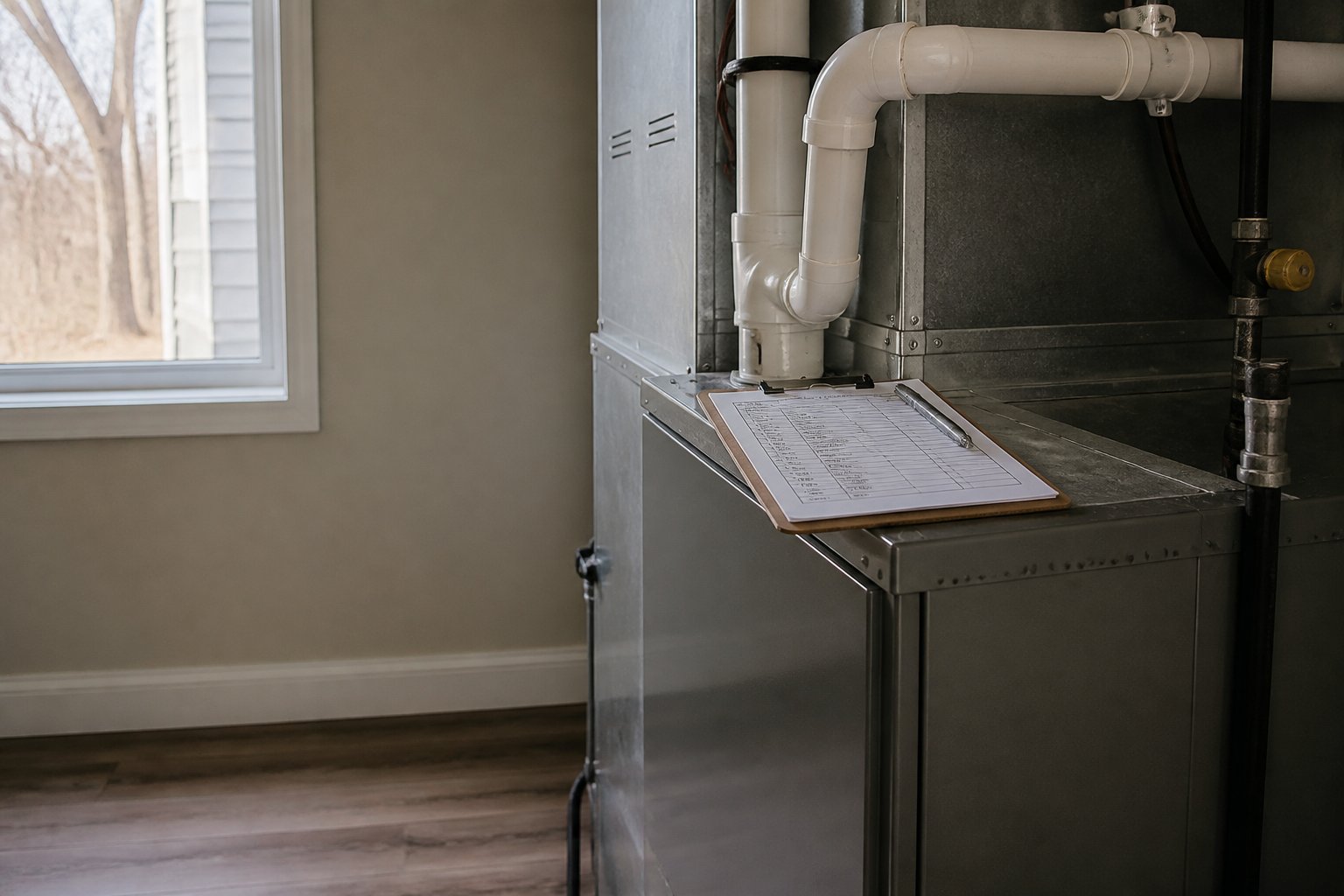
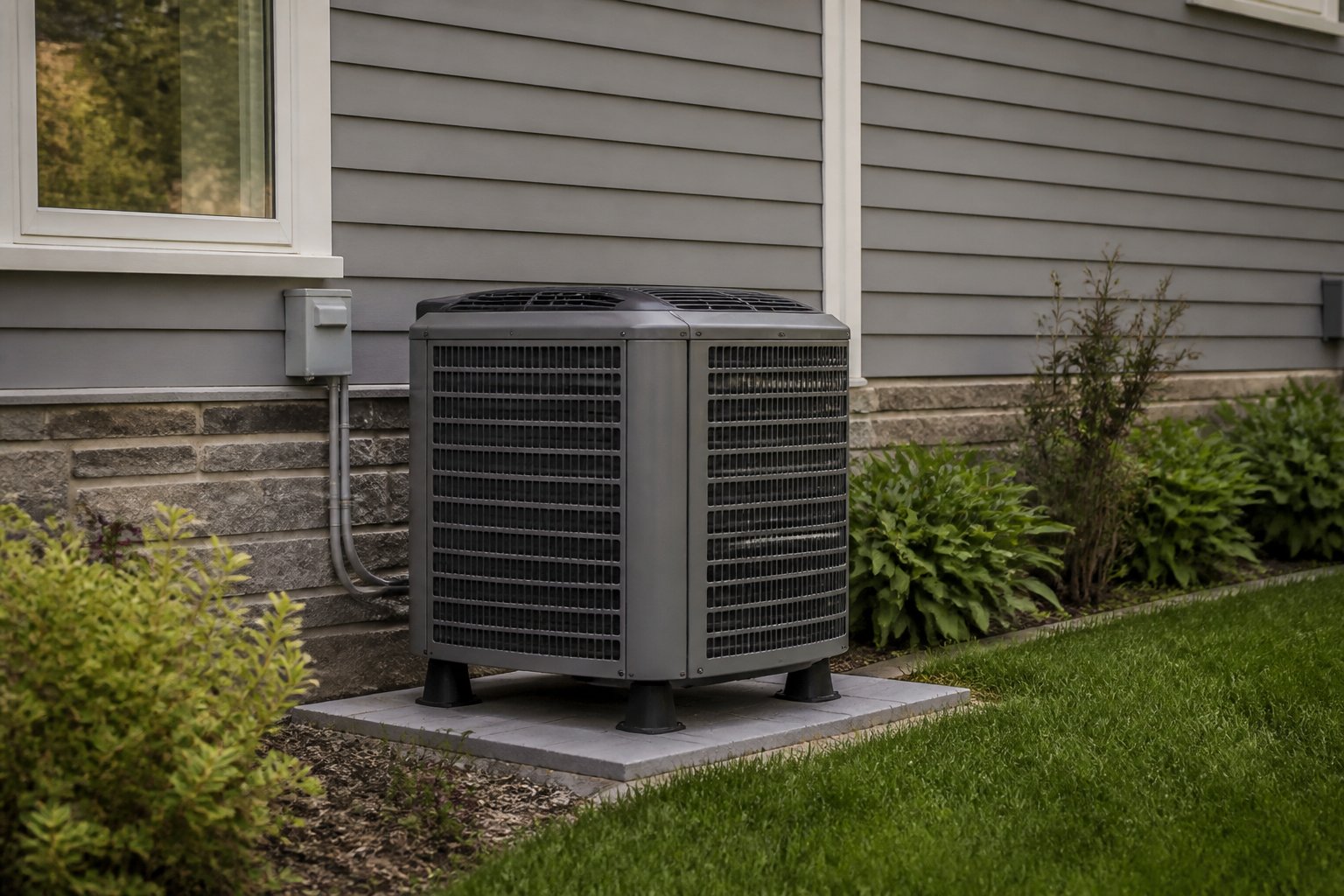
There is also a small but important winter chore that many homeowners forget: keeping the exterior vents clear. A modern high-efficiency furnace draws combustion air and exhausts through two white PVC pipes on the side of your house, and if a snow squall or drifting from lake-effect cold off Lake Ontario buries those pipes, the furnace can sense the blockage and lock itself out for safety — leaving you without heat on the coldest possible night. After every significant snowfall, walk around and clear a good margin of snow away from those pipes, the outdoor heat pump or AC unit, and the dryer and fresh-air vents. It takes two minutes and prevents a service call.
Thermostat Management
Getting a grip on thermostat settings can significantly influence your home’s warmth. It’s surprising how small adjustments can impact your comfort and energy use.
– Optimal Winter Settings: Keeping your thermostat at a steady temperature is key. During waking hours, set it between 20-22°C. Lower it slightly at night or when you’re away to save energy.
– Discovering Programmable Thermostats: A programmable thermostat takes the guesswork out of temperature control. You can set it to warm up the house just before you wake up or return home, ensuring comfort while optimizing energy efficiency. It’s like having an assistant who knows when you need that extra bit of warmth.
Smart thermostat management goes a long way in keeping heating costs down and your home comfortable. With these small adjustments, you can tackle the winter chill effectively while keeping an eye on the energy bill.
Filter Changes

Changing the filters in your HVAC system is surprisingly impactful when it comes to maintaining efficiency. When filters get dirty, airflow becomes restricted, causing your system to work harder than necessary. This can lead to increased energy use and wear and tear.
– When to Replace Filters: It’s wise to change your filters every one to three months, depending on the type of filter and how much you use your system. In peak seasons like winter, consider checking monthly.
– Benefits of Clean Filters: Clean filters keep airflow smooth and the system running efficiently, ensuring that warm air circulates freely throughout your home. This simple action prevents overworking your system, thus avoiding unnecessary energy bills.
Winter tends to load filters faster than you’d expect. With windows shut tight for months and the furnace running long hours through the deep-freeze, dust, pet dander, and dry-air particles recirculate constantly. A filter that lasted three months in the shoulder seasons may need changing sooner in January. Keep a couple of the correct size on hand so a clogged filter never becomes the reason your home feels cold, and if anyone in the household has allergies, a fresh filter also noticeably improves the indoor air you’re breathing all winter.
Sealing Drafts and Insulation
Stopping those pesky drafts and adding insulation can greatly improve your home’s coziness during winter. A warm house needs protection from sneaky cold spots that try to make themselves at home.
– Finding and Fixing Drafts: You can start by checking windows and doors for any gaps that might let cold air in. Use weather stripping or caulking to seal these spots effectively.
– Emphasizing Insulation: Good insulation acts like a thermal blanket, keeping the warmth inside. Make sure your attic, walls, and floors are well-insulated to prevent heat from escaping. A well-insulated home not only increases comfort but can also lower heating costs.
By concentrating on sealing drafts and boosting insulation, you’re setting up your home as a fortress against the cold. It’s like wrapping up your house in a comforting, warm coat, fully prepared for Ontario’s winter chill.
Enhancing Airflow
Boosting airflow at home ensures that warm air circulates efficiently rather than staying just near the vents. Sometimes, simple tricks can make a big difference in how comfortable each room feels.
– Improving Overall Airflow: Make sure furniture or curtains aren’t blocking vents. Try using fans in reverse mode to push warm air down from the ceiling, a common tip many find effective.
– Duct and Vent Check-Ups: Clean and open vents and ducts are vital for airflow. Schedule regular cleanings to remove dust and obstructions. This not only heightens comfort but also optimizes energy usage.
One setting worth trying on cold, still nights is switching your thermostat fan from “Auto” to “On” or “Circulate.” Heat naturally stratifies — the warm air pools upstairs and near the ceiling while the basement and floors stay cool — and running the blower continuously gently mixes it back together so the whole house feels more even. It uses very little energy, evens out the cold spots that make you want to nudge the thermostat higher, and keeps air moving across the furnace so it operates the way it was designed to.
Watch for Ice, Frost, and a Struggling System
Deep-freeze conditions create a few problems that only show up in the coldest weeks of a Durham winter, and knowing the warning signs helps you act before comfort turns into an emergency. A high-efficiency furnace produces water as it runs, and that condensate drains away through a small line. If that line runs near an exterior wall and freezes, the furnace will shut down until it clears — a common mid-winter callout that a technician can prevent by rerouting or insulating the line. Likewise, if you have a heat pump, a light coat of frost on the outdoor coil is normal and the unit will defrost itself, but a thick block of ice that never clears means it needs attention.
Pay attention to how the system behaves, too. A furnace that keeps starting and stopping every few minutes, rooms that never quite reach temperature, or a sudden jump in your gas bill all suggest the system is fighting something — restricted airflow, a failing part, or heat escaping the house faster than it can be replaced. And because gas heating and carbon monoxide go hand in hand, every level of your home should have a working CO detector, tested at the start of the season. A furnace that is straining is exactly when you want that safety net in place. When any of these signs appear, it is far cheaper and warmer to book a visit early than to wait for a full breakdown during a cold snap.
Stay Warm and Save Energy This Winter!
As winter settles across Oshawa, armed with these tips, you’ll find maintaining a warm and energy-efficient home quite manageable. Regular maintenance, proactive checks, and thoughtful adjustments create a comfortable and energy-savvy environment. Embark on this plan from the beginning of the winter season and enjoy peace of mind as you embrace coziness without worrying about those pesky energy bills.
Stay Warm Through a Durham Winter
A little preparation before the coldest weather arrives is the difference between a comfortable season and a scramble for emergency heat. If your system hasn’t been checked yet this year, or you’ve noticed uneven rooms, rising bills, or short-cycling, let us get ahead of it. Fortis Heating & Air Conditioning keeps homes cozy and efficient all winter with expert heating and cooling in Oshawa — call us at (289) 688-4822 or book online to schedule your visit.
Across Durham Region: Fortis Heating keeps furnaces and heat pumps running efficiently in Oshawa, Whitby, Ajax and Pickering, with efficiency tune-ups reaching homes in Courtice and Bowmanville too.
Efficiency Resources
Want to dig deeper into an efficient winter home? These guides expand on the heating and cooling tips above.
Frequently Asked Questions
How often should I service my HVAC system in Oshawa?
The general guidance is twice-yearly professional maintenance: a spring appointment for the air conditioner and a fall appointment for the furnace. These tune-ups keep the system running efficiently, help it last longer, and support the winter efficiency steps outlined here. In Durham Region’s climate of humid summers and cold winters, seasonal service pays off. We can schedule both visits in one call.
What temperature should I set my thermostat to save energy?
Through the heating season, holding the thermostat near 20 to 21°C (68 to 70°F) when you are home and lowering it 2 to 3 degrees overnight or when out is one of the easiest efficiency wins. A programmable or smart thermostat automates that routine and reduces annual heating and cooling costs, complementing the other efficiency steps covered above.
How long does an HVAC system typically last?
A furnace typically lasts 15 to 20 years, an air conditioner 10 to 15 years, and a heat pump around 12 to 15 years. The single biggest factor in reaching the high end of each range is the kind of ongoing maintenance and filter care described throughout this guide.
Why does my furnace keep shutting off during cold snaps?
The most common winter culprits are a clogged filter, snow blocking the exterior intake or exhaust pipes, or a frozen condensate line — all of which can trip the furnace’s safety controls. Restricted airflow and a failing flame sensor can cause the same short-cycling. Start by checking the filter and clearing snow from the outdoor vents; if it continues, book a service visit so a technician can find the underlying cause.
Should I close vents in rooms I don’t use to save heat?
Generally, no. Closing too many vents raises the pressure in your ductwork and can throw off the airflow your furnace was designed for, sometimes causing it to run hot and cycle off. You’ll usually save more by sealing drafts, topping up attic insulation, and using a setback schedule than by trying to shut off individual rooms.