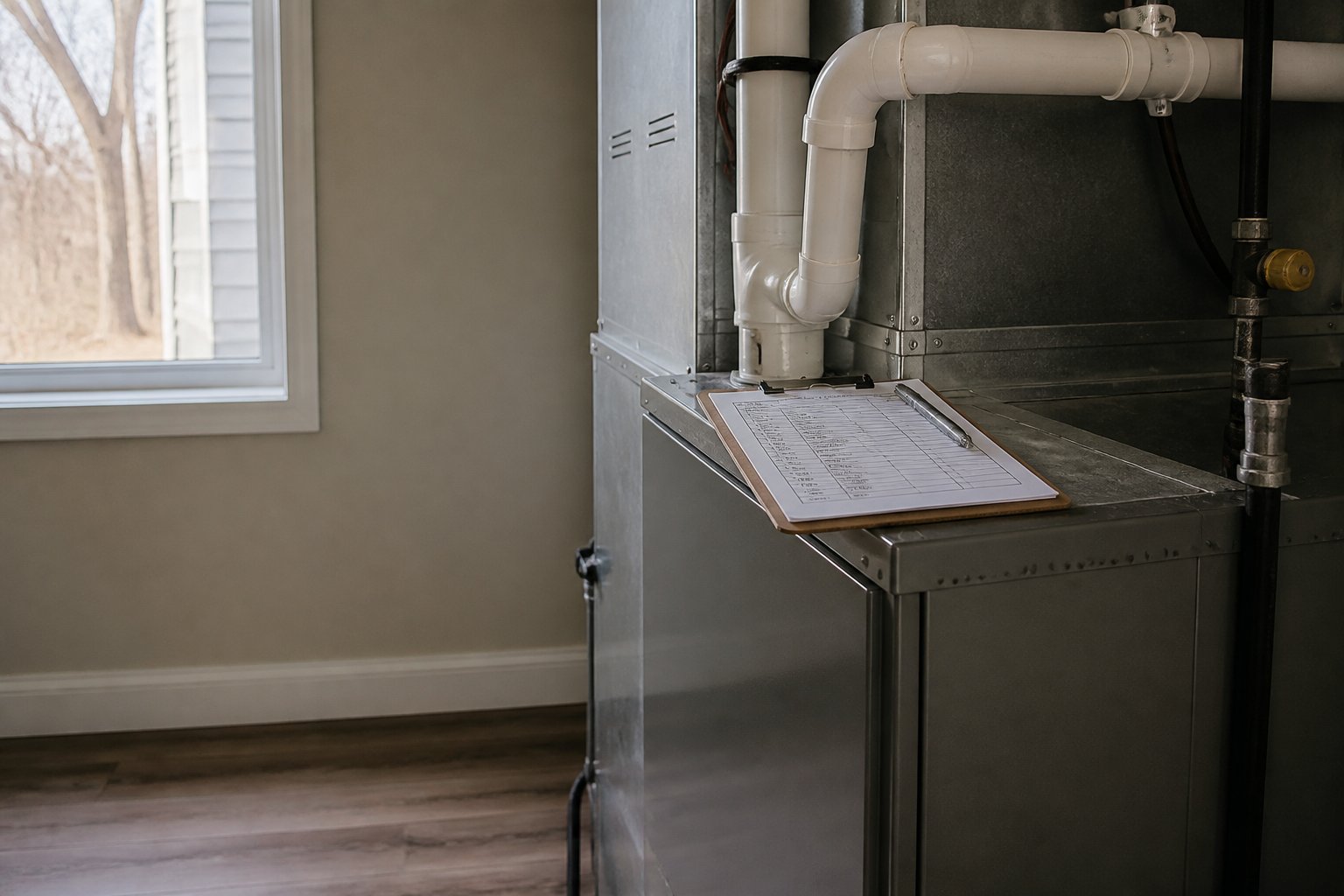



Furnace short cycling is a term that describes your furnace turning on and off more frequently than it should. This issue can lead to increased wear and tear, higher energy bills, and reduced comfort in your home. In places like Oshawa, where keeping warm during the chilly months is essential, understanding why your furnace might be short cycling is key to maintaining a cozy environment. A healthy furnace generally runs in cycles of roughly 10 to 15 minutes; if yours is kicking on and shutting off every few minutes, something is interrupting the normal heating cycle.
Addressing issues promptly can make a huge difference in ensuring your furnace’s efficiency and longevity. Ignoring these signs might leave you out in the cold, both literally and financially. In this article, we’ll explore common reasons for furnace short cycling and how to fix these issues, so you can enjoy a warm and comfortable home all winter long.
Common Reasons for Furnace Short Cycling

1. Dirty Air Filters: When air filters become clogged with dust and debris, airflow to the furnace is restricted. This can cause the furnace to overheat and shut off prematurely to prevent damage.
– Solution: Check and replace air filters regularly. A routine schedule, like every few months, can keep things running smoothly. Clean filters ensure your furnace operates efficiently, reducing the likelihood of short cycling. During the deep-freeze weeks of an Oshawa winter, when the furnace runs almost constantly, a filter can clog faster than you expect, so check it monthly in peak season.
2. Thermostat Issues: The thermostat serves as the command center for your heating system, but it can sometimes have glitches that affect your furnace’s performance. This can happen if the thermostat is malfunctioning or placed in a poor location, such as near a draft or direct sunlight.
– Solution: Check the thermostat settings and placement. Make sure it’s not affected by external temperature changes. If you suspect the thermostat is broken, consider getting a professional to inspect it. Proper calibration and positioning can prevent the furnace from short cycling. Dead batteries in a battery-powered thermostat are a common and easily overlooked cause, so try fresh ones first.
3. Airflow or Ventilation Problems: Blocked or closed vents can lead to poor air circulation, causing uneven heating and potentially leading the furnace to cycle on and off too quickly. It’s similar to trying to breathe through a straw; if the path is blocked, it disrupts the normal flow.
– Solution: Keep vents clear and open. Walk around your home and ensure furniture or other objects aren’t obstructing the vents. Maintaining good airflow will help your furnace operate effectively and avoid unnecessary cycling.
Overheating Concerns
Overheating is a significant cause of furnace short cycling. This problem often arises from blocked exhaust pipes or intake vents, preventing the system from functioning correctly. When these are obstructed, the furnace might turn off to avoid potential damage, leading to frequent cycling.
– Solution: Keep exhaust pipes and intake vents clear. Regular checks can help identify any blockages. Look for leaves, snow, or any debris that might obstruct these critical components. On high-efficiency furnaces, the intake and exhaust PVC pipes usually exit through an exterior wall, and drifting snow or ice is a frequent culprit in the Durham Region — a quick look outside after every heavy snowfall can prevent a mid-winter shutdown. Clearing these pathways allows your furnace to breathe, ensuring it operates without overheating.
Flame Sensor and Limit Switch Problems
Two components that frequently cause short cycling deserve special mention. The flame sensor is a thin metal rod that confirms the burners have actually lit; when it gets coated in a fine layer of soot or corrosion, it can no longer “see” the flame and signals the furnace to shut the gas off as a safety measure. The classic symptom is a furnace that fires up, runs for only a few seconds to a minute, and then shuts down — over and over. A technician can usually clean or replace the sensor quickly.
The high-limit switch is another built-in safety device. It shuts the burners off if the furnace gets too hot, which is exactly what happens when airflow is restricted by a clogged filter or blocked ducts. If the underlying airflow problem isn’t fixed, the limit switch will keep tripping and the furnace will keep cycling. Because both of these parts involve the gas valve and safety controls, they are best diagnosed and serviced by a licensed technician rather than tackled as a DIY project.
Oversized Furnace Challenges

An oversized furnace can lead to short cycling by heating a space too rapidly. This quick heating cycle results in the unit turning off more often, which might sound good but actually leads to inefficiency. It wears down the system faster and often fails to distribute heat evenly throughout your home. This is one reason a proper heat-load calculation matters so much when a furnace is replaced — bigger is not better.
– Solution: Consult with professionals to determine if your furnace is the right size. An evaluation by an HVAC expert can offer guidance on whether your system’s size suits your home’s heating needs. If a mismatch is confirmed, right-sizing the equipment at replacement time ensures better efficiency and even heating.
Solutions to Furnace Short Cycling
Addressing furnace short cycling involves a combination of regular checks and professional help. Work through these steps in order — from the simplest and safest to the ones that call for a technician:
1. Start with the filter: Pull the filter and hold it up to the light. If you can’t see through it, replace it and see whether the cycling stops.
2. Check the thermostat: Confirm it’s set to “heat,” try fresh batteries, and make sure it isn’t sitting in a draft or direct sunlight.
3. Clear the vents and pipes: Open and unblock supply and return vents indoors, and clear snow or debris from the exterior intake and exhaust pipes.
4. Call a professional: If the furnace still short cycles, the cause is likely a dirty flame sensor, a tripping limit switch, or an oversizing issue — all of which should be handled by a licensed HVAC technician.
These measures help maintain a comfortable, efficient heating system, particularly important in Oshawa’s winters.
Keep Your Furnace Running Efficiently All Winter
Understanding and fixing furnace short cycling keeps your home warm without unnecessary energy costs. By taking proactive steps and inviting professional assessments when needed, you ensure your furnace serves you well throughout the cold season. Managing these aspects not only extends the life of your system but also keeps heating bills in check.
Regular maintenance and attentiveness to small issues before they become bigger problems pave the way for a warm, hassle-free winter. With a properly functioning heating system, you can enjoy the comfort of your home in Oshawa, regardless of how chilly it gets outside.
Is Your Furnace Turning On and Off Too Often? Let’s Fix It
If you’ve swapped the filter and checked the thermostat but your furnace is still cycling every few minutes, the next step is a proper diagnosis. Our technicians can test the flame sensor, limit switch, and airflow, confirm your furnace is sized correctly for your home, and get it running in steady, efficient cycles again. Call Fortis Heating & Air Conditioning at (289) 688-4822 or book a visit through our contact page, and keep your home comfortable with regular furnace maintenance in Oshawa.
Durham Region furnace service: From short-cycling diagnostics to full tune-ups, Fortis Heating keeps furnaces running steadily throughout the Durham Region, including Oshawa, Whitby, Ajax, and Pickering.
Furnace Resources
Background reading on furnace efficiency and safe operation:
Frequently Asked Questions
How often should a furnace cycle on and off?
Most furnaces run about two to three cycles per hour in typical winter weather, with each heating cycle lasting roughly 10 to 15 minutes. In very cold spells the furnace may run longer and more often, which is normal. Cycles that last only a few minutes and repeat constantly are the sign of short cycling and worth investigating.
Is furnace short cycling dangerous?
Short cycling itself is usually a symptom rather than an immediate danger, but the causes can be serious — an overheating furnace, a blocked exhaust, or a failing safety control. It also puts extra strain on the system and can shorten its life. If your furnace cycles rapidly, especially with unusual smells or noises, have it inspected promptly.
Can a dirty flame sensor cause short cycling?
Yes. A flame sensor coated in soot or corrosion can fail to detect the burner flame, causing the furnace to shut off within seconds of lighting and then try again — a very common cause of short cycling. Cleaning or replacing the sensor is a routine repair for a licensed technician.
Should I repair or replace my furnace?
Consider replacement if your furnace is over 15 years old, requires frequent repairs, has a cracked heat exchanger, or has a low efficiency rating. When repeated repairs start to add up against the cost of a new, higher-efficiency unit, replacement is usually the better long-term investment. A professional assessment will help you weigh the options for your specific system.