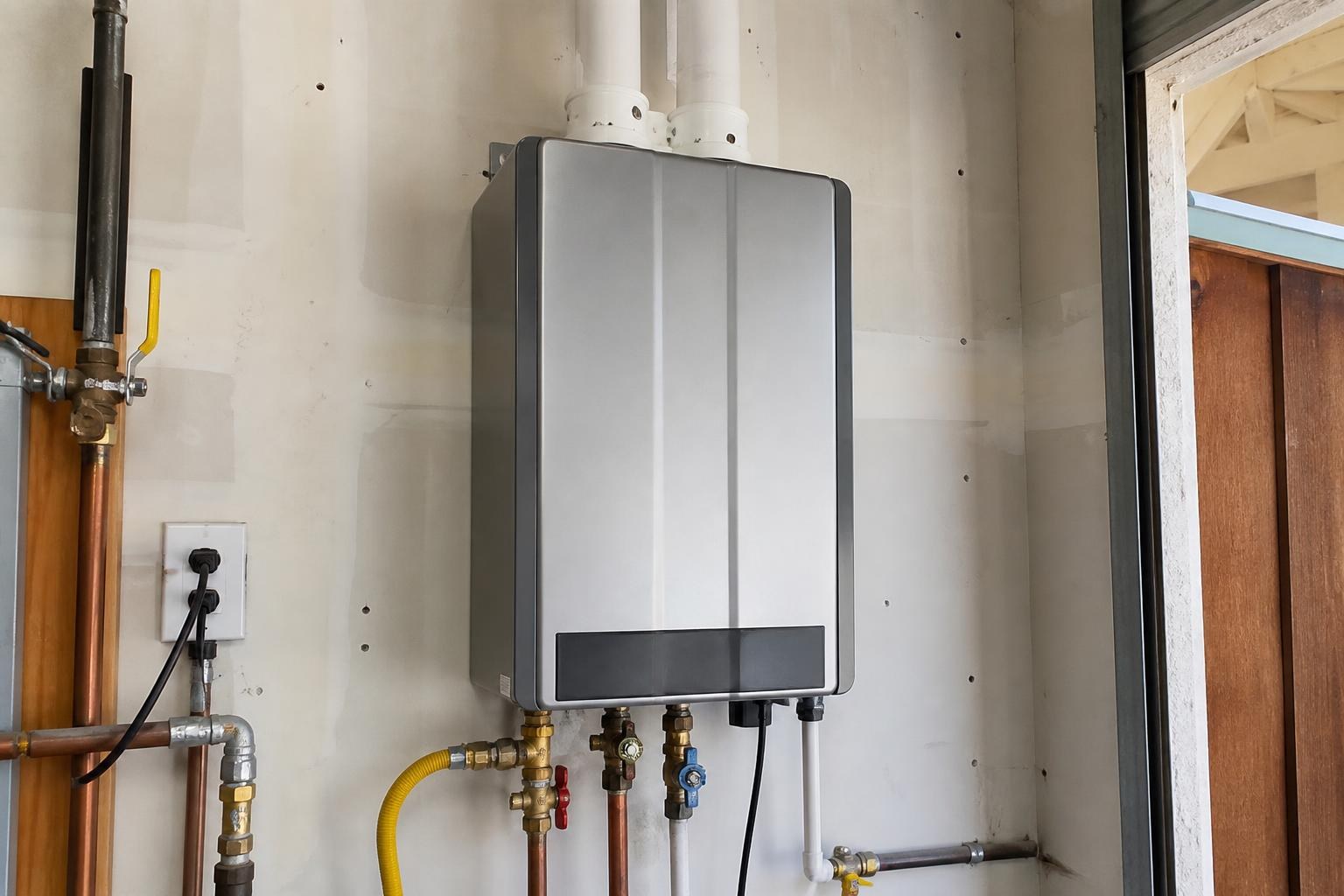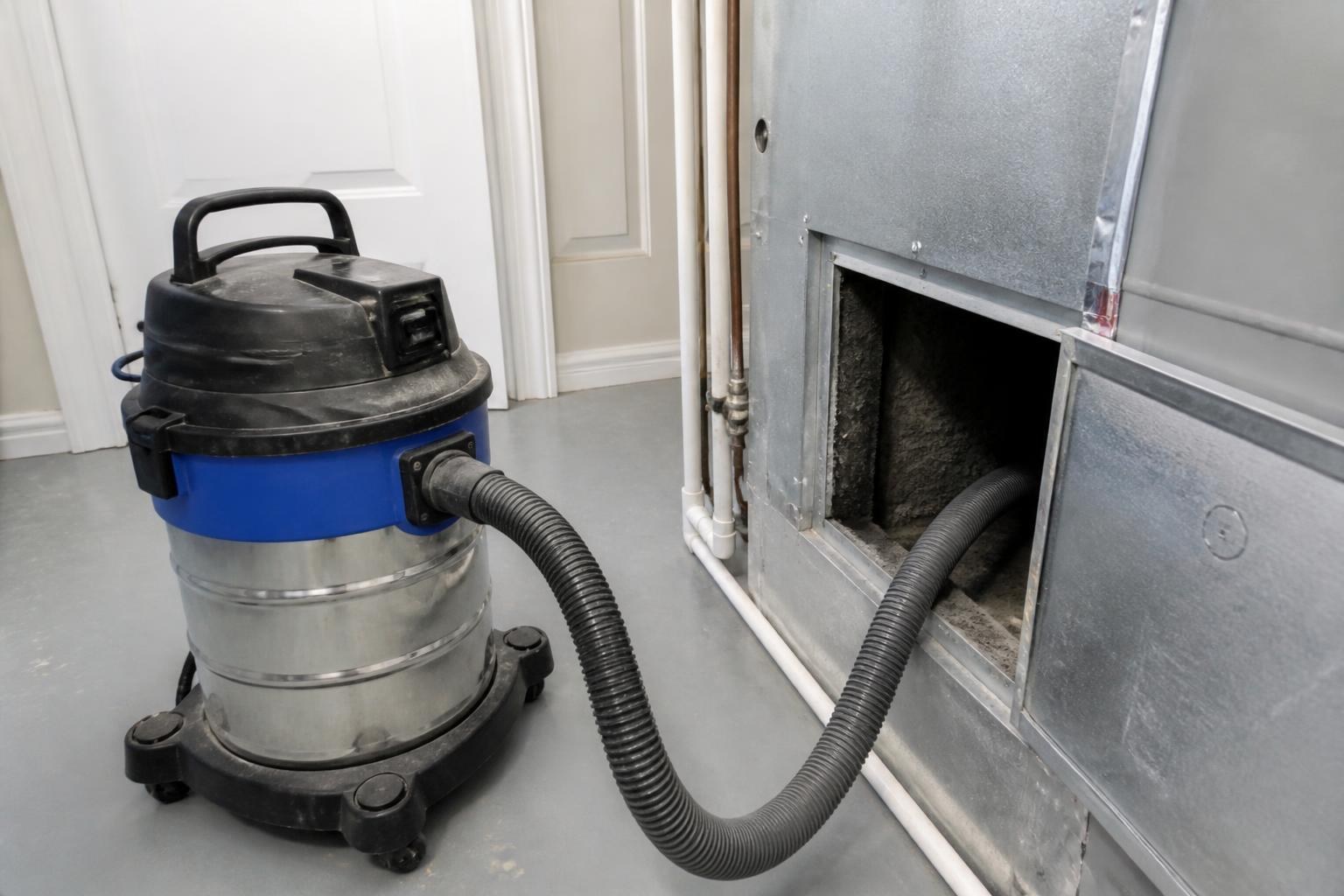



Tankless water heaters are a great way to save energy and money on your water heating bills, but only when they’re working. Like any appliance, they can experience problems that can lead to costly repairs or even replacement. To ensure that your tankless water heater is running properly, it is important to be aware of any signs that something might be wrong. That way, you can quickly tackle the issue before it gets worse and costs you a fortune to address!
With that said, here are a couple of warning signs that there may be something wrong with your tankless water heater:
Unlike a conventional storage tank that keeps 150 or more litres of water hot around the clock, a tankless unit heats water on demand. When you open a hot tap, a flow sensor fires the burner and water is warmed as it passes through a compact heat exchanger. That design is what makes these systems so efficient, but it also means the heat exchanger, sensors, gas supply, and venting all have to work in concert every time you call for hot water. When one part drifts out of spec, you tend to notice it quickly. The four warning signs below are the ones our technicians see most often, along with what typically causes each and what you can safely check before booking a service call.
1. No Hot Water

One of the most obvious signs that something is wrong with your tankless water heater is if you suddenly have no hot water coming from the taps. This could be caused by a variety of issues, including a broken thermostat, a clogged filter, or a malfunctioning gas valve.
To fix this problem, you should first check the thermostat and make sure it is set to the right temperature. If it is not, adjust it accordingly and see if that solves the problem. If not, you may need to check the filter and clean or replace it if necessary. Finally, if the gas valve is not working, you will need to have it inspected and repaired by a professional.
On a gas-fired unit, a complete loss of hot water often points to an ignition problem. If the igniter or flame sensor is dirty, or the gas supply has been interrupted, the burner cannot fire and you are left with cold water even though the unit still has power. Many modern tankless heaters will display an error code on the front panel when this happens, and writing that code down before you call us saves valuable diagnostic time. It is also worth confirming that the gas is on, the unit has power at the breaker, and the outdoor vent termination is clear of snow, ice, or nesting debris, since a blocked exhaust will trip a safety lockout and shut the burner down.
One quirk homeowners sometimes mistake for a fault is the “cold-water sandwich” — a brief slug of cool water between two bursts of hot when someone has just finished using a tap. That is normal behaviour for on-demand heating rather than a failure. A persistent no-hot-water condition, however, usually needs a technician to inspect the ignition assembly, gas valve, and control board in person.
2. Strange Noises
If you start to hear strange noises coming from your tankless water heater, this could be a sign that something is wrong. This could be caused by a build-up of sediment in the heater, which can cause it to overheat and make strange noises.
To address this problem, you will need to flush the tankless water heater to get rid of the sediment. You can do this yourself or hire a professional to do it for you.
In our part of the province the municipal water carries a moderate amount of dissolved minerals, and over time that hardness leaves scale on the inside of the heat exchanger. Scale behaves like an insulating crust, forcing the burner to work harder and creating the rumbling, ticking, or kettling sounds you may hear. The remedy is a descaling flush: we circulate a food-safe descaling solution through the unit to dissolve the mineral buildup and restore clean heat transfer. While the unit is open, we also check the small inlet screen filter, which catches grit and can whistle or restrict flow once it clogs.
If your home is on a private well, or you have noticed white crust forming on faucets and fixtures, scale will accumulate faster and a whole-home water softener is often worth discussing. Softened water dramatically slows scale formation and can meaningfully extend the life of the heat exchanger.
3. Leaking
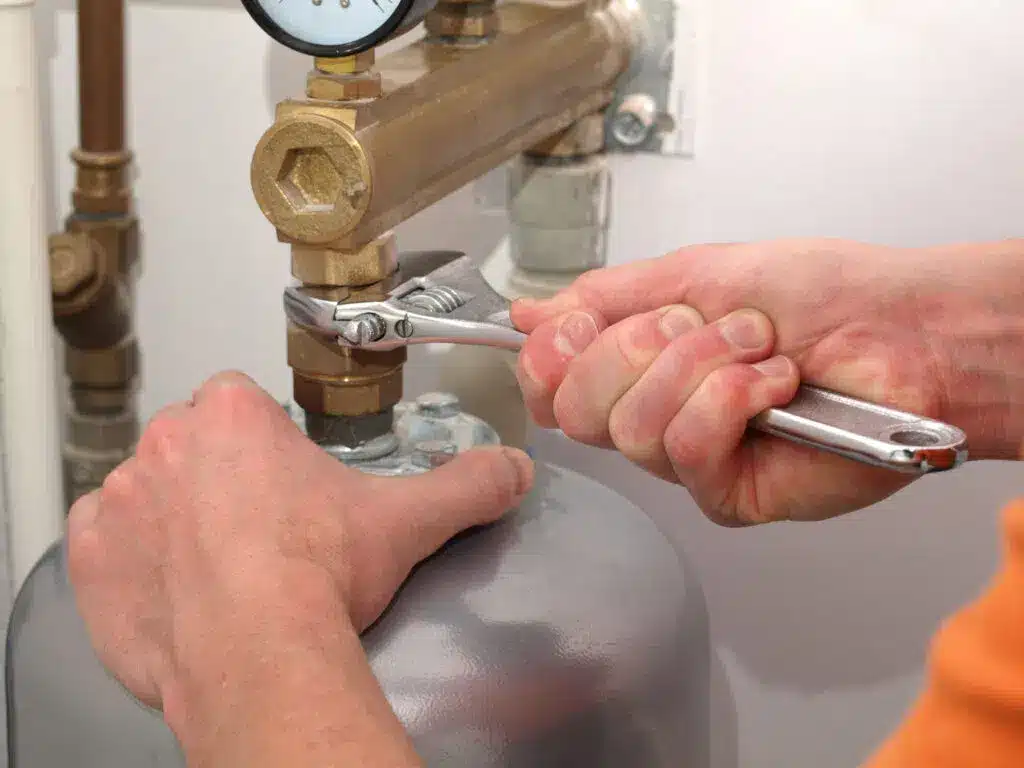
If you notice that there is water leaking from your tankless water heater, this is an indication that something is wrong. This could be caused by a loose connection, a broken valve, or a clog in the pipes.
To tackle the leak, you should first check the connections and make sure they are tight. If not, tighten them and see if that solves the problem. If not, you may need to have the valve or pipes inspected and repaired or replaced by a professional.
Not every drop of water around the unit signals a failure. High-efficiency condensing models produce acidic condensate as a normal by-product, and that condensate is meant to drain away through a dedicated line fitted with a neutralizer; a clogged or disconnected condensate line can look like a leak when it is really just misdirected drainage. Genuine leaks may come from the pressure-relief valve discharging, from corroded internal fittings, or from a heat exchanger that has begun to fail. Because a wet electrical or gas appliance is a safety concern, we recommend shutting off the water supply and having any active leak inspected promptly.
4. Low Water Pressure
If you are experiencing low water pressure at the tap, this could be a sign that your tankless water heater is not functioning properly. Low water pressure could be caused by a blocked line, a faulty valve, or a clogged filter.
If you suspect that the problem is a blocked line or a faulty valve, you should call a professional to inspect and repair the issue. If the problem is a clogged filter, you should replace it with a new one.
Weak flow at the tap is frequently a symptom of the same scale that causes noise. As mineral deposits narrow the internal passages of the heat exchanger, the volume of water that can pass through drops, and your pressure falls with it; a clogged inlet filter screen produces a similar result. It also helps to remember that a tankless unit has a maximum flow rate measured in litres per minute, so if several fixtures run at once and the combined demand exceeds what the unit is sized to deliver, both pressure and temperature can sag. Sizing the unit correctly for a household’s peak demand is something we assess carefully during installation.
Staying Ahead of Problems with Routine Maintenance
Most tankless water heater faults are gradual rather than sudden, which means a modest amount of upkeep prevents the majority of surprise breakdowns. The single most valuable task is periodic descaling. In a home with average water hardness we generally recommend flushing the unit about once a year; homes with harder water or heavy hot-water use may benefit from more frequent service. Descaling keeps the heat exchanger clean, protects efficiency, and helps the unit hold its rated flow rate.
Alongside descaling, cleaning the inlet water filter, inspecting the venting and condensate drain, and verifying that the burner is firing cleanly all belong on the annual checklist. Keeping up with this work also protects your manufacturer’s warranty, since many warranties require documented maintenance. If you would rather not track it yourself, our HVAC maintenance visits can fold tankless service into a single scheduled appointment so nothing slips through the cracks.
Conclusion
Tankless water heaters are an efficient and cost-effective way to provide hot water to your home, but you need to make sure you meet their maintenance needs and tackle any problems immediately. So, if you notice the signs above or are experiencing any of the tankless water heater problems, you should contact a professional for assistance. They can help you quickly meet your needs to ensure your home has the hot water you need to live a comfortable life!
Fortis Heating & Air Conditioning offers various HVAC services, from inspections to repairs and more, to help homes stay in great shape. If you are looking for Oshawa tankless water heater maintenance, get in touch with us today.
Serving Durham Region homeowners: Fortis Heating installs and services tankless water heaters in Oshawa, Whitby, Ajax and Pickering, along with Courtice and Bowmanville.
Tankless Water Heater Resources
For more on tankless water heaters and how to keep them efficient, these guides are a helpful reference.
Frequently Asked Questions
How long does a water heater last in Ontario?
Traditional tank water heaters typically last 8-12 years, while tankless models can last 15-20 years with proper maintenance. Factors affecting lifespan include water quality, usage patterns, and maintenance frequency. Annual flushing and anode rod inspection can significantly extend your water heater life.
Should I switch to a tankless water heater?
Tankless water heaters offer several advantages including endless hot water, 24-34% more energy efficiency for homes using less than 155 litres daily, longer lifespan, and space savings. However, they have higher upfront costs. If your household uses significant hot water and you plan to stay long-term, the investment typically pays for itself.
Why is my water heater making noises?
Popping, rumbling, or crackling noises usually indicate sediment buildup at the bottom of the tank. Annual flushing can prevent this. Whistling may indicate a pressure issue, while banging could signal water hammer in the pipes. If noises persist after flushing, contact a licensed plumber for inspection.
How often should a tankless water heater be descaled?
For most homes with moderately hard water, once a year is a sensible interval. Households on well water, with a lapsed water softener, or with very high hot-water demand may need descaling every six to nine months. Regular flushing removes the mineral scale that reduces efficiency, causes noise, and shortens the life of the heat exchanger.
What does an error code on my tankless heater mean?
Error codes are the unit’s way of reporting a specific fault, such as ignition failure, a flame-sensing problem, insufficient gas or airflow, or an overheat condition. Each manufacturer uses its own code list, so note the exact code shown on the display before it clears. Sharing that code with our technician speeds up diagnosis and helps us arrive with the right parts.