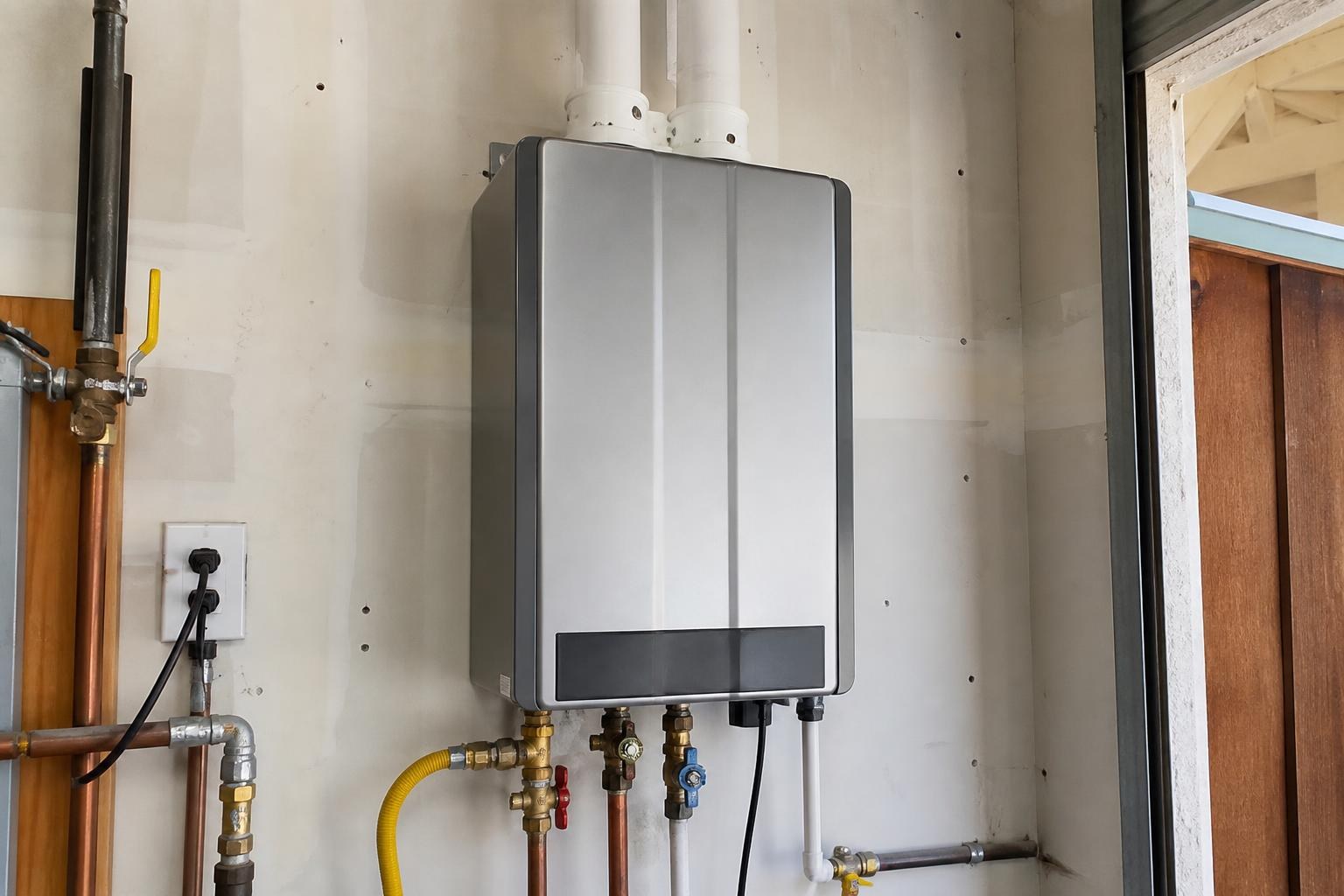



Water leaks in home HVAC (Heating, Ventilation and Air Conditioning) systems can be a frustrating and expensive problem to deal with. In some cases, the damage caused by a water leak can be severe, leading to costly repairs and even potential health risks.
Fortunately, understanding the potential causes of water leaks can help you to diagnose and repair the problem quickly. Follow through this article to know the causes of HVAC system water leaks.
Most indoor water you find around an air handler or furnace is not a plumbing leak at all. During cooling season, warm household air passes over a cold evaporator coil, moisture condenses on the fins, and that condensate is supposed to drain safely away. When any part of that drainage path fails, the water has nowhere to go but onto the floor, into the cabinet, or through the ceiling below. Knowing where the water is actually coming from is the first step to stopping it, so we will walk through the usual culprits and how our technicians tell them apart.
Causes of Water Leaks in Your HVAC System

Here are some of the most common causes of your HVAC unit leaking water in your home.
Blocked Condensate Drain Pipe
The condensate drain pipe removes the water from inside the air handler. The pipe is connected from the bottom of the air handler to a rain gutter or sump pit. The condensate drain pipe may become blocked with debris or be kinked so it cannot drain properly.
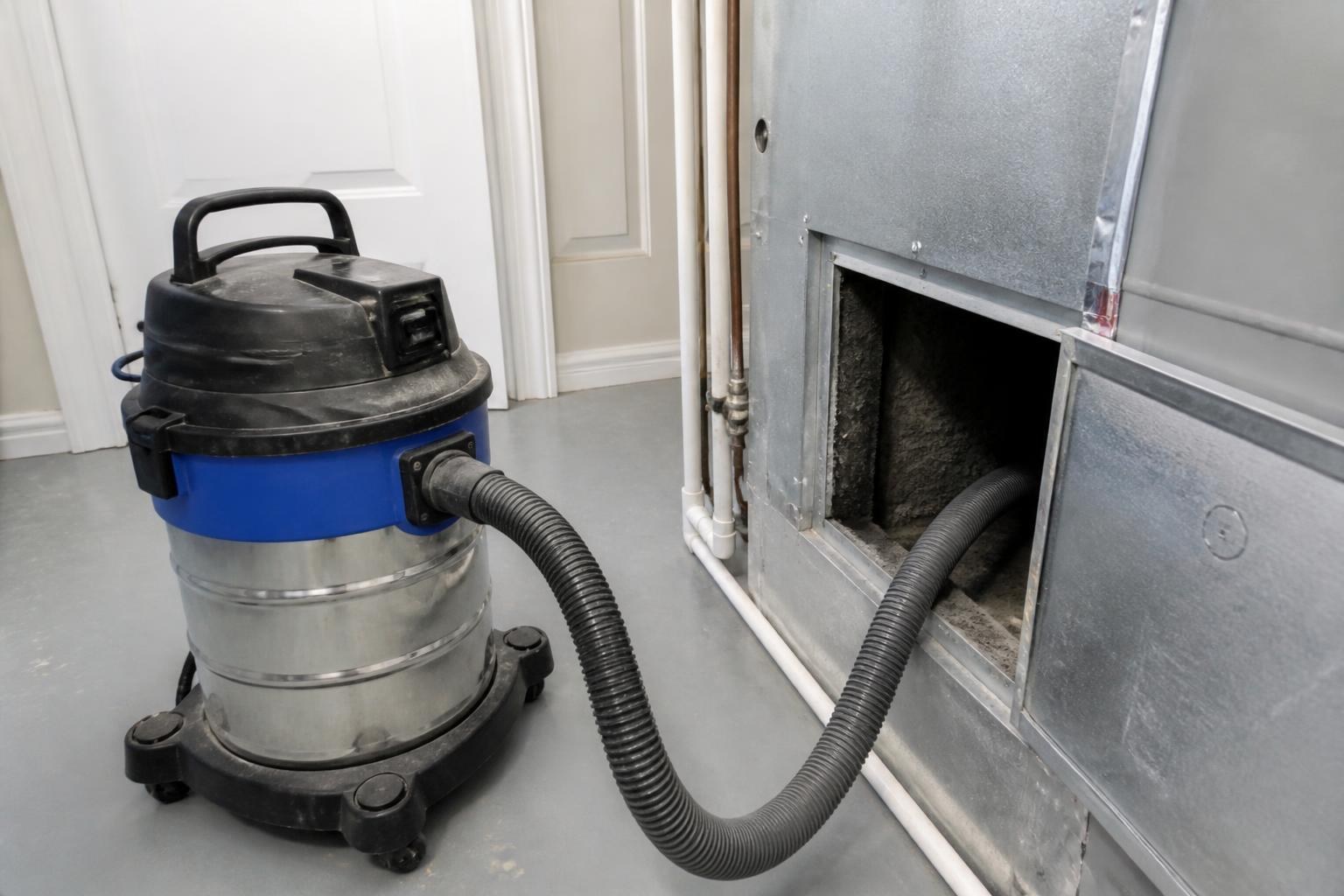
The most common blockage is not debris but biological growth. Because the line carries cool, damp water in a dark space, algae and mould thrive inside it and form a slimy plug that stops drainage completely. When the line backs up, the drain pan overflows. Many systems have a float or safety switch on the pan that shuts the equipment off before that happens, so if your air conditioner keeps turning itself off, a clogged drain is a prime suspect. A wet/dry vacuum held to the outdoor drain termination can pull the clog free, and flushing the line periodically helps keep it clear.
Loose or Damaged Air Handler Sealant
The air handler seals around the outside of it to prevent moisture from getting into your home. But if there is a tear in this sealant (usually due to age or damage), it can cause water to leak out and into your home through this crack in its seal.
Damaged Indoor Coil
When an indoor coil becomes damaged, water can get into your system and leak out onto the floor through this hole in its casing. Check the air handler to see any signs of water damage or mould on it. If so, this may be your problem, and you will want to call a professional for further inspection and repair.
Coils can also corrode from the inside out. A process called formicary corrosion creates tiny pinhole leaks in the copper, which lets refrigerant escape and disrupts the coil’s temperature. That, in turn, changes how condensation forms and drains. Rust stains on the coil casing, persistent dampness, or a musty odour are all worth having inspected, because a failing coil rarely fixes itself and often signals a bigger charge or airflow issue behind it.
Loose Connections
If your HVAC system is leaking water, it could be due to a loose connection in the unit’s plumbing. Sometimes moisture can build up in the pipes and cause them to corrode. This can lead to them becoming loose and moving around inside the unit. Water will leak out of your unit’s air ducts or floor drains when this happens.
Temperature Problems
Another reason why your HVAC system may be leaking water is due to temperature problems within the system itself. If there is too much pressure within the pipes or if they are not properly insulated, this will increase the chances of them having leaks occurring within them. The most common places for these leaks are tight bends in pipelines or connections that have been made improperly during installation at your home or office building’s HVAC system.
Air Filter is Dirty
An air filter that is clogged with dirt and debris can make it harder for your heating unit to operate efficiently. Dirt particles can also block airflow through vents and cause back pressure within systems that will lead to leakage around pipes and joints.
A dirty filter does more than strain the blower; it is a leading cause of a frozen coil. When airflow across the evaporator drops too low, the coil surface falls below freezing and a layer of ice forms. As soon as the system cycles off, that ice melts all at once and pours over the drain pan faster than it can drain. Checking and replacing the filter on a regular cadence is the cheapest way to prevent this, and it protects the blower and coil at the same time.
Frozen Evaporator Coil
Because it is such a frequent cause, a frozen coil deserves its own note. Beyond a dirty filter, a coil can ice over from low refrigerant charge, a failing blower motor, closed or blocked supply vents, or running the air conditioner on an unusually cool night. If you see ice on the refrigerant lines or the indoor coil, turn the cooling off and switch the fan to “on” so the ice can thaw and drain gradually. Running the compressor against a frozen coil can damage it. If freezing keeps returning after a fresh filter, the charge or airflow needs a technician’s attention.
Full Drain Pan or Failed Condensate Pump
Some systems sit in a basement or a spot below the drain line and rely on a condensate pump to lift the water up and out. When that pump fails, or its own float switch sticks, the pan simply fills and spills. A secondary drain pan is often installed beneath the equipment as a backup, and water pooling in that secondary pan is a warning that the primary path has already failed. A cracked or rusted-through pan will also drip regardless of how clear the line is. These are quick things to check before assuming the worst.
What to Do the Moment You Notice a Leak
If you find water, turn the system off at the thermostat to stop more condensation from forming, then mop or vacuum up standing water to limit damage. Check the filter and swap it if it is dirty, look for ice on the coil or lines, and see whether the drain pan is full. Clearing the outdoor drain termination with a wet/dry vacuum resolves many simple clogs. If the leak continues, the coil is iced, or a safety switch keeps shutting the unit down, book professional service. Routine HVAC maintenance that includes a drain flush and coil inspection prevents the large majority of these leaks in the first place.
Conclusion

It is important to thoroughly understand the causes of HVAC system water leaks so that you can identify and repair them quickly. When the HVAC system is properly maintained and serviced, the chances of a leak are greatly reduced. To prevent damage to your home, consider routine scheduling maintenance for your air conditioner or heater.
If you are experiencing problems with your HVAC system, Oshawa hot water tank repair services can help you to identify and repair the problem quickly. Contact Fortis Heating & Air Conditioning today to learn more about how we can help you.
Fast help for AC leaks: When an air conditioner or furnace starts leaking water, Fortis Heating responds across Oshawa, Whitby, Ajax and Pickering, and out to Bowmanville, Newcastle and Cobourg.
Related Home Comfort Resources
To keep your system running efficiently and safely between service visits, these trusted references are a helpful starting point.
Frequently Asked Questions
What HVAC services does Fortis Heating offer in Oshawa?
From furnaces and air conditioners to heat pumps, custom ductwork, gas fireplaces, gas line installation, hot water tanks and tankless water heaters, Fortis Heating & Air Conditioning handles the full spectrum of residential HVAC. Every job is carried out by licensed professionals for homeowners in Oshawa, Whitby, Ajax, Pickering, Bowmanville, Courtice and the wider Durham Region.
How do I know if my HVAC system needs professional service?
Pay attention to changes like new noises, uneven heating or cooling, energy bills that keep climbing, short-cycling, weak airflow, or off odours — and remember that anything past 10 to 15 years old is worth checking regardless. Rather than guess, arrange an inspection with a licensed HVAC technician so small problems are caught before they grow.
Are there energy rebates for HVAC upgrades in Ontario?
Possibly. Energy incentives for high-efficiency HVAC are made available from time to time by federal, provincial, and local utility programs, and because the specifics change year to year, some open while others close. Efficient furnaces, heat pumps, and smart thermostats tend to be common candidates, but always check what’s active before you commit. Fortis Heating follows the programs relevant to Durham Region homeowners and can help you choose qualifying equipment.
Is it safe to keep running my air conditioner if it is leaking water?
It is best to shut it off. Continuing to run a leaking system can flood the area, damage flooring and drywall, and worsen an underlying problem such as a frozen coil or backed-up drain. Turning the cooling off stops new condensate from forming, and switching the fan on helps any ice thaw and drain before you investigate or call for service.
How can I clear a clogged condensate drain myself?
Locate the drain line’s outdoor termination and hold a wet/dry vacuum over the opening to pull the clog out, sealing the connection with a rag for suction. Some homeowners also pour a small amount of vinegar into the line’s access port to discourage regrowth. If the line stays blocked or the pan keeps overflowing, the clog may be deeper and needs a technician.
How often should the condensate drain be checked?
Once a year during a cooling-season tune-up is a good baseline, ideally before the humid summer months when the system produces the most condensate. Homes with high humidity, pets, or a history of algae buildup may benefit from a mid-season flush as well. Catching a partial clog early is far easier than cleaning up after an overflow.