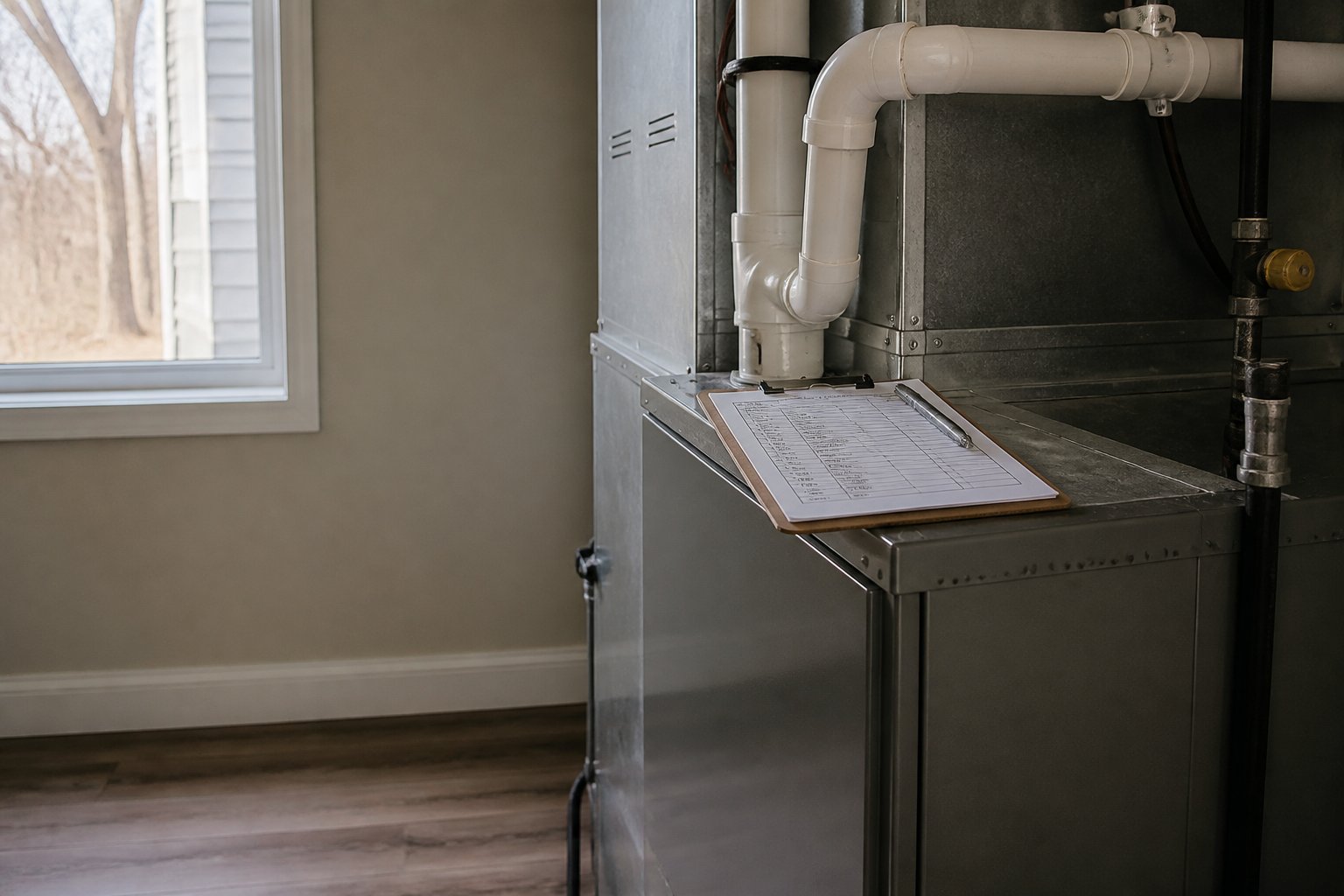



Furnaces play a big part in keeping homes warm and cozy during the chilly months. But when they fail, the impact can be more than just inconvenient. Imagine waking up on a freezing morning only to discover there’s no heat. Understanding furnace issues and how to prevent them is important. Not only does it ensure your home stays comfortable, but it also helps avoid unexpected repair costs and maintains safety. For residents in Oshawa and Cobourg, being aware of common furnace problems and their solutions can make a significant difference during the winter months.
Keeping a furnace in good shape isn’t just about comfort; it’s about peace of mind. When a furnace is well-maintained, it runs more efficiently, leading to consistent warmth and potentially lower energy bills. Whether you’re sipping coffee in Oshawa or settling in with a book in Cobourg, knowing your furnace is in top condition allows you to focus on enjoying the season without worry.
Common Causes of Furnace Failures

When it comes to furnace troubles, a few culprits often pop up. One common issue is dirty or clogged filters. Filters play a crucial role in ensuring the furnace runs smoothly by trapping dust and debris. When these filters get clogged, they restrict airflow, which can cause the furnace to overheat or shut down unexpectedly.
Thermostat malfunctions also rank high on the list of problems. If a thermostat isn’t working correctly, it might cause the furnace to turn on and off rapidly or not heat up at all. This can lead to uneven temperatures, leaving some rooms feeling like the Arctic.
Here are the main issues to keep an eye on:
– Dirty or Clogged Filters: Replace filters regularly to maintain airflow.
– Thermostat Malfunctions: Ensure it’s calibrated and working properly for consistent heating.
– Neglect of Maintenance: Regular check-ups can prevent many problems from developing.
Beyond those familiar culprits, a few wear-and-tear parts cause the majority of no-heat calls. On modern furnaces the hot-surface ignitor and the flame sensor are frequent offenders: a cracked ignitor simply won’t light the burners, while a flame sensor coated in residue tells the furnace no flame is present and shuts it down for safety. A failing blower motor or a weak run capacitor can leave the furnace lit but unable to push warm air through the house. Older units may rely on a pilot light and thermocouple, which can drift out of adjustment over time and snuff the flame.
Our local winters add one more failure point worth knowing about. High-efficiency furnaces drain acidic condensate through a small plastic line, and during a hard Oshawa or Cobourg cold snap that line can freeze and back up, tripping the furnace off. Just as important, these furnaces vent through a plastic pipe that usually exits through an exterior wall. If drifting snow or ice blocks that intake or exhaust, the furnace’s safety switch will shut it down. Checking that the vent is clear after a heavy snowfall is one of the simplest ways to prevent a mid-storm outage.
Neglect often leads to bigger issues. Skipping routine maintenance invites more wear and tear, paving the way for breakdowns when you least expect them. A little attention now can save a lot of headaches and chills later, making sure you stay warm all winter long.
Signs Your Furnace May Be Failing
Recognizing the warning signs of a failing furnace early can save you from chilly nights and unexpected costs. One clear indicator is weird noises coming from your furnace, such as rattling, banging, or continuous humming that weren’t there before. Such sounds could signal loose components or mechanical issues needing attention.
Another common sign is inconsistent heating. Maybe some rooms feel too warm while others remain cold. This uneven heating can happen if your furnace struggles to distribute warmth evenly throughout your home.
Pay attention to your energy bills as well. If your heating costs are suddenly shooting up with no change in your usage, your furnace might be working overtime just to keep your house at a steady temperature. This inefficiency often results from underlying issues reducing its effectiveness.
Colour and cycling are two more tells. A healthy gas flame burns crisp and blue; a flame that turns yellow or flickers can point to incomplete combustion and should be looked at promptly. Frequent short cycling — the furnace kicking on and off every few minutes — signals anything from a dirty filter to an oversized unit or a failing sensor. And any smell of gas, or a rotten-egg odour, means you should leave the home and call for help right away rather than troubleshooting on your own.
Prevention Tips for Avoiding Furnace Failures

Preventing furnace troubles starts with regular maintenance and some simple actions you can take routinely. Here’s how to keep things running smoothly:
– Schedule Regular Maintenance Checks: An annual check-up can detect potential problems before they turn into costly repairs.
– Change Filters Regularly: Ideally, change or clean your filter every one to three months. This ensures optimal airflow and reduces the strain on the system.
– Keep an Eye on the Thermostat: Ensure your thermostat is functioning correctly and consistent with your heating needs.
– Clear the Vents and Registers: Keep supply and return registers open and unblocked, and check that the outdoor exhaust and intake pipes stay free of snow and ice.
It’s also smart to test your carbon monoxide detector at the start of the heating season and replace its batteries — Ontario law requires a working CO alarm near sleeping areas in homes with fuel-burning appliances. Keep the area around the furnace clear of stored boxes and household chemicals so it can draw air freely, and take a moment to listen to how your furnace normally sounds on start-up. Knowing what “normal” sounds like makes it much easier to catch a new rattle or hum before it becomes a breakdown.
Being proactive with these steps can ensure your furnace remains in good working order. It’s much like taking your car in for a tune-up. Regular attention can keep minor issues from becoming major ones.
When to Call a Professional for Furnace Issues
Sometimes, in spite of your best efforts, furnace problems can be too complex or dangerous to handle on your own. Knowing when to bring in a professional is key to avoiding further damage. For instance, if your furnace won’t start, often smells of gas, or continually cycles on and off, it’s time for expert help.
In these cases, DIY attempts might not cut it. Addressing these issues with a trusted service ensures your home remains safely heated. Using local heating services that understand specific regional needs and challenges also means you’re entrusting your comfort to those who know what they’re doing.
Anything involving the gas supply, the heat exchanger, or internal electrical components is firmly in professional territory. A cracked heat exchanger, for example, can leak carbon monoxide and is not something to diagnose by guesswork. A licensed technician has the combustion analyzers and safety training to test the furnace properly, make the repair, and confirm it is venting safely before leaving — protecting both your comfort and your family’s health.
Keeping Your Furnace Running Smoothly All Year
As the cold months fade, make it a habit to review the points we’ve covered. Scheduling regular maintenance checks, changing filters, and watching out for any changes in your furnace’s behavior can keep your system running efficiently. This care not only makes your home more comfortable but also offers peace of mind that warmth is never in short supply.
A well-functioning furnace is critical for those living in Oshawa and beyond. Proper care and attention mean enjoying the coziness of home without the worry of sudden breakdowns or surprise repair costs. By staying vigilant and knowing when to seek professional assistance, you’ll ensure a snug and comfortable winter.
Keep Your Furnace Reliable Through Every Oshawa Cold Snap
A furnace that’s been cleaned, tested, and tuned before the season is far less likely to quit on the coldest night of the year. If yours is making new noises, short cycling, or simply overdue for a check-up, don’t wait for a no-heat morning to act. Book dependable Oshawa home heating services with Fortis Heating & Air Conditioning — call (289) 688-4822 or reach our team through the contact page to schedule your furnace service.
Durham Region heating care: Fortis Heating helps homeowners prevent furnace breakdowns before winter sets in, serving the wider Durham Region including Oshawa, Whitby, Ajax, and Pickering.
Furnace Care References
Trusted sources on furnace efficiency and gas safety:
Frequently Asked Questions
How much does furnace repair cost in Oshawa?
Furnace repair costs in Oshawa vary widely depending on the component and the severity of the problem. Minor fixes such as an ignitor or flame sensor replacement sit at the lower end, while a blower motor or heat exchanger repair is considerably more involved. Prices change over time and from one system to the next, so a professional diagnosis is the best way to get an accurate, current estimate for your furnace.
Should I repair or replace my furnace?
Consider replacement if your furnace is over 15 years old, requires frequent repairs, has a cracked heat exchanger, or has an AFUE rating below 90%. If the repair cost approaches a large share of a new furnace price, replacement is usually the better investment for long-term efficiency and reliability.
What are signs of a failing furnace?
Watch for yellow or flickering pilot lights, strange banging or rattling noises, frequent cycling on and off, cold spots in your home, rising heating bills, and the furnace running but not producing adequate heat. Any unusual smells, especially a rotten egg odour, require immediate attention for safety.