

Living in Oshawa, having a reliable system for heating and cooling your home is super important. Custom ductwork plays a big part in keeping your home comfy. These tailored ducts ensure even temperature distribution, making sure every room feels just right. However, when there are issues, your home’s comfort can take a hit, causing discomfort during extreme weather. Understanding how to troubleshoot these ductwork problems helps maintain indoor comfort and efficiency.
Custom ductwork issues can be quite a hassle for Oshawa homeowners. Whether it’s strange noises, uneven temperatures, or leaks, these glitches disrupt home comfort. It’s crucial to get at the root of these problems quickly. Tackling these issues not only helps keep your home comfortable but also enhances the overall efficiency of your heating and cooling systems. By recognizing common problems early on, homeowners can take simple steps to address them, avoiding bigger and more costly repairs down the line.
Durham Region homes see a punishing swing in demand across the year, from deep-freeze January mornings to humid July afternoons. Ductwork that runs through an unheated basement, crawlspace, or attic works hardest exactly when the weather is most extreme, so a small flaw that goes unnoticed in mild weather can turn into a noticeable cold room the moment the temperature drops. That seasonal load is why local homeowners benefit from understanding what typically goes wrong inside their ducts.
Common Custom Ductwork Issues at Home
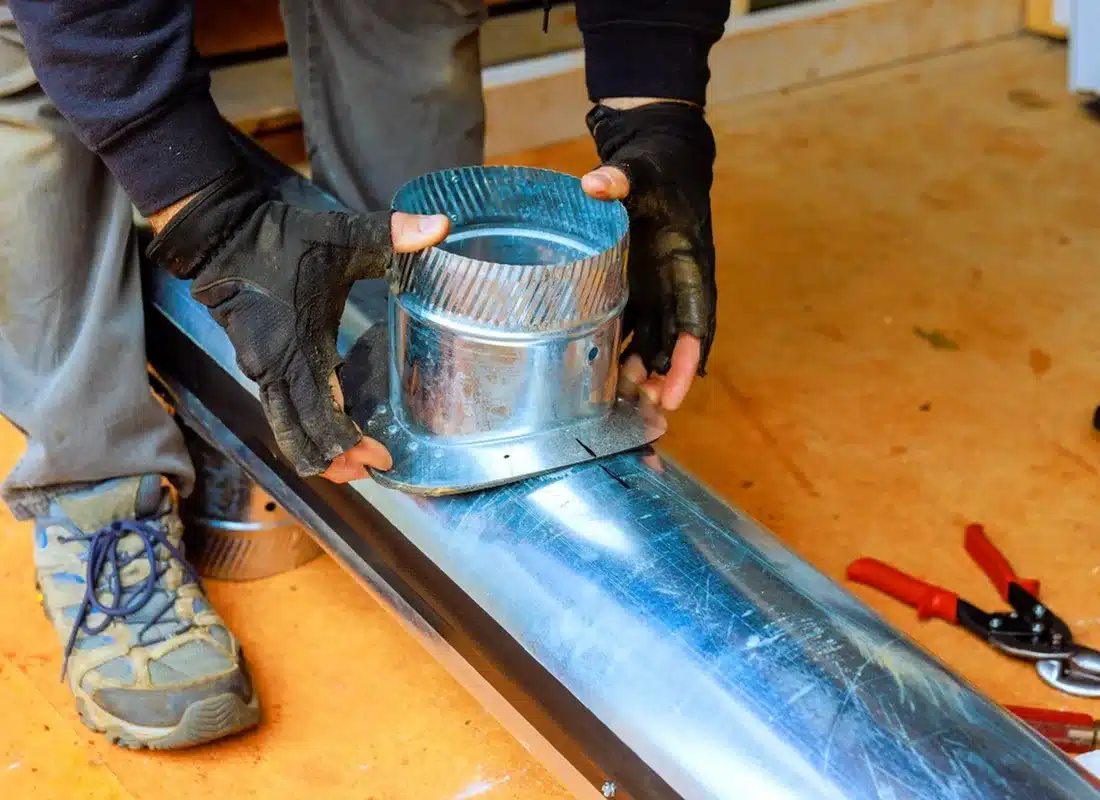
Ductwork problems come in several shapes and sizes, but a few are more common than others. Firstly, leaks are a frequent issue. These can appear from cracks, poorly sealed joints, or damaged sections of ductwork. When the air leaks, it results in uneven heating or cooling, making your system work harder than necessary to maintain desired temperatures.
Blockages are another common problem. Debris buildup, such as dust or fallen insulation, can obstruct airflow, causing certain rooms to feel warmer or cooler than others. Imagine trying to drink through a straw partially blocked by ice — the same concept applies to your ductwork! Additionally, improper installation may lead to kinks or bends, disrupting the airflow and lowering efficiency.
Duct sizing is a less obvious but very common culprit. If the trunk lines or branch runs are too small for the furnace or air handler, air moves too fast and too loud, and the system struggles to push conditioned air to the farthest rooms. Ducts that are too large create the opposite problem: airflow slows, rooms stay lukewarm, and moisture can settle inside the metal. In many older Oshawa homes, additions and finished basements were tied into ductwork that was never resized for the extra square footage, which is why one part of the house is comfortable while another never quite catches up.
Insulation loss matters just as much in our climate. Bare or poorly wrapped ducts running through an unheated crawlspace, garage, or attic shed heat on the way to the register, so the air arriving upstairs is cooler than the air that left the furnace. In summer the reverse happens and cold supply air picks up unwanted heat. On very cold Durham mornings, uninsulated metal can even sweat as warm indoor air meets the chilly surface, and over time that moisture encourages rust and mould inside the run.
These issues hamper airflow, which directly impacts heating and cooling efficiency. When efficiency drops, energy bills often rise without enhancing comfort levels. This results in higher costs and unnecessary stress on your HVAC system. Regular maintenance and attention can help detect these issues early, ensuring your system runs smoothly and efficiently year-round.
To make it easier, here’s a quick checklist:
– Leaks: Identify cracks or gaps in duct joints.
– Blockages: Check for dust or debris obstructing airflow.
– Improper Installation: Look for kinks or bends that shouldn’t be there.
– Insulation Gaps: Feel for cold or sweating ducts in unheated spaces.
Simple Troubleshooting Steps
When you encounter problems with your ductwork, some straightforward steps can help you troubleshoot and address minor issues. Start by examining your ductwork for visible leaks or damage. Gaps or cracks in duct joints can often be spotted easily and can significantly impact your heating and cooling system’s efficiency. A smoke pencil or even a lit incense stick held near the duct seams can reveal if air is escaping and needs attention.
Next, ensure proper airflow by checking for any blockages in your ducts. Debris such as dust, dirt, or insulation can block the passage of air, so it’s important to keep these areas clear. You can often access these problem spots where the ducts are easily reachable. Simply removing any visible obstructions can restore the flow of air, improving the system’s performance.
Finally, inspect the installation to ensure that there are no kinks or undue bends that might impede airflow. Sometimes, shifting or tweaks during events like renovations can cause these issues, leading to restricted air movement. Adjusting these sections can often be straightforward and can get air moving smoothly again.
A quick room-by-room comparison also tells you a lot. On a cold day, hold your hand over a register in a comfortable room and then over one in a problem room. A weak stream in the far room usually points to a leak, a crushed run, or an unbalanced branch somewhere between the furnace and that vent. Note which rooms lag so you can describe the pattern accurately if you decide to bring in a technician.
Sealing and Insulating Ducts for Oshawa Winters
Sealing is where many homeowners are surprised. The one product you should not reach for is cloth “duct tape,” which dries out and peels within a season or two. Proper sealing uses either a brush-on duct mastic or a foil tape rated to the UL 181 standard, applied to clean, dry joints. Mastic works especially well on odd-shaped connections and stays flexible as the metal expands and contracts through Durham’s temperature swings. Seal the obvious seams first — take-offs, elbows, and the joints where branch runs meet the main trunk.
Once the runs are sealed, insulate any ducts that pass through unconditioned space. Wrapping supply and return lines in an unheated basement, garage, or attic keeps the conditioned air at temperature until it reaches the register and prevents that cold-weather sweating that leads to rust and mould. This one step often does more for a chilly upstairs bedroom than turning up the furnace, because it stops the heat loss at its source rather than trying to overpower it.
Balancing Airflow Between Rooms
If some rooms are always too warm and others too cool, the system may simply be out of balance. Many duct runs include manual damper handles near the trunk line; nudging them adjusts how much air each branch receives. As a rule, open the dampers feeding the far, hard-to-reach rooms and slightly close the ones nearest the furnace, then wait a day and re-check. In two-storey Oshawa homes, small seasonal adjustments — more air upstairs in summer, more downstairs in winter — can even out comfort without any new equipment. Keep every register and cold-air return unblocked by furniture or rugs so the balanced airflow can actually do its job.
When to Call a Professional
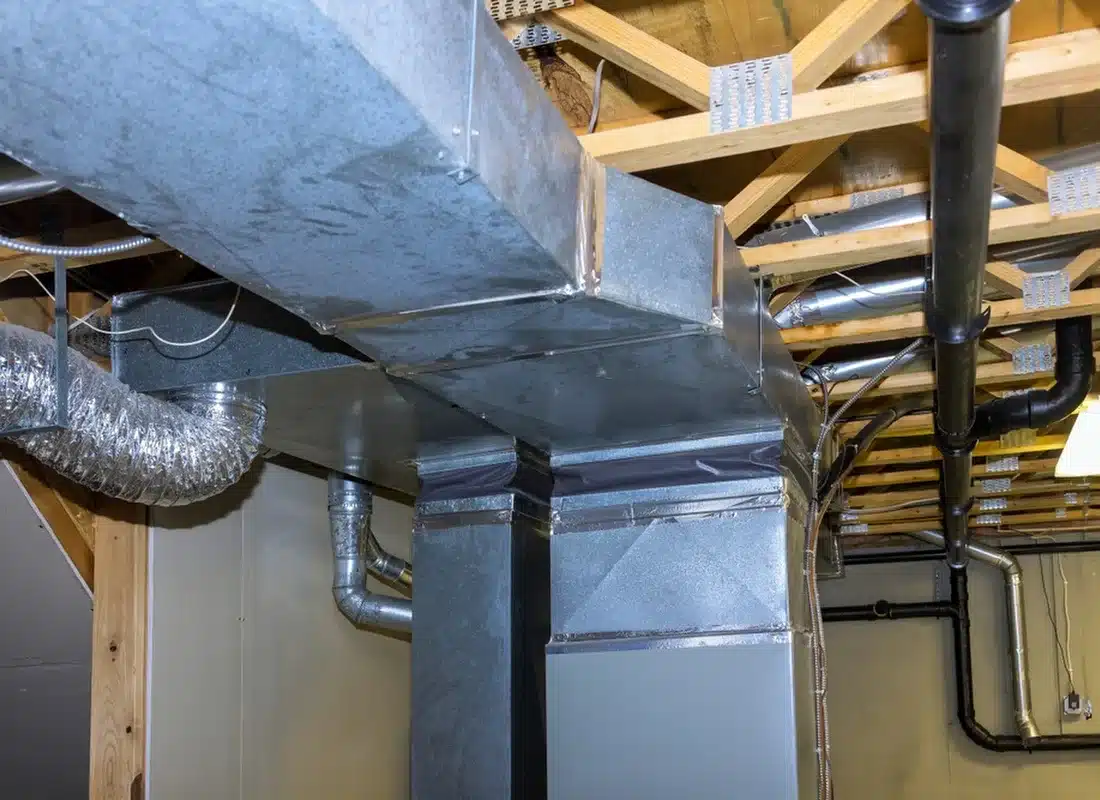
There are times when professional help becomes necessary. If you encounter complex repairs that seem beyond a quick fix or if there are extensive damages that you cannot address, it’s wise to consult technicians who specialize in ductwork. Issues like severe leaks, significant blockages that require special equipment, or improper installations that need realignment should prompt a call to the experts.
Professionals also ensure safety and efficiency while handling potentially tricky ductwork problems. Trying to fix things on your own might sometimes lead to mistakes that could worsen the situation, making it more costly in the long run. Thus, an experienced hand ensures that any repairs are done correctly, preventing recurrence and ensuring that your system functions efficiently.
A qualified technician can also measure static pressure and airflow to confirm whether the ducts are correctly sized for your furnace or heat pump. That kind of diagnosis matters most before a big change, such as replacing the furnace, finishing a basement, or adding a room. Getting the duct design right up front prevents the noisy, uneven performance that so often shows up when new equipment is bolted onto old, undersized ductwork.
Preventative Measures to Avoid Future Issues
Preventing ductwork problems in the first place can save you from headaches and costly repairs. Regular inspections are a key part of this preventive approach. Check your ducts seasonally for potential problems, especially before the peak periods of winter and summer when they work their hardest.
Moreover, consider setting a routine cleaning schedule to manage dust and debris accumulation. Keeping filters clean and clear helps maintain good airflow and prevents blockages from forming. Investing in simple sealing solutions for minor leaks can stop small problems from growing into bigger headaches.
Ensuring efficient ductwork isn’t just about solving problems; it’s about maintaining your system so it stays in top shape, delivering the comfort you count on. Keeping a regular check on your system, combined with timely intervention, can significantly enhance performance and extend the life of your heating and cooling system.
Straighten Out Your Oshawa Ductwork with Fortis
Sealed joints, insulated runs, and balanced airflow are the difference between a home that heats evenly and one that fights the thermostat all winter. If leaks, cold rooms, or noisy vents are wearing on your comfort, let our team pinpoint the problem and put it right. Discover how Fortis Heating & Air Conditioning can help with custom ductwork in Oshawa, or call us directly at (289) 688-4822 and book a duct assessment through our contact page.
Serving Durham Region: Whether your leaky or unbalanced ducts are in Oshawa, Whitby, Ajax or Pickering, Fortis Heating can trace the problem to its source — and we carry the same duct diagnostics east to Bowmanville, Newcastle and Clarington.
Ductwork and Air Quality Resources
For more on sealing, indoor air quality, and the home efficiency that hinges on healthy ducts, these references help:
Frequently Asked Questions
How do I know if my ductwork is leaking?
Common signs include rooms that never reach the set temperature, higher-than-expected energy bills, excess dust settling near registers, and a whistling or rushing sound near duct joints. Holding a lit incense stick near a seam while the system runs will show escaping air as the smoke pulls sideways. Ducts in a basement, garage, or attic are the most likely spots for leaks.
Should I seal or insulate my ducts first?
Seal first, then insulate. Sealing the joints with duct mastic or UL 181 foil tape stops conditioned air from escaping, and insulating the sealed runs keeps that air at temperature as it travels through unheated spaces. Doing both together gives you the biggest comfort and efficiency gain, especially for ducts that feed upstairs bedrooms in a Durham Region home.
Why is proper ventilation important for my home?
Proper ventilation removes stale indoor air, excess moisture, and pollutants while bringing in fresh outdoor air. In tightly sealed Ontario homes, inadequate ventilation can lead to mould growth, elevated CO2 levels, and poor air quality. The Ontario Building Code requires mechanical ventilation in all new residential construction.
What is an ERV and do I need one?
An ERV (Energy Recovery Ventilator) exchanges stale indoor air with fresh outdoor air while transferring both heat and moisture. Unlike an HRV which only transfers heat, an ERV also balances humidity levels. ERVs are ideal for Ontario homes where both summer humidity and winter dryness are concerns.
How can I improve ventilation without losing heat?
Install an HRV or ERV system, which recovers 70-80% of heat energy while providing fresh air. Other options include demand-controlled ventilation that adjusts based on CO2 levels, and balanced ventilation systems. Avoid relying solely on exhaust fans, which create negative pressure and pull in unfiltered outdoor air.