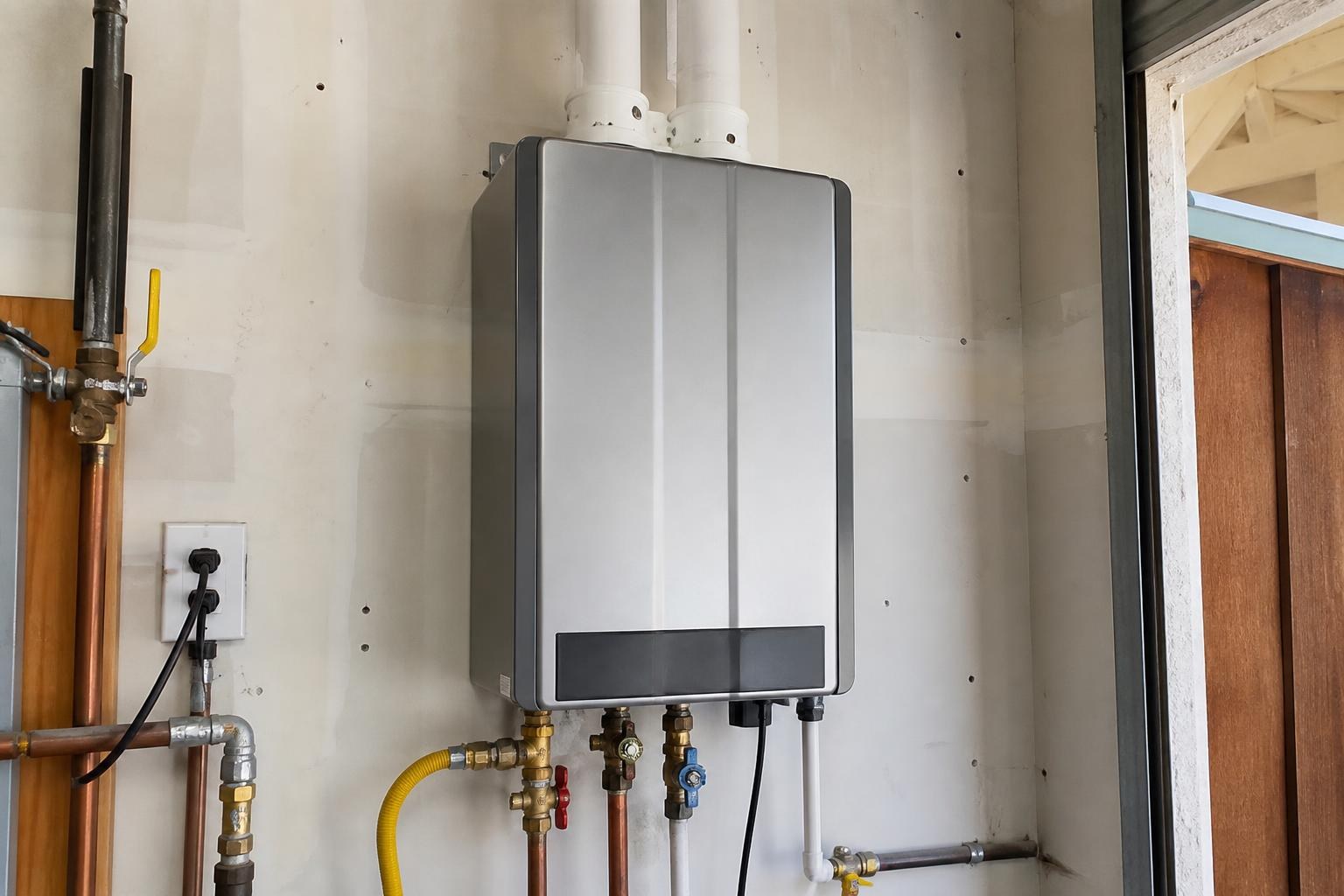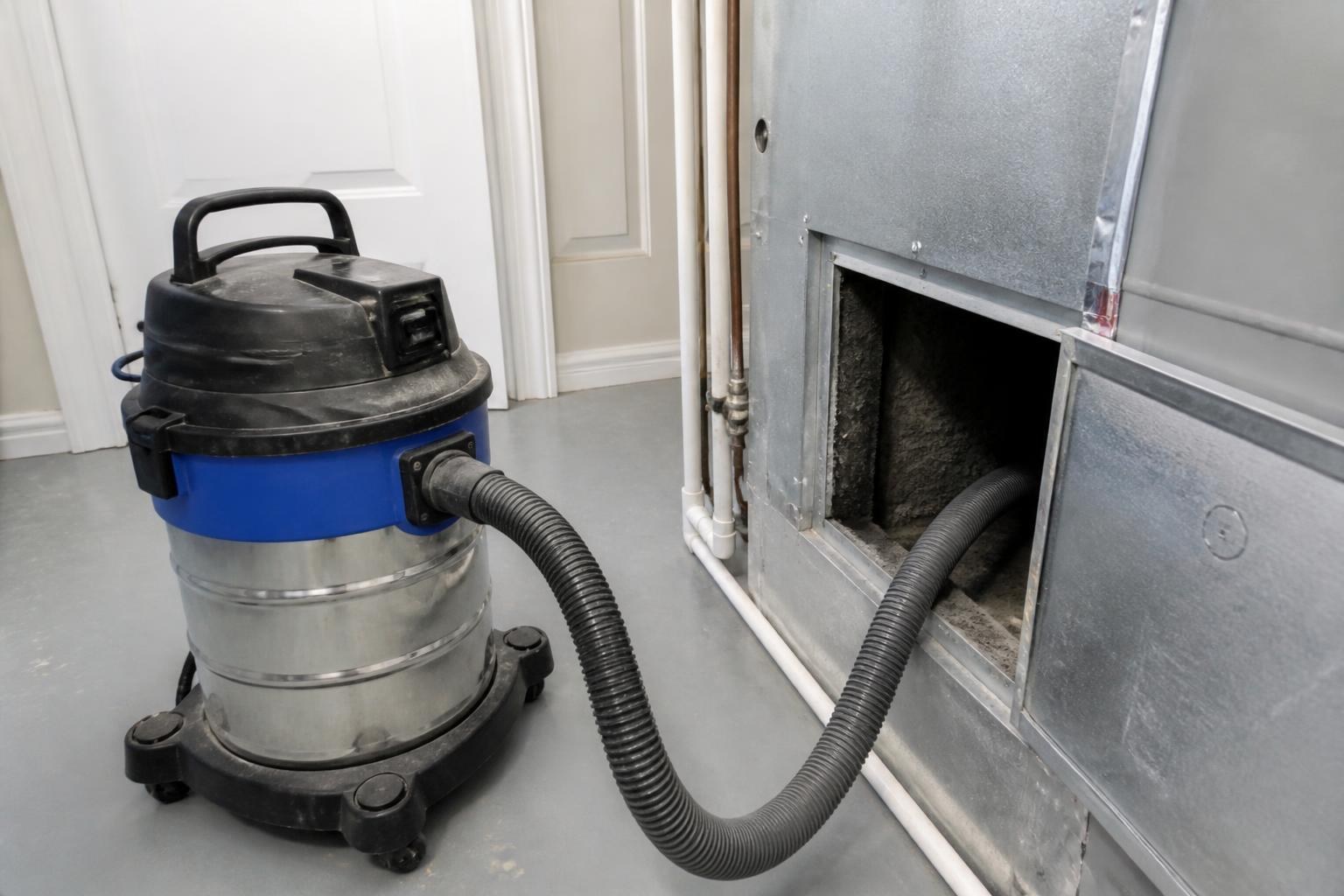



Heating systems are an essential part of any home, especially during the cold winter months. A comfortable and warm indoor environment can be achieved by maintaining and repairing your heating system. However, if your heating system is not functioning correctly, it can lead to discomfort, higher energy bills, and even dangerous situations.
Read on as we discuss everything you need to know about heating repairs.
The Types of Heating Systems Today

There are various types of heating systems, and each one requires different maintenance and repairs. Here are some of the most common types of heating systems today:
Furnaces
Furnaces are the most common type of heating system. They use natural gas, oil, or electricity to heat air, which is then distributed throughout the house via ducts.
Boilers
Boilers heat water, which is then distributed throughout the house via radiators or baseboard heaters.
Heat Pumps
Heat pumps use electricity to move heat from one area to another. They can provide both heating and cooling.
Ductless Mini-Split Systems
Ductless mini-split systems are similar to heat pumps but do not require ducts. They consist of an outdoor unit that is connected to one or more indoor units.
The Common Issues That Call for Heating Repairs
Heating systems can experience various issues, and some of the most common heating repairs include:
Dirty or Clogged Filters
Dirty or clogged filters can reduce airflow and cause your heating system to work harder than necessary. This can lead to higher energy bills and premature wear and tear on your system.
Thermostat Issues
Thermostat issues can cause your heating system to turn on and off frequently or not turn on at all. This can be caused by a malfunctioning thermostat, loose wiring, or other issues.
Ignition Problems
Ignition problems can prevent your furnace or boiler from turning on. This can be caused by a faulty ignition switch, a clogged burner, or other issues.
Blower Motor Issues
Blower motor issues can prevent your heating system from distributing warm air throughout your home. This can be caused by a faulty blower motor, loose wiring, or other issues.
Pilot Light Problems
Pilot light problems can prevent your furnace or boiler from turning on. This can be caused by a dirty pilot light, a faulty thermocouple, or other issues.
The Signs for When to Call a Professional

While some heating repairs can be done by homeowners, others require the expertise of a professional. Here are some signs that you should call a professional for heating repairs:
Unusual Noises
Unusual noises, such as banging or rattling, can indicate a serious problem with your heating system. These noises can be caused by loose or broken parts, so it’s important to call a professional as soon as possible.
Foul Smells
Foul smells, such as the smell of gas, can indicate a dangerous situation. If you smell gas, turn off your heating system immediately and call a professional.
Inconsistent Temperatures
If some areas of your home are warmer or cooler than others, this can indicate a problem with your heating system. A professional can diagnose and repair the issue.
Spiking Energy Bills
If your energy bills have increased without explanation, this can indicate that your heating system is not functioning efficiently. A professional can diagnose and repair the issue, which can save you money in the long run.
4 Things You Should Do for Preventative Maintenance
Preventative maintenance can help you avoid costly heating repairs and ensure that your heating system is functioning efficiently. Here are four things you should do for preventative maintenance:
- Change your air filters regularly.
- Schedule annual HVAC maintenance with a professional.
- Keep your heating system clean and free of debris.
- Use a programmable thermostat to control your system’s temperature.
DIY-Safe Checks to Try Before You Book a Repair
Before you assume the worst, a few simple checks can rule out the most common reasons a furnace stops producing heat. None of these steps involve opening the sealed burner compartment or touching the gas line, so they are safe for any homeowner and often solve the problem in minutes.
- Check the thermostat: Confirm it is set to “heat,” the target temperature is above the current room reading, and the batteries are fresh. A blank or dim display is often just a dead battery.
- Look at the furnace switch: Most furnaces have a wall switch nearby that looks like an ordinary light switch. It is easy to flip off by accident when carrying laundry or boxes past it.
- Reset the breaker: Find the furnace circuit in your electrical panel and, if it has tripped, switch it fully off and back on once.
- Replace a dirty filter: A filter clogged with dust and pet hair chokes airflow and can trip the furnace’s high-limit safety, shutting it down before it overheats.
- Open blocked vents and returns: Furniture, rugs, and closed registers starve the system of return air and create the uneven temperatures many people mistake for a breakdown.
- Look for a blocked condensate drain: High-efficiency furnaces produce water, and a plugged drain or full trap can trigger a safety switch. If you see standing water near the unit, it is time to call a professional.
If none of these steps restore heat, or if you ever smell gas, stop and call a licensed technician. Anything involving the burners, gas valve, heat exchanger, or wiring should always be left to a professional.
How a Gas Furnace Actually Produces Heat
Understanding the basic sequence a furnace follows makes it much easier to describe a problem accurately when you call for service. When the thermostat calls for heat, the induced-draft motor spins up first to clear the flue, then the igniter glows and the gas valve opens so the burners can light. A flame sensor confirms the burners are lit; if it does not, the furnace shuts the gas off within seconds as a safety measure.
The burners heat a metal heat exchanger, and once it reaches temperature the blower motor switches on to push warm air through your ducts. When a repair is needed, it usually comes down to one of these stages failing: a weak igniter, a dirty flame sensor, a stuck gas valve, or a tired blower motor. A cracked heat exchanger is the most serious fault because it can let combustion gases into your home, which is exactly why an annual safety inspection matters.
Heating Repairs and Durham Region Winters
Furnaces in Oshawa and the wider Durham Region work hardest during the -20°C cold snaps that roll in off Lake Ontario. That extra demand is exactly when small, neglected faults turn into no-heat emergencies. A furnace that short-cycles on a mild day may quit entirely once it is running almost non-stop, and a marginal igniter often chooses the coldest morning of the year to fail.
Freeze-thaw swings are hard on high-efficiency units too, since the plastic condensate lines and outdoor vent pipes can freeze if they are not sloped or insulated correctly. Booking a tune-up in early fall, before the first hard freeze, lets a technician clean the burners, test the ignition sequence, and confirm the venting is clear so your system is ready when the temperature drops.
Conclusion
Heating repairs are an essential part of maintaining a comfortable and safe indoor environment. By understanding the common types of heating systems, common repairs, when to call a professional, and preventative maintenance, you can keep your heating system functioning efficiently and avoid costly repairs. It is also worth noting that regular maintenance and repairs can save you money in the long run and ensure that your home is warm and comfortable during the cold winter months.
Book a Heating Repair in Durham Region
A furnace that is banging, short-cycling, or blowing cold air rarely fixes itself, and in a Durham Region winter a small fault can become a no-heat emergency overnight. Our licensed technicians trace the ignition, blower, and heat-exchanger issues behind most breakdowns and get your heat back quickly. Explore our home heating repair services in Oshawa, call (289) 688-4822, or request a visit online.
Serving the Durham Region: Fortis Heating pairs prompt repairs with preventative care to keep heating dependable across the Durham Region, including Oshawa, Whitby, Ajax, Pickering, and nearby Clarington.
Heating Care Resources
References that support smart repair and maintenance decisions:
Frequently Asked Questions
What HVAC services does Fortis Heating offer in Oshawa?
Fortis Heating & Air Conditioning delivers complete HVAC service — furnace installation and repair, air conditioning installation and maintenance, heat pump systems, custom ductwork, gas fireplaces, gas line installation, hot water tanks, and tankless water heaters. We serve homeowners across Oshawa, Whitby, Ajax, Pickering, Clarington, and the broader Durham Region.
How do I know if my HVAC system needs professional service?
Signs that it is time for a professional include unusual noises, uneven heating or cooling, energy bills higher than usual, frequent cycling, weak airflow, strange odours, and a system past the 10-15 year mark. Any of these warrants an inspection by a licensed HVAC technician.
Are there energy rebates for HVAC upgrades in Ontario?
Sometimes yes, sometimes no. Rebates for high-efficiency furnaces, heat pumps, and smart thermostats run through federal, provincial, and local utility programs that change from year to year, with some paused or replaced along the way. Confirm what is live before you commit rather than banking on a figure you found online. Fortis Heating keeps track of the programs that apply in the Durham Region and can help you choose equipment that qualifies.
Can I fix my furnace myself or should I call a technician?
Homeowners can safely handle basic tasks — replacing the air filter, checking the thermostat batteries, resetting a tripped breaker, and making sure vents and returns are unblocked. Anything involving the gas line, burners, igniter, heat exchanger, or electrical wiring should be left to a licensed technician. If you smell gas, leave the area and call for help immediately.