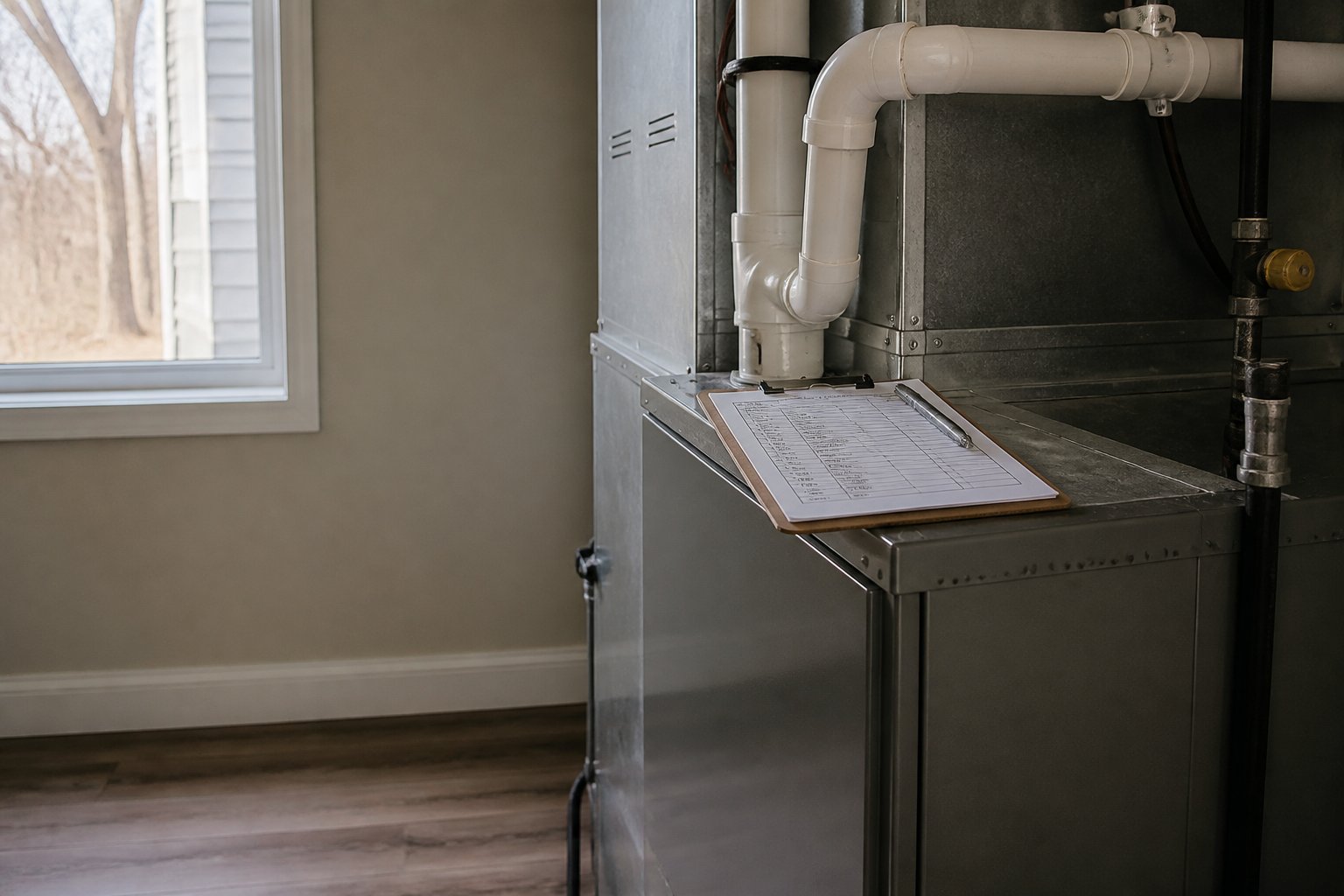



The arrival of warm weather in the Durham Region signals the beginning of the air conditioning season. As temperatures rise, the efficiency and performance of your cooling system become increasingly important to maintain a comfortable home environment. However, keeping your air conditioning unit running smoothly requires proactive maintenance to ensure not only optimal performance but also an extended lifespan and reduced energy consumption.
As a locally owned and operated HVAC company, your family’s comfort is our top priority. In this comprehensive guide, we will discuss essential air conditioning maintenance steps, including expert tips on cleaning and inspecting your equipment, best practices for filter replacement, and the benefits of scheduling regular professional tune-ups. Our aim is to help families like yours stay cool and comfortable throughout the summer months while minimizing energy bills and maximizing system performance.
The Importance of Regular Air Conditioning Maintenance

Investing in regular air conditioning maintenance offers numerous benefits, such as:
1. Improved Efficiency: A well-maintained system operates more efficiently, reducing energy consumption and lowering utility bills.
2. Extended System Lifespan: Routine maintenance can prolong the life of your air conditioning unit, saving you from costly premature replacement.
3. Enhanced Home Comfort: A properly functioning system maintains consistent temperatures and better humidity control, ensuring a comfortable environment throughout the warm season.
4. Preventative Repairs: Regular inspections can help identify potential issues before they become significant problems, saving you time and money on repairs.
Essential At-Home AC Maintenance Tasks
To keep your AC system running optimally, follow these routine maintenance tasks:
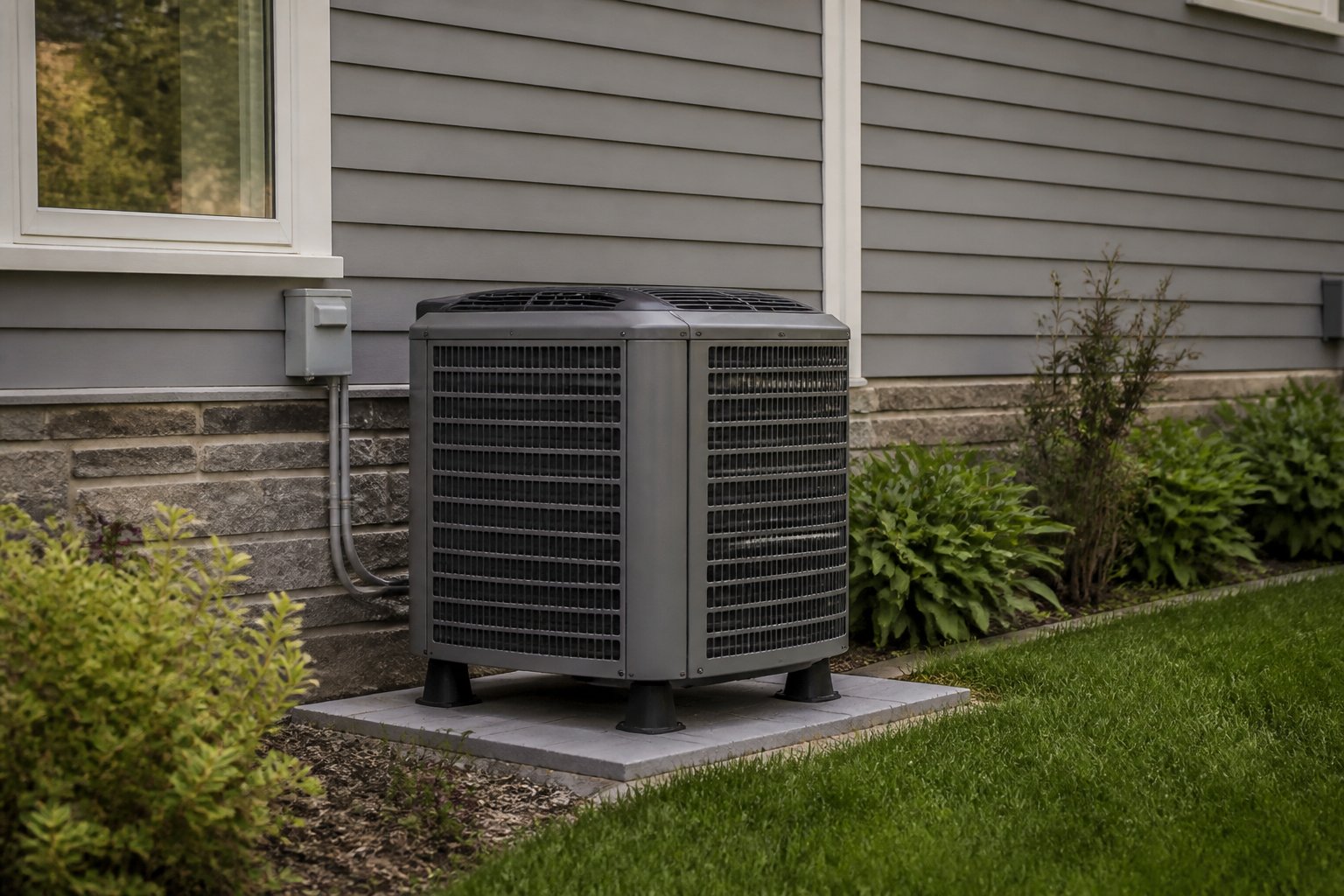
1. Regularly Clean and Inspect the Outdoor Unit: Remove any debris surrounding the outdoor unit, such as leaves or grass clippings, to maintain proper airflow. Inspect the unit for any damage or wear, and clear away any dirt or dust that may have accumulated.
2. Clean or Replace Filters: Clogged or dirty filters restrict airflow and reduce efficiency. Regularly inspect your filters and clean or replace them as needed, depending on the type and manufacturer’s recommendations.
3. Check and Clear Condensate Drain: The condensate drain removes excess moisture produced during the cooling process. Periodically clear the drain of any blockages by flushing with water or using a wet-dry vacuum.
4. Inspect and Clean Indoor Vents and Ducts: Regularly vacuum and clean indoor air vents to ensure proper airflow. If you suspect your ducts may be dirty or damaged, consider seeking a professional duct cleaning service.
The Benefits of Professional AC Tune-Ups

Scheduling professional AC tune-ups is an essential component of a comprehensive maintenance plan, offering the following advantages:
1. Comprehensive Inspection: A professional technician will thoroughly inspect your air conditioning system, identifying any potential issues that may impact efficiency or require repair.
2. Expert Cleaning and Adjustments: A trained technician can clean and lubricate moving parts, adjust settings, and calibrate your system to ensure optimal performance.
3. Refrigerant Level Assessment: A professional can properly assess and adjust refrigerant levels, ensuring the system functions efficiently and safely.
4. Peace of Mind: With a professional handling your AC maintenance, you can rest assured that your system is in expert hands and will operate at peak performance throughout the season.
Additional Tips for Efficient Home Cooling
To further enhance your home’s cooling efficiency during the summer months, consider the following tips:
1. Use Fans to Improve Air Circulation: Ceiling and portable fans can help distribute conditioned air more evenly throughout your home, reducing the workload on your AC system.
2. Seal Windows and Doors: Apply weatherstripping or caulk to seal gaps around windows and doors, minimizing the loss of cooled air and preventing warm air infiltration.
3. Install Window Coverings: Use shades, curtains, or blinds to block out direct sunlight, helping to keep your home cool and reducing the strain on your air conditioning unit.
4. Set Your Thermostat Strategically: Adjust your thermostat setting to a higher temperature when you’re away from home, and program it to a cooler setting when you’re occupying the space.
Inside a Professional AC Tune-Up: What Gets Checked
A thorough tune-up goes well beyond a quick filter swap. A technician cleans the outdoor condenser coil so it can shed heat properly, and clears the indoor evaporator coil where dust and biofilm quietly choke efficiency. Both coils matter: a dirty condenser makes the compressor run hot and work harder, while a coated evaporator can begin to freeze over and stop cooling altogether. Bent condenser fins get combed straight to restore airflow through the coil.
Next comes the refrigerant charge. Rather than simply topping it up, a technician measures system pressures along with superheat and subcooling to confirm the charge is correct — an undercharged system usually means a leak that needs to be found and repaired, not masked. The electrical side gets attention too: the run capacitor is tested for a capacitance drop (a common summer failure point), the contactor is checked for pitted or burned contacts, and the compressor and blower motor amp draw are read to catch a motor that is straining. Finally, the condensate drain and pan are flushed, the float safety switch is tested, and the thermostat is checked for accurate calibration so the system cycles the way it should.
Getting Your AC Ready Before the First Heat Wave
The worst time to discover a cooling problem is during the first 30°C stretch of the summer, when service phones ring off the hook. A little preparation on a mild spring day avoids that scramble. Start by installing a fresh filter after a long winter of furnace use, then head outside to remove any winter cover, clear matted leaves and grass from around the condenser, and keep at least two feet of open space on all sides for airflow.
Give the outdoor unit a close look after a Durham winter of road salt and freeze-thaw, which can corrode the aluminum fins and coat the coil in grit — a gentle rinse with a garden hose helps, working from the inside out where you can. Then run the system briefly on a day above roughly 16°C and listen: the compressor should start smoothly, the air from the vents should turn cold within a few minutes, and you should not hear grinding, buzzing, or rapid on-off cycling. Catching a weak capacitor or a low charge in April is far cheaper and less stressful than an emergency call in July.
Stay Cool and Confident with Optimal AC System Performance
By incorporating regular air conditioning maintenance into your seasonal home care routine, you can improve system efficiency, extend its lifespan, and enhance overall home comfort during the warmest months. With a combination of at-home tasks and professional AC tune-ups, you can rest assured that your cooling system is in top condition, providing the perfect environment for your family to enjoy.
Schedule Your Air Conditioner Tune-Up
A pre-summer tune-up — clean coils, a verified refrigerant charge, a tested capacitor, and a clear condensate drain — is the surest way to head off a mid-July breakdown and keep your cooling bills in check. Book yours before the first heat wave and let our technicians catch the small problems while they are still small. Learn more about our Oshawa air conditioning maintenance service, then call (289) 688-4822 or book your tune-up online.
Serving the Durham Region: Fortis Heating keeps home cooling systems in peak shape through the summer, caring for homeowners throughout the Durham Region including Oshawa, Whitby, Ajax, and Pickering.
Cooling Season Resources
Helpful references on air conditioner efficiency and selection:
Frequently Asked Questions
How often should I change my AC filter in Oshawa?
Throughout the summer in Oshawa, it is worth checking your AC filter monthly and installing a fresh one every one to three months. Households with pets, allergy sufferers, or dusty conditions typically need more frequent swaps. Staying on top of filter changes protects airflow, supports efficient operation, and helps you avoid unnecessary strain on the air conditioner.
What size air conditioner do I need for my home?
To size an air conditioner correctly, we look at the whole picture: square footage, insulation, windows, ceiling height, and how much sun the house receives. There are broad rules of thumb, but they are no substitute for a proper load calculation when it comes to matching a system to your home. An oversized or undersized unit simply wastes energy and leaves you less comfortable.
Why is my air conditioner not cooling properly?
When cool air stops flowing, the cause is often a dirty air filter, low refrigerant, a frozen evaporator coil, a malfunctioning thermostat, or a condenser unit blocked by debris. Begin with the basics: put in a clean filter, ensure all vents are open, and clear grass and leaves from around the outdoor unit. If cooling does not return, it is time to call a licensed technician.
When should I schedule my AC tune-up in the Durham Region?
Aim for spring — April or May — before the first real heat wave. Booking early means your system is verified and ready when you need it, and you avoid the peak-season wait when technicians are stretched thin with emergency no-cool calls. Pairing it with a fall furnace visit covers both halves of your system each year.
How can I tell if my air conditioner is low on refrigerant?
Warning signs include weak or warm airflow, ice forming on the refrigerant lines or the indoor coil, a hissing or bubbling noise, and longer run times that barely cool the house. Low refrigerant almost always means a leak rather than normal loss, so it should be found and repaired by a licensed technician rather than simply topped up.