


As temperatures begin to rise, ensuring your home remains a cool refuge is crucial. That’s why understanding the various types of cooling systems available and how they can meet the specific needs of your living space is essential.
Our expertise extends beyond just helping you choose the perfect system. We take pride in offering comprehensive services that include professional installation and diligent maintenance to ensure your cooling system operates efficiently and reliably.
By choosing the right system and maintaining it properly, you can enjoy not only enhanced comfort but also significant savings on your energy bills. Let us guide you through the process of choosing, installing, and maintaining a cooling system that perfectly fits your home’s unique needs.
Understanding Different Types of Cooling Systems

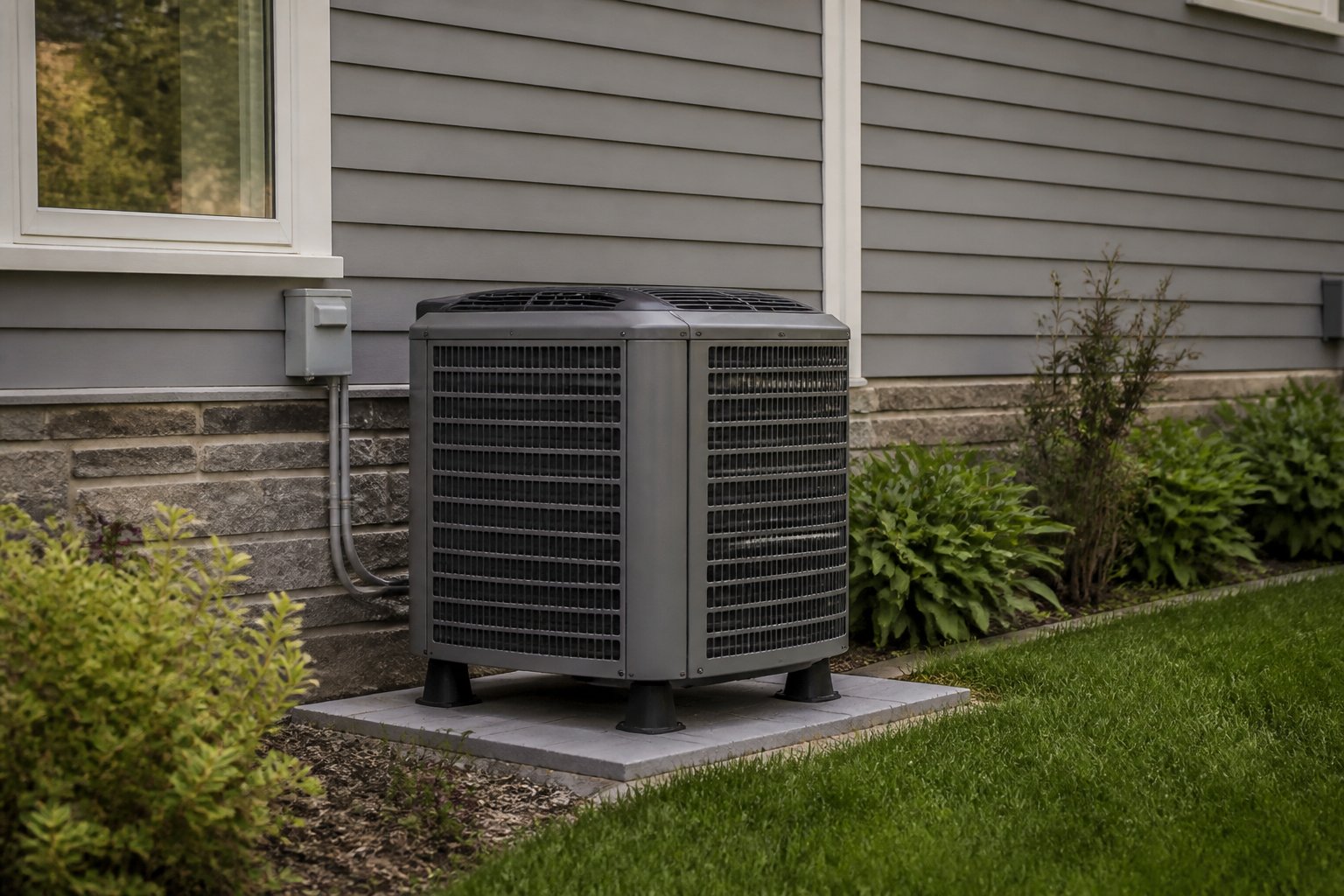
When it comes to cooling your home, understanding the various types of systems available is the first step towards making an informed decision. The most common systems include central air conditioners, ductless mini-splits, window units, and portable air conditioners. Central air conditioners are ideal for cooling multiple rooms or the entire house through a network of ducts. They are efficient for large spaces and are often the preferred choice for overall comfort.
Ductless mini-splits, on the other hand, are perfect for homes without ductwork or for adding cooling to new additions or specific rooms. These systems consist of an outdoor compressor and one or more indoor air handling units. They’re particularly great for targeting specific areas in your home without the need for extensive ductwork.
Window units are a more economical option for smaller spaces or single rooms, and portable air conditioners offer flexibility as they can be moved from room to room, depending on your needs. Each system has its merits, and the best choice depends on your home’s specific requirements as well as your personal preferences.
It’s also worth knowing about a fifth option that has become popular across Ontario: the air-source heat pump. A heat pump works like an air conditioner in summer — pulling heat out of your home — but reverses in the cooler months to bring warmth in, so a single system handles both cooling and a good share of your heating. For our climate, cold-climate models are the ones to look at, as they keep working efficiently well below freezing. Many of Oshawa’s century homes and older bungalows were built without any ductwork at all, and for those houses a ductless mini-split is often the tidiest answer: it cools efficiently and can be zoned room by room without cutting into original plaster walls. The right fit really does come down to the bones of your home, which is why an in-person assessment matters more than a one-size-fits-all recommendation.
Top Features to Look for in a Cooling System
When selecting a cooling system, certain features can enhance comfort, increase energy efficiency, and ensure ease of use. Here are some top features to consider:
1. Energy Efficiency: Look for units with high Seasonal Energy Efficiency Ratios (SEER) and Energy Star ratings. Higher SEER ratings mean more efficient energy use and lower utility bills.
2. Programmable Thermostats: Systems with programmable thermostats allow you to set temperatures for different times of the day automatically, which helps in saving energy and managing climate control precisely.
3. Quiet Operation: Especially important in residential areas or bedrooms, choose a system that operates quietly to enhance comfort without disruptive noise.
4. Air Quality Features: Consider units with built-in air purifiers or compatible with air quality enhancers like dehumidifiers or HEPA filters. These features help in maintaining healthier indoor air, which is crucial for comfort and wellbeing.
5. Durability and Warranty: Opt for cooling systems backed by strong warranties that are known for their durability. A longer-lasting unit means better value for your investment over time.
One feature that deserves special attention in our region is how well a system manages humidity. Through July and August, air drifting in off Lake Ontario can leave a home feeling sticky even when the thermometer reads a comfortable number. Many newer systems — particularly variable-speed and inverter-driven units — run longer at lower speeds, and that gentler, steadier operation pulls far more moisture out of the air than an older unit that blasts cold and shuts off. The result is a home that feels cooler at a slightly higher thermostat setting, which is both more comfortable and easier on your hydro bill.
By focusing on these features, we ensure that the cooling systems we provide not only meet your immediate need for relief from the heat but also offer long-term satisfaction with minimal fuss and maximum efficiency.
Step-by-Step Guide to Choosing Your Ideal Cooling System

Selecting the right cooling system for your home is vital to ensure comfort during those hot summer months. It’s not just about picking any air conditioner; it’s about finding the one that fits your specific needs and lifestyle. Start by assessing the size of your home. A system that’s too large or too small can lead to inefficiency and increased costs. We also suggest considering the type of system that best suits your home’s layout.
Sizing is where a professional load calculation earns its place. Rather than guessing from square footage alone, we account for your insulation, window area and orientation, ceiling heights, and how much sun each part of the house takes. It’s tempting to think a bigger unit is a safer bet, but an oversized system actually cools in short, sharp bursts, switching off before it has removed the humidity — leaving rooms cold and damp and wearing the compressor out early. A properly sized system runs longer, quieter cycles that keep temperatures steady and the air dry. Getting this step right is the single biggest factor in whether you’re happy with your cooling for years to come.
Next, let’s talk about your budget. We work with you to find a system that meets your financial and comfort needs, offering various options that range from basic cooling solutions to high-end units. Don’t forget about energy efficiency ratings – systems with higher ratings may cost more upfront but can save you money in the long run by using less energy. By preparing these considerations, our team ensures a seamless experience, guiding you through the entire process to ensure you make the best choice for your unique situation.
How We Install and Maintain Your Cooling System
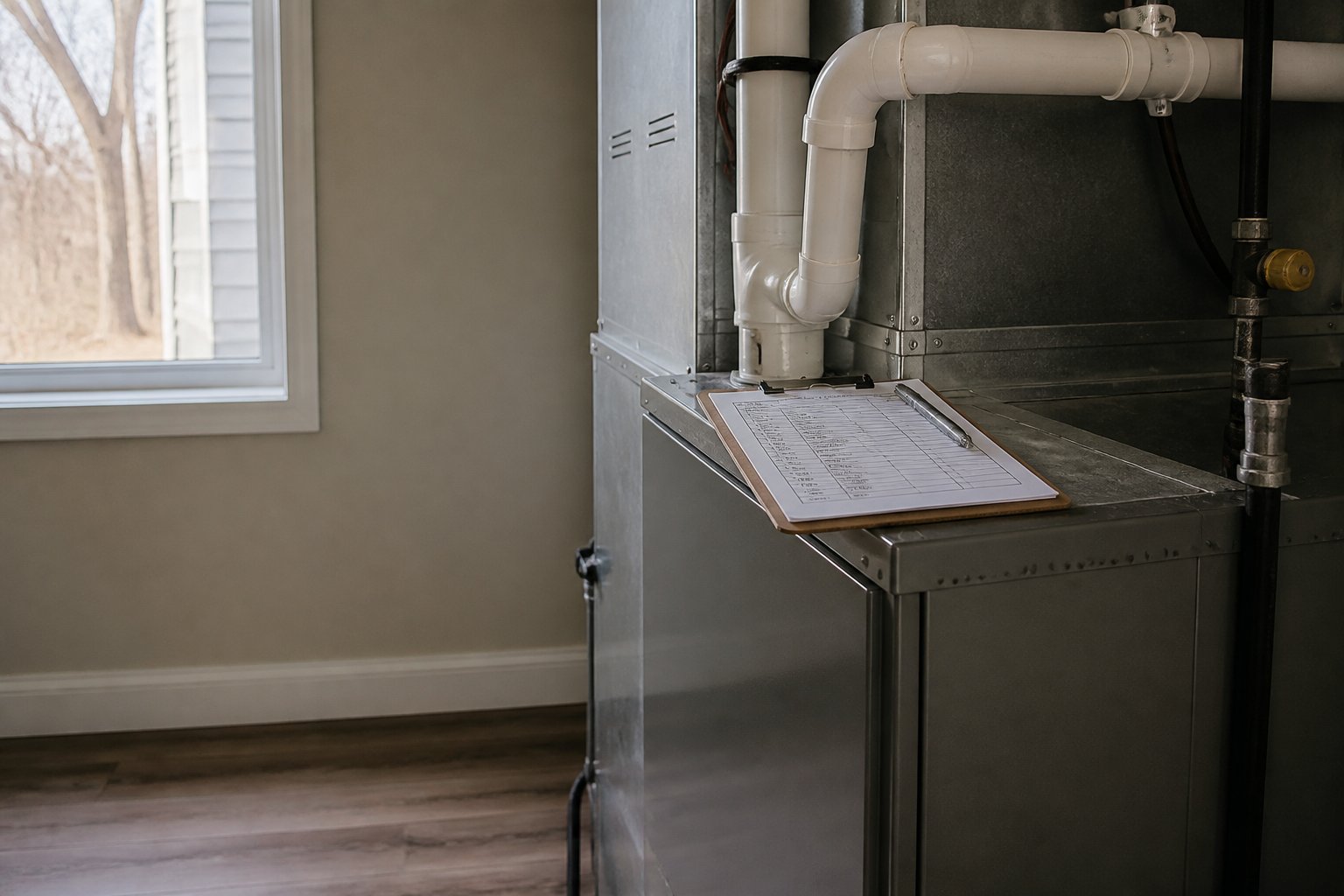
Once you decide on the right cooling system, our trained professionals handle every aspect of the installation process with care and precision. We start by preparing the installation site and ensuring everything is in place for a smooth setup. Our team works efficiently and respectfully, minimizing any disruption to your daily routine.
A quality installation doesn’t end when the unit is bolted down. Before we leave, we commission the system — verifying the refrigerant charge, measuring airflow and the temperature drop across the coil, confirming the condensate drain runs freely, and making sure the thermostat is talking to the equipment the way it should. Those final checks are what separate a system that simply turns on from one that runs at its rated efficiency for its full lifespan.
After installation, proper maintenance is key to prolonging the life of your cooling system. We offer comprehensive maintenance services tailored to keep your system running smoothly. This involves regular check-ups, cleaning of components, and prompt repairs as needed. In practice, that means a spring tune-up each year: rinsing the outdoor condenser coil, checking pressures, testing electrical components, and swapping the filter so the system heads into the Durham Region’s hottest weeks in top form. With our help, you can maximize the lifespan and efficiency of your cooling system, ensuring it performs at its best when you need it most.
Conclusion
Choosing, installing, and maintaining a cooling system is no small feat, but with our help, it doesn’t have to be overwhelming. We’re dedicated to providing tailored solutions and support throughout the life of your system. Whether you’re installing a new unit or maintaining an existing one, our expert team ensures your home stays comfortable and your system runs efficiently.
Let’s Match the Right Cooling System to Your Home
Every home cools a little differently, so the smartest first step is a proper assessment rather than a guess off a spec sheet. We’ll look at your layout, your ductwork (or lack of it), and how you actually live in the space, then recommend a system sized and matched to fit. When you’re ready to talk through central air, a ductless mini-split, or a heat pump for reliable air conditioning in Oshawa, reach Fortis Heating & Air Conditioning at (289) 688-4822 or book a visit online.
Local to Durham Region: Whether you are weighing central air, a heat pump, or a ductless system, Fortis Heating guides homeowners toward year-round comfort in Oshawa, Whitby, Ajax and Pickering.
Cooling System Selection Resources
As you compare cooling options for your home, these independent guides can help you weigh efficiency and comfort:
Frequently Asked Questions
How often should I service my HVAC system in Oshawa?
Plan on professional HVAC service twice each year, cooling in the spring and heating in the fall, so each system is ready before its busiest stretch. Regular tune-ups keep a new or existing cooling system efficient and dependable, which is especially worthwhile once you have invested in the right equipment for your home.
What temperature should I set my thermostat to save energy?
A practical target in Ontario is roughly 20-21°C (68-70°F) when you are home, with a few degrees of setback while sleeping or away. Pairing the right cooling system with a programmable or smart thermostat lets you fine-tune comfort by time of day and keep seasonal energy costs in check.
How long does an HVAC system typically last?
A well-maintained furnace typically runs 15-20 years, a central air conditioner about 10-15 years, and a heat pump around 12-15 years. Because a cooling system is a long-term investment, choosing the right one and keeping up with maintenance is what carries it comfortably to the upper end of its expected life.
Is a ductless mini-split a good option for an older Oshawa home?
Very often, yes. Many older homes were built without ductwork, and a ductless mini-split brings efficient cooling — and, with a heat pump model, heating too — without the cost and disruption of installing ducts through century-old walls. It also lets you cool by zone, so you’re not paying to cool rooms nobody is using. We can assess your home and tell you whether a mini-split, central air, or a heat pump makes the most sense.
Central air conditioner or heat pump — which should I choose?
It depends on your heating setup and goals. A central air conditioner only cools, while an air-source heat pump both cools in summer and provides efficient heating in the shoulder seasons, which can lower your reliance on your furnace. Cold-climate heat pumps are designed to keep working through our winters. If reducing energy costs and consolidating to one system appeals to you, a heat pump is worth a serious look, and we’re happy to compare the options for your specific home.