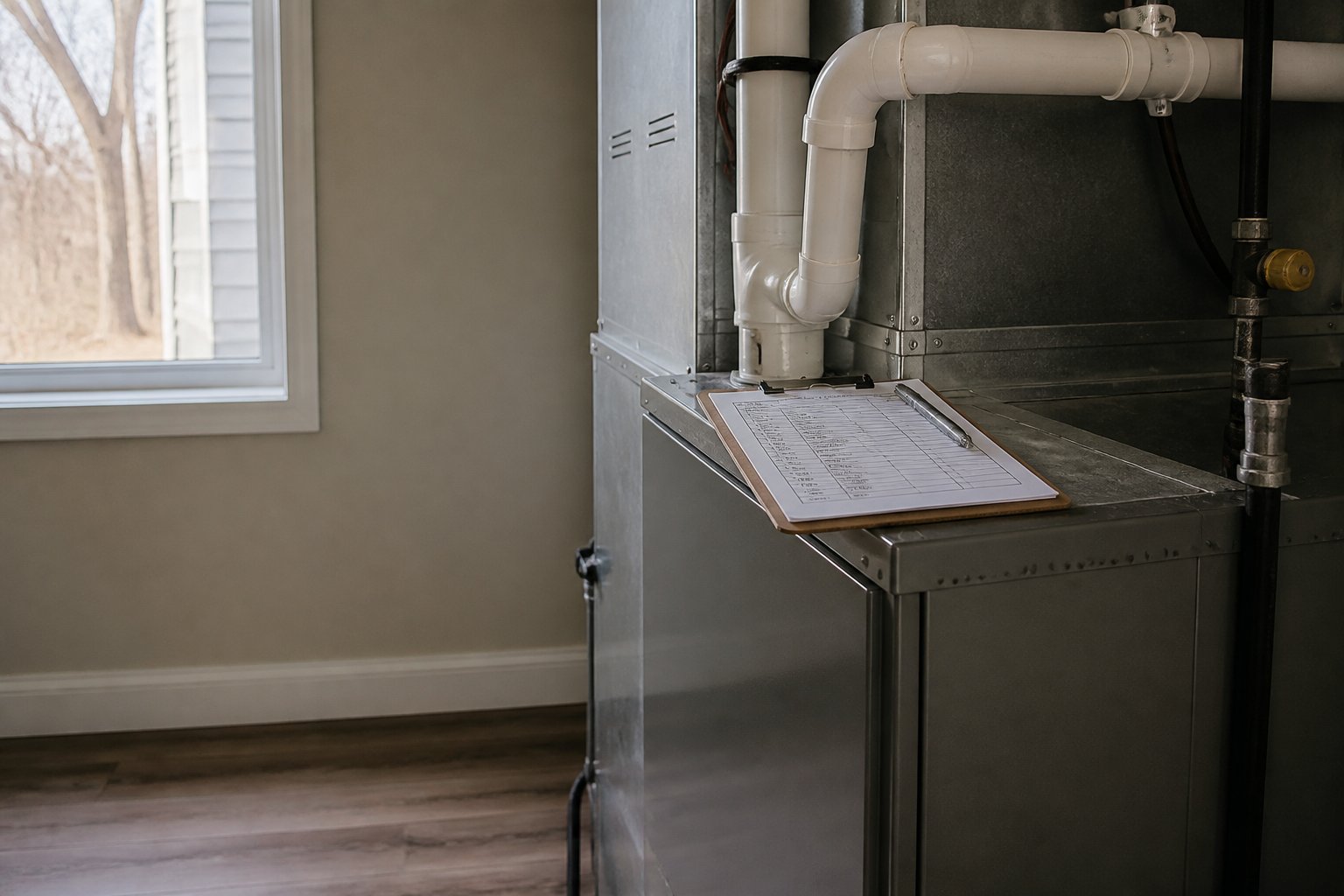



When winter settles over Oshawa, furnaces become the unsung heroes quietly keeping homes warm and cozy. But just like any hardworking equipment, furnaces sometimes speak up in their own way, through noises. These sounds might seem mysterious or even annoying, but they hold important clues about what’s happening inside your heating system.
Understanding furnace noises can help you pinpoint problems before they snowball into something more serious. Imagine your furnace as a storyteller, using every pop, squeal, and rattle to tell you its story of upkeep and wear. Before a noisy furnace leaves you in the cold, let’s translate these sounds into a language you’ll understand.
Common Furnace Noises and Their Meanings

Hearing strange sounds from your furnace can be unsettling. Here’s what some of the most common noises might mean:
– Banging or Popping Sounds: These are like the grumpy groans of your furnace. They can happen when ducts expand or contract with temperature changes or if dirt collects on burners, leading to delayed ignition. A good cleaning or adjustment might be all it takes to stop the racket.
– Squealing or Screeching: Think about a high-pitched sound from a belt in need of TLC. These noises often signal a worn-out or misaligned belt or a motor that needs lubrication. Ignoring it might lead to more extensive repairs down the line.
– Rattling or Clanking: If it sounds like things are coming loose, that’s because something probably is. Loose parts or broken components could be causing this noise. It’s a sign that your furnace needs a once-over to tighten things up and avoid further damage.
– Humming or Buzzing: This sound might seem minor compared to others but pay attention. It usually points to electrical issues or problems with the blower motor. Leaving it unchecked can lead to serious electrical damage.
– Clicking Sounds: Frequent clicks might mean an igniter or a flame sensor problem. These parts help your furnace start its heating cycle, and if they aren’t working correctly, it’s tough to keep your home warm.
These noises don’t just go away on their own. If you hear any of these sounds coming from your furnace, it’s usually best to call in a professional before things get worse. Pay attention to these hints, and you’ll keep your home cozy and warm all winter. Unusual smells deserve the same attention as unusual sounds, and our guide to why a furnace smells like burning explains which odours are normal and which need a technician.
When To Call A Professional
Sometimes, a furnace’s noises are more than just everyday grumblings. You might start to wonder when it’s time to bring in a pro. Trust the instincts of your ears—if a sound seems persistent or particularly loud, don’t hesitate to get some expert help. While a furnace may make a range of normal noises during operation, certain sounds indicate that a fix is beyond the reach of a quick tweak or a simple cleaning.
Calling a professional is your safest bet when strange noises persist or worsen over time. For example, if banging sounds continue after cleaning the burners or securing ducts, it’s a sign deeper issues lurk. Similarly, strange electrical spikes, marked by persistent humming, should be assessed promptly to avoid potential hazards. Ignoring these sounds often leads to more complex and costly repairs down the line.
Avoid tackling furnace repairs on your own. Though it might seem tempting to save a few bucks, DIY fixes without the right expertise can quickly become dangerous. Furnaces are intricate systems that involve gas lines and electricity, elements best left to trained technicians. Keeping safety at the forefront ensures your home stays comfortable and secure.
Preventative Measures For Furnace Maintenance

Keeping those unwelcome noises at bay often comes down to regular care and maintenance of your furnace. Here are some easy steps to follow:
1. Schedule Routine Inspections: Aim for at least once a year before winter sets in. A technician can help spot small issues before they grow.
2. Replace Air Filters Regularly: Clogged filters can lead to inefficiency and stress the system, prompting a variety of noises. Every three months is a good interval for changing filters, or more frequently during high-use seasons.
3. Clean Around the Furnace: Ensure the area around your furnace is free from dust and debris, which can lead to clogs and strange sounds.
4. Pay Attention to Internal Components: If you feel equipped, you might want to gently vacuum around the blower and motor to keep them in top shape.
5. Listen Often: Keeping an ear out for any changes in your furnace’s noise level can be the simplest step. A sudden change might alert you to a developing problem.
Regular maintenance leads to smoother operation and fewer unexpected surprises when those chilly winds start to blow. Basic steps like these can extend the life of your furnace and save money on repairs in the future.
A Boom on Start-Up Deserves Immediate Attention
Of all the sounds a furnace makes, a loud boom or bang at the moment it fires up is the one to treat most seriously. It usually means gas has been building up in the combustion chamber before the burners finally light, a condition called delayed ignition. The cause is often dirty burners, a weak igniter, or a clogged gas port, and the small explosion on each cycle puts stress on the heat exchanger — the part that keeps combustion gases separate from the air you breathe.
Left alone, delayed ignition can crack the heat exchanger and create a carbon monoxide risk. If your furnace booms on start-up, keep the burner compartment closed, make sure you have a working carbon monoxide detector, and book a technician promptly rather than waiting to see whether it settles down on its own.
How Urgent Is That Furnace Noise?
Not every sound means an emergency, but a few should move you to act right away. Use this quick guide to gauge how quickly to respond:
- Call right away: Booming on ignition, loud metallic grinding, or any rotten-egg or burning-electrical smell paired with a noise. These point to combustion, blower, or wiring faults that can be unsafe.
- Book service soon: Persistent squealing, ongoing rattling, or a steady hum or buzz. These signal worn belts, loose parts, or electrical components that will only worsen if ignored.
- Monitor, then check: An occasional soft click at start-up and shut-down, or a brief pop from the ductwork as it warms, is often normal expansion — but a clear change in that pattern is worth a closer look.
Decoding Furnace Sounds for Optimal Oshawa Home Comfort
Furnaces play a vital role in keeping our living spaces warm and comfortable, especially during the brisk winters familiar to Oshawa. Recognizing the different sounds a furnace may make and understanding what they indicate can empower you to take timely action. This not only prevents unnecessary downtime of your heating system but also ensures it operates efficiently.
So, next time you hear your furnace talking, take a moment to decipher its sounds. By doing so, you’re taking an active step in household care and comfort. Regular checks and maintenance routines will help you enjoy the quiet confidence of a furnace running smoothly, leaving you to relish a warm and worry-free home.
Diagnose That Furnace Noise Before Winter
A squeal, rattle, or boom is your furnace telling you a part is wearing out, and it is far cheaper to trace that sound in the fall than to lose heat during a January cold snap. Our technicians pinpoint the cause, from a loose blower to a failing igniter, and set it right before the season’s demand exposes it. Learn about our heating and cooling maintenance in Oshawa, call (289) 688-4822, or book a visit online.
Durham furnace help, close to home: When a strange furnace noise has you worried, Fortis Heating’s licensed technicians reach homes across Oshawa, Whitby, Ajax and Pickering, plus Clarington, Newcastle and Port Hope.
Furnace Safety and Efficiency Resources
To learn more about safe furnace operation and how to choose efficient heating equipment, the following official resources offer reliable, up-to-date guidance.
Frequently Asked Questions
How much does furnace repair cost in Oshawa?
Furnace repair costs in Oshawa vary with the specific issue and the age of the system, so there is no single flat rate. Minor repairs like ignitor or flame sensor replacement sit at the lower end, while blower motor or heat exchanger repairs cost more. Rather than quote a figure that may not fit your situation, we diagnose the problem first and give you a clear, upfront quote before any work begins.
Should I repair or replace my furnace?
Consider replacement if your furnace is over 15 years old, requires frequent repairs, has a cracked heat exchanger, or has an AFUE rating below 90%. If the repair cost exceeds 50% of a new furnace price, replacement is usually the better investment for long-term efficiency and reliability.
What are signs of a failing furnace?
Watch for yellow or flickering pilot lights, strange banging or rattling noises, frequent cycling on and off, cold spots in your home, rising heating bills, and the furnace running but not producing adequate heat. Any unusual smells, especially a rotten egg odour, require immediate attention for safety.
Is it safe to run my furnace if it is making loud noises?
It depends on the noise. A soft click or an occasional pop from the ducts is usually harmless, but a loud boom on start-up, metallic grinding, or a burning or rotten-egg smell means you should shut the furnace off and call a technician. Those sounds can point to delayed ignition, a failing blower motor, or a gas issue, all of which carry safety risks if you keep running the system.