


Winter in Durham can be pretty cold, and having a working heater is essential to keep your home cozy. Making sure your heater is in tip-top shape all season long isn’t hard if you know what to do. A few simple steps can prevent unexpected problems and help your heating system run smoothly.
Routine Maintenance Checks

Regular maintenance checks are your first line of defence in keeping your heater running smoothly all winter. Start by inspecting the pilot light to see if your heater has one. It should be blue and steady. If it flickers or is yellow, that might indicate a problem with the gas supply or an excess of carbon monoxide, and it’s essential to contact a professional.
Check your heater’s filters monthly. Dirty filters can reduce airflow, making the heater work harder and wear out faster. By replacing or cleaning the filters as needed, you help the heater perform efficiently and extend its lifespan. Remember, a clean filter is cheaper than an expensive repair.
Listen for unusual noises when your heater is running. Clanks, bangs, or whistles can mean there’s something wrong inside. Catching these sounds early on can prevent bigger issues down the line.
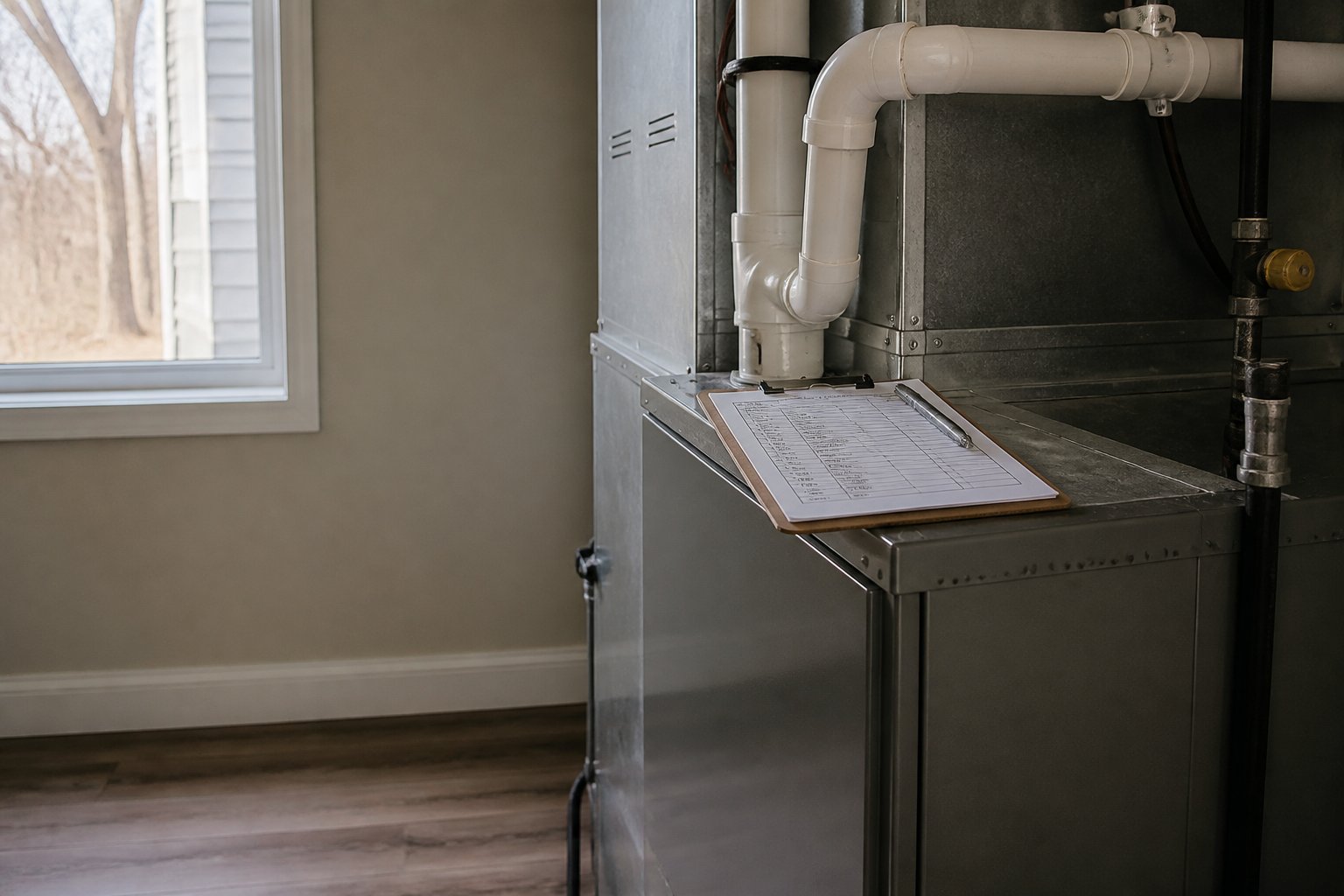
Be proactive by checking off these maintenance tasks regularly. Doing so helps you catch small issues before they escalate, ensuring your home stays warm throughout the winter.
Efficient Thermostat Settings
Your thermostat plays a significant role in how well your heater performs and how much energy you use. Adjusting your thermostat wisely can make your home cozy while also saving money on your energy bills. Start by setting your thermostat to a comfortable temperature when you’re home and awake, usually around 20°C. Lower it when you’re asleep or not at home to save on energy costs.
Consider investing in a programmable or smart thermostat. These devices can automatically adjust the temperature based on your schedule. For instance, they can lower the heat at night or when you’re at work and then warm things up before you return. This feature can lead to significant savings since you conserve energy when heat isn’t needed.
By using your thermostat wisely, you ensure your heater maintains comfortable temperatures efficiently throughout winter. Effective settings can save energy and extend the life of your heating system.
Keeping Vents and Filters Clean

Clean vents and filters are important for the efficient operation of your heater. When vents or filters are clogged with dust and debris, the airflow becomes restricted, forcing the heater to work harder than necessary. This can lead to higher energy costs and eventual wear and tear on the system.
Start by inspecting the vents throughout your home. Make sure furniture or curtains aren’t blocking them, and clear away dust with a vacuum or damp cloth. It’s a good idea to check the vents monthly to keep everything flowing smoothly.
Filters, on the other hand, need regular attention and should be checked monthly as well. Disposable filters should be replaced every 1-3 months based on usage and type, while reusable filters should be cleaned according to the manufacturer’s instructions. Remember that clean filters mean cleaner air in your home, which is especially beneficial during the winter months when your home is closed up tight.
Recognizing Signs Your Heater Needs Repairs
It’s important to know when your heater needs professional attention. Recognizing the signs early can prevent small issues from turning into costly repairs. One clear indicator is strange noises. If your heater starts making banging, rattling, or squealing sounds, it’s a signal something isn’t right.
Uneven heating is another sign. If some rooms are warm while others remain cold, this could mean your heater isn’t distributing air correctly, possibly due to ductwork issues or a failing component. Pay attention to any unusual smells. A burning odour may indicate debris inside the heater or an electrical issue.
Check your energy bills, too. If there’s an unexpected spike in your heating costs, your system might be using extra energy due to inefficiency or malfunctioning parts. Frequent cycling, where the heater turns on and off rapidly, also indicates a problem needing attention.
Keeping the Burner Flame and Airflow Healthy
The heart of a gas furnace is clean combustion, and the flame tells the story. A healthy burner flame burns steady and blue; a lazy yellow or orange flame signals incomplete combustion, which wastes fuel and can produce carbon monoxide. On many modern furnaces the pilot light has been replaced by a hot-surface igniter and a flame sensor. That thin metal flame sensor gradually gets coated in residue and stops “seeing” the flame, which makes the furnace light and then shut down again seconds later — a gentle cleaning often cures that frustrating short cycle. Because combustion is involved, a working carbon monoxide detector on each level is not optional; test it when you change your filters.
Airflow is the other half of the equation. When a filter clogs or too many return and supply vents are blocked by furniture or rugs, heat builds up inside the furnace. That heat can trip the high-limit switch and cause the furnace to cycle on and off, and over the long run it stresses the heat exchanger — the one component you never want to crack. Keep at least a couple of vents in each room clear, leave the blower running on the “on” setting during very cold stretches to even out temperatures, and change a dirty filter promptly rather than pushing it another month.
Efficiency Habits Through a Durham Winter
High-efficiency furnaces vent through a plastic pipe out the side wall of the house rather than up a chimney, and that intake and exhaust pair sits low enough to be buried by a heavy snowfall or sealed shut by an ice storm. After each big Durham snow, take a moment to clear those white pipes — a blocked vent will shut the furnace down on a safety lockout, often on the coldest night of the year. Keep the area around the furnace itself clear of stored boxes so it can draw combustion air freely.
Small habits add up during a long heating season. Sealing drafts around doors, windows, and the attic hatch keeps warm air where you want it, and running ceiling fans on their low reverse setting nudges warm air back down from the ceiling. Comfortable humidity helps too: air held around 30% to 40% relative humidity feels warmer than dry air at the same temperature, so a well-set humidifier can let you keep the thermostat a degree lower without noticing. Each of these habits eases the load on the furnace and trims your winter gas bill.
Conclusion
Keeping your heater running perfectly through the winter months involves a mix of regular maintenance, smart thermostat settings, and awareness of any potential issues. By taking action early, you save money on energy bills and avoid unexpected breakdowns. Checking vents and filters routinely, as well as recognizing signs of needed repairs, also form part of a comprehensive strategy for heating success.
Keep Your Heater Running Its Best
A steady blue flame, a clean filter, clear vents, and an unblocked sidewall exhaust are what stand between you and a furnace that quits on the coldest night of the winter. If your heater is short cycling, heating unevenly, or making sounds it did not used to, our technicians can track down the cause before it becomes a no-heat emergency. Rely on our Oshawa home heating services, and call (289) 688-4822 or schedule a visit online to keep your home warm all season.
Across the Durham Region: Fortis Heating maintains and repairs furnaces in Oshawa, Whitby, Ajax and Pickering, with winter heater tune-ups reaching Courtice and Bowmanville.
Heating Maintenance Resources
Keeping a heater in top shape is easier with the right background reading — start with these trusted sources.
Frequently Asked Questions
How often should I service my HVAC system in Oshawa?
For a furnace to stay in top condition, a professional tune-up each fall is essential, with a matching spring visit for the air conditioner — twice a year in total. Regular servicing keeps the system efficient, supports a longer lifespan, and reduces the odds of a mid-winter breakdown. In Durham Region’s cold, that reliability counts. We are happy to schedule your seasonal service.
What temperature should I set my thermostat to save energy?
For a good balance of comfort and savings through an Ontario winter, keep the thermostat near 20 to 21°C (68 to 70°F) during the day and lower it a few degrees overnight or when out. A programmable or smart thermostat makes those setbacks effortless and helps reduce heating costs across the season — one more way to get the most from a well-maintained heater.
How long does an HVAC system typically last?
Expect roughly 15 to 20 years from a furnace, 10 to 15 from an air conditioner, and 12 to 15 from a heat pump. Reaching the upper end depends heavily on winter-ready maintenance and regular filter changes, which is exactly why keeping your heater in good condition each season matters so much.
Why does my furnace keep turning on and off?
Rapid on-off cycling, called short cycling, is most often caused by a clogged filter or blocked vents overheating the furnace and tripping the high-limit switch, or by a dirty flame sensor that loses sight of the flame. Start with a fresh filter and make sure return and supply vents are open. If it continues, have a technician inspect the sensor and safety controls.
Should I clear snow away from my furnace vent?
Yes. High-efficiency furnaces vent through a plastic pipe on the side of the house, and a snowdrift or ice buildup over that pipe can shut the furnace down on a safety lockout. After heavy snow, gently clear the intake and exhaust pipes so the furnace can breathe, and never use anything sharp that could crack the pipe.