

When deep winter settles in, homes across Oshawa and Cobourg depend a lot more on their heating systems. But not every HVAC problem announces itself with a full breakdown. Some issues are quieter, showing up as small inconsistencies that feel off but are easy to miss if you’re not paying close attention.
Winter is when hidden problems show up the most. A slight rattle, a room that doesn’t warm up as it should, or a bit more dryness in the air may not seem like much at first. But these small warning signs can add up quickly. Staying alert to changes in how your system behaves helps avoid mid-season problems and keeps heating and cooling in Oshawa homes working the way it should.
How Small HVAC Issues Escalate in Cold Weather

Cold weather puts HVAC systems under steady pressure. While a small clog or faulty wire might not do much in the fall, winter gives those issues more room to grow.
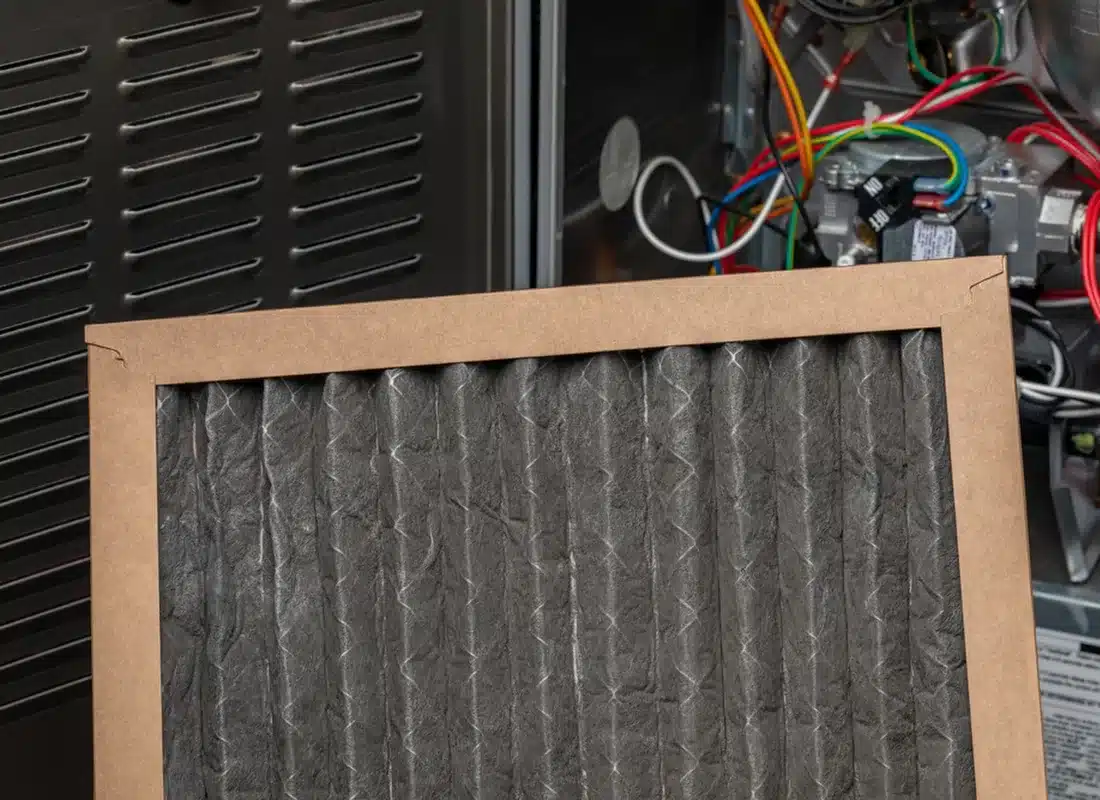
• Dirty filters and dust buildup can restrict airflow, forcing your furnace to work harder to reach the set temperature. That added strain pushes the system beyond what it’s built to handle.
• Electrical gears or switching parts that are starting to wear out can get pushed to the edge when the furnace kicks on more often. Regular starts and stops in winter give failing parts more chances to falter.
• Longer heat cycles expose even minor stress points in older systems. That noise you brushed off last month could turn into a serious repair if ignored in below-zero weather.
These problems do not announce themselves loudly at first, but winter heating demands bring them out. The more a system runs, the faster damage can stack up.
Unusual Noises and What They Might Mean
No home heating system runs completely silently, but certain noises mean something isn’t working the way it should. If your system starts making strange sounds, that’s often a clue it needs a closer look.
• Banging or knocking could mean loose parts or issues with the furnace burners. It might even be a piece that’s cracked or broken.
• Whistling often points to clogged filters or airflow problems in the ductwork.
• Grinding sounds usually suggest worn blower bearings or motor problems. Ignoring this can turn a small issue into a big one fast.
• Loud starts and stops are another red flag. If the system clunks into gear or shuts off hard, there could be trouble with the ignition or fan.
A quiet system is a good sign. When it starts making new or louder sounds, it’s letting you know that something isn’t right.
Uneven Heating and Thermostat Inconsistencies

Comfort levels can drop fast if your home heats unevenly during cold stretches. A chilly living room or an overly warm upstairs bedroom isn’t just about preference. It points to how well, or how poorly, your heating system is working under strain.
• Uneven heating can mean the air isn’t flowing correctly across rooms. Duct leaks, blocked vents, or poor insulation might all be playing a part.
• If the thermostat doesn’t seem to match how the house feels, that’s often a separate issue. It might be sticking, falling out of calibration, or simply not measuring temperature correctly.
• Sometimes the placement of the thermostat itself causes trouble, especially if it’s near drafty spots or heat sources.
Unusual swings in indoor temperature are more common in winter when systems run longer. If your home isn’t holding steady warmth, there’s likely something hidden behind the scenes affecting performance.
Hidden Moisture and Air Quality Concerns
Indoor air feels different in winter. Everything gets drier, and homes tend to stay shut tight for longer stretches. It’s normal to notice changes, but some signs mean your HVAC system isn’t managing humidity or air quality the way it should.
• A spike in window condensation or damp spots near vents could point to poor ventilation or air distribution problems. Too much trapped moisture is often just as bad as too little.
• Musty smells from registers may come from mould forming somewhere in the system.
• If your sinuses feel irritated or you’re sneezing more than usual indoors, that could be from clogged filters or growing debris inside ductwork.
• When air doesn’t circulate well, allergens can stick around longer. That’s especially noticeable when there’s little fresh air moving through the home.
A well-running HVAC system helps keep dry skin, stuffy rooms, and odd smells from becoming a part of daily winter life. If any of that starts to feel like the new normal, it’s worth checking out what’s causing it behind the scenes.
When to Handle It Yourself and When to Call a Technician
Not every winter hiccup needs a service call, but knowing where the line falls saves both money and worry. There are a handful of simple checks you can safely run through first before picking up the phone.
• Swap a dirty filter for a clean one. A clogged filter is behind a surprising number of airflow and short-cycling complaints, and it is the easiest fix of all.
• Confirm the thermostat is set to heat, has fresh batteries, and is not sitting in a draft or in direct sun that throws off its reading.
• Make sure supply and return vents are open and unblocked by furniture or rugs, and check that outdoor intake and exhaust vents are clear of snow and ice.
If the trouble continues after those basics, it is time to call a professional. Anything involving gas, the heat exchanger, electrical components, or a burning or rotten-egg smell should never be a do-it-yourself project. Shut the system down and reach out for help right away, because those signs can point to a safety issue rather than a simple efficiency one.
Staying Ahead of HVAC Headaches This Winter
We know how quickly cold weather takes over in our part of Ontario. Winter doesn’t gradually settle in; it hits and sticks around. Once the temperature drops, HVAC systems are working non-stop. That kind of constant use makes even small, hidden problems show up loud and clear.
By the depths of winter, a few common signs tell us when something’s not right. Here’s what we watch for:
• Sounds that weren’t there before
• Certain rooms that heat up too slowly
• A running system that doesn’t feel like it’s doing the job
• More dust, more dryness, or stale indoor air
Spotting these changes early gives you more time to deal with them and helps avoid bigger problems down the line. Noisy parts, bad airflow, and thermostat headaches are stubborn in the winter, but not unbeatable if we catch them quickly. Keeping an eye out now can stop your heating from getting overwhelmed when Oshawa winter is at its worst.
Ensure your home maintains a cozy and consistent environment this winter. If you’re experiencing disturbances with your heating and cooling in Oshawa, don’t wait until it becomes a bigger issue. The team at Fortis Heating & Air Conditioning is ready to track down those hidden winter problems before they leave you in the cold. Call us at (289) 688-4822 or reach out through our contact page to address any concerns and guarantee your comfort all season long.
Serving the Durham Region: Fortis Heating helps homeowners across the Durham Region catch small heating and cooling faults before they spread, with technicians working daily in Oshawa, Whitby, Ajax, and Pickering.
Further Winter Reading
A few trusted references on keeping a home system efficient through the coldest months:
Frequently Asked Questions
How often should I service my HVAC system in Oshawa?
Plan on two professional visits a year — a spring check for the air conditioner and a fall tune-up for the furnace. That routine care can add 5 to 10 years to a system’s working life and trim energy bills by 10 to 25%, and in a climate with swings as sharp as the Durham Region’s, staying ahead of wear is what keeps small faults from becoming winter breakdowns.
What temperature should I set my thermostat to save energy?
In Ontario, a setting of 20-21°C (68-70°F) while you are home strikes a good balance, with a 2-3 degree setback overnight or when the house is empty. Letting a programmable or smart thermostat handle that schedule automatically can shave 10-15% off your yearly heating and cooling costs.
How long does an HVAC system typically last?
With steady care, a furnace generally runs 15-20 years, central air conditioners 10-15, and heat pumps about 12-15. What decides whether a system lands at the top or bottom of those ranges is simple: regular professional maintenance and filters changed on time.
Why does my furnace get louder in the middle of winter?
As a furnace runs longer and more often during cold weather, small issues that were quiet in milder months become more noticeable. New banging, whistling, or grinding sounds can signal loose parts, restricted airflow from a dirty filter, or worn blower components. If a noise is new or getting worse, it is worth having a technician inspect the system before the problem escalates.