


Maintaining your tankless water heater during Oshawa’s chilly months can be the difference between a cozy home and unexpected cold showers. Regular upkeep ensures that your unit stays in peak condition, keeping your heating bills in check while providing consistent hot water. As the temperatures dip, the demand on your water heater can increase, making this the perfect time to focus on maintenance.
Taking care of your tankless water heater does more than just securing comfort. It extends the life of your investment, ensuring smooth operation for years. When left unchecked, small issues can snowball into bigger, costly problems. By dedicating a little time to routine maintenance, you can avoid these headaches and possibly save a bit of money in the long run.
Why Regular Maintenance Is Important
The most straightforward way to prevent unexpected heater breakdowns is by sticking to a regular maintenance schedule. Tankless water heaters, much like cars, need frequent tune-ups to operate at their best. Without proper care, you might find yourself shivering in an unintended ice-cold shower in the middle of winter.
Consistent maintenance ensures your water heater runs efficiently, translating to energy savings. When a heater operates smoothly, it uses less energy, and fewer resources mean lower bills. Another perk is that regular check-ups can reveal minor problems that might not be noticeable at first. Catching these early can turn what could have been a hefty repair bill into a much smaller fix.
Here’s a quick example: imagine your water heater as a garden. If you tend to your plants regularly, pruning dead leaves and watering them just right, you’re likely to see them flourish. Neglect them, and over time, they might need a lot more care to revive. Your tankless water heater is very much the same—give it some attention and it’ll treat you well for longer.
Steps to Maintain Your Tankless Water Heater
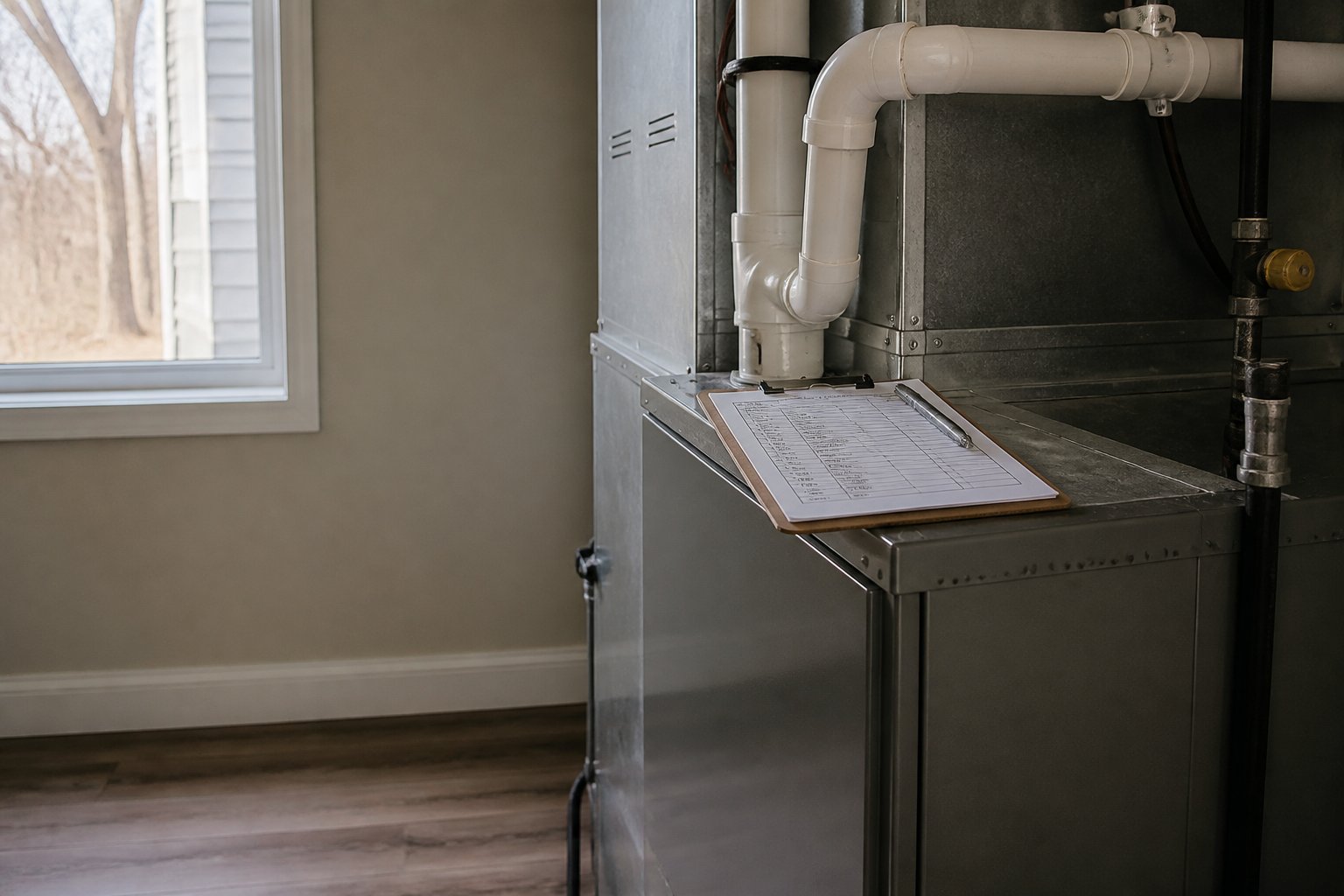
Keeping your tankless water heater in good shape involves a few straightforward tasks. You don’t have to be an expert, but a little bit of care goes a long way. Regularly checking and cleaning your air filter is a good start. Dust and debris can build up, causing your unit to work harder than needed. A clean filter helps it run smoothly and efficiently.
Next, it’s important to inspect and flush the system to remove calcium and other mineral build-ups. Minerals in the water can accumulate, affecting performance. Flushing the system keeps these deposits from causing trouble. Think of this as sipping a drink through a clear straw; if the straw is blocked, it gets tough to enjoy your drink. Similarly, your water heater needs a clear path to heat water effectively.
Make sure to check the inlet screen filter, too. Over time, this can get clogged and hinder water flow. Keep an eye out for any unusual noises or performance hiccups. If things sound strange or off, it might be time to get some professional advice.
Descaling is the single most important task for tankless owners in our region. Because a tankless unit heats water on demand by passing it across a compact heat exchanger, even a thin layer of mineral scale forces the burner to run hotter and longer to reach the same temperature. Homes on hard well water in rural Clarington see scale form faster than those on municipal supply, so an annual vinegar or manufacturer-approved descaling flush — circulated through the unit with a small pump and the built-in isolation valves — keeps the exchanger clear and the flow rate steady.
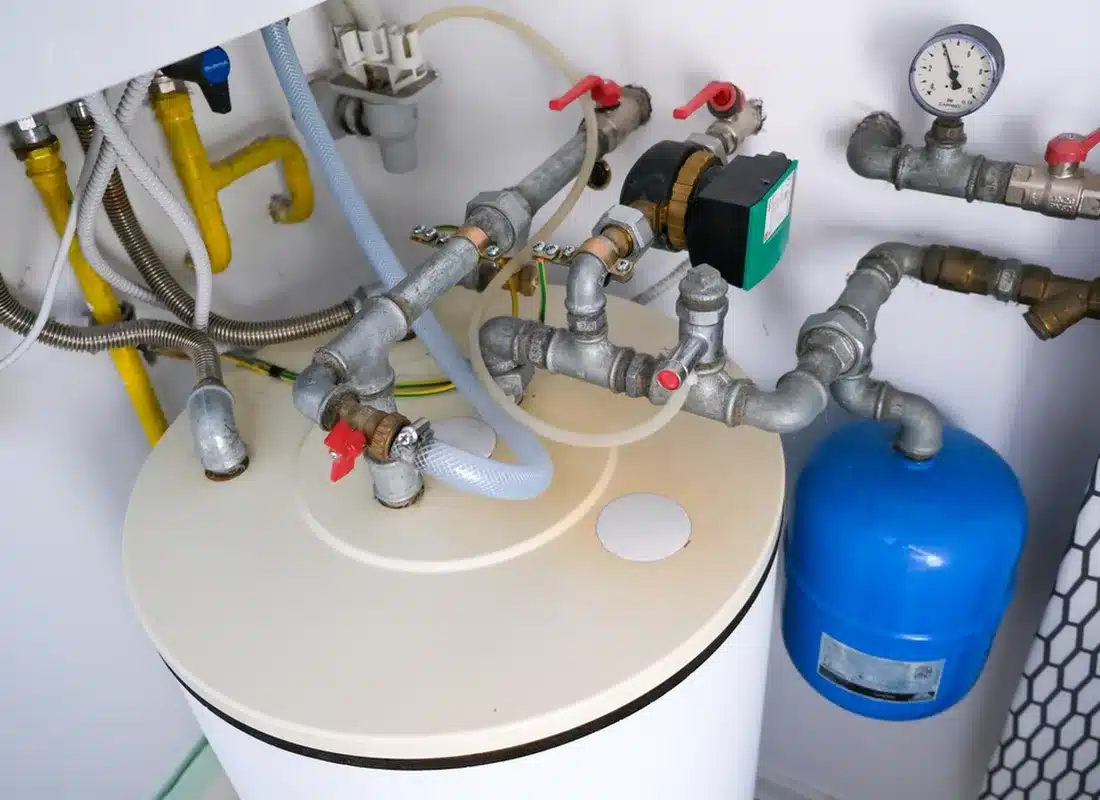
If your installer fitted a pair of service (isolation) valves, a descale takes under an hour: you close the valves, connect hoses, and circulate the descaling solution for about 45 minutes before rinsing. Pay attention to flow, too. A residential tankless unit is rated in litres per minute, and heavy scale or a clogged inlet screen filter can quietly drop that output until two fixtures can no longer run at once without the temperature sagging.
How a Tankless Heater Actually Makes Hot Water
Understanding what happens inside the unit makes maintenance feel far less mysterious. Unlike a storage tank that keeps 150 or more litres hot around the clock, a tankless heater stays cold until you open a tap. A flow sensor detects the moving water, the control board fires the gas burner, and water races across a finned heat exchanger that raises it to your set temperature in seconds. The burner modulates up and down to match demand, which is exactly why efficiency depends so heavily on a clean exchanger and unobstructed water flow.
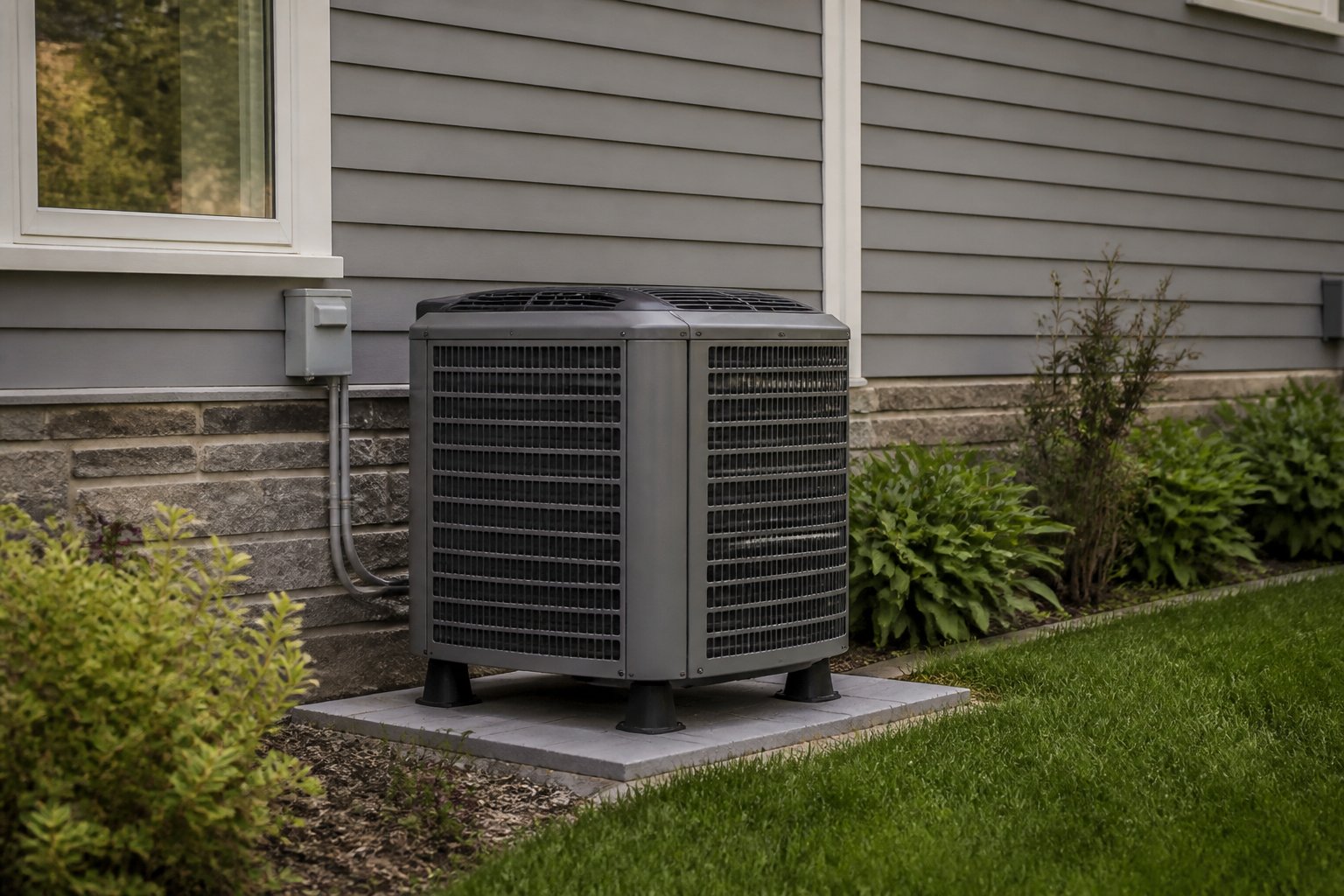
Most units in Durham homes are gas-fired and vent their exhaust outdoors, either through a sidewall power vent or a sealed direct-vent pipe that also draws in combustion air. High-efficiency condensing models produce mildly acidic condensate that drains away through a small line and neutraliser, and a blocked condensate trap is a surprisingly common cause of error codes. Electric tankless models skip the venting but draw a heavy electrical load; whichever type you own, the maintenance goal is the same — protect the heat exchanger and keep air, gas, and water moving freely.
Signs Your Tankless Water Heater Needs Professional Attention

Even with regular care, there are times when a tankless water heater might need a pro’s touch. Recognizing these signs early can prevent big problems later. Here’s what to look for:
– Water taking longer to heat up than usual.
– Sudden temperature changes in the water.
– Odd noises buzzing or clanking from the unit.
– Error codes flashing on the control panel.
These signs are like your water heater raising a red flag. It’s best to address them sooner rather than letting them fester into bigger issues.
When one of these red flags appears, a licensed technician does more than glance at the display. They read the stored error code, test the incoming gas pressure, inspect the flame sensor and igniter, check the venting for blockage or backdraft, and run a combustion analysis to confirm the burner is firing cleanly. Because a tankless heater burns gas inside your home, that combustion and venting check is also a carbon monoxide safety step — not something to attempt with a wrench and a video tutorial.
Tips for Choosing a Professional Maintenance Service in Oshawa
If you need professional help, picking the right service is key. Here are some tips to help you find the right fit:
– Look for technicians with solid experience and certification.
– Read customer reviews and testimonials to gauge their reputation.
– Check if they offer comprehensive packages that include inspections and routine maintenance.
Choosing wisely ensures your tankless water heater gets the care it deserves, saving you trouble and money over time.
Keep Your Tankless Water Heater Running Smoothly
Giving your tankless water heater regular attention pays off. It’s about creating a routine that prevents surprise breakdowns and keeps everything running without a hitch. Don’t wait for a cold shower to remind you it’s time for a check-up. Keep tabs on your heater, and you’ll have a reliable supply of hot water all through Oshawa’s chilly months.
By staying on top of maintenance, you’re not just ensuring hot water at the tap but extending the life of your heater. Consistent care will reward you with fewer repairs, more efficient energy usage, and peace of mind through the winter season. Make maintenance a habit, not just a task.
In harder-water pockets around Courtice and the rural edges of Clarington, that routine may mean descaling twice a year rather than once. A quick seasonal check before Oshawa’s coldest weeks — when hot-water demand peaks — is the easiest way to catch a struggling burner or a scaling exchanger before it leaves you standing in a cold shower.
Book a Tankless Tune-Up Before the Cold Sets In
A well-maintained tankless heater should deliver steady hot water through every Durham winter, and the team at Fortis Heating & Air Conditioning is ready to keep yours that way. Our licensed technicians handle descaling, flow checks, and full combustion and venting inspections as part of our tankless water heater maintenance service. Call us at (289) 688-4822 or book online to reserve a seasonal tune-up before the temperature drops.
Across the Durham Region: From annual descaling to on-demand water heater repairs, Fortis Heating keeps hot water flowing for homes throughout the region — Oshawa, Whitby, Ajax, Pickering, and neighbouring Bowmanville.
Water Heating References
Helpful guides on getting the most from a water heater:
Frequently Asked Questions
How long does a water heater last in Ontario?
Traditional tank water heaters typically last 8-12 years, while tankless models can last 15-20 years with proper maintenance. Factors affecting lifespan include water quality, usage patterns, and maintenance frequency. Annual flushing and anode rod inspection can significantly extend your water heater life.
Should I switch to a tankless water heater?
Tankless water heaters offer several advantages including endless hot water, 24-34% more energy efficiency for homes using less than 155 litres daily, longer lifespan, and space savings. However, they have higher upfront costs. If your household uses significant hot water and you plan to stay long-term, the investment typically pays for itself.
Why is my water heater making noises?
Popping, rumbling, or crackling noises usually indicate sediment buildup at the bottom of the tank. Annual flushing can prevent this. Whistling may indicate a pressure issue, while banging could signal water hammer in the pipes. If noises persist after flushing, contact a licensed plumber for inspection.
How often should I descale a tankless water heater?
Once a year is the general rule, but homes on hard or well water — common in rural Durham — often benefit from descaling every six months. If you notice a slow drop in flow, longer waits for hot water, or a scale-related error code on the panel, it is time to flush the unit regardless of the calendar.
Why does my tankless heater run cold for a moment mid-shower?
That brief cold burst is often called a cold-water sandwich: a pocket of cooled water sitting in the pipe reaches you before the burner catches up to renewed demand. It is usually normal, but if the cold spells are long or frequent, a scaled heat exchanger, a faulty flow sensor, or a unit undersized for your household could be the cause and is worth a professional look.