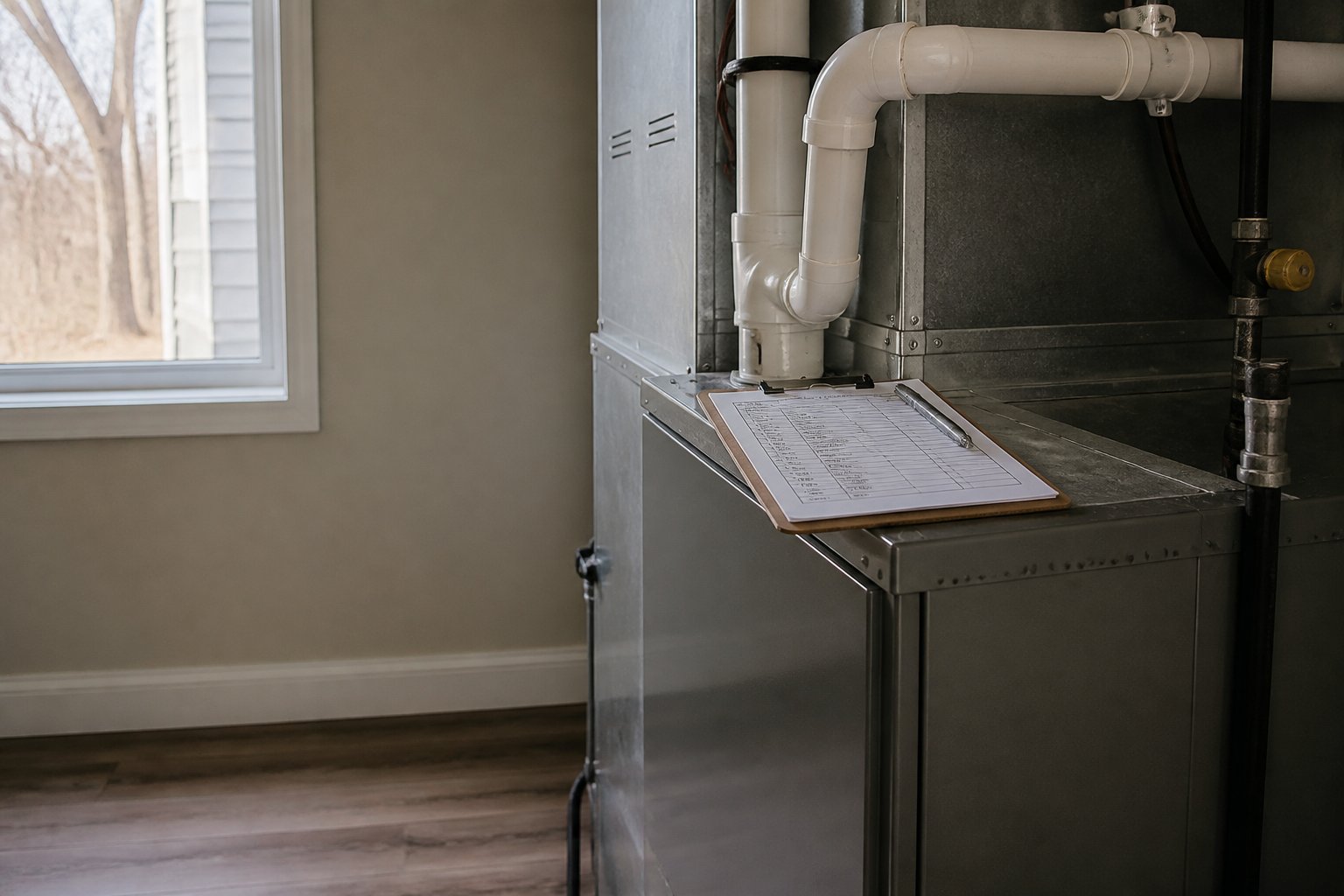


Hot water tanks are the unsung heroes of many homes in Oshawa, providing the hot water we rely on every day. Whether it’s for a soothing bath, washing dishes, or doing laundry, having a dependable source of hot water is vital for maintaining comfort. However, when these tanks start having problems, it can disrupt daily routines and cause a lot of inconvenience.
But why do hot water tanks sometimes fail to heat properly? Knowing the common problems and how to fix them can help you get your hot water system back on track quickly. This guide explores typical issues with hot water tanks and offers practical solutions to help you enjoy a consistent and comforting supply of hot water.
Common Problems with Hot Water Tanks

– Lack of Hot Water: One of the most frustrating issues is when the water just won’t heat up. There are a few culprits that could be behind this problem. It might be a faulty thermostat that fails to regulate the water temperature or a malfunctioning heating element that isn’t warming the water as it should. These components are crucial for maintaining the right temperature, and when they break, they need prompt attention.
– Strange Noises: Ever hear a rumbling or banging noise from your hot water tank? That’s often a sign of sediment buildup inside the tank. Over time, minerals in the water can settle at the bottom of the tank and cause noises when the water heats. This isn’t just annoying; it can also affect the efficiency of the heating process.
– Leaks: A leaking hot water tank is another common issue. Leaks can stem from corroded tanks, which may develop tiny holes over time, or from loose connections in the plumbing. It’s important to address leaks quickly to prevent further damage and possibly extend the life of your tank.
– Rusty or Discoloured Water: If your hot water runs cloudy, brown, or carries a metallic odour, the anode rod inside the tank has likely worn away. This sacrificial rod is designed to corrode in place of the steel tank, and once it is spent the tank walls themselves begin to rust. Replacing the rod is far simpler than replacing the whole tank, but only if you catch the warning colour early.
– A Dripping Relief Valve: Water trickling from the temperature and pressure (T&P) relief valve on the side of the tank is a safety signal, not just a nuisance. That valve opens when the pressure or temperature inside the tank climbs too high, so a steady drip can mean excess pressure, a thermostat set too hot, or a failing valve — all of which a technician should inspect promptly rather than leaving to worsen.
When the water simply will not heat, the cause depends on the fuel. On a gas tank, a pilot light that keeps going out usually points to the thermocouple or the gas valve, while an electric tank relies on upper and lower heating elements and thermostats that can burn out or trip a high-limit reset. Knowing which system you have helps a technician zero in on the fault quickly.
Addressing these common issues can keep your hot water tank in good shape and ensure you have the hot water you need. When you spot these problems, the best course of action is to seek professional assistance, ensuring everything is fixed correctly.
Solutions to Hot Water Tank Issues
When your hot water tank stops delivering the comforting warmth you’re used to, it’s time to look at solutions that can get everything back to normal. There are several steps you can take to tackle common issues effectively.
– Lack of Hot Water: Start by checking simple things like the thermostat settings. Sometimes a quick reset or adjustment can solve the problem. If that doesn’t work, it might be the heating element that needs replacing. Given the complexity, it’s wise to call in a professional to ensure the job’s done right.
– Strange Noises: Those unsettling noises can often be eliminated by performing a regular flush of your tank. This helps remove any sediment buildup and keeps your tank running smoothly. A professional can help with this and ensure the tank’s interior is clean and efficient.
– Leaks: If you notice water pooling around the tank, check the connections and look for signs of corrosion. Tightening loose fittings might solve small leaks, but if you see signs of wear or rust, professional repairs are needed to prevent extensive damage.
What’s Actually Happening Inside Your Tank
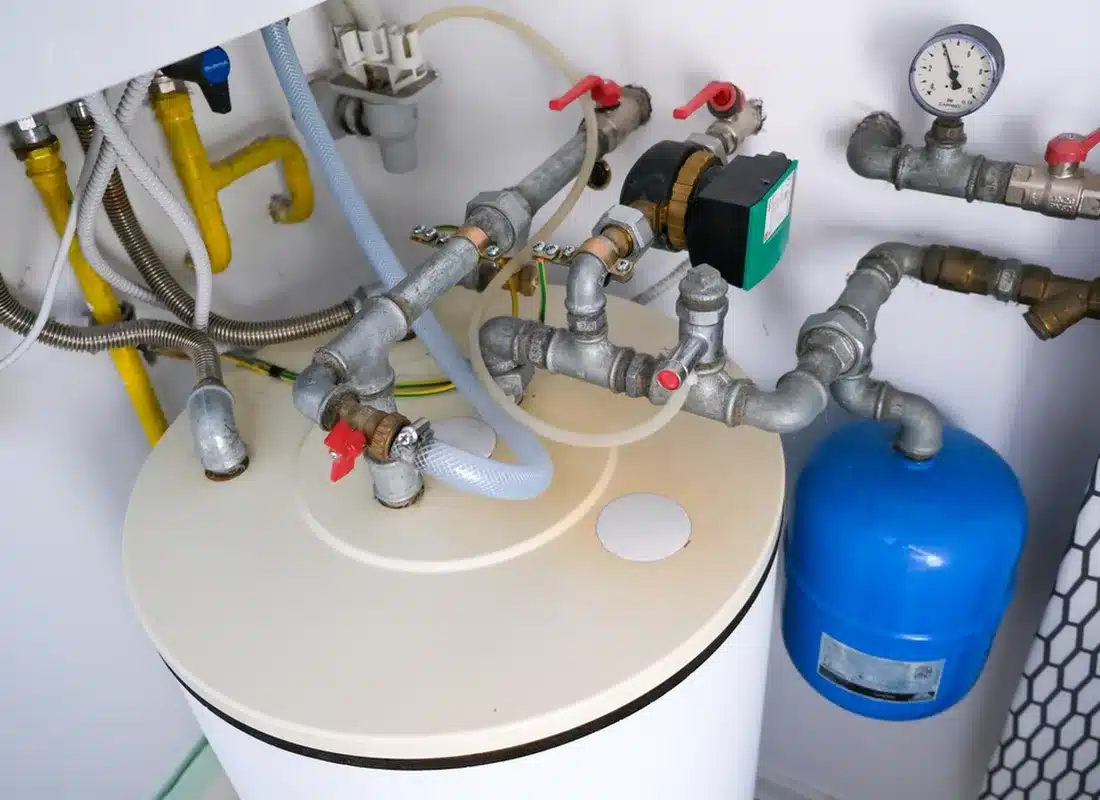
A storage water heater is simpler than it looks. Cold water enters through a dip tube that carries it to the bottom of the tank, where a gas burner underneath or an electric element inside heats it. Hot water, being lighter, rises to the top and leaves through the outlet to your taps. The tank keeps that reserve — commonly 150 to 270 litres — hot and ready, and its recovery rate describes how quickly it can reheat a fresh batch after a long shower or a load of laundry.
Two components quietly protect that tank. The anode rod attracts corrosive minerals so the steel lining does not, and the T&P relief valve guards against dangerous pressure. Sediment is the tank’s real enemy: minerals settle into a layer on the bottom, insulating the water from the burner, forcing longer run times, and creating the popping and rumbling many homeowners hear. Left alone, that layer accelerates corrosion and shortens the tank’s life — which is why an annual flush matters so much.
Benefits of Regular Maintenance
Prioritizing regular maintenance for your hot water tank is like investing in peace of mind. Checking your system regularly offers several important benefits that go far beyond keeping your baths warm.
– Prolonging Tank Lifespan: Routine check-ups and simple upkeep tasks can help you avoid major issues that can drastically shorten the life of your hot water tank. Even small issues, if left unchecked, can eventually lead to larger, costlier repairs or even require tank replacement.
– Ensuring Consistent Hot Water Supply: Consistency is key. Regular maintenance ensures you won’t face sudden disruptions in your hot water supply. There’s nothing worse than a cold shower surprise because of a neglected tank.
– Protecting Safety and Efficiency: A yearly service is also a safety check. A technician can test the T&P valve, inspect the anode rod every few years and swap it before the tank corrodes, and confirm the thermostat sits around 49°C — hot enough to discourage bacteria yet low enough to reduce the risk of scalding. In older Bowmanville homes especially, where many tanks are quietly nearing the end of their service life, these small checks often reveal a failing unit before it leaks across a finished basement floor.
How Oshawa Hot Water Tank Repair Services Can Help
When hot water tank problems arise, they’re often urgent and can’t be put on the back burner. Repair services in Oshawa are equipped to handle a range of issues you might face with your hot water tank. They offer targeted solutions to address any specific problem, ensuring your system is up and running efficiently again. With expert help, repairs are done quickly, helping you get back to your regular routine without stress.
Keep Your Hot Water Flowing Smoothly
Dealing with hot water tank issues promptly will not only restore your comfort but will also prevent further complications. Whether it’s strange noises or an unexpected lack of hot water, timely repair and maintenance keep your system efficient and reliable. Remember that a bit of attention now can save a lot of hassle later, ensuring everything runs smoothly just how it should all year round.
Restore Your Hot Water Without the Guesswork
A cold tap or a rumbling tank rarely fixes itself, and the longer a small fault sits, the more it tends to cost. The licensed team at Fortis Heating & Air Conditioning diagnoses no-heat calls, sediment noise, leaks, and worn anode rods, and will advise you honestly when a tired tank is worth repairing versus replacing. Learn more about our hot water tank repair service, call (289) 688-4822, or book online to get your hot water back.
Serving Durham Region homeowners: Fortis Heating keeps hot water dependable across Oshawa, Whitby, Ajax and Pickering, and our water-heater techs also reach Bowmanville and Courtice.
Water Heating Resources
If your hot water tank is acting up, these references explain how water heating works and how to keep it efficient.
Frequently Asked Questions
How often should I flush my hot water tank?
Flush your hot water tank at least once a year to remove sediment buildup that reduces efficiency and can damage the tank. In areas with hard water, like parts of the Durham Region, consider flushing every 6 months. Regular flushing can extend your tank life by several years.
What size hot water tank do I need?
A general guideline: 1-2 people need a 125-150 litre tank, 3-4 people need 190-225 litres, and 5+ people need 265+ litres. Factors like simultaneous usage (showers, dishwasher, laundry) and recovery rate also matter. A professional can recommend the right size based on your household needs.
What are signs my hot water tank needs replacing?
Warning signs include rusty or discoloured hot water, the tank being over 10 years old, visible corrosion or leaks around the base, inconsistent water temperatures, and rising energy bills. If you notice pooling water around the tank, act quickly — this could indicate an imminent failure.
What does the anode rod do, and when should it be replaced?
The anode rod is a sacrificial metal rod that corrodes in place of your tank’s steel lining, protecting it from rust. Most rods last three to five years, though hard water can wear them out sooner. Having it inspected during a routine service — and replaced once it is more than half consumed — is one of the cheapest ways to add years to a tank’s life.
Is water dripping from my tank’s relief valve dangerous?
It should not be ignored. The temperature and pressure relief valve only releases water when the pressure or temperature inside the tank climbs too high, so a persistent drip can signal an overheating tank, excess pressure, or a worn valve. Have a licensed technician determine the cause rather than capping or plugging the discharge, which would remove an important safety feature.