


As a homeowner in the Durham Region, you know that staying warm during the colder months is essential for your family’s comfort. With energy costs on the rise, finding ways to keep your home cozy without breaking the bank might seem like a challenge. But did you know that optimizing your home’s heating efficiency is the key to maintaining maximum comfort while simultaneously reducing energy consumption and utility bills?
Locally owned and operated, our HVAC company is here to help you unlock the full potential of your home’s heating system. By focusing on improving efficiency, not only will you save money on your energy bills, but you can also reduce your overall carbon footprint, making your home more environmentally friendly. In this guide, we will examine the factors that influence heating efficiency and provide expert tips and strategies designed to help you make the most of your HVAC system while maintaining the highest level of home comfort for you and your family.
Follow along as we explore the importance of regular HVAC system maintenance, insulation upgrades, programmable thermostat utilization, and other efficiency-boosting strategies. Our dedicated team of professionals is here to provide unmatched support and expertise to ensure your home’s heating system operates at peak performance, giving you the peace of mind you deserve during winter’s coldest months.
Benefits of Improved Heating Efficiency

Investing time and effort into improving the heating efficiency of your home offers numerous benefits, such as:
1. Reduced Energy Bills: A more efficient heating system uses less energy, which results in lower utility bills for you.
2. Enhanced Comfort: By optimizing your home’s ability to maintain consistent temperatures, you’ll enjoy a more comfortable living environment.
3. Environmental Sustainability: Greater heating efficiency means lower greenhouse gas emissions, contributing to a greener profile for your home.
4. Increased Home Value: A high-performance HVAC system and energy-efficient upgrades can make your property more attractive to potential buyers.
How Furnace Efficiency Is Measured — and Where Your Energy Goes
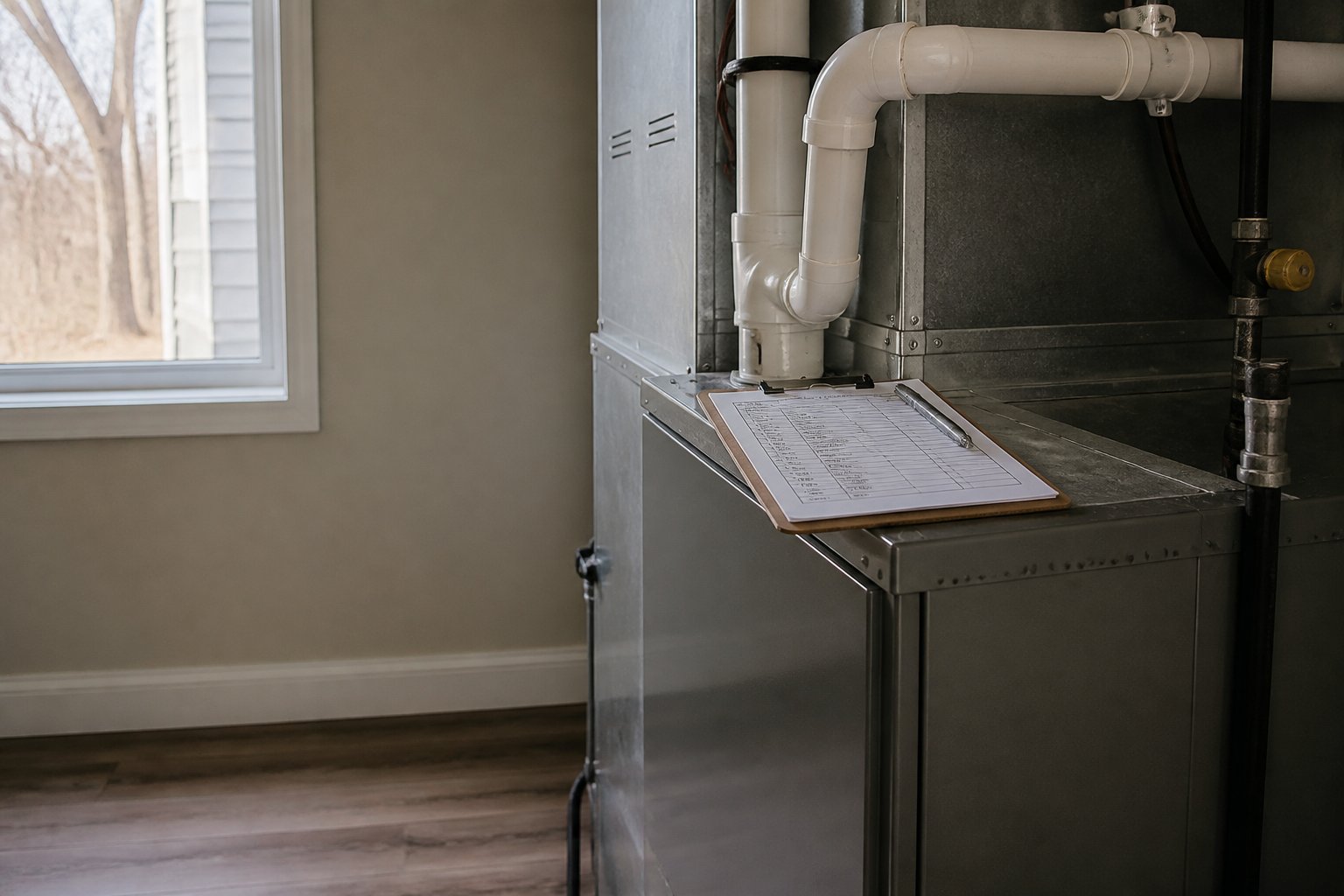
Before you can improve efficiency, it helps to understand how it is measured. A furnace’s efficiency is expressed as an AFUE rating — Annual Fuel Utilization Efficiency. A furnace with an AFUE of 80% turns 80 cents of every fuel dollar into usable heat and sends the remaining 20 cents up the flue. A modern condensing furnace rated at 96% or higher wrings a second round of heat out of the exhaust gases before they leave the home, which is exactly why it vents through white PVC pipe out a side wall rather than a hot metal chimney. Over a long Durham heating season that runs from October well into April, the difference between a tired 80% unit and a 96% model shows up on every gas bill.
Efficiency is not only about the furnace, though. Roughly half of the energy your home loses in winter escapes through the building envelope — the attic, walls, windows, and the ductwork that snakes through unconditioned spaces. That is why the most effective efficiency plans tackle both sides of the equation at once: a well-tuned heating system moving warm air through a well-sealed home. Improve one without the other and you leave savings on the table. The sections below walk through the practical steps that move the needle most for homes across Oshawa, Whitby, and Brooklin.
Regular HVAC System Maintenance
Ensuring your heating system is running smoothly and efficiently is critically important. Here are some tips for maintaining your HVAC system and maximizing its performance:
1. Schedule Professional Inspections: Annual professional inspections can help identify and address potential issues before they lead to costly repairs or decreased efficiency.
2. Clean and Replace Filters: Regularly inspecting, cleaning, and replacing filters promotes optimal airflow and helps your system run more efficiently.
3. Check and Seal Ductwork: Leaky ducts can lead to significant energy loss, so be sure to periodically inspect and seal your ductwork using mastic or foil tape.
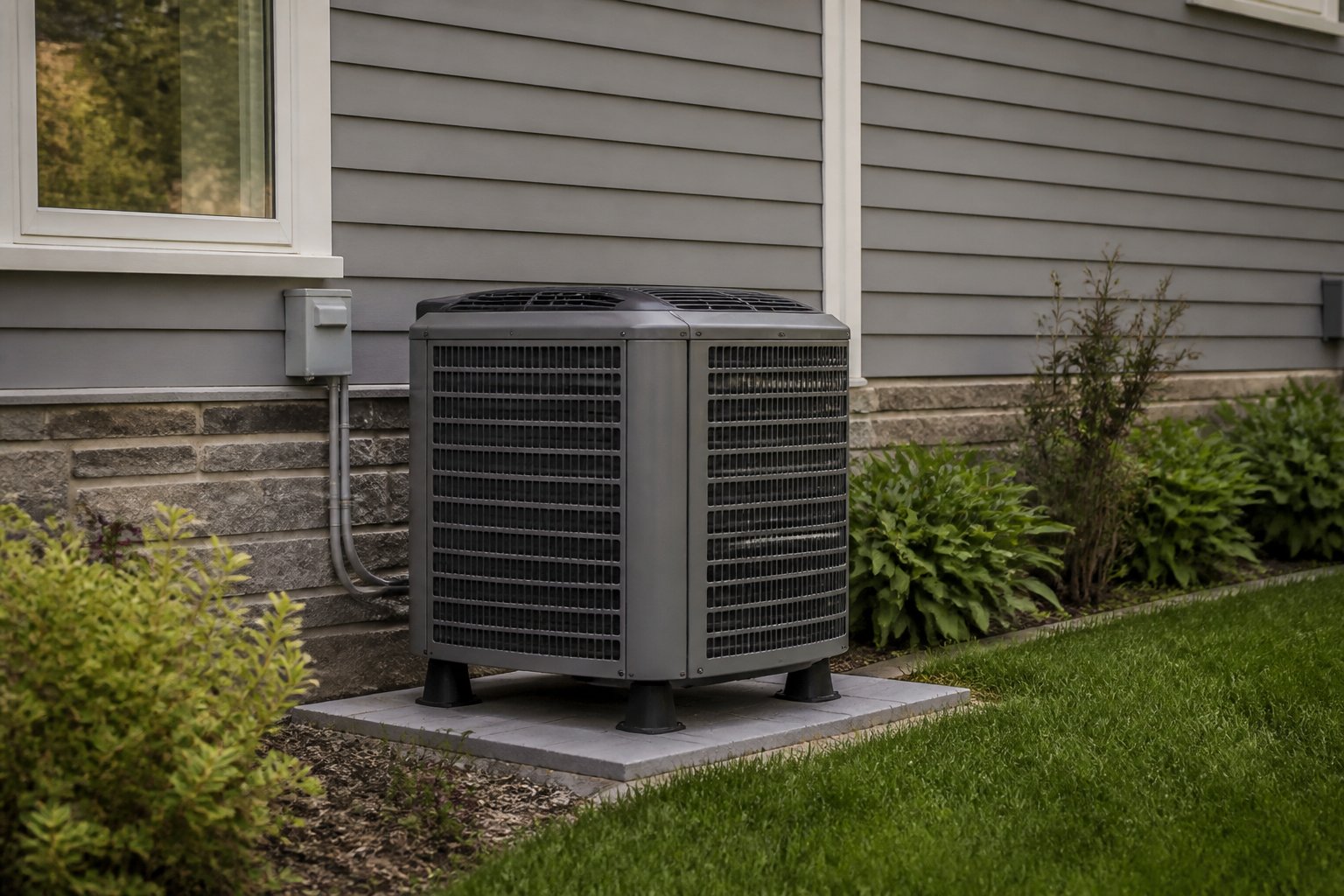
4. Clean the Outdoor Unit: Keeping the outdoor component of your heating system free of debris and dirt can help increase heating efficiency and prolong its lifespan.
It helps to know what a technician is actually doing during a fall tune-up, because much of that work directly protects your efficiency. A licensed HVAC technician will clean or replace the flame sensor and check the ignition sequence, measure gas pressure at the manifold, and run a combustion analysis to confirm the burner is firing cleanly rather than wasting fuel. They will inspect the heat exchanger for cracks — a safety-critical check, since a cracked exchanger can leak carbon monoxide into the return air — and verify that the blower motor is drawing the correct amperage and moving air across the coil without straining. Loose belts, a dirty blower wheel, or a clogged condensate drain on a high-efficiency unit all quietly rob performance until someone catches them.
This attention matters even more in Durham’s older housing stock. Many established Oshawa neighbourhoods are full of furnaces well past the fifteen-year mark, and a system that has pushed through a decade of January deep-freeze nights and lake-effect cold off Lake Ontario naturally loses a little efficiency each season. Catching a worn inducer motor or a marginal ignitor in October is far cheaper and warmer than discovering it during a cold snap in February, when demand for emergency service is at its peak.
Insulation and Air Sealing Upgrades

Proper insulation and air sealing can greatly improve your home’s heating efficiency by minimizing heat loss:
1. Inspect for Drafts: Check windows, doors, and other areas for drafts, and use weatherstripping, caulking, or other solutions to seal any gaps or cracks.
2. Evaluate Insulation Levels: Ensure that your home is adequately insulated by examining the attic, crawlspaces, and other areas where insulation may be lacking.
3. Upgrade or Add Insulation: Consider upgrading your home’s insulation using high-performance materials, such as spray foam, to help minimize heat transfer and improve overall efficiency.
4. Seal Electrical Outlets: Applying foam gaskets behind electrical outlets can prevent heat from escaping your home.
For our climate zone, building-science guidance points to roughly R-60 of attic insulation, yet plenty of older Durham bungalows were built to a fraction of that and have never been topped up. The attic is worth prioritizing because heat rises: warm air that leaks into a cold attic not only wastes the fuel you paid to produce it, it also melts the underside of the snow on your roof. When that meltwater refreezes at the cold eaves it forms an ice dam, and the resulting backup can push water under your shingles. Air sealing the ceiling plane — around pot lights, the attic hatch, plumbing stacks, and the top of interior walls — before adding insulation stops the warm, moist air that drives both heat loss and ice damming.
Newer subdivisions in Whitby, Brooklin, and Courtice tend to start with better envelopes, but even a recent build benefits from sealing the obvious leak points — the rim joist in the basement, exterior door thresholds, and any spot where a wire or pipe passes through to the outdoors. Every draft you close is one less cold spot your furnace has to fight, which lets the system reach its set temperature faster and cycle less often.
Embrace Programmable and Smart Thermostats
Utilizing programmable and smart thermostats can help optimize the efficiency of your heating system:
1. Create Custom Schedules: Program your thermostat to automatically adjust the temperature based on your daily routines to conserve energy and ensure ideal home comfort.
2. Use Smart Features: For those with Wi-Fi-enabled thermostats, take advantage of remote access, voice control, and other features to easily manage your home’s heating schedule, even when you’re away.
3. Monitor Energy Usage: Some advanced thermostats offer energy usage tracking, providing valuable insights into how you can further improve your heating efficiency.
A word of practical caution on setbacks in deep cold: dropping the temperature overnight saves energy, but a very aggressive setback on a bitterly cold Durham night means your furnace has to claw the house back up several degrees in the morning, sometimes running for a long stretch to recover. A modest overnight setback of two to three degrees usually captures most of the savings without that hard morning catch-up, and many smart thermostats now handle this automatically by learning how long your home takes to warm. Pairing sensible scheduling with a whole-home humidifier also helps — properly humidified air feels warmer at the same temperature, so you can often stay comfortable a degree lower and let the furnace rest a little more.
Take Control of Your Home’s Heating Efficiency and Reap the Rewards
By taking a proactive approach to improving your home’s heating efficiency, you can significantly lower energy bills, enhance overall comfort, and positively impact the environment. With regular HVAC system maintenance, insulation upgrades, and maximizing the benefits of programmable and smart thermostats, you can take control of your heating system’s performance and make your home a more comfortable and cost-effective sanctuary.
Lower Your Heating Bills Before the Next Cold Snap
Small changes add up quickly once the furnace is running every day, and the best time to make them is before the first hard freeze arrives. Our team can tune your system, check for hidden duct and envelope losses, and recommend the upgrades that will pay you back fastest for the way your home is built. Explore our Oshawa home heating services, then call Fortis Heating & Air Conditioning at (289) 688-4822 or book online to get a plan tailored to your home.
Efficient heat, lower bills: Fortis Heating & Air Conditioning fine-tunes home comfort and energy use in Oshawa, Whitby, Pickering and Ajax, reaching homes in Courtice and Bowmanville as well.
Heating Efficiency Resources
For deeper reading on lowering heating costs and choosing efficient equipment, these government and ENERGY STAR guides are a good place to start before you book a tune-up.
Frequently Asked Questions
How often should I service my HVAC system in Oshawa?
Twice a year is the standard most manufacturers recommend — a spring visit for the air conditioner and a fall visit for the furnace ahead of our cold Ontario winters. Staying on that schedule helps the equipment run efficiently, catches small faults early, and supports a longer service life. If you’re not sure when yours was last checked, we can book an on-site tune-up and get you back on track.
What temperature should I set my thermostat to save energy?
A good rule of thumb for Ontario homes is 20-21°C (68-70°F) while you’re up and about, dropping it a couple of degrees overnight or when the house is empty. A programmable or smart thermostat handles those setbacks automatically and can meaningfully trim your heating and cooling costs over a year. If you’d like help choosing or setting one up, just ask during your next visit.
How long does an HVAC system typically last?
With regular care, a furnace generally lasts about 15 to 20 years, central air conditioners around 10 to 15, and heat pumps roughly 12 to 15. What pushes equipment toward the top of those ranges is consistent professional maintenance and staying on top of filter changes. If yours is getting on in years, an on-site assessment can tell you whether it’s better to keep maintaining it or start planning a replacement.
Does adding attic insulation really lower my heating bill?
Yes. Because a large share of a home’s winter heat loss goes straight up through the ceiling, topping up an under-insulated attic to modern levels reduces the load on your furnace so it runs less often to hold the same temperature. It also helps keep upstairs rooms more even and reduces the ice-damming that plagues many older Durham roofs during a thaw-and-freeze cycle.
What size furnace does my home need for a Durham winter?
Bigger is not better. An oversized furnace short-cycles — firing hard, satisfying the thermostat quickly, then shutting off — which wastes fuel and leaves temperatures uneven. The right size comes from a heat-loss calculation based on your home’s square footage, insulation, windows, and air-tightness, which is why we measure rather than guess before recommending a replacement.