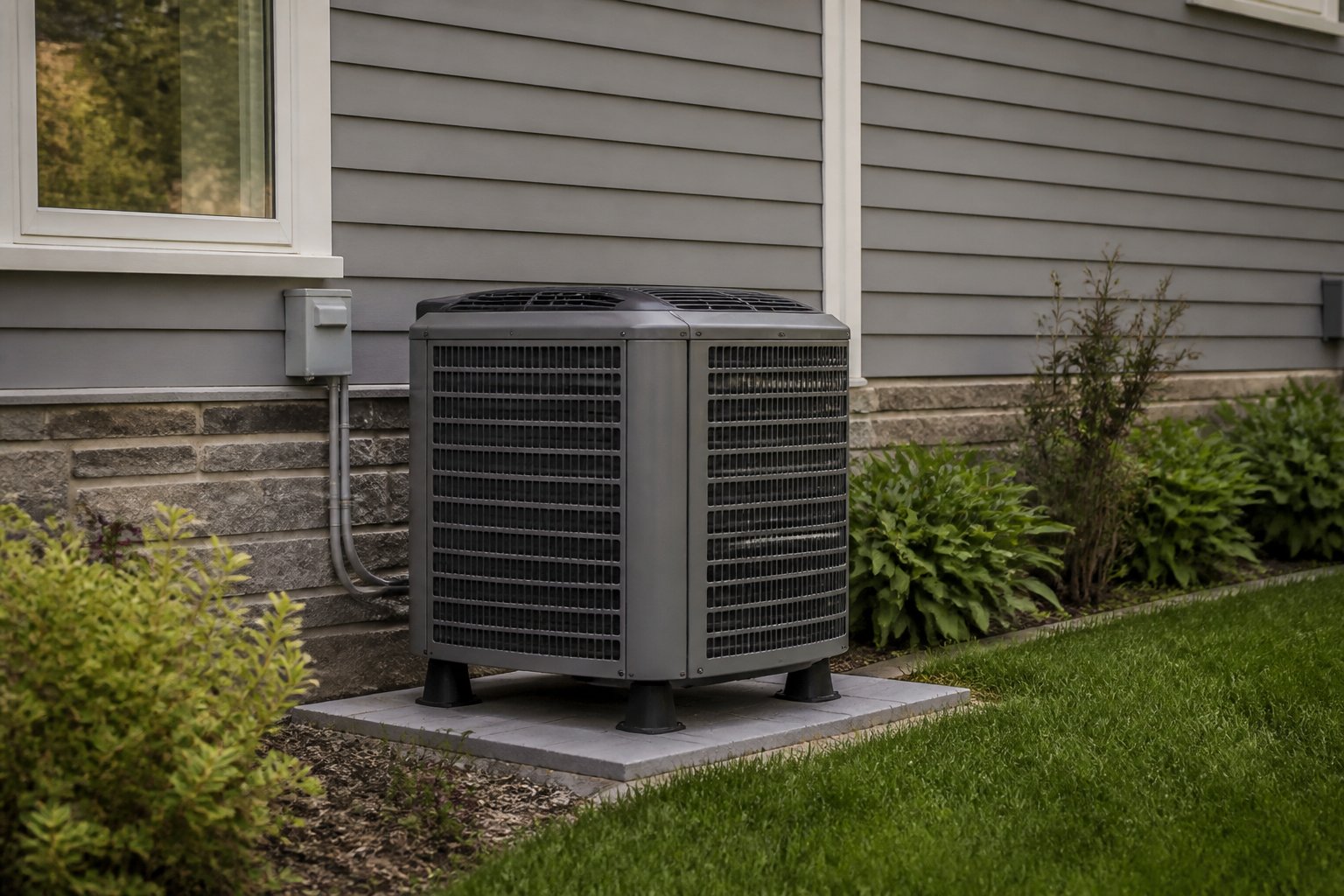



Air conditioners are essential appliances that keep our homes comfortable during the hot summer. However, with constant use, they can develop problems that may require repair or replacement. A faulty air conditioner can lead to discomfort, increased energy bills, and even health problems. Therefore, knowing when to repair or replace your air conditioner is crucial. In this article, we’ll look at the signs that indicate your AC needs repair or replacement and how to assess the best course of action.
Signs You Need a Repair

An air conditioner can develop various issues that require repair. Below are a few indicators that suggest your air conditioner requires maintenance.
1. Reduced Airflow: If your air conditioner blows out less air than usual, it could be a sign of reduced airflow. This problem could be due to a clogged air filter or a dirty evaporator coil.
2. Strange Noises: Unusual noises from your AC unit, such as clanking, banging, or grinding, could indicate a problem. These noises could be due to loose or worn-out components such as fan blades, bearings, or belts.
3. Leaking Water: If you observe water leaking from your air conditioning system, it might indicate a clogged or impaired condensate drain pipe. A leaking AC can cause water damage to your home’s walls and floors, leading to costly repairs.
4. Foul Odours: If your air conditioner is giving off bad odours, it might indicate the presence of mould or mildew. This issue can arise because of a filthy air filter or a blocked condensate drain line.
Before you assume the worst, it’s worth ruling out the simple things a homeowner can safely check. Confirm the thermostat is set to cool and that its batteries aren’t dead, then check that the breaker for the AC hasn’t tripped. Swap in a fresh filter, make sure your supply and return vents aren’t blocked by furniture or rugs, and clear a couple of feet of space around the outdoor condenser so it can breathe. A surprising number of “the AC is broken” calls come down to one of these five things. If cooling is still weak after that, the trouble is usually inside the system — a dirty evaporator coil, a struggling blower motor, or low refrigerant — and that’s where a licensed technician earns their keep, measuring temperature split across the coil and checking pressures to find the real cause rather than guessing.
Signs You Need a Replacement
While repairs can fix most AC issues, some problems may require a replacement. Below are some signs that indicate your AC needs to be replaced.
1. Age: An air conditioner has a lifespan of about 10 to 15 years. If your AC unit is over 15 years old, it may be time to replace it. An old AC can be less energy-efficient, leading to higher energy bills.
2. Frequent Breakdowns: If your AC requires frequent repairs, it may be a sign that it’s reaching the end of its lifespan. Repairing an old AC repeatedly can become costly, and a replacement may be more cost-effective.
3. High Energy Bills: An inefficient air conditioner can lead to high energy bills. If you notice a significant increase in your energy bills, it could be a sign that your AC is no longer working efficiently. A replacement with a more energy-efficient model can save you money on energy bills in the long run.
4. Inconsistent Temperatures: If your AC unit cannot maintain consistent temperatures, it could be a sign of a problem. However, if the problem persists after repair, it may indicate that your AC is not the right size for your home.
There is one factor that quietly tips many older units toward replacement: the refrigerant they use. Air conditioners built before roughly 2010 typically run on R-22, a refrigerant that has been phased out of production in Canada for environmental reasons. When an R-22 system springs a leak, recharging it can be surprisingly expensive because the remaining supply is limited — and you’re paying to refill a system that will likely leak again. At that point the money is often better put toward a modern unit that uses a current refrigerant and delivers more cooling per dollar of electricity. Efficiency has also come a long way: today’s air conditioners carry much higher SEER (Seasonal Energy Efficiency Ratio) ratings than a 15-year-old unit, so a like-for-like replacement can noticeably trim your summer hydro bills while cooling more evenly.
How to Assess if Your AC Needs a Repair or a Replacement?

Assessing whether your AC needs repair or replacement can be challenging, but here are some factors to consider.
1. Frequency of Repairs: If your AC requires frequent repairs, it may indicate that it’s reaching the end of its lifespan. Repairing an old AC over and over can become costly, and a replacement may be more cost-effective.
2. Cost of Repairs: When the expense of fixing an AC unit exceeds half the price of buying a new one, it might be more economical to replace it. On the other hand, if the repair cost is below half the price of a new unit, it could be worthwhile to consider fixing it.
3. Energy Efficiency: An energy-efficient air conditioner can save you money on energy bills in the long run. If your AC is over ten years old, it may not be as energy-efficient as newer models. A replacement with a more energy-efficient unit can save you money on energy bills.
A quick way to weigh the decision is the rule of thumb many technicians use: multiply the age of the unit by the cost of the repair. If that number climbs past the price of a new system, replacement usually makes more sense; if it stays well below, a repair is the smart call. Just remember the figure is only a starting point. A ten-year-old unit that needs one modest repair and has been well maintained can easily have several good summers left, while a unit of the same age with a leaking coil and a failing compressor is telling you something different. Our job is to lay out both paths honestly — including how each option affects your comfort, your energy costs, and the reliability you can expect over the next few years — so the choice is yours to make with full information.
Getting More Life Out of the AC You Already Own
Whichever way the decision falls, a little care goes a long way toward keeping an air conditioner out of the “replace” column longer. Change or wash the filter every one to three months through the cooling season, and gently rinse the outdoor condenser coil once a year so the fins aren’t caked with pollen, grass, and dust — a clogged coil forces the compressor to run hot and shortens its life. Keep the area around the outdoor unit clear, make sure the condensate drain is flowing freely, and book a professional tune-up each spring so a technician can check refrigerant pressures, tighten electrical connections, and catch a small fault before it strands you in a heat wave.
This matters especially in our corner of Ontario. Homes across Oshawa’s McLaughlin neighbourhood work hard through July and August, when air pushing in off Lake Ontario adds humidity on top of the heat and an AC has to remove moisture as well as lower the temperature. A well-maintained unit handles that load comfortably; a neglected one struggles, runs longer, and wears out years ahead of schedule. Regular upkeep is the cheapest insurance you can buy against an untimely — and expensive — replacement.
Conclusion
Knowing when to repair or replace your air conditioner can save money, increase comfort, and improve indoor air quality. If you notice any signs of a problem, it’s essential to call a professional HVAC technician to assess the situation. They can advise you on the best course of action based on your AC unit’s age, condition, and efficiency. Remember, regular maintenance can prevent most AC issues and prolong the lifespan of your unit.
Not Sure Whether to Fix It or Replace It?
Deciding between one more repair and a brand-new system is easier when someone has actually looked at your unit and run the numbers with you. We’ll inspect your air conditioner, explain what’s really going on inside it, and give you an honest recommendation — no pressure to replace something that still has good years left. If you’d like a straight answer before the next heat wave, reach Fortis Heating & Air Conditioning for air conditioning repair in Oshawa at (289) 688-4822, or book a visit online and we’ll come take a look.
Across the Durham Region: Whether the smart move is a targeted AC repair or a full changeover, Fortis Heating helps homeowners weigh it and stay cool throughout the Durham Region, including Oshawa, Whitby, Ajax, and Pickering.
Repair or Replace: Resources
References to help you weigh an AC repair against replacement:
Frequently Asked Questions
What HVAC services does Fortis Heating offer in Oshawa?
Fortis Heating & Air Conditioning provides complete residential HVAC service — from air conditioning installation, repair, and maintenance to furnaces, heat pump systems, custom ductwork, gas fireplaces, gas line installation, hot water tanks, and tankless water heaters. We look after homes in Oshawa, Whitby, Ajax, Pickering, Cobourg, and across the Durham Region.
How do I know if my HVAC system needs professional service?
Common warning signs are odd noises, uneven cooling or heating, energy bills that keep climbing, short frequent cycles, weak airflow, unusual odours, and a system older than 10-15 years. Spotting any of them is your cue to arrange an inspection with a licensed HVAC technician.
Is it worth repairing an air conditioner that is more than 15 years old?
It can be, if the repair is small and the unit has been well looked after — but the older a system gets, the more the math favours replacement. Weigh the repair cost against the unit’s age, how often it has broken down, and how much of your summer hydro bill it is quietly running up. A technician can measure its real performance and tell you whether you’re throwing good money after bad or genuinely have a few reliable seasons left.
Can regular maintenance really delay replacing my AC?
Yes. Clean filters and coils, clear airflow, healthy refrigerant levels, and a yearly professional tune-up all reduce the strain on the compressor — the single most expensive part to replace. A unit that is serviced every spring commonly reaches the upper end of its expected lifespan, while a neglected one can fail years early. Maintenance won’t make an old system last forever, but it very often buys you extra summers.
Are rebates or incentives available for high-efficiency HVAC upgrades?
Sometimes. Rebates for high-efficiency furnaces, heat pumps, and smart thermostats come and go through federal, provincial, and local utility programs, and the specifics shift from year to year. Instead of trusting a figure you read somewhere, ask us what is genuinely on offer when you are ready to make the change. We keep up with the programs that apply in the Durham Region and can guide you toward equipment that qualifies.