


Spring arrives in Durham Region, and before the first hot week hits, your air conditioner needs attention. A spring AC tune-up in Oshawa is the most effective thing you can do to ensure your cooling system runs efficiently, reliably, and without expensive surprises when you need it most. This checklist covers everything that happens during a professional tune-up and what you can do yourself to keep your system in top shape between service visits.
Why Spring Is the Right Time for AC Maintenance
Timing matters with AC maintenance. Scheduling your tune-up in April or early May — before the first heat wave — gives you several advantages over waiting until summer.
First, HVAC companies are significantly less busy in spring than in July or August. You’ll get faster scheduling, more flexible appointment times, and often better rates. When a heat wave hits and your AC fails, every technician in Durham Region is booked for days. Don’t put yourself in that position.
Second, spring maintenance catches problems that developed over winter. Outdoor condenser units sit idle for months in freezing temperatures. Refrigerant lines, electrical connections, and capacitors can all be affected by the freeze-thaw cycles of an Oshawa winter. A spring inspection catches those issues before they become failures.
Third, a clean, well-maintained AC unit runs more efficiently. According to ENERGY STAR’s heating and cooling guidance, regular maintenance can prevent up to 15% of cooling energy waste — meaningful savings on your hydro bill over a full summer.
Our air conditioning services in Oshawa include full spring tune-up packages that cover every item on this checklist.
The Outdoor Unit: What Gets Checked and Why
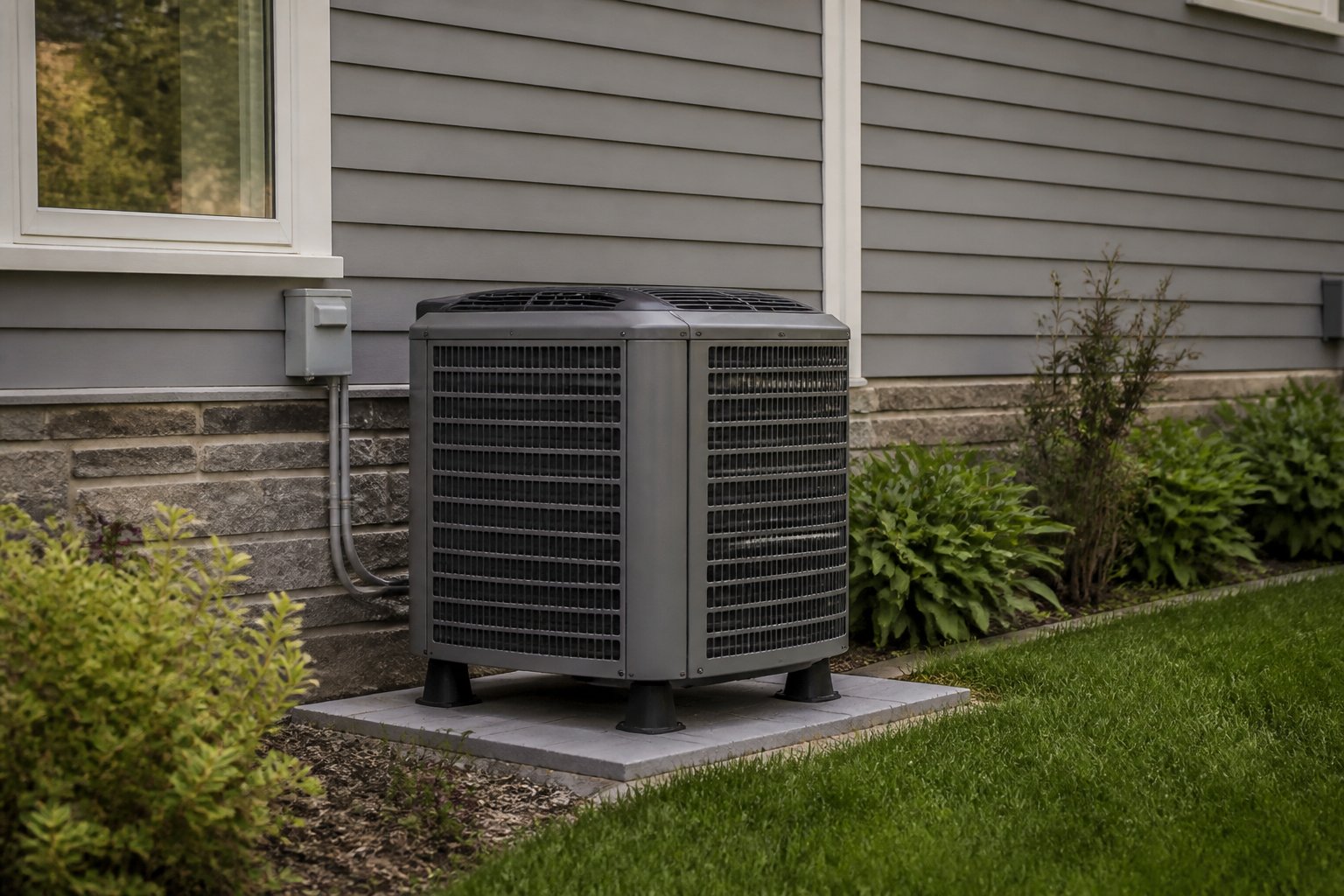
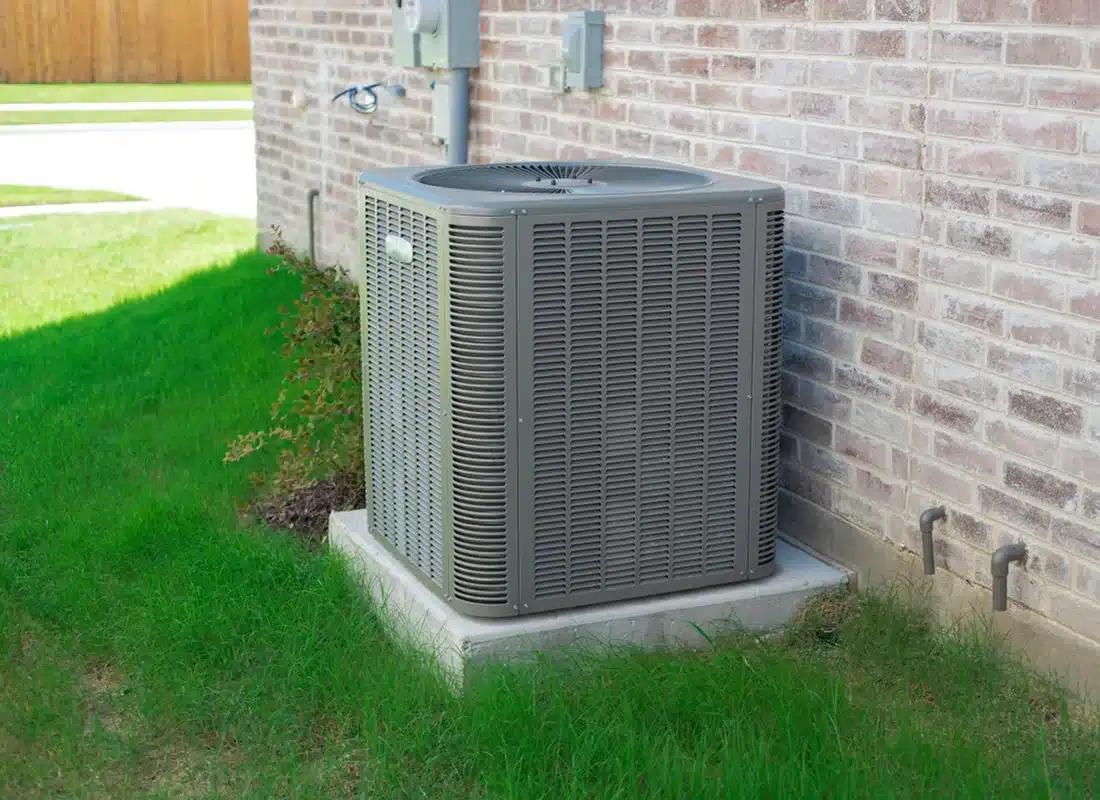
The condenser unit outside your home is exposed to everything — winter ice, spring debris, insects, and UV degradation. Here’s what a technician examines during a spring service call:
Coil cleaning. The condenser coils release heat from your home’s air into the outside environment. When they’re coated with dirt, grass clippings, or cottonwood fluff, heat transfer slows down and the compressor works harder. A thorough coil cleaning restores efficiency and reduces wear on the compressor — the most expensive component in the unit.
Refrigerant level check. Low refrigerant (commonly called Freon, though modern systems use R-410A or R-32) doesn’t just reduce cooling capacity — it can damage the compressor by causing it to run without adequate lubrication. A technician checks refrigerant pressure and, if it’s low, identifies and repairs the leak before adding refrigerant. Topping off refrigerant without fixing the leak is a temporary patch at best.
Electrical connections and capacitors. Capacitors are small cylindrical components that help start and run the motors in your AC unit. They degrade over time and are a very common cause of AC failures on the first hot day of summer. A technician will test capacitor health and replace any that are showing signs of failure before they leave you without cooling.
Condenser fan motor. The fan pulls air across the condenser coils. A slow or failing fan motor reduces cooling efficiency and increases operating temperatures inside the unit. Lubrication, amperage testing, and visual inspection catch early-stage motor problems.
Unit levelness and clearance. The condenser needs to be level for the compressor to operate correctly. After a winter of ground movement and thaw, the unit’s pad may have shifted. A technician will check levelness and verify that there’s adequate clearance from vegetation and structures on all sides.
The Indoor Unit and Ductwork: What Gets Inspected

The indoor evaporator coil and air handler are the other half of your AC system. They’re inside your home, usually in the furnace cabinet or a dedicated air handler, and they’re often overlooked during DIY maintenance.
Evaporator coil inspection. The evaporator coil absorbs heat from your home’s indoor air. If it gets coated with dust or develops mold growth (possible in humid conditions), it loses efficiency and can contribute to poor indoor air quality. Cleaning is done carefully to avoid bending the delicate aluminum fins.
Condensate drain cleaning. As the evaporator coil cools air, it also removes moisture, which drips into a drain pan and exits through a drain line. Over winter and early spring, algae and debris can clog the drain line. A blocked condensate drain causes water to back up and overflow — damaging ceilings, walls, and floors below the unit. Flushing the drain line is a standard part of any thorough tune-up.
Air filter replacement. A dirty air filter restricts airflow, making your system work harder and reducing efficiency. It also degrades indoor air quality. Replace your 1-inch filter every one to three months, or have your technician swap it during the spring visit. If you have a thicker media filter (4-5 inches), annual replacement is typically sufficient.
Blower motor and belt check. The blower motor circulates conditioned air through your home. Unusual noises, high amperage draw, or visible wear on the belt (on older systems) signal that service is needed before cooling season begins.
Our maintenance plans include priority booking for spring tune-up season, so plan members never have to scramble for an appointment before the first heat wave.
What You Can Do Yourself Before the Technician Arrives

There are a handful of maintenance tasks that don’t require a technician and are safe and appropriate for homeowners to handle themselves:
- Remove the winter cover from your condenser unit if you installed one. Covers left on during operation restrict airflow and can cause the unit to overheat.
- Clear debris around the condenser. Remove leaves, twigs, and any vegetation that has grown within two feet of the unit over winter. Trim back shrubs and grass to maintain clearance.
- Gently rinse the condenser coils with a garden hose from the top down, using moderate pressure. This removes surface debris before your professional cleaning. Do not use a pressure washer — the fins are easily bent.
- Replace the air filter in your air handler or furnace cabinet before the season starts.
- Test the system in cooling mode. Run the AC for 15 minutes on a mild day and confirm that cool air is coming from the vents, the thermostat is responding correctly, and there are no unusual noises from either the indoor or outdoor unit.
- Check and clear the condensate drain line. Locate the PVC pipe exiting your air handler’s drain pan and pour a cup of water into the pan to confirm it drains freely.
These steps don’t replace a professional tune-up, but they do ensure your technician can focus on the diagnostic and mechanical work rather than routine cleanup.
Frequently Asked Questions
How much does a spring AC tune-up cost in Oshawa?
A standard residential AC tune-up in the Oshawa and Durham Region area typically costs $120 to $200. The price varies based on system size, the scope of services included, and whether any parts need replacement. Our maintenance plan members receive discounted tune-up rates and priority scheduling in spring — one of the main benefits of the plan.
My AC worked fine last summer. Do I still need a tune-up?
Yes. A system that worked well last summer sat idle for six to eight months through a Canadian winter. Capacitors can degrade without showing symptoms until they fail under load. Condensate drains can develop algae blockages. Refrigerant can leak slowly. A tune-up catches these issues before they become failures on the hottest day of the year.
How long does an AC tune-up take?
Most residential spring tune-ups take 60 to 90 minutes. If the technician identifies repairs that need to be done — a failing capacitor, a clogged coil requiring deep cleaning, or a refrigerant recharge — the visit may run longer. We’ll always communicate what was found and get your approval before proceeding with any additional work.
Can I book a furnace and AC tune-up together in spring?
Yes, and we recommend it. A combined HVAC tune-up covers both systems in a single visit, which saves time and often costs less than scheduling two separate appointments. Spring is an ideal time to inspect both your furnace (which just came out of its heavy-use winter season) and your AC (preparing for the summer season ahead).
A spring AC tune-up in Oshawa is the smartest HVAC investment you can make before summer. It protects your equipment, lowers your energy bills, and keeps your home comfortable through the hottest weeks Durham Region throws at you. Fortis Heating & Air Conditioning’s certified technicians serve Oshawa, Whitby, Ajax, Pickering, Bowmanville, Cobourg, and surrounding communities. Call us at (289) 688-4822 to book your spring tune-up before the season fills up.