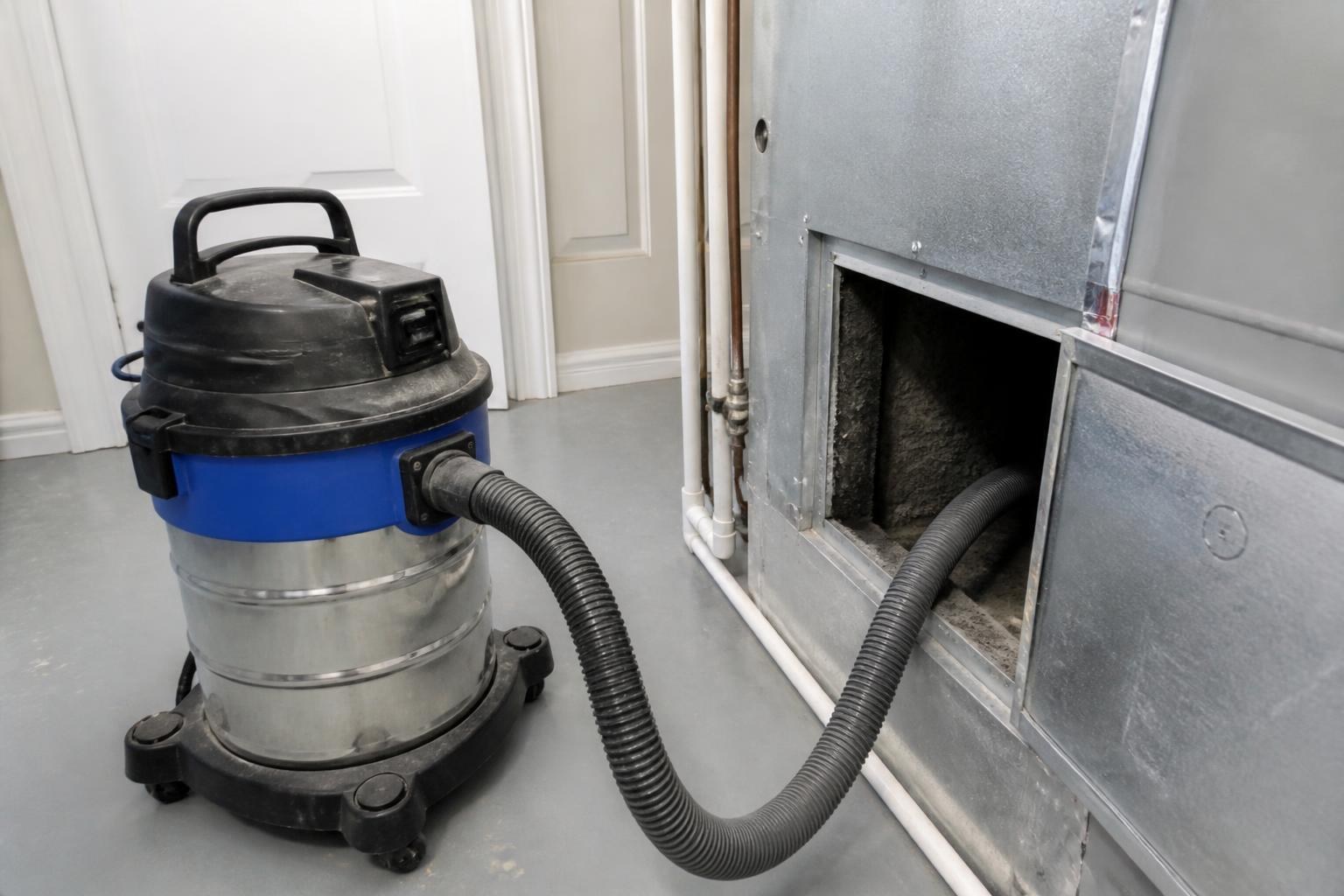



Most Oshawa homeowners have never seen the ductwork that moves every litre of heated and cooled air through their house, which is exactly why it is one of the most neglected parts of the average HVAC system. Home energy guidance commonly points to duct leaks, gaps, and poorly sealed joints as a source of wasted heated and cooled air. That is money you have already paid to heat or cool, escaping into wall cavities, attics, and crawl spaces. Ductwork repair may be able to close those leaks when the layout is accessible and serviceable. Here is how to tell whether it may be worth discussing during an HVAC or ductwork visit.
What Duct Sealing Actually Is

A ductwork repair visit can include finding leaks in your supply and return ductwork and closing appropriate gaps with purpose-made materials: mastic sealant brushed over joints, metal-backed foil tape rated for duct systems, and gaskets where sections meet equipment. On accessible runs, a technician seals joints by hand; connections at boots, plenums, and takeoffs, the places ducts most often leak, get special attention. Despite the name, ordinary cloth duct tape is the one thing never used, because its adhesive dries out and fails within a few years.
The Signs Your Ducts Are Leaking
Leaky ductwork rarely announces itself, but it leaves fingerprints all over the house:
- Rooms that never reach temperature. A bedroom that stays cold in January and hot in July while the rest of the house is fine usually has a supply run bleeding air before it arrives.
- High utility bills. If your gas and hydro costs keep climbing while your usage habits have not changed, air you paid to condition may be escaping into the attic or crawl space.
- Dusty rooms and dirty filters. Return-side leaks suck dust, insulation fibres, and musty air from wall cavities and basements into the system and distribute them through the house.
- Whistling or rumbling from vents. Air forced through gaps makes noise, and so does ductwork flexing under pressure it was not designed for.
- Weak airflow at the registers. If your furnace fan sounds strong but little air reaches the far rooms, the pressure is going somewhere else.
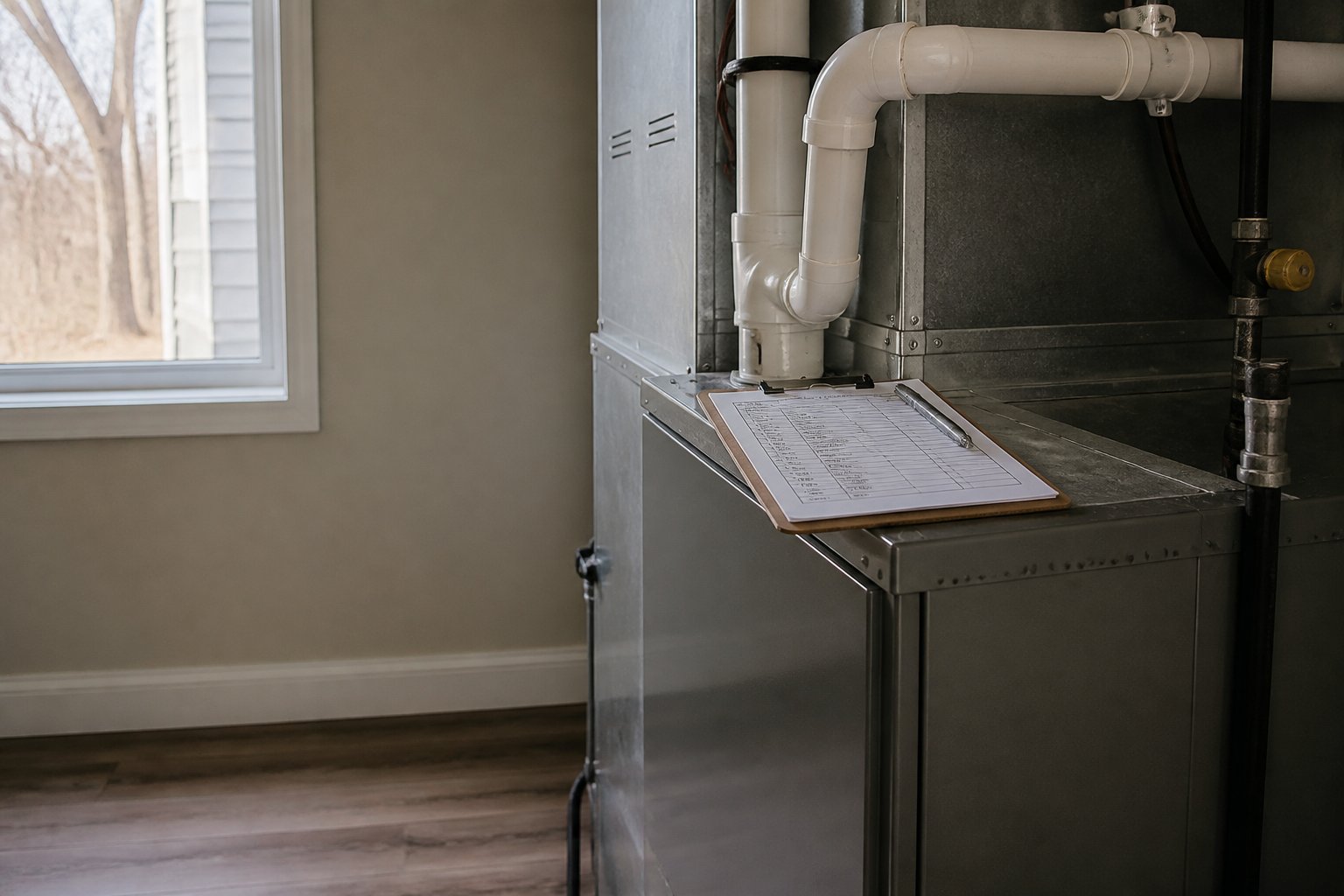
Any one of these can have other causes, which is why a duct system inspection matters before anyone quotes a repair. Testing helps show where leakage is, how severe it is, and whether sealing, adjustment, insulation, or ductwork modification is the better next step.
What Duct Sealing Is Worth in Dollars
Think of it this way: if your ducts lose a meaningful share of the air your furnace moves, your heating system is doing extra work for less delivered comfort. When accessible leaks can be sealed properly, homeowners may recover a meaningful share of that lost airflow and reduce unnecessary heating or cooling waste. In a region like Durham, where the furnace runs hard for five months and the air conditioner picks up the summer shift, ductwork improvements are worth weighing as part of the broader comfort and efficiency picture. Natural Resources Canada’s home energy efficiency resources have more on how air leakage drives up household energy use.
There is also an equipment argument. A furnace or air conditioner pushing against leaky, unbalanced ductwork runs longer cycles to hit the thermostat setting. When leakage is part of the problem, correcting it may reduce unnecessary runtime and strain on blower motors, heat exchangers, and compressors. If you are already investing in regular HVAC maintenance, sealed ducts protect the same equipment from the other direction.
Comfort and Air Quality Benefits
The savings get the headlines, but comfort is often the first thing homeowners notice when ductwork problems are corrected. Rooms may even out. A far bedroom may need less supplemental heat. Cooking smells and basement mustiness may circulate less if return-side leaks are no longer pulling air from places they should not. Humidity control can improve too, since the system is closer to moving the air volume it was designed for. For households with allergies, reducing return-side leaks that pull in dust and insulation fibres can be a practical part of improving indoor air quality.
Sealing vs. Replacing: An Honest Distinction
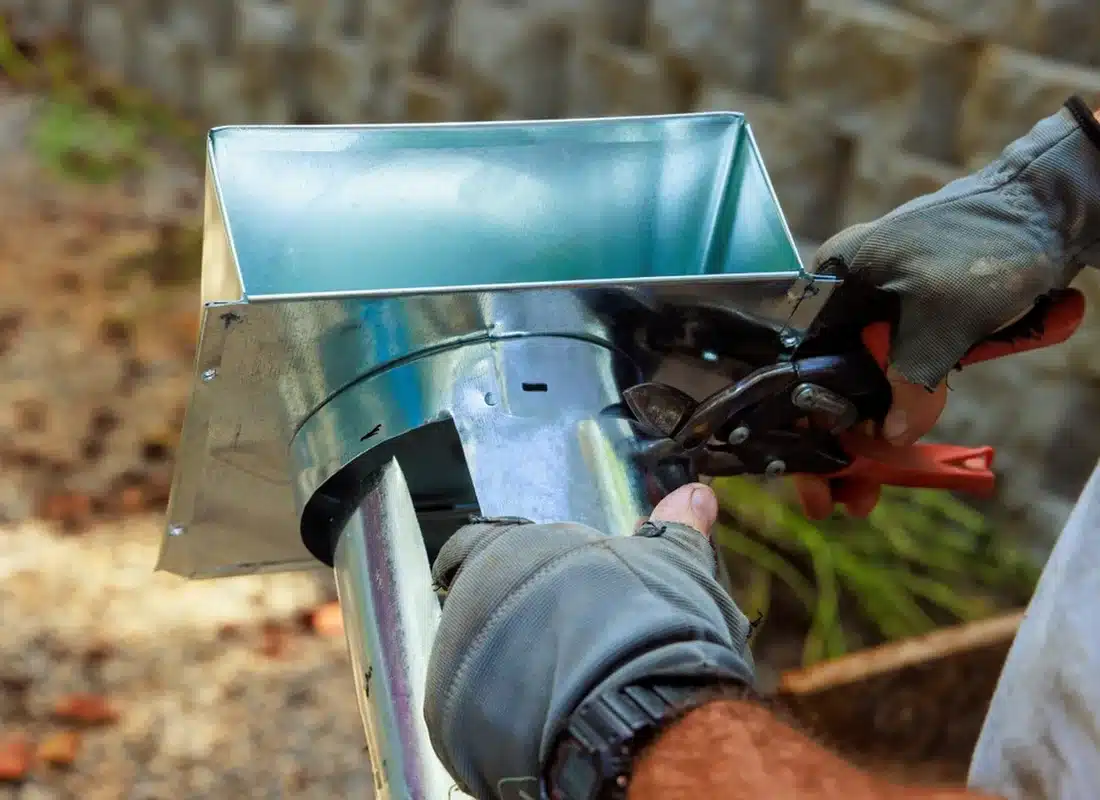
Targeted sealing can be the right call when the duct layout is fundamentally sound and the problem is leakage. But some homes, especially older ones and homes with finished additions, have ductwork that is undersized, poorly routed, or crushed in places no sealant can fix. In those cases, sealing a badly designed system is polishing a problem, and the honest recommendation is modification or replacement of the problem runs. Our custom ductwork service handles exactly those situations, from resizing trunk lines to designing new runs for renovations. We will tell you plainly which situation your home is in after we inspect it.
What to Expect From a Professional Visit
A professional ductwork visit in an Oshawa home typically starts with the accessible runs, boots, plenums, and register airflow. If sealing is appropriate, leaking joints may be sealed with mastic and rated tape, loose connections can be secured, and unheated runs may need insulation to reduce heat loss through the duct walls themselves.
When Duct Sealing Pays Off Fastest
Some homes see the benefit almost immediately. If your ducts run through an unconditioned attic, garage, or crawl space, every leak spills conditioned air completely outside the living space, so addressing those runs can return more of the conditioned air to the living space. Two-storey homes where the upstairs never matches the thermostat, houses with long duct runs to additions, and any home where the furnace fan seems to run constantly are also prime candidates. On the other hand, a compact bungalow with short, fully interior duct runs may lose less to leakage in the first place, so the practical answer should come from an inspection rather than a blanket recommendation. The pattern often seen in Durham Region is a mid-age home where decades of small renovations have disturbed the original ductwork, and a focused ductwork repair visit can bring it closer to as-built performance.
Frequently Asked Questions
Is ductwork repair worth it in a newer home?
Often, yes. Even new construction can have measurable duct leakage, because ducts are assembled quickly during a build and are not always verified. Newer homes often have better access, which can make repairs more straightforward.
Can I seal ducts myself with duct tape?
Not with cloth duct tape, which fails within a few years. Handy homeowners can apply mastic to exposed joints in a basement, but the leaks that matter most are usually at boots, plenums, and runs inside cavities, where finding them requires experience and testing. A partial seal often just moves the pressure problem elsewhere.
How do I know how leaky my ducts are?
The signs above are strong hints, but a proper inspection settles it. A qualified technician can assess the system, locate leakage, and give you a clear picture of what sealing will and will not fix before you commit to a repair.
Can ductwork repairs help with cooling too?
Absolutely. The same leaks that spill heated air in winter spill cooled air in summer, and attic duct leaks are hit hardest during a heat wave, when attic temperatures soar. Tighter, better-balanced ductwork can help your air conditioner deliver more of its capacity to the rooms that need it most.
Find Out What Your Ducts Are Costing You
If some rooms never feel right, your bills keep creeping up, or your system seems to work harder every year, your ductwork deserves a look before you blame the furnace. Call Fortis Heating & Air Conditioning at (289) 688-4822 or book an inspection online to review your ductwork, airflow, and practical repair options.