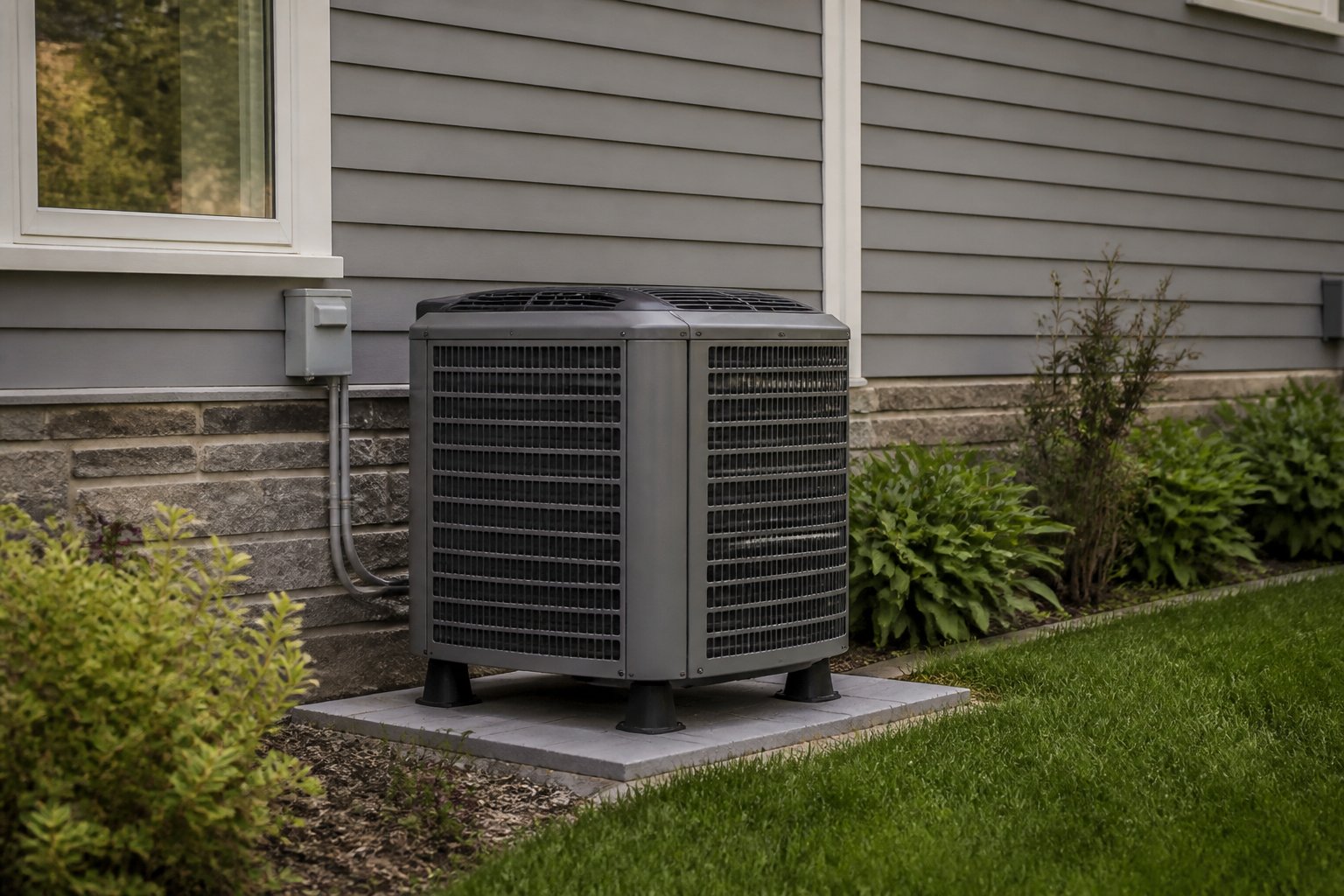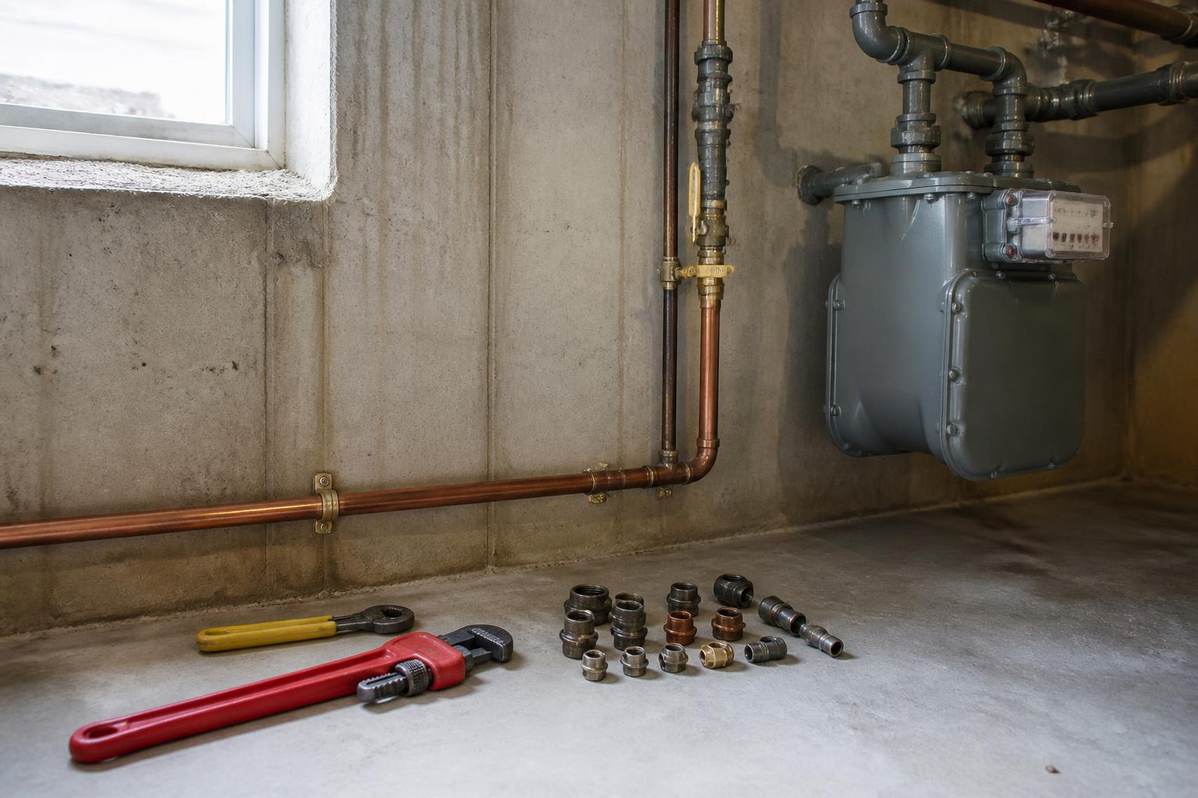


You find water in your basement after a heavy rain and assume the worst — a broken sump pump or backed-up drain. But before you call a plumber, check your HVAC system. Basement flooding during storms isn’t always a plumbing problem. Air conditioners and high-efficiency furnaces produce condensate, and when drain lines clog or disconnect, that water ends up on your Durham Region basement floor. Here’s how to tell the difference and avoid paying for the wrong service call.
How Your HVAC System Causes Basement Water
Most homeowners don’t realize how much water their HVAC system produces. High-efficiency furnaces and central air conditioning units generate condensate as a normal byproduct of operation — up to 19 to 23 litres per day during peak cooling season in Ontario’s humid summers.
This condensate is supposed to flow through a drain line from the air handler to a floor drain or exterior discharge point. But condensate drain lines are narrow — typically 3/4-inch PVC — and they clog easily. Algae, dust, and debris build up inside the line over time, and when the flow stops, water backs up and spills onto the basement floor near your furnace or air handler.
A cracked or disconnected condensate pan under the evaporator coil is another common cause. The pan catches moisture that drips off the cold coil, and if it develops a hairline crack or shifts out of position, water leaks directly onto the floor without any clog being present.
Here’s why the timing is confusing: humidity spikes during heavy rain dramatically increase condensate production. Your AC works harder to dehumidify incoming air, producing far more water than on a dry day. This is exactly why HVAC condensate leaks often coincide with storms — and why homeowners blame their plumbing first.

Plumbing Causes of Basement Water
Of course, plenty of basement water problems genuinely are plumbing issues. The most common is sump pump failure during heavy rain. The pump can’t keep up with rising groundwater, or it loses power during a storm, allowing water to rise through the sump pit and flood the floor.
Floor drain backup is another frequent cause. When heavy rain overwhelms the municipal sewer system, water pushes back through the sanitary sewer line and into your basement floor drains. This water is often discoloured or has a sewage odour — a clear sign it’s not condensate.
If it’s not condensate, the problem is on the plumbing side — check your sump pump and drains, and call a licensed plumber for emergency drain service if you’re dealing with backup or sump pump failure.
Foundation cracks allow groundwater seepage that appears along basement walls or at floor-to-wall joints rather than near HVAC equipment. Burst or leaking pipes will leave water trails leading to visible supply lines. In both cases, the water’s location tells the story — plumbing-related water rarely pools directly around the furnace or AC unit.
This same trade-vs-trade detective work applies elsewhere in the home. If you’re troubleshooting a different appliance, our guide on diagnosing whether a water heater issue is a plumbing or heating problem walks through the same location-clarity-timing approach.
How to Tell the Difference
Diagnosing whether your basement water is an HVAC or plumbing problem comes down to three factors: location, clarity, and timing.
Location of water: If the puddle is near your furnace, AC unit, or along the path where the condensate drain line runs, HVAC is the most likely culprit. If water appears near exterior walls, floor drains, or the sump pit, look at plumbing causes first.
Water clarity: Condensate is clean and clear — it’s essentially distilled water that formed on the evaporator coil. Sewer backup is dirty, may contain debris, and has an unmistakable odour. Groundwater seepage often carries sediment and may leave mineral stains on the floor.
Timing: If water appears during AC operation even on dry days, it’s condensate. If water only shows up after heavy rain, you need to check both systems. The overlap in timing during storms is what makes this diagnosis tricky.
Here’s a simple test: pour a cup of water into the condensate drain pan (the shallow tray under your evaporator coil). Watch whether it flows out through the drain line. If it backs up or overflows, you’ve found your problem — a clogged condensate line that needs clearing.
What to Do the Moment You Find Water
If you discover standing water near your HVAC equipment, a few quick steps limit the damage. First, if the water is anywhere near the furnace, air handler, or an electrical connection, switch the air conditioner off at the thermostat and, if you can do so safely and with dry hands, cut power to the unit at the breaker to remove any shock risk. Mop or use a wet/dry vacuum to clear the standing water, and lift any stored belongings up off the floor. Snap a few photos before you clean everything up, since documentation helps if you need to make an insurance claim. Once the area is dry, run the drain-pan test described above to confirm whether a clogged condensate line is the culprit before you call for service. Standing water in a finished basement can lead to mold growth within 24–48 hours, so dry the area thoroughly and address any dampness quickly — the EPA’s guide to mold and moisture control has useful tips for preventing growth after a water event.
Think the water may be coming from your HVAC system? We provide air conditioning service across Durham Region and can help assess condensate drain-line concerns.
Call Fortis at (289) 688-4822 or explore our air conditioning services.
Preventive Maintenance for Both Systems
The best approach is maintaining both your HVAC and plumbing systems before storm season hits. On the HVAC side, flush condensate drain lines with a cup of white vinegar every three months during cooling season. This dissolves algae and biofilm before they cause a clog. During your annual tune-up, have your technician inspect the drain pan for cracks and verify the drain line is flowing freely.
On the plumbing side, test your sump pump monthly by pouring a bucket of water into the pit to trigger the float switch. Confirm the pump activates and the water level drops. If you’ve experienced power outages during storms, a battery backup sump pump is a worthwhile investment — it keeps the pump running when your main power fails.
Consider installing a condensate overflow switch (float switch) on your air handler. This simple device shuts down the AC automatically if the drain pan fills beyond a safe level, preventing water damage before it starts. It’s a standard add-on that most HVAC technicians can install during a regular service call.
Catch a Condensate Leak Before It Floods Your Basement
A clogged drain line or cracked pan is a small, inexpensive fix — but only if you catch it before it soaks your basement floor. Fortis Heating & Air Conditioning includes condensate line inspection and clearing in every tune-up across the Durham Region, and we can add a float safety switch so your air conditioner shuts itself down before water ever reaches the floor. Call us at (289) 688-4822 or book through our contact page to schedule your spring maintenance before the cooling season starts.
Frequently Asked Questions
Can a clogged condensate line cause serious water damage?
Yes. A clogged condensate line can release 19 to 23 litres of water per day onto your basement floor during peak cooling. Over a weekend away from home, that’s enough to damage flooring, drywall, and stored belongings. A float switch that shuts down the AC when the pan fills is the best preventive measure.
How often should I clean my condensate drain line?
Every three months during the cooling season (May through September in Ontario). Pour one cup of distilled white vinegar into the drain pan opening and let it sit for 30 minutes before flushing with warm water. Annual professional cleaning during your HVAC tune-up provides a more thorough clearing.
What if I have water near both my furnace and my sump pit?
This suggests two separate issues — a condensate leak from the HVAC system and a sump pump or drainage problem. Address the HVAC side first (it’s usually a quicker, less expensive fix), then investigate the plumbing side. During heavy storms, both systems can fail simultaneously.