


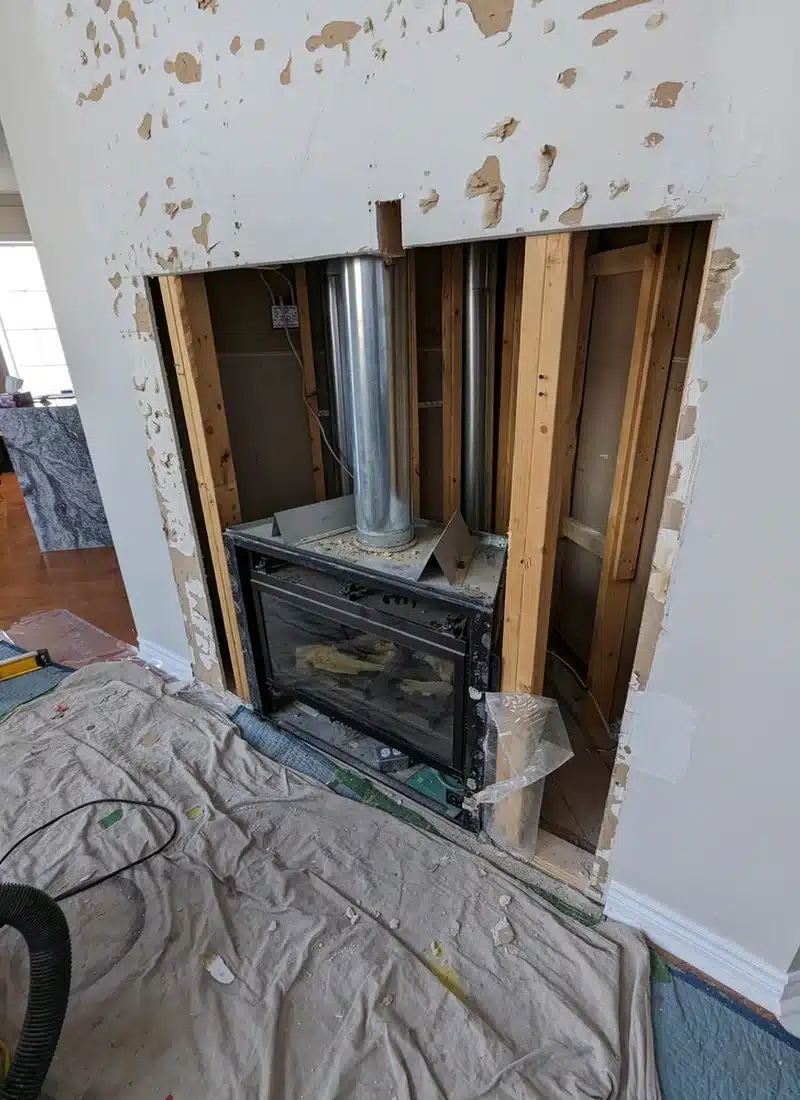
A gas fireplace should bring comfort, not problems. But when the flames keep going out, it can turn into a cold and frustrating experience. If you’ve ever sat down on a freezing Oshawa evening only to see your fireplace flicker off minutes later, you’re not alone. Many people in both Oshawa and Cobourg find themselves dealing with this kind of problem during winter. The reasons can range from dirty parts to problems with the gas line. Some homeowners might need help from a gas fireplace repair service when things aren’t working right. Knowing what to look for can help you stay warm and avoid bigger problems down the line.
Why Gas Fireplaces Shut Off Mid-Use
When a fireplace suddenly cuts off, it’s usually trying to protect you from something. Most gas fireplaces have built-in safety features designed to shut them down when something isn’t working the way it should.
• A faulty thermocouple or thermopile is one common issue. These parts are sensors that measure heat and help keep the flame going. If they’re damaged or dirty, they can’t do their job. That means your fireplace won’t stay lit.
• Blocked vents or air inlets can smother the flame. Your fireplace needs the right mix of air and gas to work. If fresh air can’t get in or old air can’t get out, it shuts off.
• Some fireplaces have automatic shut-off settings that respond to anything unusual, like poor airflow or overheating. These are there to keep things safe but can get triggered more often when parts aren’t clean or gas flow is not steady.
Understanding how these parts work helps explain why your fireplace might shut off when you least expect it. Many homeowners don’t realize how sensitive these systems are to little changes. Even a minor blockage, failed sensor, or temperature shift can cause the system to take action, shutting down until the problem is resolved. Older fireplaces may be more prone to shutting off, especially if they haven’t had regular check-ups or cleaning in recent years.
How Dirty Components Lead to Shutdowns
Dirt and dust might not seem like a big deal, but they can cause a lot of trouble in a gas fireplace. We see it all the time on winter calls throughout Oshawa and Cobourg.
• If the pilot light or burner gets dirty, the flame might not form properly or stay steady. Since your fireplace relies on a steady flame signal, anything that interrupts it can trip the safety system.
• The blower helps push warm air into the room. If it’s packed with dust or clogged by pet hair, it can overheat. When that happens, the system may shut off as a safety step.
• These types of issues don’t fix themselves. That’s why regular cleaning goes a long way. Even just once a year can make a big difference in how well your fireplace runs when you need it most.
When everything’s clean, air and gas move the way they’re supposed to, and the system doesn’t have to work as hard. A clean setup not only keeps your living room warm, it keeps the fireplace running smoother all winter long. Think of the fireplace working day in and day out through the cold months. All that use builds up soot, dust, and grime. Over time, clogged parts choke up the system just when it’s working hardest to heat your home. If you start noticing a weaker flame or your fireplace going out more than usual, a buildup of dirt inside could be making things harder for the system.
Problems With Gas Supply or Pressure

Gas supply problems can be subtle but serious. When your fireplace struggles to stay on, weak or inconsistent gas flow might be part of the issue.
• If the flame flickers or fails shortly after starting, low pressure could be to blame. The supply might be thin or get disrupted by a leak or blockage.
• We also have to think about the season. Ontario winters can be tough on gas regulators and outdoor equipment. Ice and frost can block vents or freeze valves, cutting off or changing flow levels inside.
• These aren’t issues you want to guess about. If something seems off with gas flow, it’s best to get it looked at by someone who can check the full system safely.
A steady gas supply is one of the most basic things your fireplace depends on. When it’s not there, or when pressure is unstable, your fireplace won’t cooperate no matter how many times you restart it. Sometimes, after a big snowfall, outdoor gas equipment gets covered, affecting flow in ways you might not spot right away. Persistent flow problems need a systematic check because the solutions aren’t always obvious or safe for you to handle alone.
What Warning Signs Point to Needing a Gas Fireplace Repair Service
There’s usually a trail of warning signs before a gas fireplace stops working completely. The trick is paying attention early, so you can avoid a total breakdown.
• If you smell something unusual, like a burnt or dusty smell, that’s a sign something might be burning unevenly or getting too hot.
• Clicking sounds or flames that struggle to stay lit are a problem. Some fireplaces will re-ignite themselves a couple of times before shutting down entirely.
• Many modern models show indicator lights or error codes when something goes wrong. These alerts might flash on a hidden panel or appear on a digital screen. They’re easy to miss if you’re not looking.
When these signs pop up, it’s a smart move to stop using the fireplace until it’s been checked. That’s when it makes sense to call in a gas fireplace repair service, so things don’t go from bad to worse. If you start seeing these warning signals, trying to keep the fireplace going can just make the problem bigger or create a safety risk. Paying attention to what your fireplace is telling you is the best way to avoid an unexpected cold snap indoors.
Staying Warm and Safe This Winter
If you use a gas fireplace in Oshawa, making sure it’s serviced by licenced gas technicians can give you peace of mind on those cold nights. Regular maintenance can help with everything from cleaning the pilot assembly and flame sensor, to making sure your gas lines meet Ontario safety standards.
When your gas fireplace keeps shutting down, it’s almost always for a reason. Most problems start small, like a bit of dust on the pilot light or a sensor that’s not aligned correctly. But they grow over time, especially when systems are used every day during cold months.
We see it happen often through January in places like Oshawa and Cobourg, where long cold snaps put added pressure on home heating. By spotting early signs, like flickering flames or odd smells, you’re better prepared to keep your fireplace steady and your home comfortable. A gas fireplace should work when you need it. When it doesn’t, the cause is usually something that can be found and fixed, with a little help from someone who knows where to look. Sometimes, all it takes to restore warmth and reliability is a thorough inspection or a small adjustment by someone trained to handle gas appliances safely. Taking action before things get worse can keep your winter plans on track.
Keep your home warm and your fireplace reliable this winter with expert help from Fortis Heating & Air Conditioning. If your fireplace is showing signs of trouble, such as flickering flames or unusual odors, let our team take a closer look. Our thorough gas fireplace repair service ensures that your system runs safely and efficiently throughout the cold months. Don’t wait for a complete shutdown—contact us today for trustworthy service and advice.
Serving Durham Region: Fortis Heating provides expert HVAC services in Oshawa, Whitby, Ajax and Pickering.
Helpful Resources
Frequently Asked Questions
How often should I service my HVAC system in Oshawa?
HVAC manufacturers recommend professional maintenance twice a year — once in spring for your air conditioner and once in fall for your furnace. Regular tune-ups can extend equipment lifespan by 5-10 years and reduce energy bills by 10-25%. In the Durham Region climate, seasonal maintenance is especially important due to temperature extremes.
What temperature should I set my thermostat to save energy?
For optimal energy savings in Ontario, set your thermostat to 20-21°C (68-70°F) when home and lower it 2-3 degrees when sleeping or away. A programmable or smart thermostat can automate this schedule and save 10-15% on heating and cooling costs annually.
How long does an HVAC system typically last?
A well-maintained furnace lasts 15-20 years, while air conditioners average 10-15 years. Heat pumps typically last 12-15 years. The biggest factor in reaching the upper end of these ranges is regular professional maintenance and timely filter changes.

