


As a locally-owned and operated HVAC company in the Durham Region, we passionately believe in empowering homeowners in the Oshawa to Cobourg area with valuable information related to the world of heating and cooling solutions. One vital aspect we want to emphasize is the energy efficiency of home heating systems. With advancements in technology and a growing concern for environmental sustainability, energy-efficient heating systems are becoming increasingly popular among Canadian homeowners. When you choose to invest in a reliable and energy-efficient heating system, you can enjoy long-term benefits, including reduced energy consumption, lower utility bills, and a more eco-friendly footprint, all while maintaining a comfortable indoor environment.
This guide aims to help you better understand the advantages of energy-efficient heating options and provide an overview of the top-performing and most suitable models for Canadian homes. Additionally, we’ll offer practical and actionable tips for optimizing your home’s heating efficiency that you can consider, regardless of the specific system installed. Our team of skilled technicians is dedicated to helping you make informed decisions tailored to your unique needs, whether you’re choosing a new system or upgrading an existing one.
The Benefits of Energy-Efficient Heating Systems

Choosing an energy-efficient heating system for your home will bring forth numerous advantages that can significantly impact your daily life and overall household expenses. Some notable benefits include:
1. Lower Energy Consumption: Energy-efficient heating systems consume less energy while providing the same level of comfort as conventional systems. This reduced energy usage not only benefits the environment but also results in lower energy bills.
2. Superior Performance: Energy-efficient heating systems are designed to deliver optimal performance and maintain a consistent temperature, ensuring a comfortable and cozy living space. Modern furnaces with variable-speed blowers and modulating burners hold a steadier temperature and avoid the hot-and-cold swings older single-stage units are known for.
3. Decreased Carbon Footprint: As energy-efficient heating systems require less energy to operate, they generate fewer greenhouse gas emissions, contributing to a healthier environment and reduced carbon footprint.
4. Enhanced Durability: Energy-efficient systems often boast better components and design, resulting in increased durability and a longer lifespan than their conventional counterparts.
Top Energy-Efficient Heating Options for Canadian Homes
When it comes to selecting an energy-efficient heating system for your Canadian home, it’s essential to choose a model that offers optimal performance in the local climate. Here are some top options to consider:
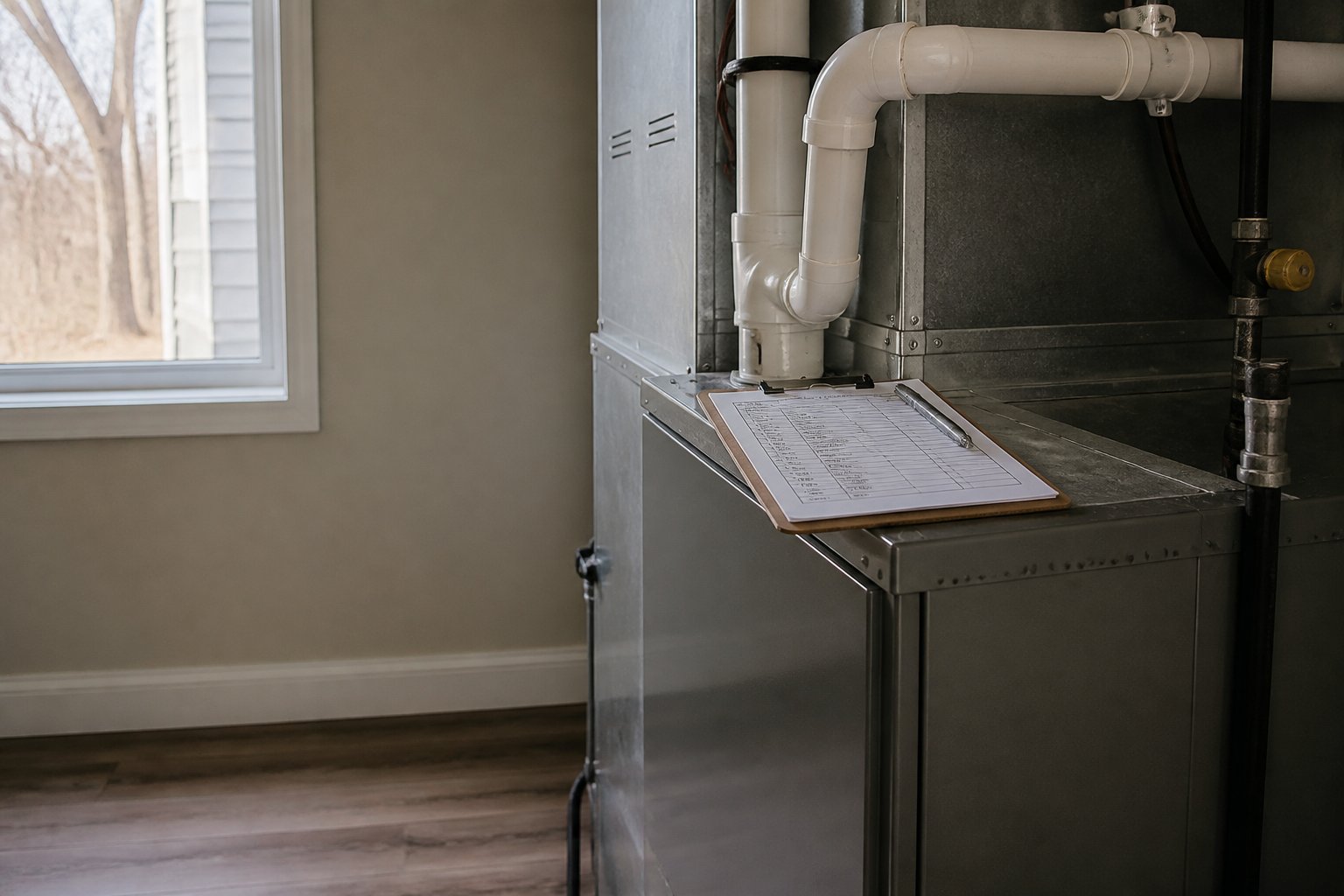
1. High-Efficiency Furnaces: Furnaces with an annual fuel utilization efficiency (AFUE) rating of at least 90% are regarded as high-efficiency. These models use advanced technology and design to maximize energy use while providing consistent heating.
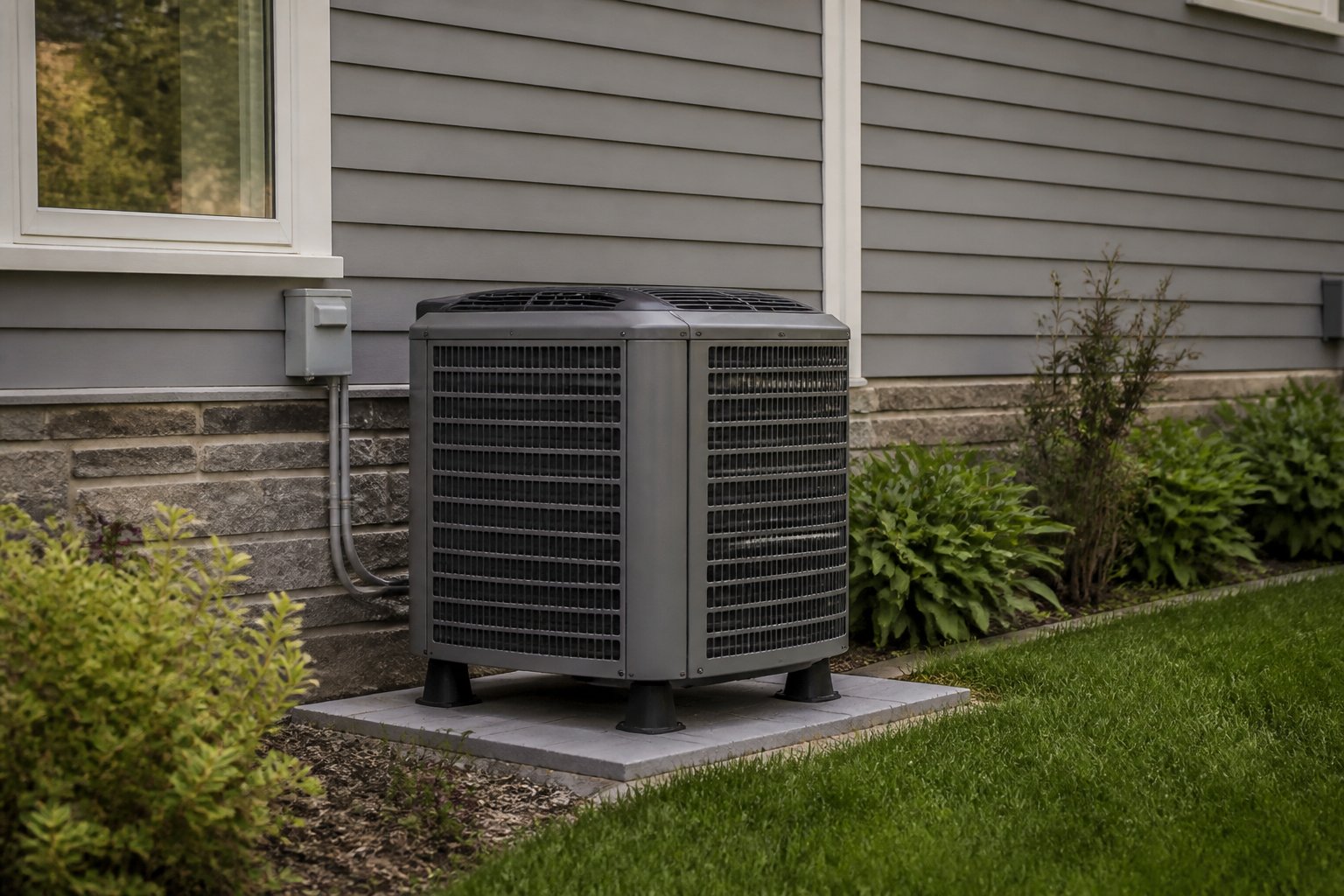
2. Heat Pumps: Heat pumps transfer heat from the outside air, water, or ground to warm your home. They effectively function as heating and cooling systems, making them a versatile option for year-round comfort. Some models operate efficiently even in colder Canadian climates.
3. Geothermal Heating Systems: Geothermal systems harness the earth’s stable subsurface temperature to heat and cool your home. While these systems can be expensive to install, they offer a long-term, sustainable, and energy-efficient solution, making them a popular choice for many Canadian homeowners.
4. Solar Heating Systems: Solar heating systems capitalize on sunlight to convert solar energy into heat for your home. When paired with a supplementary heating system, these solar-based options can significantly reduce your reliance on traditional energy sources and help lower your energy bills.
Cold-Climate Heat Pumps and Hybrid Systems for Ontario Winters
One of the biggest questions Durham Region homeowners ask is whether a heat pump can really keep up when the temperature drops well below freezing. Standard air-source heat pumps lose capacity as it gets colder, but cold-climate models are a different story. Built with variable-speed compressors and improved refrigerant circuits, they are engineered to deliver useful heat at temperatures far below zero, which makes them a genuinely practical primary heat source for our region rather than a mild-weather-only option.
For homes that already rely on natural gas, a hybrid — or dual-fuel — system offers the best of both worlds. The heat pump handles the majority of the season efficiently, and a high-efficiency gas furnace automatically takes over on the coldest, harshest days when it is the more economical choice. A smart control switches between the two based on outdoor temperature and energy pricing, so you get efficient electric heating most of the year with the reassurance of gas backup during an Ontario deep freeze.
Because a heat pump also provides cooling in summer, choosing one can consolidate your heating and air conditioning into a single system. That is worth weighing against a furnace-and-AC pairing when you are comparing long-term operating costs, available space, and the fuel sources already serving your home.
Tips for Optimizing Your Home’s Heating Efficiency

Beyond investing in an energy-efficient heating system, there are a variety of steps you can take to improve your home’s overall heating efficiency:
1. Regular Maintenance: Schedule routine maintenance for your heating system, including cleaning components and replacing filters, as needed. This is essential to ensure that your system continues to operate at peak efficiency.
2. Seal Your Home: Identify and seal any gaps or cracks in your home’s walls, windows, and doors to prevent drafts and heat loss. Adding insulation, weatherstripping, or caulking can help improve your home’s energy efficiency.
3. Smart Thermostats: Invest in a smart thermostat, which can be programmed to adjust your home’s temperature based on your daily routine or controlled remotely, ensuring you’re not wasting energy while away or sleeping.
4. Optimal Temperature Settings: Adjusting your thermostat by just a few degrees can significantly impact your energy consumption. Aim for a temperature setting that keeps you comfortable without being excessive.
Choosing the Right Energy-Efficient System for Your Needs
With multiple energy-efficient heating options available in the market, selecting the ideal system for your home may seem daunting. Here are a few factors to consider when making your decision:
1. Climate: Choose a system designed to perform optimally in your local climate. Some heating options work better in milder conditions, while others excel in harsher, colder climates.
2. Existing Systems: If you’re upgrading an existing heating system, consider compatibility with your home’s current infrastructure. This may help reduce installation costs.
3. Budget: Review the initial investment and potential long-term savings against your budget to ensure you’re making a financially viable choice.
4. Professional Consultation: Seek advice from HVAC professionals who are well-versed in energy-efficient heating options and can recommend the best solution tailored to your specific needs and preferences.
Embrace Energy Efficiency for a More Sustainable and Comfortable Home
Investing in an energy-efficient heating system not only creates a comfortable living environment but also positively impacts your long-term household expenses and the environment. Understanding the benefits of various energy-efficient heating options and expert tips to optimize your home’s heating efficiency can help you make an informed decision that best suits your living situation and goals.
Find Your Ideal Energy-Efficient Heating System
For personalized guidance on choosing the perfect energy-efficient heating system for your home, contact the Fortis Heating & Air Conditioning team today to learn more about our Oshawa home heating services. Whether you’re weighing a high-efficiency furnace, a cold-climate heat pump, or a hybrid setup, call us at (289) 688-4822 or reach out through our contact page, and our skilled technicians will help you find the ideal solution that promotes both comfort and sustainability, one cozy home at a time.
Across the Durham Region: From heat pumps to high-efficiency furnaces, Fortis Heating helps homeowners choose efficient comfort for the long haul, serving the wider Durham Region — Oshawa, Whitby, Ajax, Pickering, and Newcastle.
Efficiency Resources
Deeper reading on efficient heating systems for Canadian homes:
Frequently Asked Questions
Do heat pumps actually work through an Ontario winter?
Yes. Cold-climate air-source heat pumps are designed to produce useful heat well below freezing, and many Durham Region homes run them as a primary heat source. For the coldest stretches, a hybrid system pairs the heat pump with a gas furnace that takes over automatically, so you stay warm on even the harshest days.
How often should I service my heating system in Oshawa?
A furnace generally needs one professional service a year, while a heat pump that also cools through summer is best seen to twice. Those tune-ups keep the equipment running at its rated efficiency and help it reach the far end of its lifespan. In the Durham Region, booking that visit before the heating season ramps up is the most valuable timing of all.
What temperature should I set my thermostat to save energy?
Aim for about 20-21°C (68-70°F) when you are home and let it fall a few degrees while you sleep or are away. With an efficient system, pairing it with a programmable or smart thermostat to run that schedule automatically brings heating costs down further across the year.
How long does an energy-efficient heating system typically last?
A well-kept high-efficiency furnace generally runs 15-20 years, heat pumps around 12-15, and the ground loops of a geothermal system far longer still. As with any equipment, regular professional maintenance and timely filter changes are what carry a system to the top of its expected lifespan.