


Canadian winters are known for their harsh weather, and residents of the Durham Region experience their fair share of extreme winter temperatures. As a homeowner, you must ensure your HVAC system is well-prepared to keep your home warm and cozy in the coldest months of the year. With proper preparation and maintenance, your HVAC system will not only perform more efficiently but also have a longer lifespan in the long run. Fortis Heating & Air Conditioning, a locally owned and operated HVAC Company in the Durham Region, is committed to providing educational and helpful content to assist you with your winter preparations. In this blog post, we will share essential tips for getting your HVAC system ready for winter and maintaining a comfortable living space during the cold season.
Preparing your HVAC system for winter is crucial to ensure optimal performance and efficiency, help lower heating costs, and maintain indoor comfort levels. By following some simple precautions and routine maintenance tasks, you can prevent potential issues and avoid emergency repairs during the coldest months. Not only can this save you money on costly fixes, but it can also help you prevent discomfort when dealing with a sudden heating system breakdown during a snowstorm or freezing temperatures.
1. Regular Maintenance and System Check-Ups

To guarantee the best performance of your heating system throughout the winter season, regular maintenance is vital. Some simple tasks that homeowners can perform include:
Cleaning or replacing air filters every 1 to 3 months, depending on your system’s requirements. During a deep freeze, when the furnace runs almost continuously, a filter can load up faster than you expect, so check it more often.
Inspecting the furnace for possible issues, such as loose connections, frayed electrical wires, or signs of wear on the fan and belts.
Checking the heat exchanger for possible cracks, which may lead to carbon monoxide leaks. This is a job for a licensed technician, and it is the single most important safety check of the winter.
Ensuring the area around your HVAC system is clean and free of debris, allowing for unrestricted air circulation.
In addition to these tasks, scheduling a professional inspection and tune-up can be invaluable in preventing unexpected issues during the winter months. Fortis Heating & Air Conditioning’s team of experienced professionals can identify and rectify any problems before they escalate, ensuring your system continues to function at peak efficiency.
2. Insulation Upgrades and Checks
Insulation is a crucial aspect of maintaining warmth in your home during the winter season. Some steps to improve and check your insulation include:
Inspecting wall and attic insulation for potential gaps or damage, ensuring it meets the recommended R-value (a measure of insulation’s effectiveness) for your region.
Investigating possible drafts around windows and doors, sealing them with weatherstripping or caulking.
Insulating exposed pipes and ducts located in unheated areas to prevent freezing and heat loss.
By assessing and upgrading your home’s insulation, you can reduce heat loss and lower heating costs during the winter months. Good insulation also means your furnace cycles less often, which reduces wear over a long Ontario heating season.
3. Cleaning and Sealing Your Ducts
Ducts play a crucial role in distributing warm air throughout your home. Proper maintenance of ductwork ensures the efficient circulation of heated air. Key steps include:
Inspecting and sealing any leaks or gaps in ducts using mastic sealant or foil-faced tape, keeping conditioned air from escaping into unheated areas.
Cleaning ducts professionally to remove accumulated dust, debris, and any potential mould growth, improving indoor air quality and system efficiency.
Ensuring all duct connections are secure and well-insulated to maintain consistent temperatures throughout your home.
By focusing on the proper maintenance of your ducts, you can improve your HVAC system’s performance, reduce energy consumption, and increase the overall comfort of your home during the winter months.
4. Utilizing a Programmable or Smart Thermostat
Investing in a programmable or smart thermostat can be an excellent strategy for optimizing HVAC efficiency and managing heat usage during the winter season. These devices allow you to:
Customize heating settings based on your daily or weekly schedules, ensuring your home stays warm when needed and conserves energy when not in use.
Control your thermostat remotely using a smartphone or tablet, making it easy to adjust settings while on the go.
Monitor energy usage and tailor your habits to further save on heating costs.
A programmable or smart thermostat provides more precise control over your HVAC system, enabling you to maintain comfortable temperatures while reducing energy waste and lowering heating bills. In winter, avoid setting back the temperature too aggressively — deep overnight drops can make the furnace work hard to recover in the morning, especially in a poorly insulated home.
5. Protect Your Outdoor Unit and Water Lines
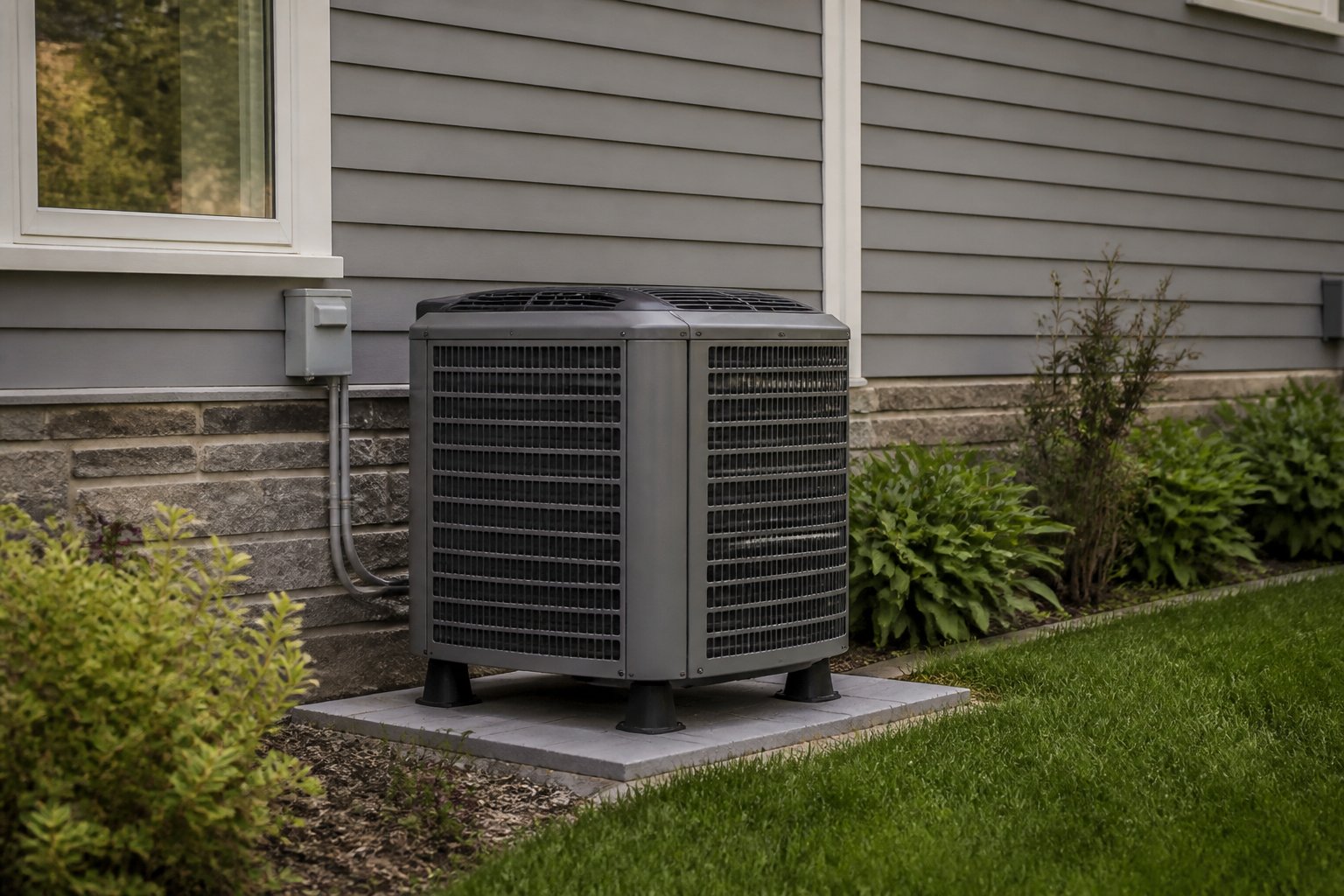
Winterizing isn’t only about the furnace indoors — the equipment outside needs attention too. If you have a high-efficiency furnace, locate the PVC intake and exhaust pipes on the side of your home and keep them clear of snow and ice all season; a drift over these vents can shut the furnace down on its own as a safety measure. If your home is heated by a heat pump, do not wrap or fully cover the outdoor unit — it runs through winter and needs airflow and room to shed defrost water. Instead, keep it clear of accumulating snow and confirm it sits above grade so meltwater and ice don’t build up around the base. For a central air conditioner that sits idle over winter, a breathable cover over just the top keeps out falling debris without trapping moisture inside. Finally, disconnect and drain outdoor hoses and shut off exterior hose bibs so nothing freezes and cracks during the first hard cold snap.
Troubleshooting Common Winter Heating Problems
Even a well-prepared system can hit a snag mid-winter, and knowing the common culprits helps you decide when to troubleshoot and when to call. If your furnace won’t start at all, check that the thermostat is set to heat, the furnace switch is on, and the breaker hasn’t tripped. If it runs but blows cool air, the cause is often a dirty flame sensor, a clogged filter choking airflow, or a high-efficiency intake or exhaust vent blocked by snow. A furnace that turns on and off in short bursts — short cycling — may be overheating from restricted airflow or struggling with a control problem. Uneven heat from room to room usually points to duct leaks, blocked registers, or an unbalanced system. And on high-efficiency furnaces, a frozen or clogged condensate line can trip a safety switch and stop the furnace entirely. Simple airflow and thermostat checks are fair game for homeowners, but anything involving the burners, gas, or heat exchanger should be handled by a licensed technician.
Conclusion
Preparing your HVAC system for the harsh winters of the Durham Region requires attention to detail and a proactive approach to maintenance. By focusing on regular system upkeep, insulation checks and upgrades, duct cleaning and sealing, protecting your outdoor equipment, and utilizing a programmable or smart thermostat, you can keep your home warm and comfortable throughout the season.
Get Winter-Ready with a Fortis Heating Inspection
Fortis Heating & Air Conditioning is dedicated to supporting Durham Region residents with best-in-class HVAC maintenance services in Oshawa, offering expert advice and hands-on maintenance. The best time to prepare for winter is before the first deep freeze arrives. Call our team at (289) 688-4822 or book a pre-winter inspection through our contact page, and head into the cold season knowing your heating system is reliable, safe, and efficient.
Serving Durham Region homes: Fortis Heating helps households get heating equipment ready before the cold locks in, serving the Durham Region from Oshawa and Whitby through Ajax and Pickering.
Winter Prep Resources
Trusted guidance for getting a home system ready for winter:
Frequently Asked Questions
How often should I service my HVAC system in Oshawa?
Twice a year is the rule of thumb — service the air conditioner in spring and the furnace in fall, ideally before each season’s first big demand. Regular tune-ups can add 5 to 10 years of service life and lower energy bills by 10 to 25%, and getting ahead of the cold is exactly why that fall visit matters so much in the Durham Region.
Should I cover my air conditioner or heat pump for winter?
For a central air conditioner that sits idle all winter, a breathable cover over just the top keeps falling debris out without trapping moisture. Never fully wrap a heat pump, though — it runs through the winter and needs airflow and room to drain defrost water. In both cases, the main task is simply keeping snow and ice from building up around the unit.
Why is my furnace blowing cold air?
A furnace that runs but blows cool air is often dealing with a dirty flame sensor, a clogged filter restricting airflow, or, on a high-efficiency model, an intake or exhaust vent blocked by snow. Check and replace your filter and clear the outdoor vents first; if the problem continues, have a licensed technician inspect the ignition and burners.
What temperature should I set my thermostat to save energy?
Through the heating season, 20-21°C (68-70°F) while you are home and a 2-3 degree setback overnight or when away keeps an Ontario home efficient. A programmable or smart thermostat runs that routine for you and can save 10-15% annually on heating and cooling.
How long does an HVAC system typically last?
With good upkeep, a furnace usually lasts 15-20 years, an air conditioner 10-15, and a heat pump 12-15. Consistent professional maintenance and timely filter changes are what carry a system to the upper end of those ranges — and what keep it dependable through each winter along the way.