


Maintaining your heating, ventilation and air conditioning (HVAC) system is crucial for ensuring optimal performance and energy efficiency, as well as prolonging the lifespan of your equipment.
An HVAC maintenance checklist is an essential tool that helps you keep track of what needs to be done to keep your system running smoothly. Here are five key things to include on your HVAC maintenance checklist.
Think of the checklist below as a shared responsibility. A few tasks, such as swapping a filter or keeping the outdoor unit clear, are easy to handle between visits, while others call for the tools and safety knowledge of a licensed technician.
1. Change Air Filters

One of the most important things you can do to maintain your HVAC system is to change your air filters regularly. Dirty filters can cause your system to work harder and use more energy, which can lead to higher utility bills. Additionally, dirty filters can reduce the quality of the air in your home, leading to health issues for you and your family.
It’s recommended that you change your air filters every one to three months, depending on the type of filter you have and how often you run your HVAC system. If you have pets, allergies, or respiratory issues, you may need to change your filters more frequently.
When you choose a replacement, pay attention to the filter’s MERV rating, which measures how effectively it captures airborne particles. A higher MERV traps finer dust, pollen, and pet dander, but a filter that is too restrictive for your equipment can choke airflow and strain the blower. For most homes, a mid-range pleated filter strikes the right balance. It is also important to match the exact size printed on the frame and to seat it facing the correct direction, so air cannot slip around the edges unfiltered.
2. Clean Coils
The coils in your HVAC system are responsible for transferring heat and cooling the air that flows through your system. Over time, these coils can become coated in dust and debris, which can reduce their efficiency and make your system work harder.
To maintain your coils, you’ll need to clean them periodically. This typically involves using a soft brush to remove any loose debris, followed by a special cleaning solution to remove any remaining dirt and grime. It’s best to have a professional perform this task, as they have the tools and expertise to clean your coils without damaging them.
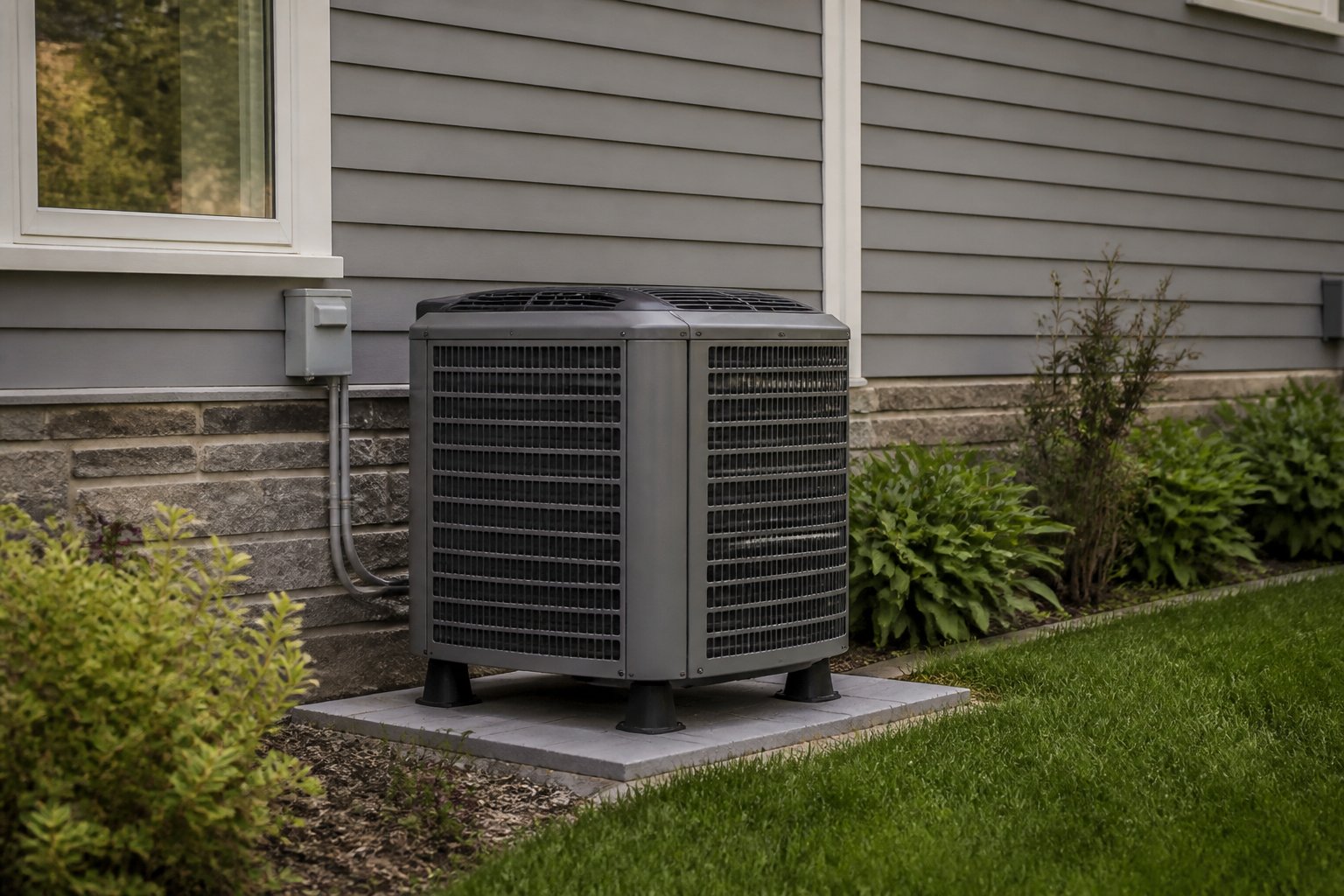
Your system actually has two sets of coils: the evaporator coil indoors, which absorbs heat from the air, and the condenser coil in the outdoor unit, which releases it. The outdoor coil collects leaves, grass clippings, and dust, so keeping a clear space around the cabinet helps it breathe. While the coils are being serviced, it is also worth clearing the condensate drain line, since a clogged drain can back water up into the pan and encourage mould near the indoor coil.
3. Check Refrigerant Levels

Refrigerant is the substance that your HVAC system uses to cool the air in your home. If your system is low on refrigerant, it won’t be able to cool your air effectively, which can lead to higher energy bills and a less comfortable home.
To maintain your refrigerant levels, you’ll need to have your system inspected periodically by a professional. They’ll check your refrigerant levels and add more if necessary. It’s important to note that refrigerant is a controlled substance and should only be handled by licensed professionals.
It also helps to understand that refrigerant is not consumed like fuel; it circulates in a sealed loop. If your levels are low, it almost always means there is a leak that needs to be found and repaired, not simply topped up. A technician measures performance using readings such as superheat and subcooling to confirm the charge is correct, and by law refrigerant must be recovered and handled only by certified professionals.
4. Inspect Ductwork
Your HVAC system relies on a network of ducts to distribute the air throughout your home. Over time, these ducts can become damaged or clogged, which can reduce the efficiency of your system and lead to poor air quality.
To maintain your ductwork, you’ll need to have it inspected periodically by a professional. They’ll look for any signs of damage, such as holes or leaks, and check for any obstructions, such as dust or debris. If they find any issues, they’ll be able to repair or clean your ducts to restore optimal performance.
5. Test Thermostat
Your thermostat is responsible for controlling the temperature in your home, and a malfunctioning thermostat can lead to a less comfortable living environment and higher energy bills.
To maintain your thermostat, you’ll need to test it periodically to ensure it’s working properly. This typically involves setting your thermostat to a certain temperature and waiting to see if your HVAC system responds accordingly. If your system doesn’t turn on or off as expected, you may need to have your thermostat repaired or replaced.
Don’t Forget These Often-Missed Checklist Items
The five basics above cover most of what keeps a system healthy, but a thorough tune-up goes further. Loose or corroded electrical connections are a common cause of failures, so a technician will tighten terminals and check the amp draw of the motors to confirm they are not working harder than they should. The blower assembly and any belts are inspected for wear and proper tension, since a slipping belt or an out-of-balance blower wheel reduces airflow and adds noise.
On the heating side, a combustion and carbon monoxide check is one of the most important items of all. A technician inspects the burners and heat exchanger and tests for any trace of carbon monoxide, a colourless, odourless gas that a healthy furnace should vent safely outdoors. Because these steps require training and instruments most homeowners do not own, many households opt for a seasonal maintenance plan so nothing on the list quietly gets skipped year after year.
Conclusion
Maintaining your HVAC system is essential for ensuring optimal performance and energy efficiency. By including these five key things on your HVAC maintenance checklist, you’ll be able to keep your system running smoothly and prolong its lifespan. Remember to have your system inspected and serviced by a professional at least once per year to catch any potential issues before they become more serious.
If you’re looking for a reliable HVAC maintenance service in Oshawa, Fortis Heating & Air Conditioning has you covered. We are dedicated to ensuring that your system is running smoothly and efficiently. Get in touch with us today to learn how.
Serving Durham Region: Fortis Heating works through the full maintenance checklist for homes in Oshawa, Whitby, Ajax and Pickering, and the same seasonal service reaches Bowmanville, Courtice and Newcastle.
Maintenance Checklist Resources
For more on home efficiency and staying safe around your gas equipment, keep these references handy:
Frequently Asked Questions
What HVAC services does Fortis Heating offer in Oshawa?
We handle the whole HVAC picture — furnace repair and installation, air conditioning, heat pump systems, custom ductwork, gas fireplaces, gas line work, hot water tanks and tankless water heaters — and back it with maintenance plans built around checklists like the one above. Having one team cover heating, cooling, ductwork and hot water means nothing on your maintenance list falls through the cracks. Our service area runs across Oshawa, Whitby, Ajax, Pickering, Bowmanville, Clarington and the rest of Durham Region.
How do I know if my HVAC system needs professional service?
The everyday warning signs are the ones your maintenance checklist is designed to surface: strange noises or smells, hot and cold spots, climbing energy bills, frequent on-off cycling, and weak airflow, especially once the system passes 10 to 15 years of age. If a checklist item keeps flagging the same problem, that is your cue to bring in a licensed technician rather than patching it again.
Are there energy rebates for HVAC upgrades in Ontario?
It depends on the year. Rebates tied to high-efficiency heating and cooling equipment come and go through federal, provincial and local utility programs, and eligibility rules change regularly — a program that was open last season may be paused or gone. Always verify the current terms before you buy instead of relying on old information. Fortis Heating keeps track of what applies locally and can flag which upgrades might qualify.
What MERV rating should I choose for my furnace filter?
For most residential systems, a pleated filter in the mid MERV range captures common dust, pollen, and pet dander without overly restricting airflow. Homes with allergy sufferers may benefit from a higher rating, but going too high can strain the blower. If you are unsure, ask a technician what your specific equipment is designed to handle.
How long does a professional HVAC tune-up take?
A standard seasonal tune-up usually takes about an hour to ninety minutes, depending on the equipment and its condition. That covers inspecting and cleaning key components, testing controls and safeties, checking the refrigerant charge or combustion, and flagging any parts that are wearing out before they cause a breakdown.
Can I clean my own air conditioner coils?
You can gently rinse loose debris from the outdoor condenser coil with a garden hose and keep the area around the unit clear, with the power off. The delicate indoor evaporator coil and any chemical coil cleaner are best left to a technician, who can clean it without bending the fins or damaging the refrigerant lines.