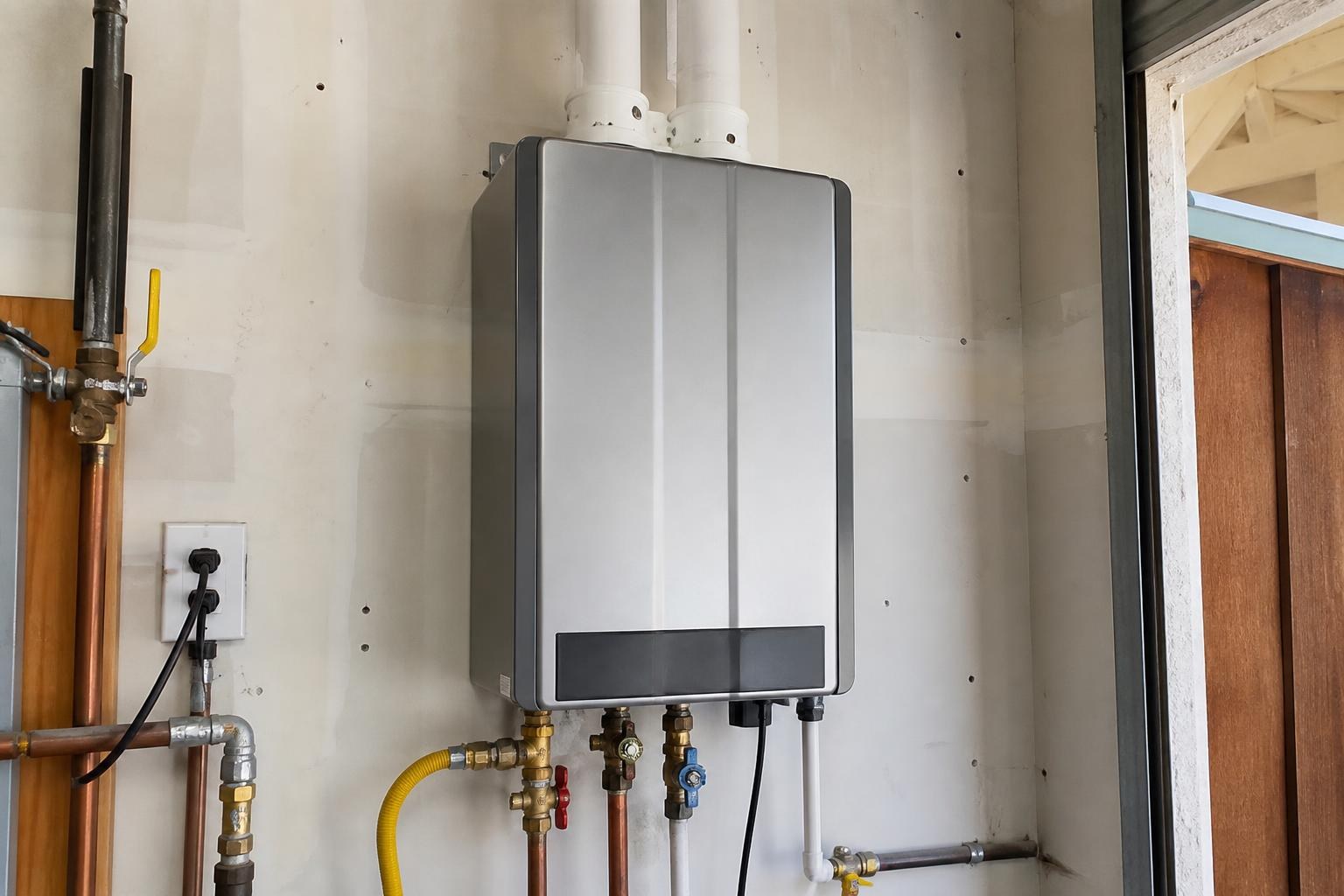



A water heater is an essential appliance in any household. It provides hot water for showering, washing dishes, laundry, and other daily activities. Without it, life can be uncomfortable, especially during the colder months. For this reason, you must have a reliable and functional water heater that can meet your hot water needs. However, it can only work for so long until it needs to be replaced.
A water heater typically lasts between 8 to 12 years, depending on the brand, type, and frequency of use. However, knowing when to replace your water heater before it completely breaks down is crucial. A malfunctioning water heater can cause many problems, including water damage, high energy bills, and even health hazards. Delaying the replacement can result in more damage and cost you more in the long run.
If you are unsure whether it is time to replace your water heater, these signs will tell you:
#1 – Rusty Water
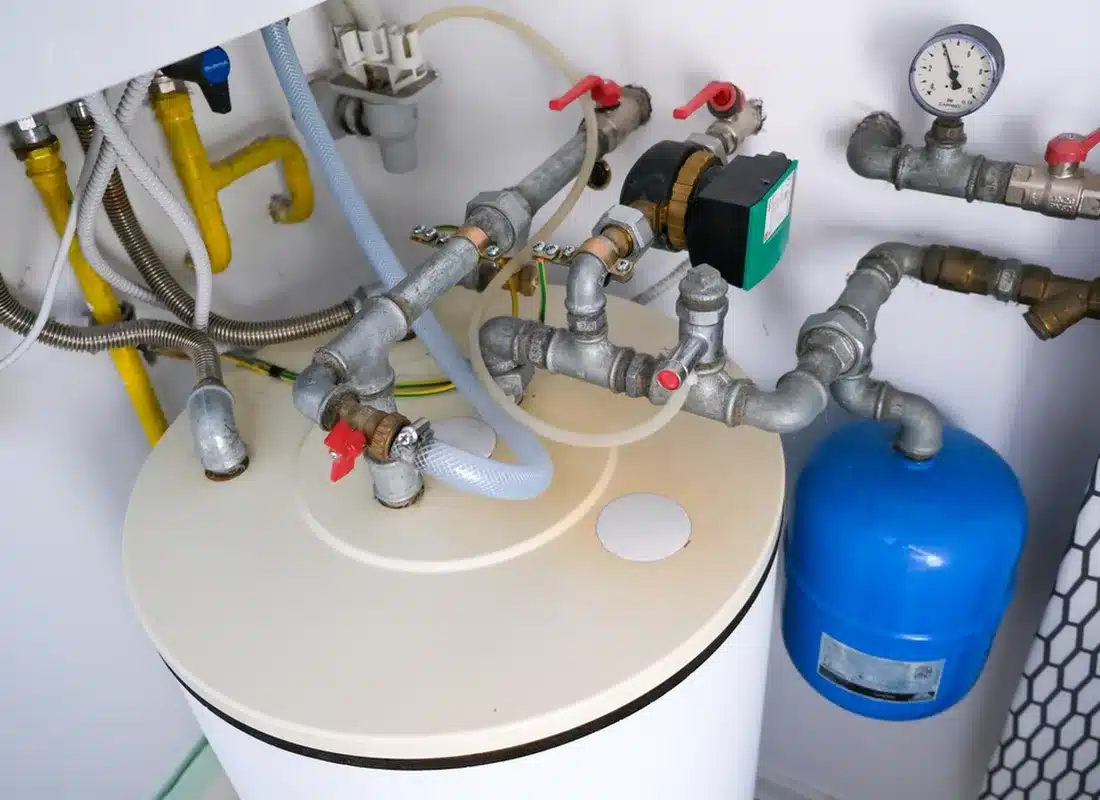
If you notice rusty water coming from your faucets or showerhead, it could be a sign that your water heater is rusting. This is a common problem with older water heaters, especially steel ones. Rusty water is not only unpleasant to look at, but it can also be harmful to your health if consumed.
Fill a bucket with hot water to check if rusty water is coming from your water heater. Your water heater is likely the culprit if the water is still rusty. Consider replacing it as soon as possible to avoid further damage.
#2 – No Hot Water
If you turn on the tap and no hot water comes out, it is a sign that your water heater is malfunctioning. Several factors, including a faulty heating element, a malfunctioning thermostat, or a broken dip tube, can cause this. Before replacing your water heater, a professional plumber should diagnose the problem to determine whether it can be repaired.
#3 – The Tank Is Leaking
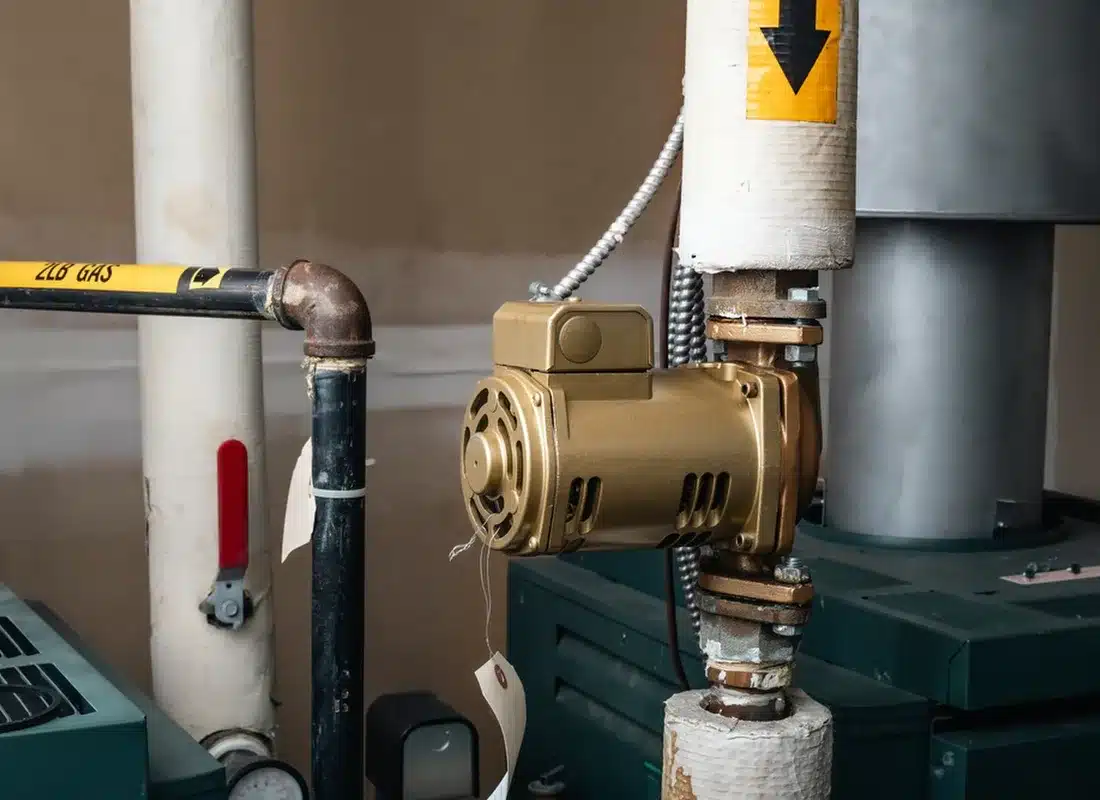
The tank is likely leaking if you notice water pooling around your water heater. Corrosion, a faulty relief valve, or old age can cause this. A leaking water heater can cause significant damage to your home, so you must address the issue as soon as possible. Depending on the severity of the leak, you may need to replace your water heater immediately.
#4 – You Hear Strange Noises
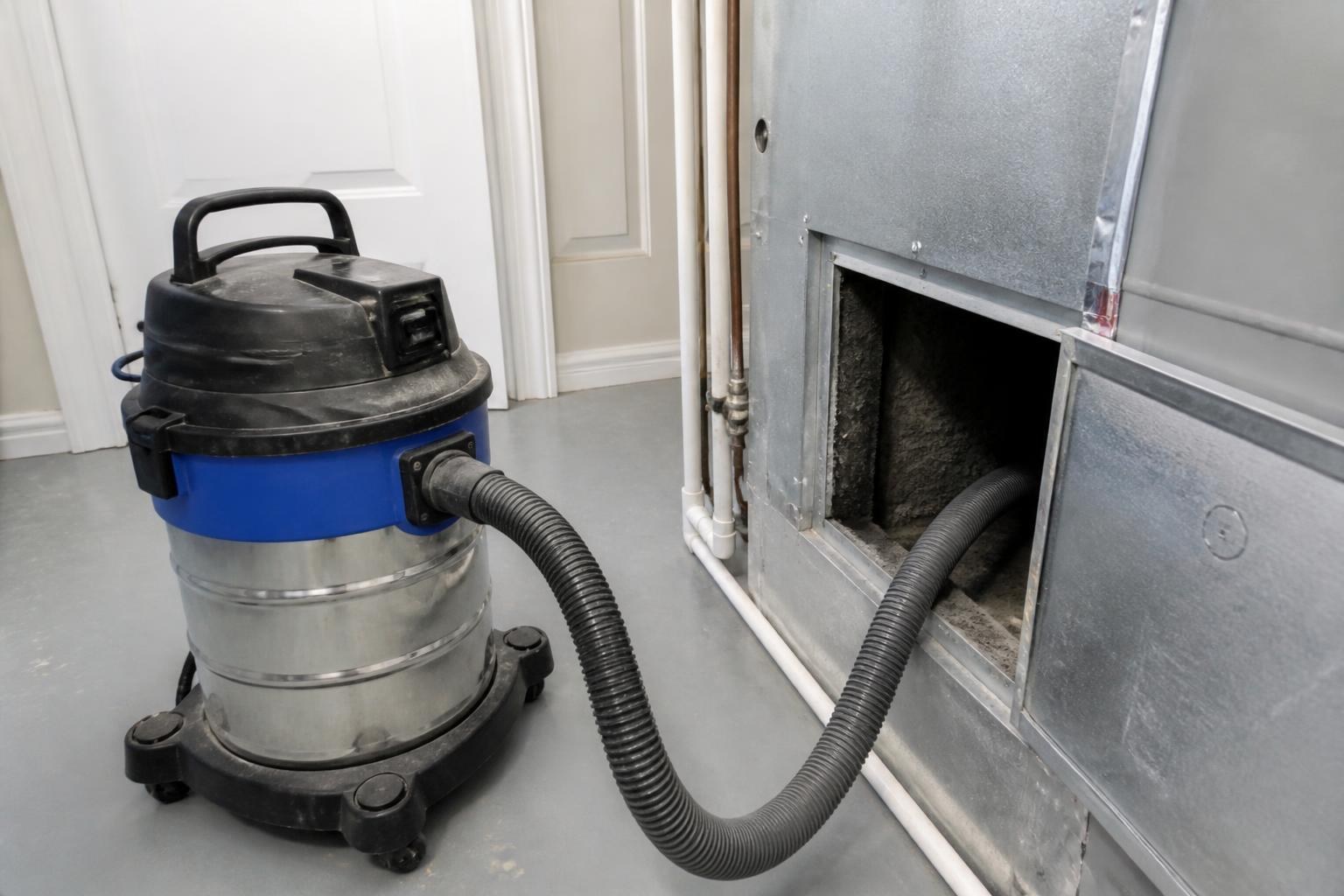
If you hear strange noises from your water heater, such as popping or rumbling sounds, it could be a sign of sediment buildup in the tank. Over time, minerals and sediment can accumulate at the bottom of the tank, causing the heating element to work harder to heat the water. This can lead to a decreased water heater lifespan and higher energy bills.
Flushing the tank regularly can help prevent sediment buildup and prolong the life of your water heater. However, if the noises persist, it may be a sign of a bigger issue, and a professional plumber should be consulted.
#5 – Age
Water heaters typically have a lifespan of 8 to 12 years, depending on the type and usage. If your water heater is approaching or surpassing its expected lifespan, it may be time to consider a replacement. Water heaters become less efficient and more prone to breakdowns as they age. Replacing an older water heater with a newer, energy-efficient model can save you money on your energy bills and prevent unexpected repairs.
If you’re unsure about the age of your water heater, check the manufacturer’s label on the unit. The serial number typically contains information about the age of the water heater. Of course, you must also consider the usage and maintenance history of the water heater when determining if it’s time for a replacement. A professional plumber can help you make an informed decision based on the condition of your water heater.
#6 – Frequent Repairs
If your water heater needs repairs frequently, it might be a sign that it’s time for a replacement. While some repairs are routine throughout the lifespan of a water heater, frequent maintenance can indicate that the unit is reaching the end of its life. Additionally, these repairs can add up quickly and may eventually exceed the cost of a new water heater.
#7 – Inconsistent or Fast-Draining Hot Water
If your showers turn cold faster than they used to, or the temperature swings from hot to lukewarm without any change at the tap, your tank is losing usable capacity. Sediment settling at the bottom of the tank takes up space that should hold hot water and insulates the burner or lower element from the water it is meant to heat. A broken dip tube can also let incoming cold water mix straight into the hot outlet, so you never get a full tank of truly hot water.
In a busy household, running out of hot water partway through the morning routine is often the clearest sign a tank is undersized or worn out. If a professional flush and a thermostat check do not restore steady hot water, replacement is usually the more economical choice than chasing repeat repairs on an aging unit.
Tank or Tankless: Which Replacement Is Right for You?
When it is time to replace, you have two main paths. A conventional storage tank keeps 40 to 60 gallons of water hot and ready, costs less to install, and is a straightforward swap for most homes. The trade-off is that it stores a fixed amount of hot water and loses a little heat around the clock, even when no one is drawing water.
A tankless, or on-demand, water heater heats water only as it flows, so you never run out and it takes up far less space. Tankless units are more efficient and typically last 15 to 20 years, noticeably longer than the 8 to 12 years of a storage tank, but they cost more upfront and may need a gas-line or venting upgrade. If your household draws a lot of hot water or you plan to stay in your home long-term, the efficiency and longer lifespan often justify the investment. A technician can size either option to your family’s real usage so you are not left short on a cold Durham Region morning.
Conclusion
Replacing a water heater is sometimes necessary, especially if it’s too old. For this reason, you must hire a professional plumber or heating contractor to inspect your water heater and determine if it needs to be replaced. This way, you can avoid potential safety hazards, save money on energy bills, and ensure that you have a reliable source of hot water for your home.
Replace Your Water Heater Before It Fails
Rusty water, puddles at the base of the tank, and hot water that runs out too soon are your unit’s way of warning you that a failure is near, and a burst tank can flood a basement in minutes. Replacing it on your own schedule lets you pick the right size and efficiency instead of scrambling during an emergency. See our hot water tank services in Oshawa, call (289) 688-4822, or book online for a free replacement quote.
Serving Durham Region: From hot water tanks to tankless upgrades, Fortis Heating serves Ajax, Oshawa, Whitby and Pickering.
Water Heating Resources
Thinking about replacing or upgrading your water heater? These guides compare efficient options and what to expect from each:
Frequently Asked Questions
How long does a water heater last in Ontario?
Traditional tank water heaters typically last 8-12 years, while tankless models can last 15-20 years with proper maintenance. Factors affecting lifespan include water quality, usage patterns, and maintenance frequency. Annual flushing and anode rod inspection can significantly extend your water heater life.
Should I switch to a tankless water heater?
Tankless water heaters offer several advantages including endless hot water, 24-34% more energy efficiency for homes using less than 155 litres daily, longer lifespan, and space savings. However, they have higher upfront costs. If your household uses significant hot water and you plan to stay long-term, the investment typically pays for itself.
Why is my water heater making noises?
Popping, rumbling, or crackling noises usually indicate sediment buildup at the bottom of the tank. Annual flushing can prevent this. Whistling may indicate a pressure issue, while banging could signal water hammer in the pipes. If noises persist after flushing, contact a licensed plumber for inspection.
Is it worth repairing an older water heater or should I replace it?
As a general rule, if your water heater is past 8 to 10 years old and the repair would cost more than about half the price of a new unit, replacement is the smarter investment. Frequent repairs, rusty water, and rising energy bills all point to a tank near the end of its life. A newer, high-efficiency model lowers operating costs and removes the risk of a sudden failure and water damage.