


If you’ve ever noticed that some rooms in your home are much hotter than others, you’re not alone. Uneven heating is a common issue in many homes, and various factors can cause it. From poor insulation to a malfunctioning HVAC system, there are a few reasons your home may not be heating evenly.
Here are some causes of uneven heating in houses so you can call for an HVAC maintenance service as soon as possible:
It helps to separate two related problems. Sometimes a home heats unevenly — a warm main floor and a cold bedroom over the garage — and sometimes the whole house simply never gets warm enough. The causes overlap, but the fix differs. A few of the reasons below are quick things you can check yourself, such as a filter or a blocked register, while others involve the furnace, the ductwork, or the building envelope and are best handed to a technician.
1. Poor Insulation

Poor insulation is one of the leading causes of uneven heating. If your insulation is inadequate or has become damaged, it can prevent heat from circulating evenly throughout your home. This can lead to hot and cold spots in different rooms, making it difficult to maintain a comfortable temperature.
Attics are the usual weak point, because heat rises and escapes through a poorly insulated ceiling faster than anywhere else. Rooms above a garage or over an unheated crawlspace, and rooms with large or older windows, tend to feel the cold first. Air leakage compounds the problem: gaps around recessed lights, attic hatches, and rim joists let warm air slip out and cold air seep in. Topping up attic insulation and sealing those leaks reduces the load on your heating system and evens out the temperature between rooms.
2. Ventilation Issues
Another common cause of uneven heating is ventilation issues. If your HVAC system is not properly ventilated, it can cause hot and cold spots throughout the house. This can be due to clogged air filters, inefficient ductwork, or a poor ventilation system.
Airflow is a balancing act, and it is easy to disrupt without realizing it. Supply registers hidden behind furniture, rugs, or curtains cannot deliver heat to the room, and blocked cold-air return grilles are just as damaging, because the furnace needs that return path to keep air moving. Closing too many registers in an attempt to “redirect” heat can actually raise pressure in the ducts and reduce overall airflow. Making sure vents and returns are open and unobstructed is one of the simplest ways to improve how evenly your home heats.
3. Malfunctioning HVAC System

If your HVAC system is not functioning properly, it can cause uneven heating in your home. A malfunctioning HVAC system can cause hot and cold spots in certain rooms, making it difficult to maintain a comfortable temperature throughout your home.
When the equipment itself is at fault, the symptoms often go beyond uneven warmth. A furnace that trips its high-limit switch will blow lukewarm air and cycle on and off; a weak blower motor cannot push enough air to the rooms farthest from the furnace; and a system nearing the end of its life may simply lack the capacity it once had. These are diagnosed by a technician who can measure airflow and temperature rise and inspect the burner and controls.
4. Leaky Ducts
Leaky ducts can also cause uneven heating in your home. If your ducts are not properly sealed, they can cause hot and cold spots in different rooms. This can be due to damaged or poorly installed ducts or a lack of insulation.
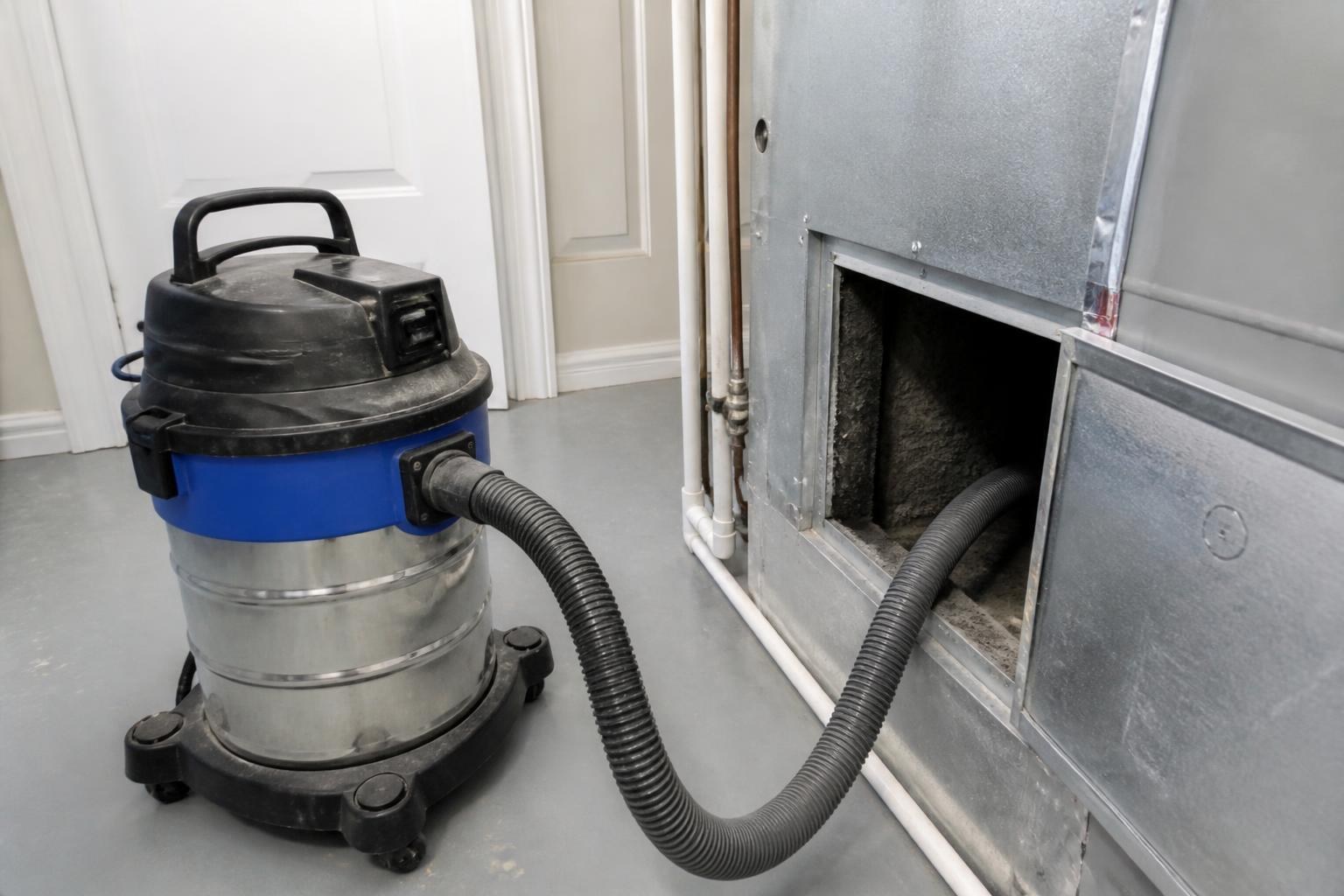
Ductwork often runs through attics, basements, and crawlspaces, and every unsealed joint or disconnected section leaks heated air into those unconditioned spaces instead of into your rooms. The rooms at the ends of long duct runs suffer the most, since they receive whatever warm air survives the journey. Sealing joints with proper mastic and insulating ducts that pass through cold areas keeps more of your furnace’s output where you want it. If your home has persistent weak spots, having the ductwork inspected and sealed is frequently the single most effective fix.
5. Improperly Installed HVAC System
An improperly installed HVAC system can also cause uneven heating. If your HVAC system is not installed correctly, it can lead to hot and cold spots throughout your home. This can be due to incorrect sizing, poor installation, or a lack of maintenance.
Sizing is the factor homeowners most often overlook. A furnace that is too large heats the air near the thermostat quickly and shuts off before distant rooms catch up, producing short, uneven bursts of heat. One that is too small runs endlessly and still cannot keep up on the coldest days. A proper load calculation, which accounts for the home’s square footage, insulation, and window area, prevents both outcomes. Poorly designed duct layouts and undersized returns fall into the same category — installation shortcuts that only reveal themselves once the cold weather arrives.
6. Dirty Air Filter
A dirty air filter is one of the most common causes of inadequate heat. A clogged air filter can restrict the flow of air, resulting in an inadequate amount of heat being produced by the system. Check your air filter regularly and replace it when necessary. This is a simple and inexpensive solution that can often resolve the issue.
It is worth emphasizing just how often this simple item is the answer. As a filter loads up with dust, it chokes airflow across the heat exchanger, reducing the warm air reaching your rooms and sometimes causing the furnace to overheat and shut down. Checking a one-inch filter monthly through heating season, and replacing it when it looks grey and loaded, protects both your comfort and the blower motor. Choosing a filter with a MERV rating your system is designed to handle keeps filtration effective without starving the furnace of air.
7. Thermostat Issue
Another common cause of inadequate heat is an issue with the thermostat. If the thermostat is not calibrated correctly, it may not be able to accurately detect the temperature of the room and cause the system to produce less heat than necessary. It is important to make sure that your thermostat is properly calibrated to ensure that it is functioning properly.
Location matters as much as calibration. A thermostat mounted near a sunny window, a supply register, or a draughty exterior wall reads a temperature that does not represent the rest of the home, and the furnace responds to that faulty reading. Dead batteries, loose wiring, and outdated single-zone control in a large home can all contribute to uneven results. If one part of the house is consistently uncomfortable regardless of the setting, a zoned thermostat arrangement may be the more complete solution.
8. Malfunctioning Furnace
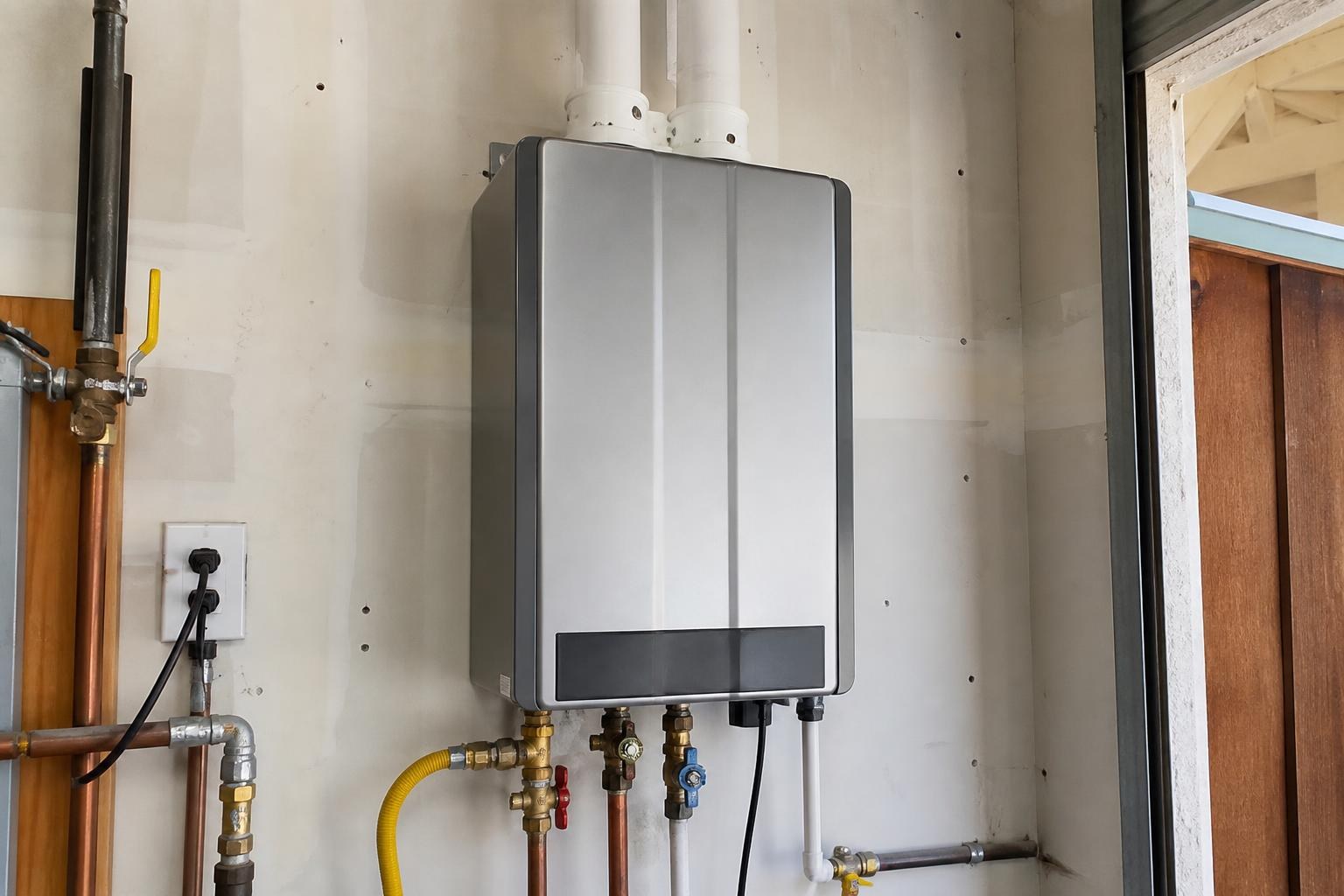
Another cause of inadequate heat could be a malfunctioning furnace. If your furnace is not running properly, it can lead to inadequate heat. Make sure to check the air filter, thermostat, and any other components of your furnace that could be causing the problem. If everything is functioning properly, it is time to call in a professional HVAC maintenance service to take a look.
Inside the furnace, several parts can quietly rob you of heat. A weak or dirty flame sensor causes the burner to light and then shut off; a failing igniter prevents ignition altogether; and a limit switch reacting to restricted airflow will cut the burner short. On high-efficiency models, a clogged condensate drain or a blocked vent can trip a safety switch and lock the system out. These are combustion-side components, so once the easy checks are done, a licensed technician should carry the diagnosis the rest of the way.
How Our Technicians Diagnose Uneven Heating
When we are called to a home with hot-and-cold rooms, we work through the same logical sequence rather than swapping parts and hoping. We start with the basics — the filter, the thermostat, and whether registers and returns are open — because these resolve a surprising number of complaints on the spot. From there we measure the system’s airflow and temperature rise to see whether the furnace is delivering the heat it should, and we inspect the ductwork for leaks, crushed sections, and missing insulation in attics and crawlspaces.
If the equipment and ducts check out, the investigation moves to the building envelope and system design: insulation levels, air leakage, and whether the furnace is correctly sized. In some cases the most effective answer is balancing the existing dampers or adding a zoned control setup so different areas can be heated independently. The point of this methodical approach is to fix the underlying cause, not just mask the symptom for a season.
Conclusion
By understanding the causes of uneven heating in your home, you can take steps to address the issue. Contacting an HVAC maintenance service can help you identify the problem and take the steps needed to fix it. An experienced technician can inspect your HVAC system and identify any problems causing the uneven heating.
Are you in need of an HVAC maintenance service? Fortis Heating & Air Conditioning is here to help. We are a locally owned and operated HVAC Company located in the Durham Region. Whether you need an inspection, a repair, an installation, or someone to provide sound HVAC recommendations, we’re here to help. Get in touch with us today!
Even heat in every room: Fortis Heating & Air Conditioning tracks down and fixes the causes of weak, uneven heating for homeowners in Oshawa, Ajax, Whitby and Pickering, plus neighbouring Bowmanville and Clarington.
Balanced-Heating & Efficiency Resources
If you want to dig deeper into why some rooms run cold and how efficient heating equipment can help, these independent guides are a solid starting point before you book an on-site assessment.
Frequently Asked Questions
What HVAC services does Fortis Heating offer in Oshawa?
Fortis Heating & Air Conditioning covers the full range of home comfort work — furnace installation and repair, air conditioning, heat pumps, custom ductwork, gas fireplaces, gas line installation, and both hot water tanks and tankless water heaters. We look after homes in Oshawa, Whitby, Ajax, Pickering, Bowmanville, and across the Durham Region, and we’re glad to start with a free, no-pressure consultation.
How do I know if my HVAC system needs professional service?
Watch for uneven heating from room to room, weak airflow, higher energy bills than usual, short or frequent cycling, unfamiliar noises or odours, and any system that’s past the 10-to-15-year mark. If any of these sound familiar, it’s worth having a licensed technician take a look — we’ll come out, assess what’s happening, and walk you through the options before any work begins.
Are there energy rebates for HVAC upgrades in Ontario?
Sometimes. Rebate and incentive programs for high-efficiency heating and cooling come and go through federal, provincial, and local utility channels, and the rules shift from year to year. High-efficiency furnaces, heat pumps, and smart thermostats are often included, but it’s best to confirm what’s active before you buy rather than trusting an old figure online. During a consultation we can point you toward equipment that tends to qualify.
Why is my upstairs colder than my main floor in winter?
In heating season the opposite of summer is often true: rooms served by long duct runs, sitting above a garage, or losing heat through a poorly insulated attic can lag behind. Leaky ducts, blocked registers, and an undersized return can all contribute. Balancing dampers, sealing ducts, and improving insulation usually help even things out.
How can I tell if my furnace is the wrong size for my home?
An oversized furnace heats quickly then shuts off, leaving distant rooms cold and cycling on and off frequently. An undersized one runs almost continuously yet still cannot keep up on very cold days. A technician can perform a load calculation based on your home’s size, insulation, and windows to confirm whether your furnace is properly matched.