


With the ever-growing concern for the environment and the increasing cost of energy, making your home’s heating, ventilation, and air conditioning (HVAC) system more energy-efficient has become a top priority for many homeowners. As a local, Durham Region-based HVAC company, Fortis Heating & Air Conditioning is dedicated to helping our customers understand the importance of energy efficiency in their HVAC systems and providing practical solutions to help reduce energy consumption.
Improving your HVAC system’s energy efficiency not only contributes to a greener planet but also lowers your monthly energy bills, which is a win-win situation for both your budget and the environment. By implementing simple tips and best practices, you can optimize your heating and cooling systems’ performance, maximize their energy efficiency, and enjoy the long-term benefits of a more sustainable and cost-effective home.
In this article, we will delve into various practical tips to increase your HVAC system’s energy efficiency, including recommendations for routine maintenance, temperature control, and even strategic home design. Stick around because we will also discuss the potential benefits of upgrading to energy-efficient HVAC equipment and provide guidance on selecting the right products to meet your needs and preferences.
Regular Maintenance for Optimal Efficiency

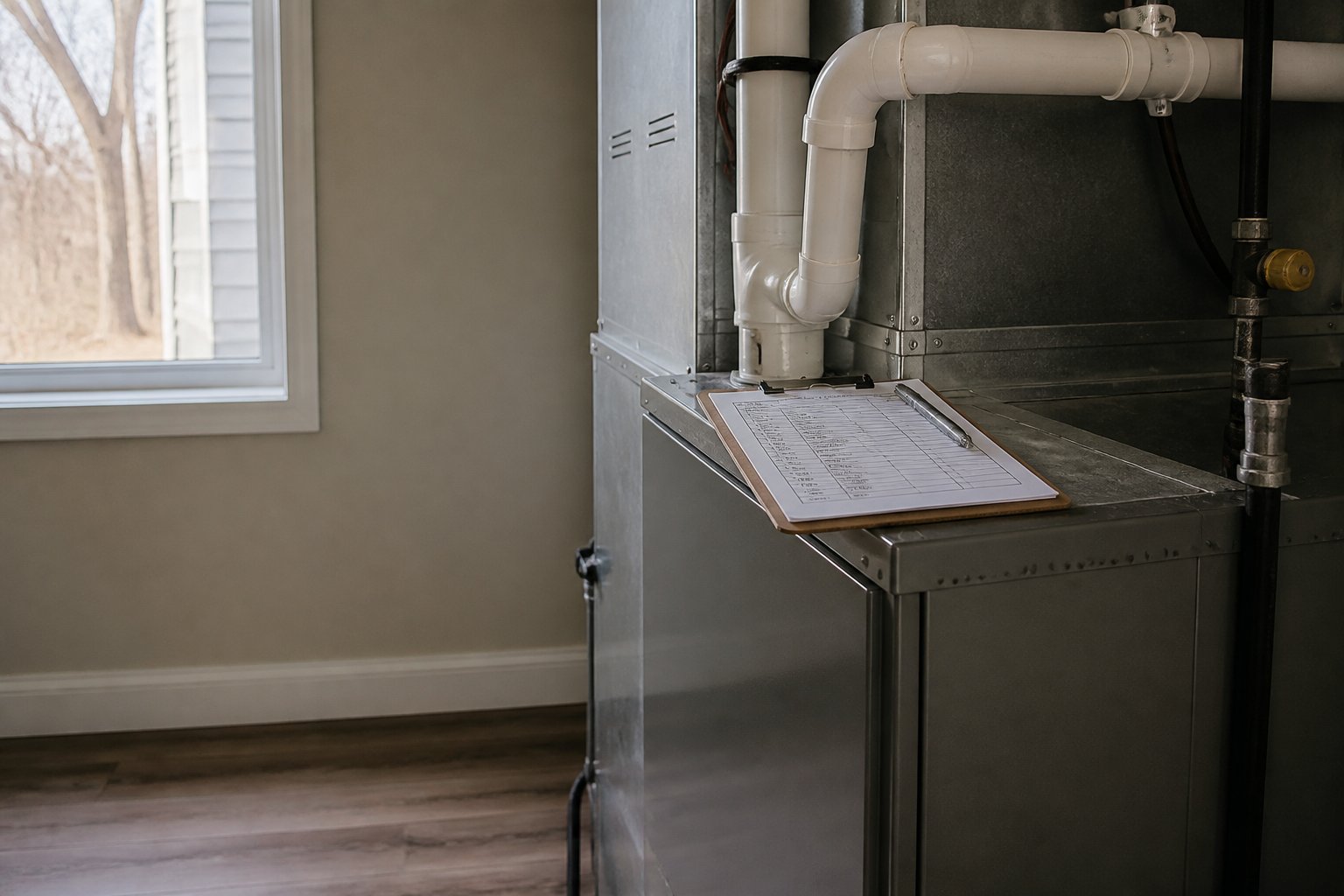
One of the most crucial factors in maintaining your HVAC system’s energy efficiency is scheduling regular maintenance. Here are the key reasons why proper upkeep helps improve your system’s performance and reduce energy consumption:
1. Clean and Replace Air Filters: Dirty and clogged filters restrict airflow, causing your system to work harder and use more energy. Cleaning and replacing filters regularly can improve efficiency and lower your energy bills.
2. Inspect Ductwork: Leaky ducts can lead to a significant loss of heated or cooled air, resulting in wasted energy. Regularly inspecting and sealing any leaks in your ductwork can optimize system performance and reduce energy waste.
3. Check Refrigerant Levels: An undercharged or overcharged air conditioner can lead to poor performance and inefficiency. During maintenance appointments, a technician will ensure refrigerant levels are adequate and refill if necessary.
4. Tune-Up Components: A professional technician will inspect, clean, and adjust critical HVAC system components like coils, fans, belts, and motors, ensuring optimal performance and energy efficiency.
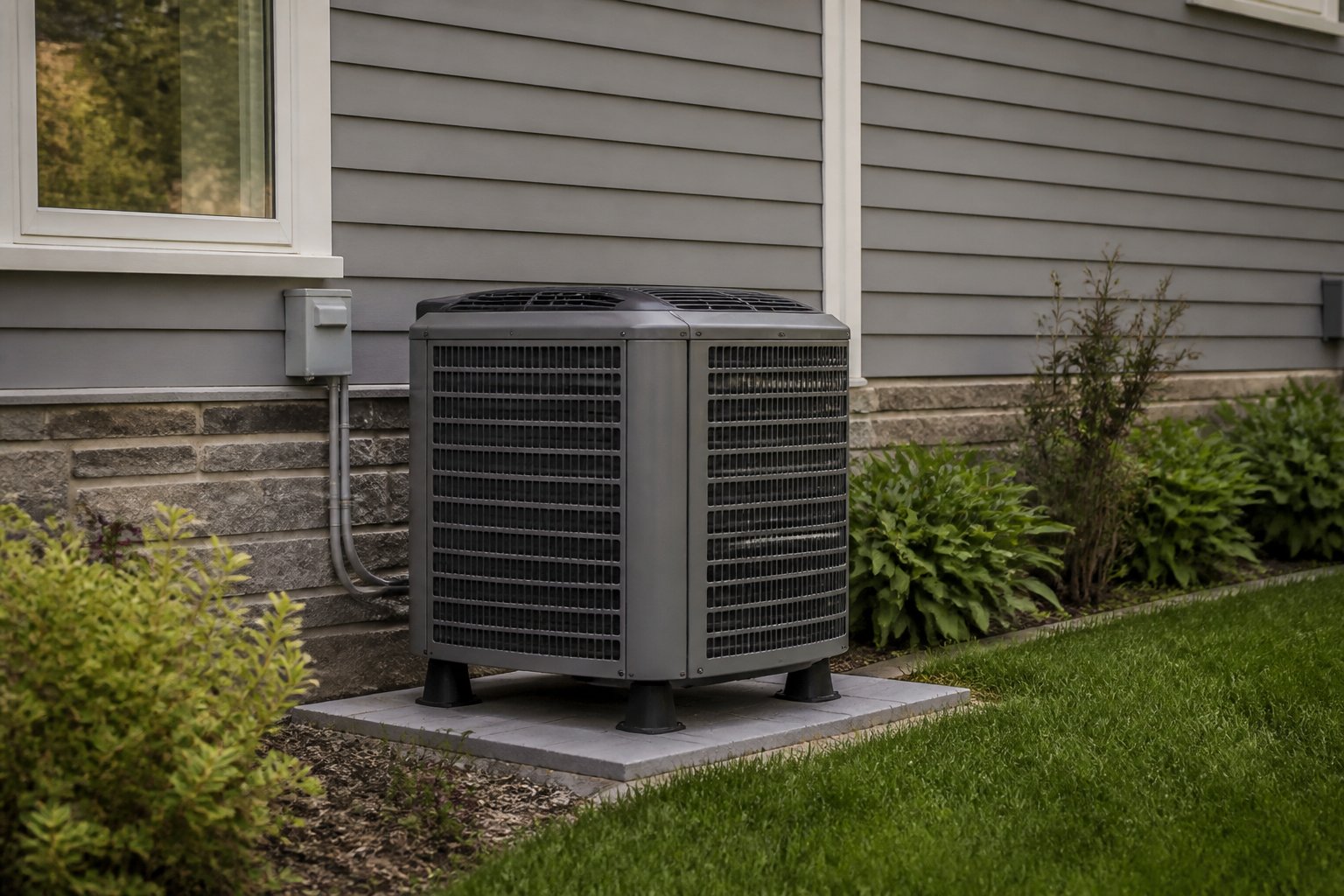
It’s worth understanding why coil cleaning in particular pays off. Your outdoor condenser sheds heat through rows of thin aluminum fins, and over a season those fins collect pollen, grass clippings, and road dust. Once that layer builds up, the system can’t release heat efficiently, so the compressor runs hotter and longer to reach the same temperature — quietly driving your hydro bill up while shortening the compressor’s life. The same is true of the indoor evaporator coil, which can grow a film of dust that insulates it from the very air it’s meant to cool. A yearly cleaning of both coils, along with straightening any bent fins, is one of the highest-value things you can do to keep an existing system running near its rated efficiency.
By investing in routine HVAC maintenance, you can spot and address minor issues before they escalate into significant problems, ultimately saving energy, time, and money.
Savvy Temperature Control
Strategic temperature control can significantly impact your HVAC system’s energy efficiency. Here are some tips to help you maintain comfort while minimizing energy consumption:
1. Utilize Programmable Thermostats: Installing a programmable thermostat allows you to preset temperature adjustments according to your daily or weekly schedules. This ensures your system only heats or cools your home when necessary, saving energy and reducing costs.
2. Be Smart with Temperature Settings: Avoid setting your thermostat too high or too low. A more moderate temperature lessens the demand on your HVAC system and reduces energy consumption. During winter, aim for a temperature between 18-20°C when at home and 16°C when away or asleep. In summer, set it between 24-26°C.
3. Use Fans Wisely: Using ceiling or portable fans can help improve airflow and allow you to raise the thermostat without sacrificing comfort during hotter months.
4. Insulate and Seal Your Home: Proper insulation and sealing have a significant impact on temperature control. Inspect your home for air leaks and insulate walls, attics, and floors to maintain a consistent temperature and minimize energy loss.
These habits pay off most during the July and August heat waves that settle over the Durham Region. On a day forecast to hit the low thirties, a smart move is to let your home cool overnight and in the early morning, then keep the thermostat steady rather than cranking it down at 3 p.m. when the AC is already fighting the peak. Trying to drop the temperature several degrees during the hottest part of the afternoon forces the system to run flat out for little gain. It also helps to set ceiling fans to spin counter-clockwise in summer so they push air down and create a wind-chill effect — that breeze lets you nudge the thermostat up a degree or two and still feel just as comfortable, which is where the real savings come from.
Managing Humidity to Cut Cooling Costs
In our part of Ontario, comfort in summer is as much about humidity as it is about temperature. Moist air pushing in off Lake Ontario can make a house feel muggy and warm even when the thermostat reads a reasonable number, and the natural temptation is to lower the setting further — which burns more energy without really fixing the problem. The smarter fix is to remove moisture, because drier air simply feels cooler. A properly sized air conditioner does a lot of this on its own: when a unit is matched to the home, it runs longer, steadier cycles that wring humidity out of the air, whereas an oversized unit cools quickly and shuts off before it has dehumidified anything.
If damp air is a persistent issue, a whole-home dehumidifier tied into your ductwork, or simply choosing a variable-speed system on your next upgrade, can keep indoor humidity in the comfortable 40-50% range. The payoff is real: at the right humidity you can often set the thermostat a degree or two higher and feel exactly as comfortable, trimming energy use across the whole cooling season. It’s a good example of how efficiency and comfort tend to travel together rather than working against each other.
Strategic Home Design and Upgrades

Implementing energy-efficient home upgrades and purposeful design elements can contribute to your HVAC system’s overall efficiency. Consider the following strategies:
1. Window Treatments: Use blinds, shades, or curtains to block out sunlight and heat during hot weather, reducing the demand for your air conditioner. Conversely, let the sun’s warmth in during colder months to assist your heating system.
2. Ventilation: Ensure proper ventilation in your home to balance indoor humidity and temperature levels, reduce odours, and improve indoor air quality.
3. Replace Inefficient Windows: Inefficient windows can lead to significant heat loss or gain. By upgrading to double-pane, energy-efficient windows, you can significantly reduce your heating and cooling costs.
4. Plant Trees or Install Awnings: Placing trees or installing awnings to shade windows can provide natural insulation against heat, reducing the need for air conditioning.
Upgrading to Energy-Efficient HVAC Equipment
While implementing maintenance and energy-saving strategies can help improve your existing system’s performance, upgrading to energy-efficient HVAC equipment may offer the best long-term benefits. Consider the following tips when contemplating an upgrade:
1. Research Energy-Efficient Systems: Look for HVAC systems with high-efficiency ratings, like those with ENERGY STAR® certification. These products are designed to meet strict energy efficiency guidelines set by the government, ultimately saving you money and reducing your environmental impact.
2. Assess Your Options: Consult with a professional HVAC technician like those at Fortis Heating & Air Conditioning to evaluate your home’s unique needs and recommend the best energy-efficient solution.
3. Evaluate Potential Savings: When considering an upgrade, factor in the potential energy savings and increased efficiency compared to the upfront investment cost. In many cases, an energy-efficient HVAC system can pay for itself through energy bill savings over time.
Every Step Counts Towards Greater Efficiency and Savings
Improving your HVAC system’s energy efficiency can lead to a greener, more cost-effective home while providing comfort and peace of mind. By incorporating regular maintenance, savvy temperature control, strategic home design, and upgrading to energy-efficient HVAC equipment, you can take meaningful steps to reduce energy consumption, save money, and contribute to a healthier environment.
Ready to Trim Your Heating and Cooling Bills?
Small changes add up, but the biggest gains usually come from having someone look at your whole system and tell you where the energy is actually leaking away. We’ll walk your home, point out the quick wins, and lay out whether a tune-up, some sealing, or a more efficient upgrade makes the most sense for your budget. To get personalized guidance from our Oshawa heating and air conditioning team, call Fortis Heating & Air Conditioning at (289) 688-4822 or book a visit online — let’s build a greener, more efficient home for you and your family.
Serving Durham Region: Fortis helps homeowners run greener, more efficient homes across Oshawa, Whitby, Ajax and Pickering, and out to Courtice, Bowmanville, Newcastle and Cobourg.
Energy-Saving Resources
Trusted tools for a greener, lower-cost home:
Frequently Asked Questions
How often should I service my HVAC system in Oshawa?
Aim for two professional tune-ups a year — one in spring for cooling, one in fall for heating. Keeping that routine can add 5 to 10 years of equipment life and lower energy bills by 10 to 25 percent, which fits nicely with an efficiency-minded home. Durham’s temperature extremes make that seasonal care worthwhile.
What temperature should I set my thermostat to save energy?
For a greener, lower-cost home, set the thermostat to 20-21°C (68-70°F) when you’re in and reduce it 2-3 degrees when sleeping or away. A programmable or smart thermostat runs that plan automatically and can cut about 10-15 percent from annual heating and cooling costs.
How long does an HVAC system typically last?
A well-maintained furnace can serve 15-20 years, an air conditioner 10-15 years, and a heat pump 12-15 years. Getting that full value — and keeping efficiency high along the way — depends on regular servicing and prompt filter changes.
Does a smart or programmable thermostat really save money?
Yes, when it’s set up to match how you actually live. By easing off on heating or cooling while you’re asleep or out of the house and bringing the temperature back before you return, a programmable or smart thermostat avoids conditioning an empty home. For most households that adds up to a noticeable reduction in annual heating and cooling costs, with no loss of comfort when you’re actually home.
Which upgrade gives the best energy savings — a new furnace, AC, or heat pump?
It depends on which system is oldest and least efficient, and on your heating setup. Replacing a fifteen-plus-year-old air conditioner or furnace with a high-efficiency model usually delivers the clearest savings, while an air-source heat pump can cut costs on both heating and cooling by handling both jobs efficiently. The best answer comes from an assessment of your specific home, which we’re glad to provide before you spend a dollar on equipment.