


As energy costs continue to rise and homeowners in the Durham Region search for more efficient and flexible home heating and cooling solutions, ductless mini-split systems have emerged as an increasingly popular option. These systems offer an alternative to traditional central air conditioners and furnaces, providing both heating and cooling capabilities without the need for ductwork.
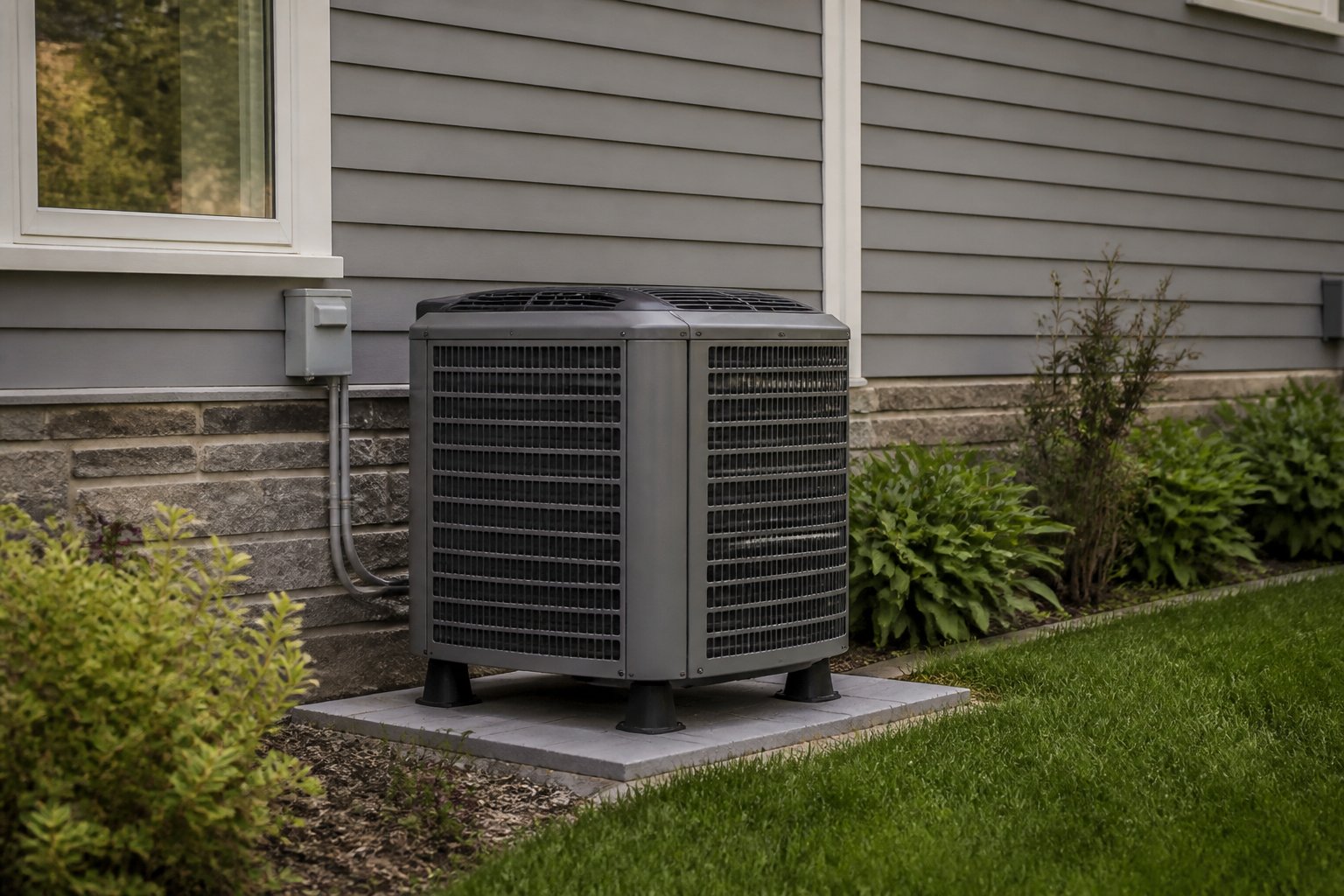
Ductless mini-split systems consist of an outdoor compressor/condenser unit and one or more indoor air-handling units, which are connected by refrigerant lines. Each indoor unit can be controlled independently, allowing for customized temperature settings in individual rooms or areas of your home. This flexibility not only enhances overall comfort but can also lead to energy savings by providing heating and cooling only where needed.
Whether you’re building a new home, remodeling an existing one, or simply looking to upgrade your HVAC system, a ductless mini-split system may be the perfect solution to meet your needs. Fortis Heating & Air Conditioning, a locally owned and operated HVAC company servicing the Durham Region, is dedicated to helping homeowners make informed decisions when it comes to their heating and cooling systems. In this blog, we’ll explore the numerous benefits of ductless mini-split systems, including energy efficiency, versatility, and space-saving design.
How a Ductless Mini-Split Actually Works
Understanding what happens behind the scenes makes it easier to see why these systems are so efficient. A ductless mini-split is a type of heat pump, which means it does not burn fuel or use electric resistance coils to create warmth. Instead, it moves heat from one place to another using refrigerant. In cooling mode, the indoor unit absorbs heat from the room and the outdoor unit releases it outside. In heating mode, a reversing valve flips that cycle so the outdoor unit pulls warmth out of the outside air — even in cold weather — and delivers it indoors.
The outdoor compressor connects to each indoor air-handling unit through a slim line set of insulated copper refrigerant lines, a condensate drain, and a control wire. That bundle runs through a small opening in the exterior wall, usually only about three inches wide. Because there is no bulky ducting to route through your home, a single outdoor unit can feed one indoor head or several, making a ductless system a genuinely modular way to add comfort room by room.
1. Energy Efficiency and Cost Savings

One of the most significant advantages of ductless mini-split systems is their energy efficiency. These systems avoid the energy losses associated with ductwork, which can account for up to 30% of a home’s heating and cooling energy consumption. By eliminating these losses, ductless systems can significantly reduce your energy bills. Additionally, since each indoor unit operates independently, you can selectively heat or cool rooms as needed, further conserving energy and lowering costs.
Some ductless mini-split systems are also equipped with advanced inverter technology, which adjusts the compressor speed based on demand. This allows the system to maintain a consistent temperature more efficiently than traditional on/off systems, leading to additional energy savings.
When you compare units, two ratings tell you how efficient a system will be. SEER (Seasonal Energy Efficiency Ratio) measures cooling efficiency, and HSPF (Heating Seasonal Performance Factor) measures heating efficiency — in both cases, a higher number means the system does more with less electricity across the season. Cold-climate ductless models are engineered to keep delivering usable heat well below freezing, which matters through a long Durham Region winter. Choosing a right-sized, higher-rated unit costs a little more up front but keeps monthly running costs lower, and our team can walk you through the trade-offs for your home.
2. Flexibility and Customizable Comfort
Ductless mini-split systems offer unmatched flexibility in providing customized comfort throughout your home. Each indoor unit can be controlled independently, allowing you to maintain different temperature settings in individual rooms or areas. This zoned approach not only enhances overall comfort but also ensures that unoccupied spaces do not consume unnecessary energy.
These systems are ideal for homes with unique heating and cooling needs, such as multi-generational households, home offices, or rooms with large temperature variations. In addition, ductless mini-splits can be used as a supplement to existing HVAC systems, providing targeted temperature control in challenging areas of your home.
Zoning is where a mini-split really earns its keep. With a multi-zone setup, one outdoor unit can serve several indoor heads, and each one runs on its own thermostat. That means a warm upstairs bedroom and a cool main-floor living room can each hold their ideal temperature at the same time, instead of fighting over a single central setting. Bedrooms can dial back overnight, a home office can stay comfortable during the workday, and rarely used rooms can idle — all without wasting energy on space nobody is in.
3. Space-Saving Design and Ease of Installation

Ductless mini-split systems boast a compact and space-saving design, making them ideal for homes with limited space or specific architectural constraints. Without the need for ductwork, installation is quicker, less invasive, and generally less expensive than traditional HVAC systems. The indoor air-handling units can be mounted on the wall, suspended from the ceiling, or integrated into a drop ceiling, offering various installation options to suit your home’s aesthetic.
In addition, many ductless mini-split systems can be installed in as little as one day, minimizing disruption to your home. This ease of installation also makes these systems an appealing option for older homes, where installing or updating ductwork may be challenging or cost-prohibitive.
A typical installation follows a clear sequence: our technicians mount a bracket for the indoor head, drill a small pass-through in the exterior wall, run the refrigerant line set and condensate drain, set the outdoor unit on a pad or wall bracket, make the electrical connections, then pull a vacuum on the lines and charge the system before testing. That tidy process is exactly why ductless works so well where ducts don’t. Century-old homes and additions in Port Perry, Uxbridge, and around Scugog were often never built for central air, and cottages near Lake Scugog can be seasonal spaces that need heat or cool on demand. The same is true for a finished garage, a bonus room over the garage, or a bright sunroom that a central system was never sized to reach. In all of these cases, a mini-split adds comfort to the exact spot you use without tearing open walls and ceilings.
4. Improved Indoor Air Quality
Ductless mini-split systems can contribute to a healthier indoor environment by providing improved air quality. Traditional forced-air systems often circulate dust, allergens, and other particulates through the ductwork, potentially affecting your home’s air quality. Without the need for ducts, ductless systems avoid this issue. Additionally, the indoor units often feature built-in air filtration systems that capture dust, pollen, and other airborne pollutants before they’re circulated throughout your home.
To maintain optimal air quality, it’s essential to regularly clean and inspect the filters in your ductless mini-split system. Doing so ensures that your system continues to provide clean, fresh air for your family to enjoy.
Final Thoughts
Ductless mini-split systems offer a host of benefits for Durham Region homeowners seeking an energy-efficient, flexible, and space-saving heating and cooling solution. With their high energy efficiency, customizable comfort, ease of installation, and improved air quality, these systems are an excellent option for meeting a wide range of home climate needs.
As a locally owned and operated HVAC company, Fortis Heating & Air Conditioning is committed to providing educational and helpful content to help homeowners in the Durham Region make informed decisions about their heating and cooling systems. Our team of professionals offers expert advice, installation, and maintenance services for ductless mini-split systems and traditional HVAC equipment.
Add Ductless Comfort to Any Room in Your Home
If a stuffy sunroom, a chilly addition, or an over-warm upstairs bedroom has been nagging at you, a right-sized mini-split can solve it without the mess of new ductwork. Our technicians will size the system to the room, recommend the efficiency level that fits your budget, and handle the install cleanly from start to finish. Call Fortis Heating & Air Conditioning at (289) 688-4822 or book online, and we’ll help you pick the perfect ductless setup for your space.
Serving Durham Region: From lakeside cottages to busy family homes, Fortis installs and services ductless systems in Oshawa, Whitby, Ajax and Pickering, right through Newcastle, Cobourg and Port Hope.
Ductless & Heat Pump Resources
Learn more about efficient ductless heating and cooling:
Frequently Asked Questions
How often should I service my HVAC system in Oshawa?
Manufacturers generally call for service twice a year: cooling in spring, heating in fall. Homeowners who stick to it often gain 5 to 10 years of equipment life and 10 to 25 percent in energy savings. That’s true for ducted and ductless systems alike, and Durham’s climate extremes make the habit worthwhile.
What temperature should I set my thermostat to save energy?
Around 20-21°C (68-70°F) when you’re home is comfortable and efficient, with a 2-3 degree setback overnight or while out. A programmable or smart thermostat — which pairs well with ductless zoning — can automate this and save roughly 10-15 percent a year on heating and cooling.
How long does an HVAC system typically last?
Furnaces generally last 15-20 years and air conditioners 10-15, while heat pumps and ductless systems tend to run 12-15 years. Regular professional maintenance and clean filters are what carry equipment to the longer end of those ranges.
Can a ductless mini-split heat my home through an Ontario winter?
Yes. Cold-climate mini-split models are designed to keep pulling heat from the outdoor air well below freezing, so they can carry the heating load on their own or work alongside a furnace on the coldest nights. When we size your system, we account for our local winter lows so you get dependable warmth all season.
How many indoor units do I need?
It depends on how many rooms or zones you want to control and how open your floor plan is. A single head is perfect for one room, an addition, or a garage, while a multi-zone system pairs several indoor heads with one outdoor unit for whole-areas of the home. We’ll assess your layout and recommend the right number and placement.